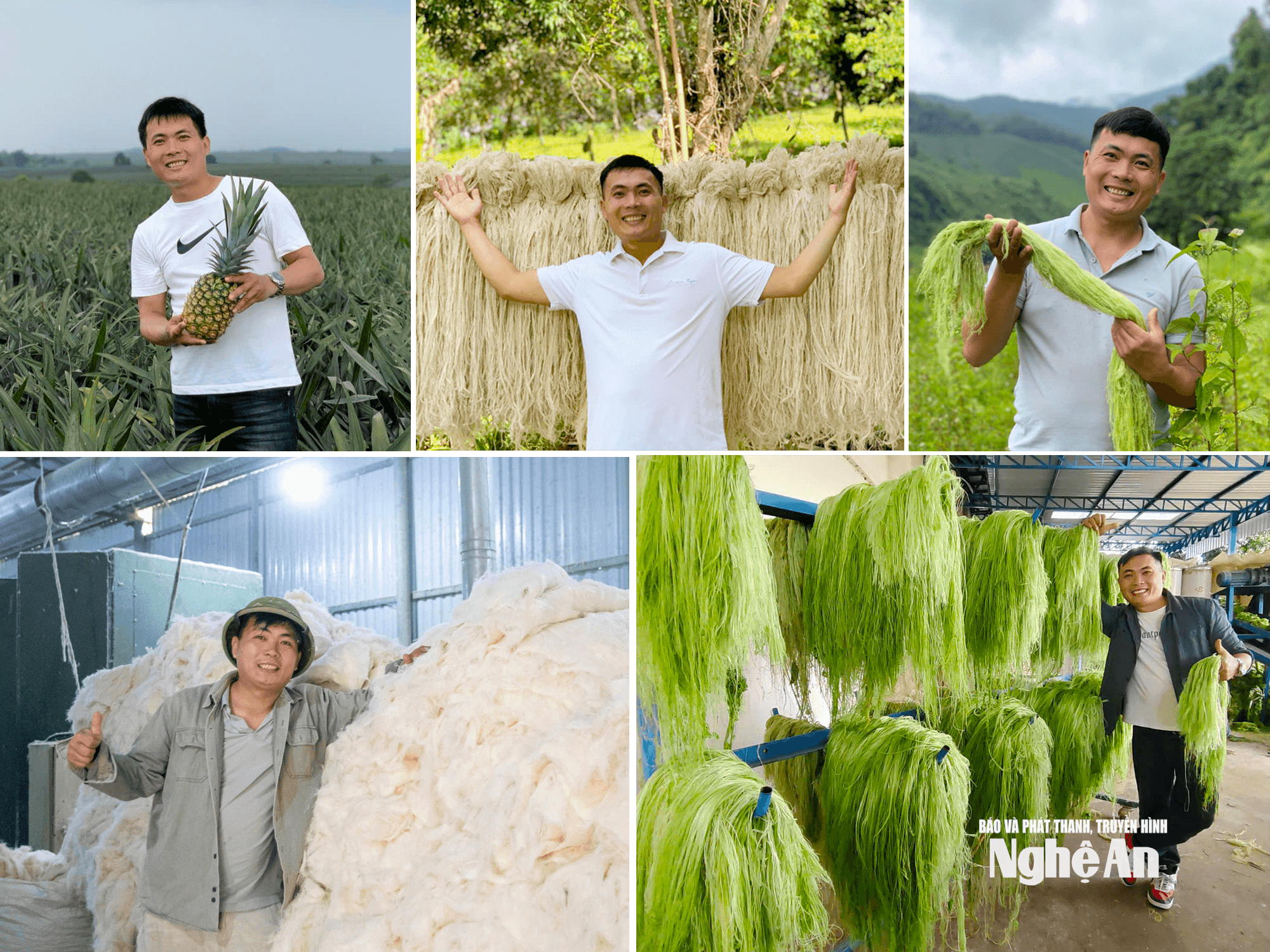
Eccentric engineer transforms discarded leaves into exportable goods.
For nearly six years, Dau Van Nam (born in 1992, Tan An commune) pursued his idea of transforming pandan leaves – discarded in the fields – into fabric and environmentally friendly products. He was often called eccentric. But even as his companions gradually left, he persevered with his choice, and that perseverance paid off...
Thanh Quynh /Present:Hong ToaiJune 26, 2026
*****
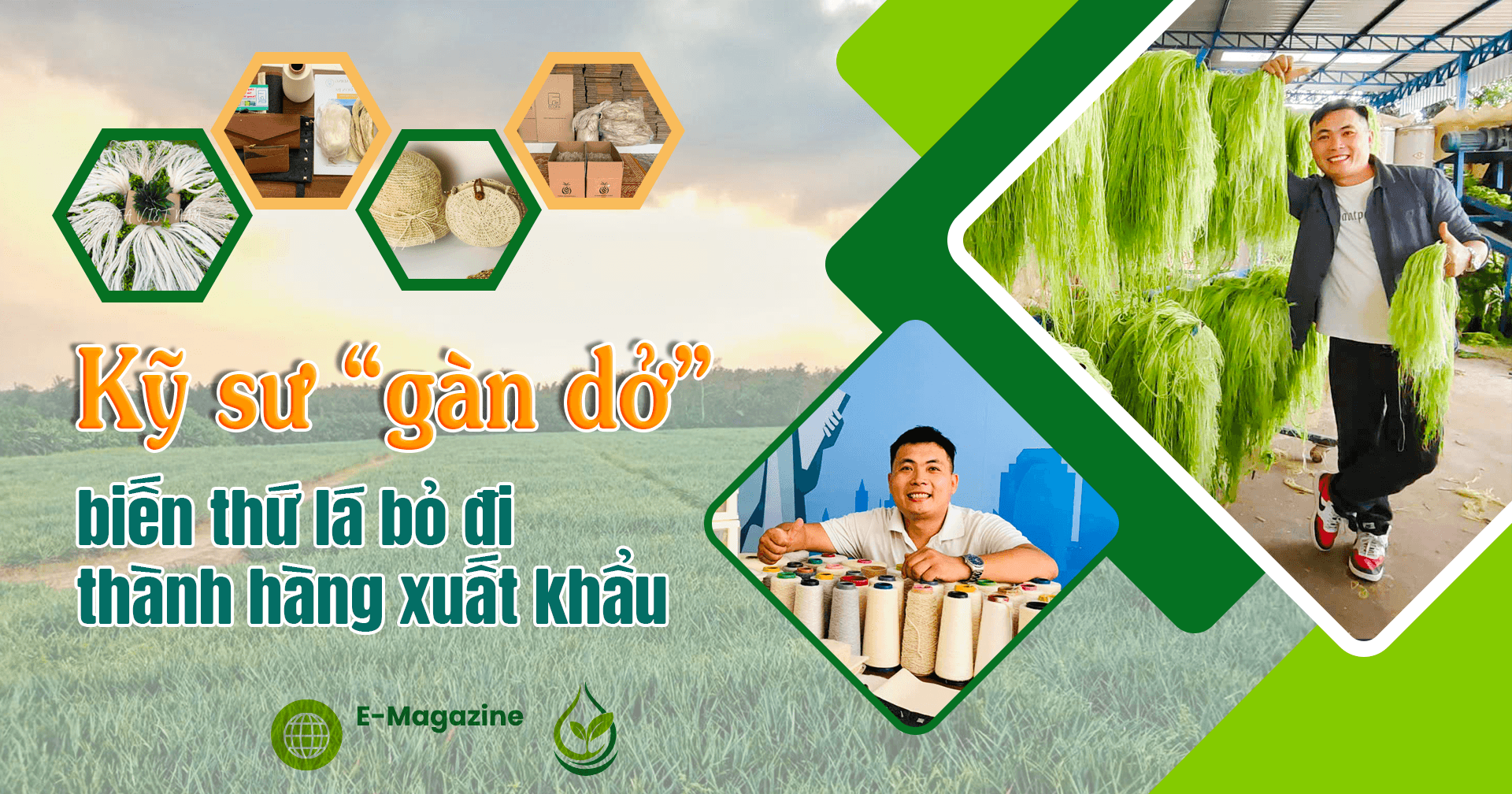
For nearly six years, Dau Van Nam (born in 1992, Tan An commune) pursued his idea of transforming pandan leaves – discarded in the fields – into fabric and environmentally friendly products. He was often called eccentric. But even as his companions gradually left, he persevered with his choice, and that perseverance paid off...

Many called it a crazy idea, because at the time Dau Van Nam conceived the idea of turning pineapple leaves into fabric, Vietnam had almost no models for exploiting this waste product to produce textile materials. Before dedicating himself to pineapple fields, Nam was one of the few outstanding graduates in Mechatronics Engineering from Hanoi University of Technology. After graduation, he went to Japan to work under a dispatch program, undertaking mechanical and machinery design for a partner company of Toyota. At that time, the young engineer had a promising career path with a stable income and a modern working environment.
.jpg)
However, a visit to a bar in Japan inadvertently marked a major turning point in his life.
That day, the bartender introduced Nam to Tequila, a famous Mexican liquor made from the agave plant (Blue agave, whose leaves closely resemble those of a pineapple). Curious, he learned that the plant's root is distilled into liquor, while its leaves are spun into fibers for the textile industry. This story left the young engineer pondering a question: Does Vietnam have a similar plant?
His quest for answers led him to the pineapple – a familiar plant found throughout Vietnam, from north to south. The more he researched, the more surprised Nam became to learn that in the Philippines, pineapple fibers have long been used to weave famous national costumes. Meanwhile, Vietnam possesses tens of thousands of hectares of pineapple plantations, but most of the pineapple leaves are discarded or burned in the fields after harvesting.
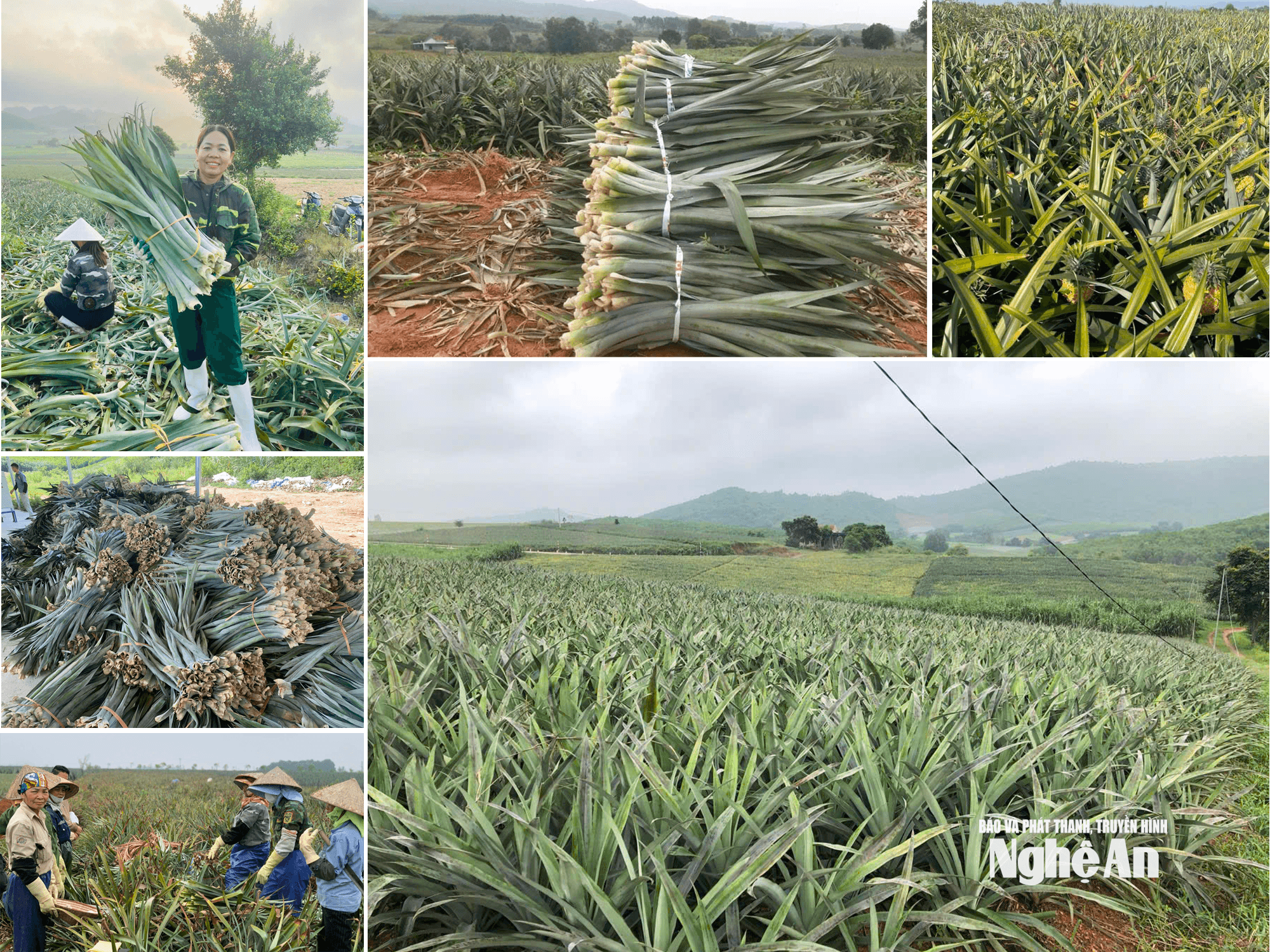
In the eyes of many, it's just worthless agricultural waste. But for Nam, it's a "sleeping gold mine." If the production process can be improved from manual to industrial, pineapple fiber could become a green material with high economic value, capable of participating in the global supply chain.
That idea grew stronger over the years and prompted him to make a decision that surprised many. In 2019, Nam returned to Ninh Binh to begin surveying the raw material area and researching the possibility of extracting fibers from pandan leaves. But just as he started, the Covid-19 pandemic struck, bringing almost all plans to a standstill.
That lull didn't deter the young engineer from pursuing his dream. In mid-2021, as life gradually returned to normal, Nam and three like-minded friends founded a business with the goal of utilizing leftover pandan leaves after each harvest to create sustainable fabric, increasing the value of Vietnamese agricultural products and contributing to reducing environmental pressure.
.jpg)
.jpg)
.jpg)
Back then, many people called it a crazy idea. But for Nam, it was simply the belief that within discarded things there always exist undiscovered values. And sometimes, to see those values, one needs enough perseverance to see their dream through to the end.
.png)
Dau Van Nam's journey of transforming discarded pineapple leaves from the fields into green materials has been fraught with challenges.
From the very beginning, the raw material problem has been a major challenge. To produce pineapple fiber, the company had to build a supply chain with farmers. However, unresolved concerns always existed between the business and the farmers. Farmers worried about unstable output and fluctuating purchase prices. Conversely, the business was apprehensive about the risk of supply disruptions when the market fluctuated.
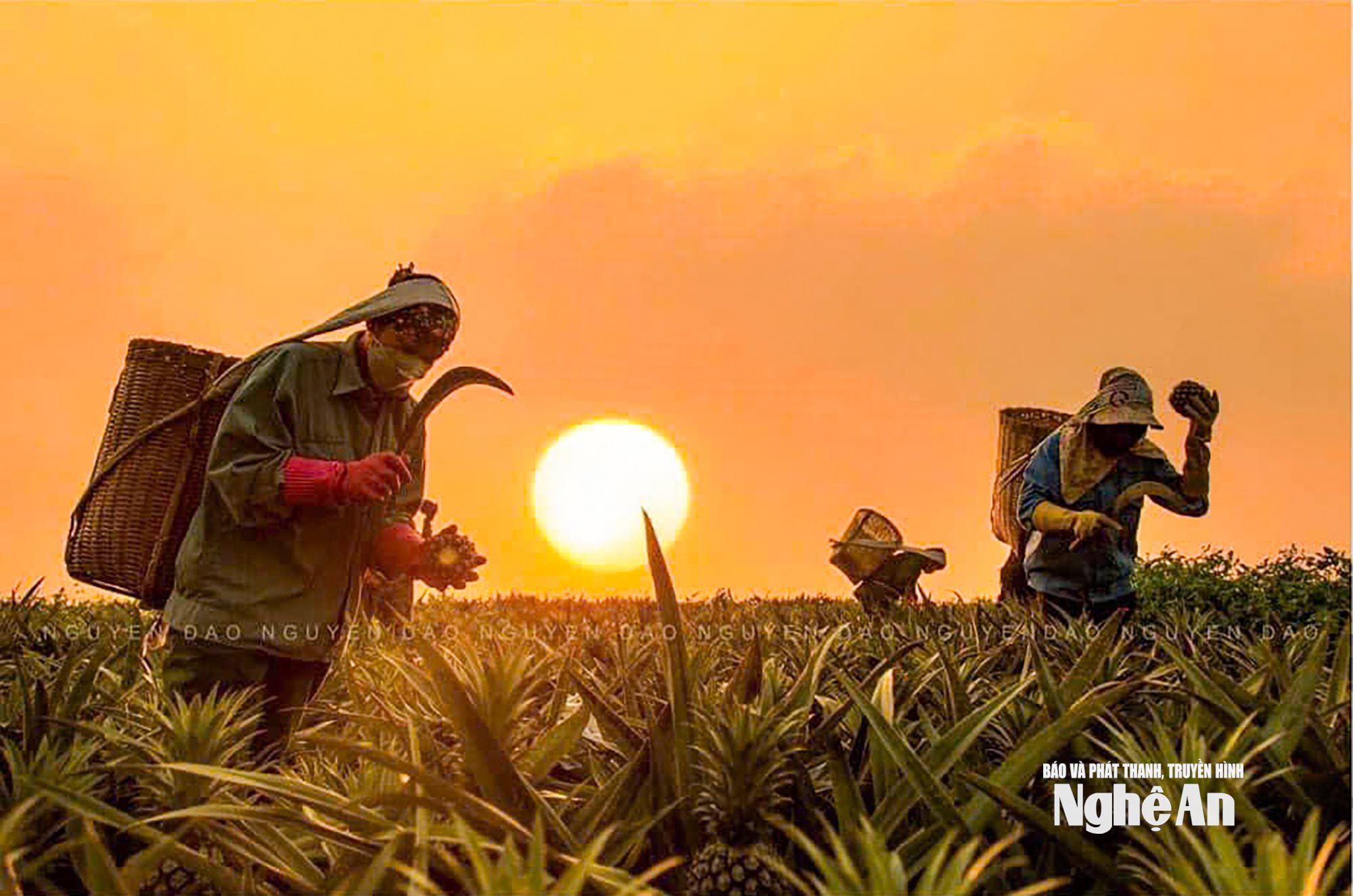
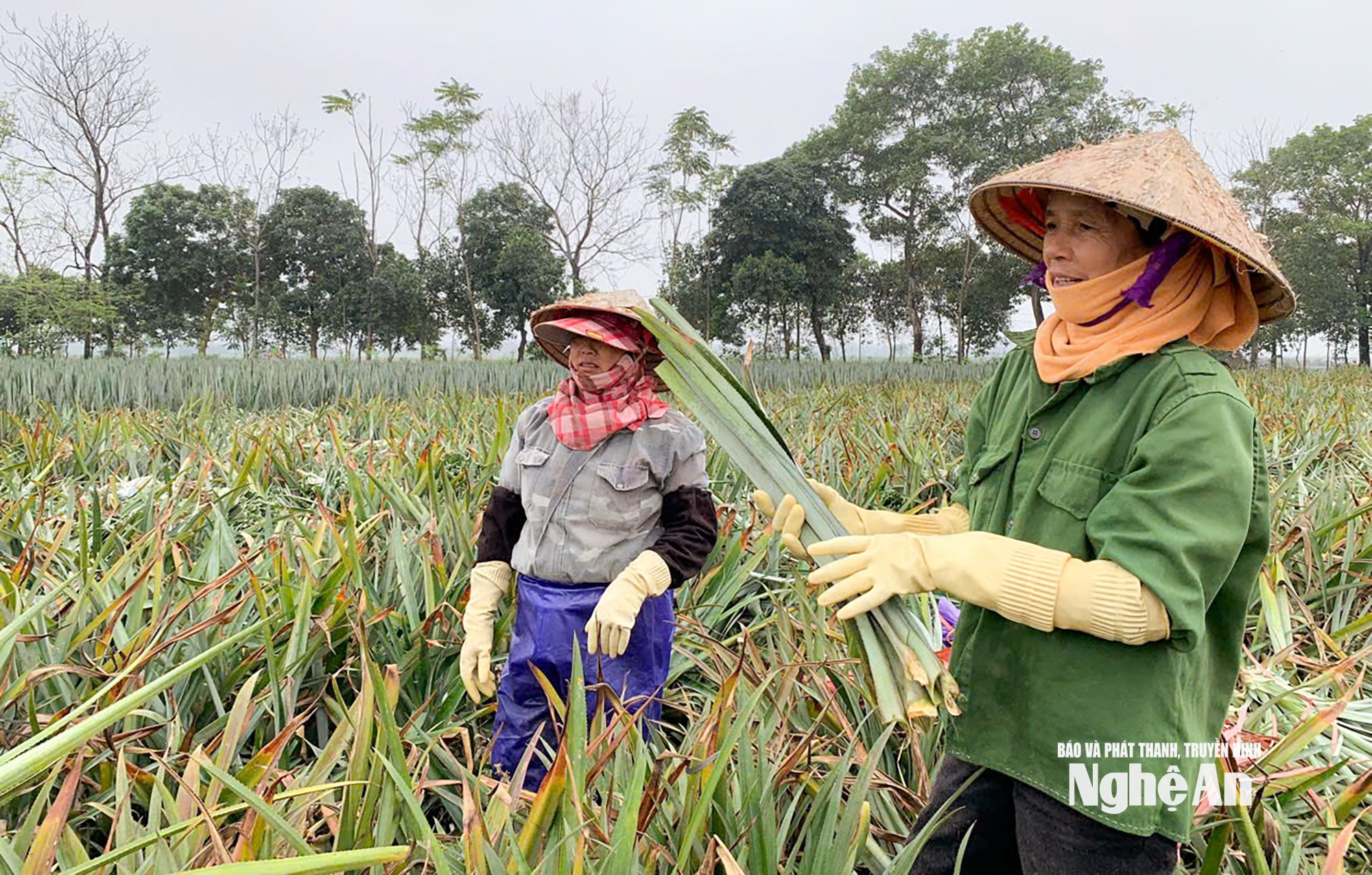
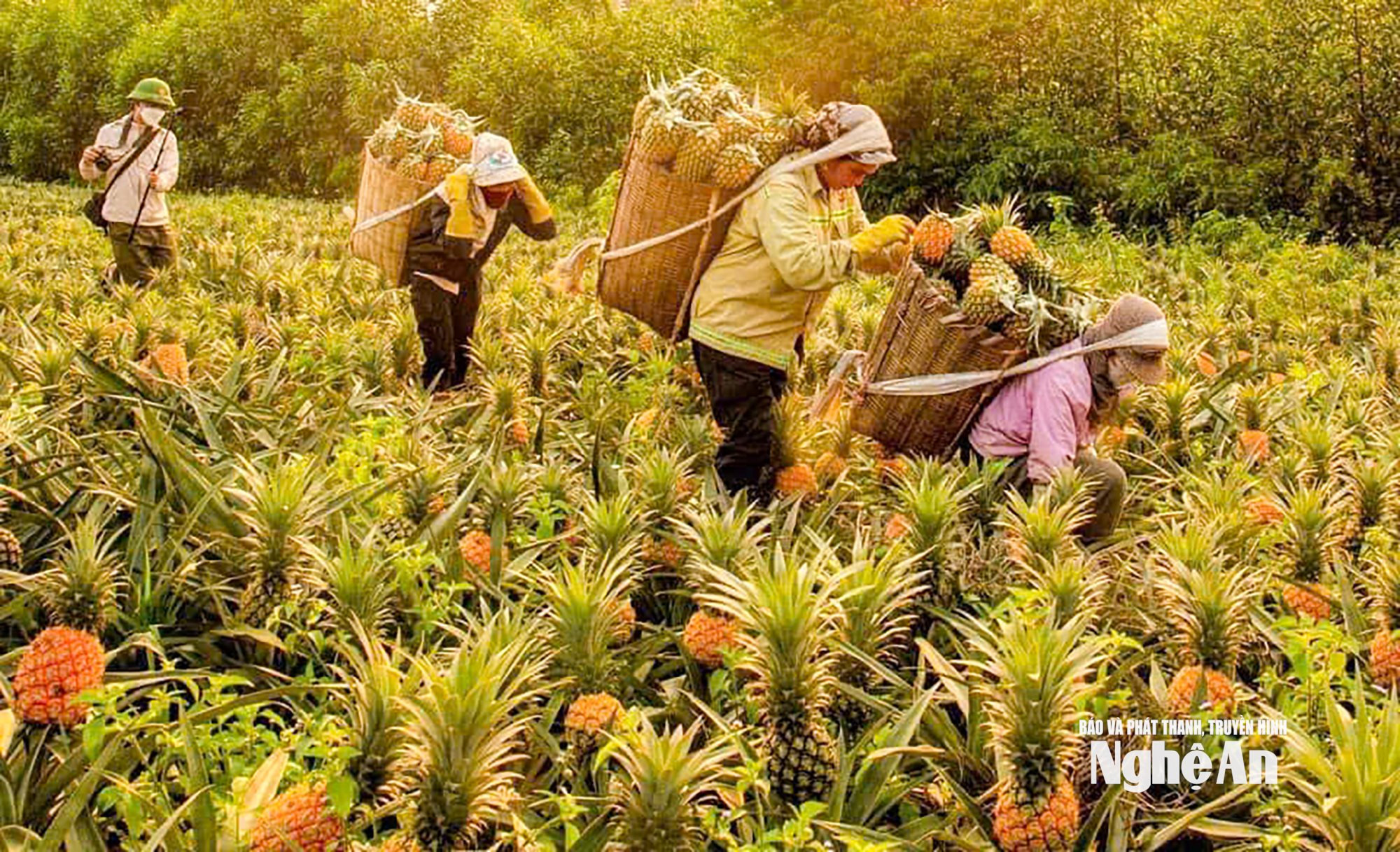
Although it's just an agricultural byproduct, collecting pandan leaves is not as simple as many people think. In the early days, the company hired local people to harvest the raw materials, but the yield was very low because they were unfamiliar with the process. To produce just 1.8 - 2 kg of finished pandan fiber, they had to process up to 100 kg of fresh leaves. Each shipment of raw materials and each processing stage required a lot of labor, time, and appropriate equipment.
Difficulties piled upon difficulties as the technology at that time offered few models to learn from. Even in more advanced countries like the Philippines and Bangladesh, pineapple fiber production still relied mainly on semi-automatic equipment, resulting in low productivity and quality heavily dependent on the skill of the workers.
Another challenge was the market. The first samples of pineapple fiber, after completion, received interest from many partners, but there was a huge gap between that interest and an actual order. Customers wanted to see stability in quality, production volume, and long-term supply. Meanwhile, Nam's fledgling business was still struggling in its early stages.
Time passed. One year. Two years. Then almost three years. The project generated absolutely no revenue. No orders. Colleagues left one by one, losing faith in the project's future. Even Nam himself sometimes fell into moments of self-doubt. But after all, he decided to stay, believing that value only emerges for those who persevere to the very end.
.png)
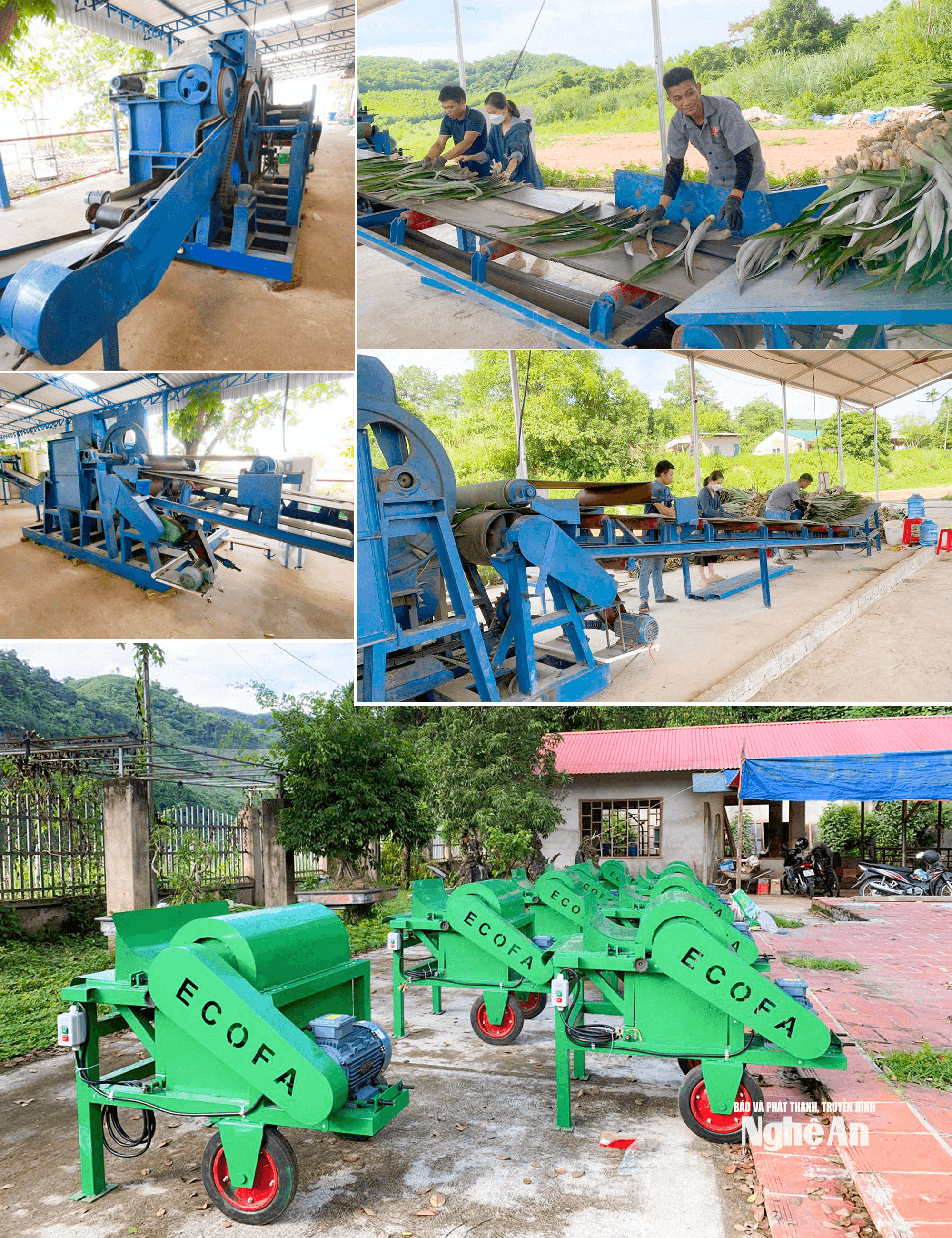
Applying the knowledge accumulated from his years of study at Hanoi University of Science and Technology along with his work experience in Japan, in early 2022, Dau Van Nam began researching an automated pineapple fiber separation system. Dozens of trials, adjustments, and further testing continued in his small workshop. By June 2022, the first prototype of the automated pineapple fiber separation machine was officially launched.
Instead of relying on manual labor as before, the process has now been streamlined into a closed-loop system. Along with technological improvements, the company also changed its approach to raw material sourcing by deciding to partner with cooperatives in pineapple-growing regions, organizing the procurement and transportation of raw materials centrally to the factory for processing. These two pivotal changes helped Nam and his colleagues overcome the biggest hurdle in the early days of their startup.
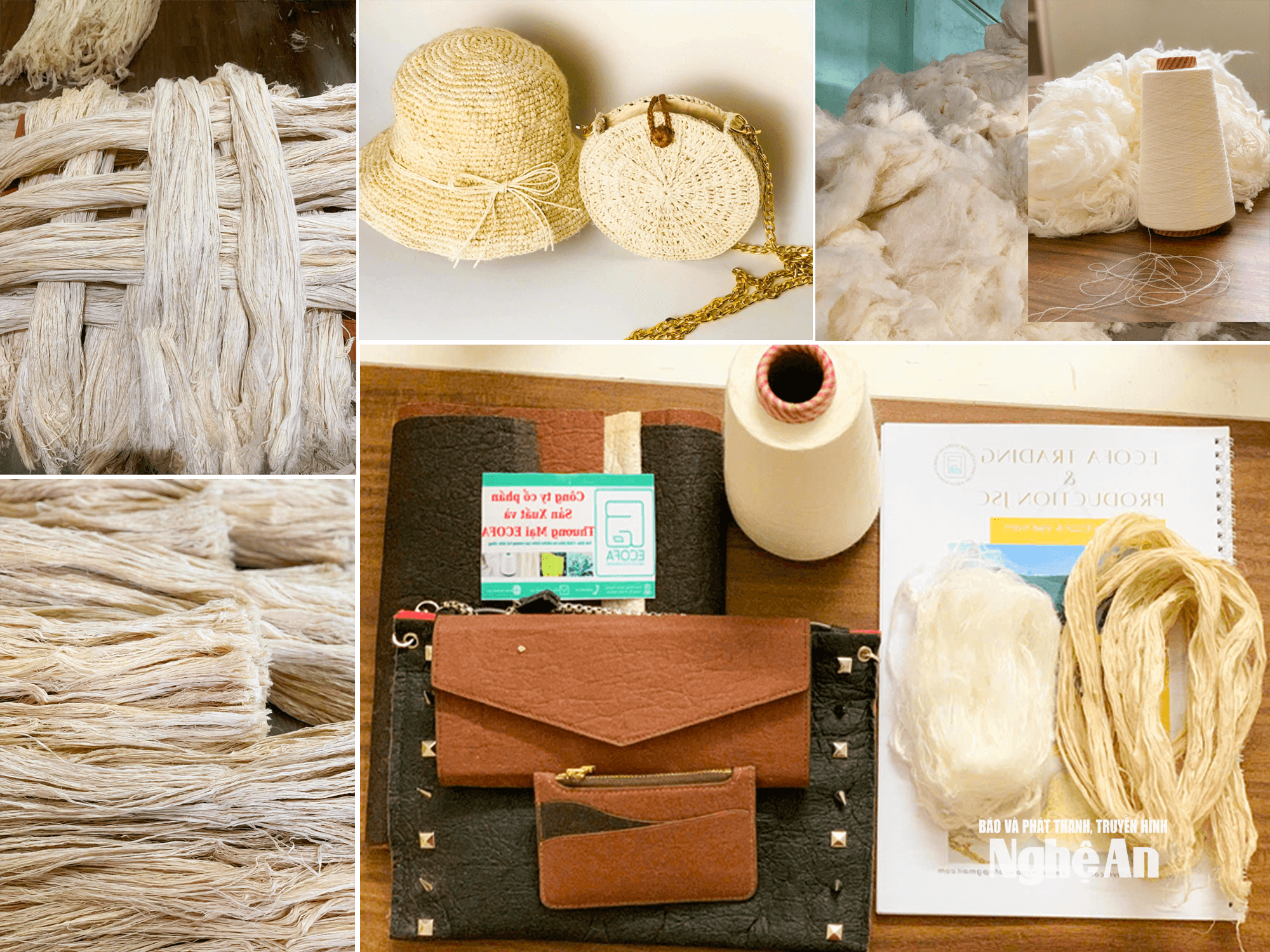
Besides producing pineapple fiber, the remaining pulp after fiber separation is used to produce animal feed and organic fertilizer. Dust and impurities generated during fiber processing are further utilized as a substrate for mushroom cultivation. To date, the company has developed more than 10 different products serving the textile, agriculture, and biomaterials sectors.
Not only did Nam find a foothold in the domestic market, but his first rolls of pineapple fiber were also woven into fabric and exported to Japan. Nam's project has also been continuously honored at numerous competitions and awards for innovation and green entrepreneurship.
Looking back on his journey, Nam shared: “I think everyone has the right to pursue their own dreams. Others might consider it crazy, but if you are persistent enough and constantly improve it, then eventually that idea will find its place…”