
Techniques for photographing sunrise landscapes: Optimizing equipment and controlling parameters in depth.
Discover how to master the morning light through lens selection, filter usage, and white balance adjustments to create stunning landscape photographs.
Landscape photography at sunrise is always a challenge that requires careful preparation in terms of both time and equipment. To capture the vibrant colors, photographers need a well-planned movement strategy and a mastery of lighting techniques in high-contrast conditions.
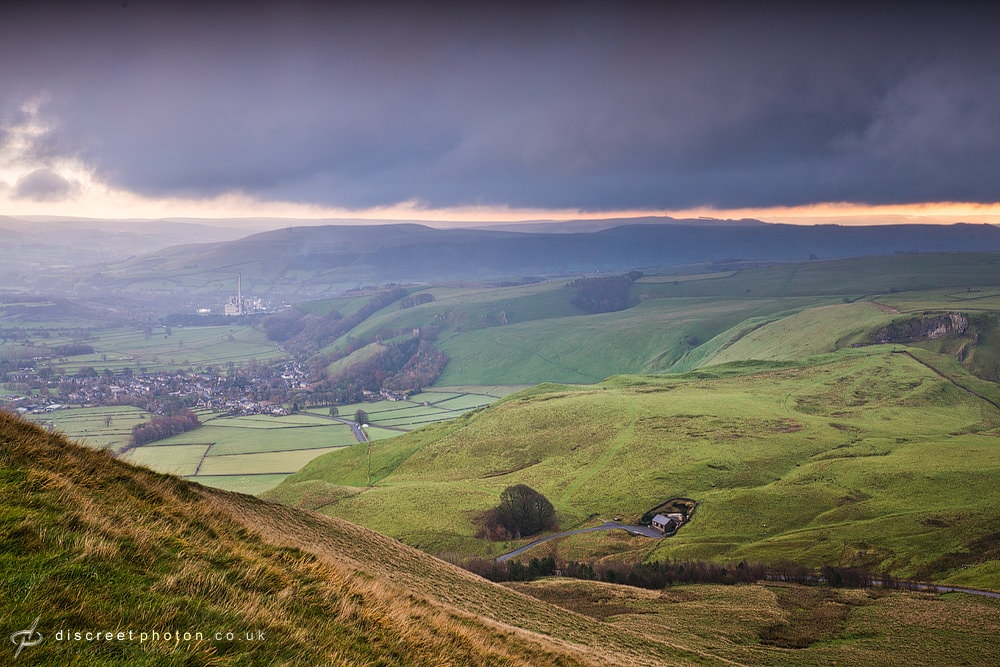
Equip yourself with specialized equipment for landscape photography.
Choosing the right equipment is the first step to ensuring image quality in low-light conditions. A sturdy tripod is indispensable to prevent blurring from camera shake during long exposures.
Choosing lenses and filters
Wide-angle lenses are a top priority for capturing the grandeur of space, while telephoto lenses help to condense small details and create cohesion between elements in the environment. Additionally, the use of filters helps to address issues of light variations.
| Filter type | Main uses |
|---|---|
| GND (Graduated ND) filter | Balance the brightness when the sky is brighter than the ground. |
| Polarizer filters | Reduce glare and intensify the blue color of the sky. |
| ND (Neutral Density) Filter | Supports long exposure for a smoothing effect. |
Optimize camera settings and lighting techniques.
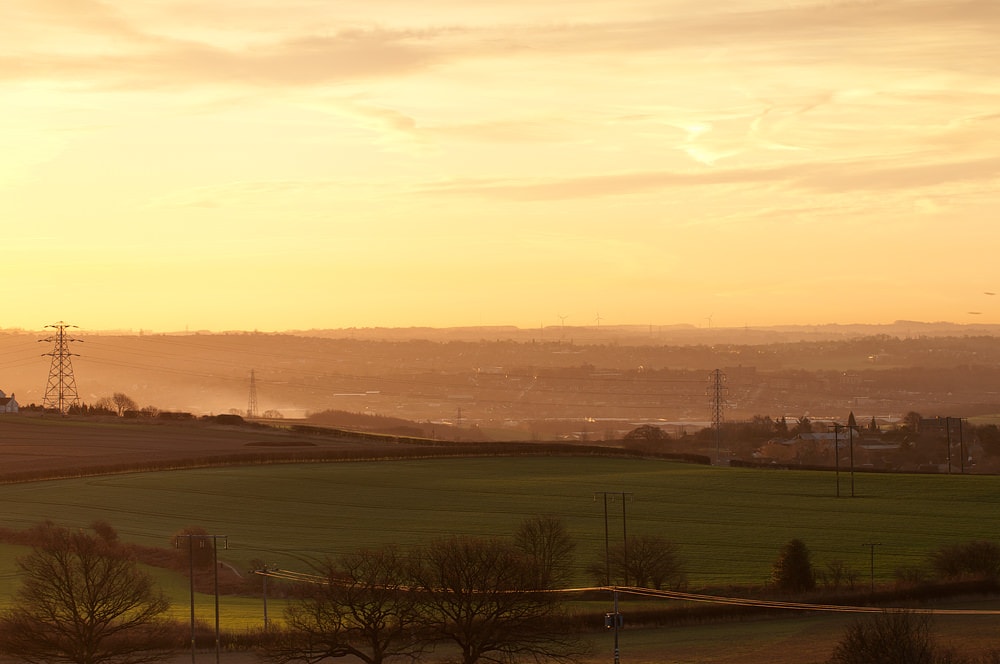
Morning light typically has a cool tone. To add warmth to the image, photographers can adjust the white balance setting to Cloudy or Shade. This helps accurately recreate the warm feeling of the first rays of sunlight.
Metering and exposure techniques
In complex lighting conditions, cameras often struggle to determine the precise exposure level. Bracketing techniques or using spot metering on the sun will help control detail better. In particular, using LiveView mode not only helps with accurate composition but also protects the eyes from direct sunlight when looking through the optical viewfinder.
Ultimately, instead of standing still, actively moving around to find new angles will give the photo depth and uniqueness. Planning a specific route based on the local sunrise time is a key factor in the success of the photoshoot.


