
Expectations for a boost in the development of medicinal plants in Nghe An.
In order to rapidly develop medicinal plants, the Standing Committee of the Nghe An Provincial Party Committee issued a decision to establish the Steering Committee for the Development of Medicinal Plants in Nghe An Province for the period 2026 - 2030.
According to data from the Department of Agriculture and Environment of Nghe An province, by 2024, the entire province will have 1,485,456 hectares of agricultural land (accounting for 90.1% of the province's natural area), of which 973,012 hectares are forested, 26,764 hectares are newly planted forests, 108,142 hectares are rice paddy land, over 94,738 hectares are land for perennial crops, and 89,816 hectares are land for other annual crops...
In the list of 100 medicinal plants with high medical and economic value published by the Ministry of Health, Nghe An province has the potential to cultivate plants such as *Ba Kich* (Radix Polygoni multiflori), ginseng, mint, dandelion, yam, yellow chrysanthemum, *Dendrobium nobile*, *Cynanchum auriculatum*, *Cynanchum stauntonii*, *Cassia tora*, *Polygonum multiflorum*, lotus, *Dinh Lang* (Centella asiatica), *Thao Quyet Minh* (Cassia obtusifolia), gac fruit, lemongrass, cinnamon, *Hoe* (Sophora japonica), *Lac Tien* (Passiflora incarnata), turmeric, ginger, *Xa Den* (Radix Polygoni multiflori), perilla, basil, reishi mushroom, *Giao Co Lam* (Gynostemma pentaphyllum), *Tam That Bac* (Panax notoginseng), and mugwort...
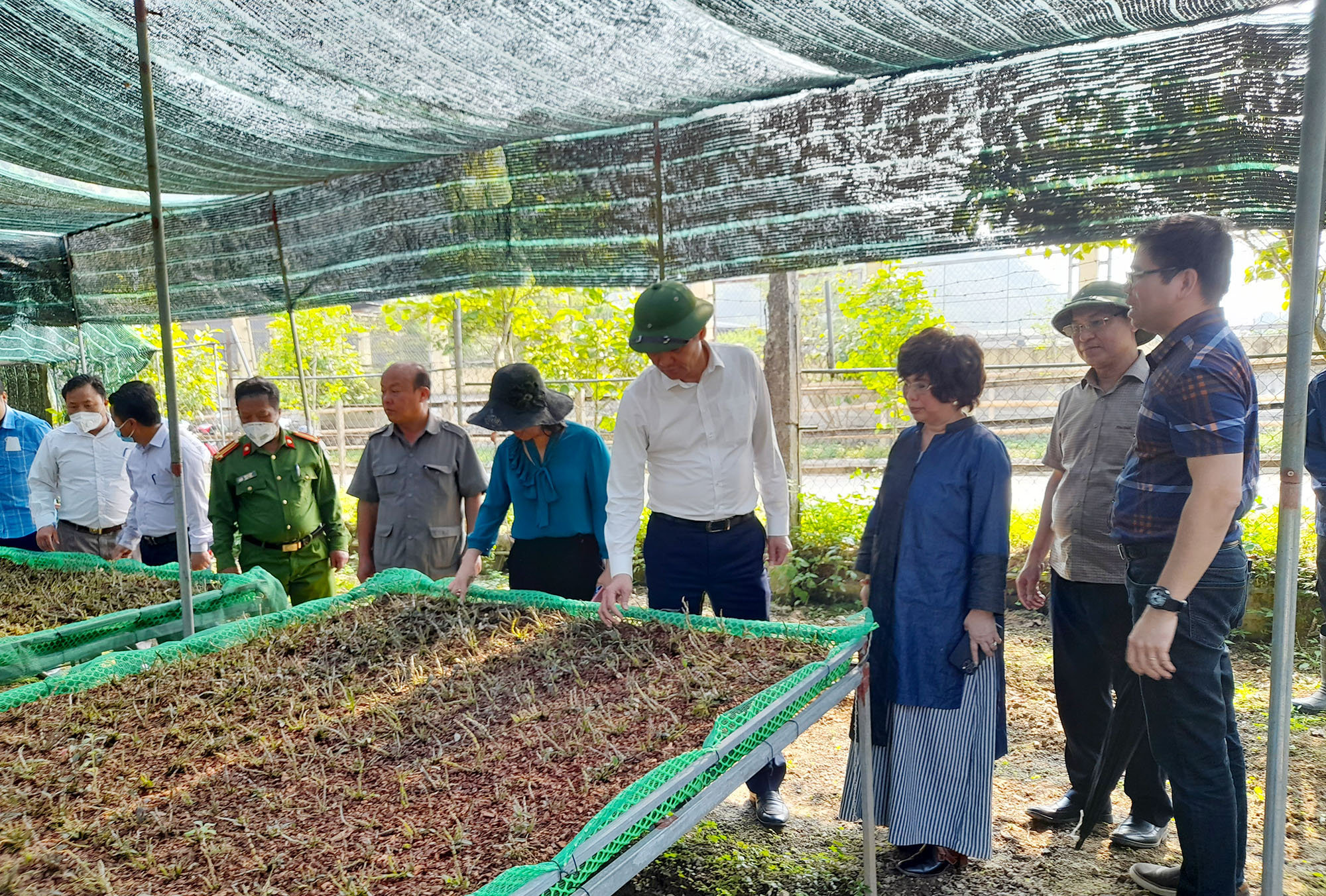
According to data from the Nghe An Provincial Cooperative Union, by 2025, the total area of medicinal plants in the province will reach approximately 3,180 hectares, mainly concentrated in mountainous and midland areas. Some key medicinal plants include ginger (about 988 hectares), lemongrass (842 hectares), turmeric (503 hectares), cinnamon (over 500 hectares), Silybum marianum (over 103 hectares), and Artemisia vulgaris (about 109 hectares)... Of this, about 1,450 hectares are under organized production and linked through cooperatives, cooperative groups, and models of cooperation with businesses.
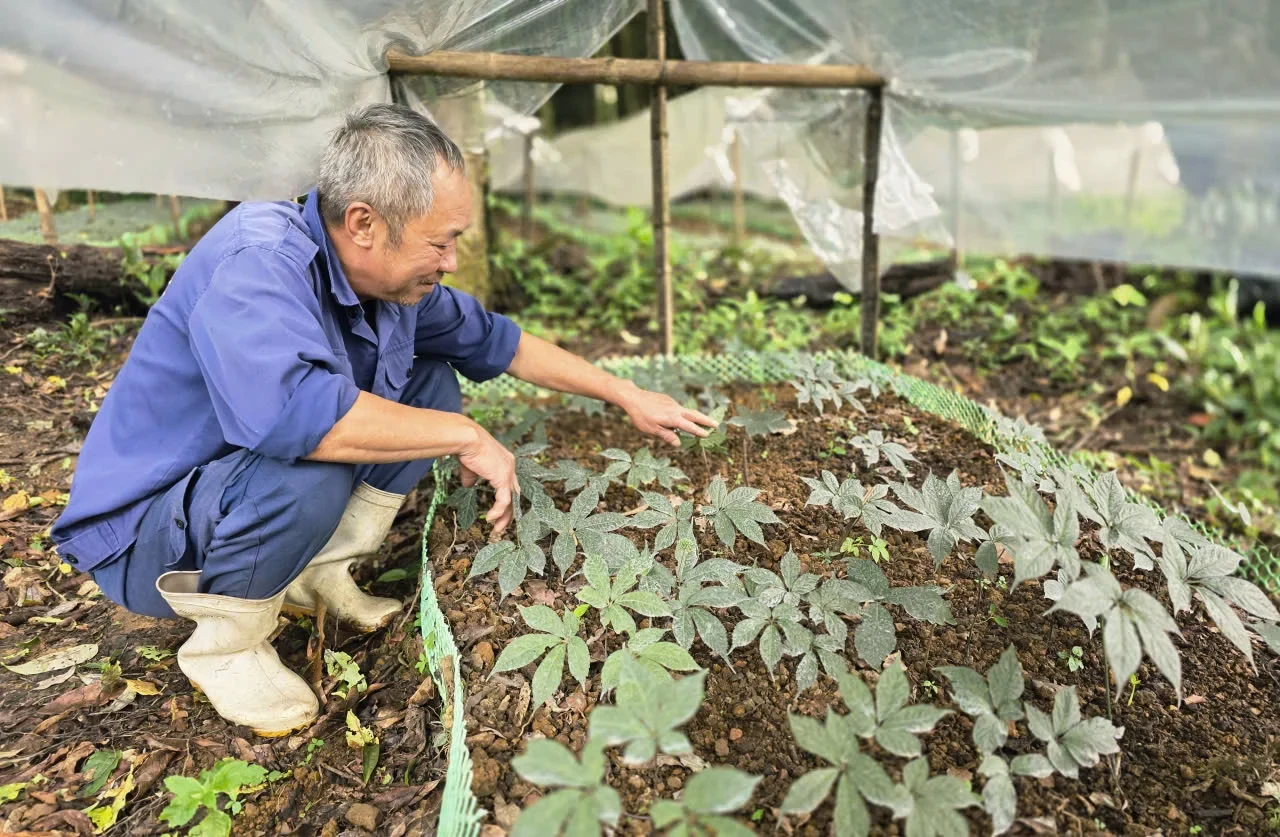
Currently, the province has over 40 cooperatives and approximately 75 cooperative groups operating in the field of medicinal herbs. These cooperatives are gradually taking on the role of gathering households, building raw material areas, supplying seeds and materials, providing technical guidance, preliminary processing, processing, and connecting product consumption.
The products manufactured are very diverse, including teas made from milk thistle, Gynostemma pentaphyllum, Gymnema sylvestre extract, Centella asiatica extract, turmeric starch, turmeric and honey capsules, turmeric and Panax notoginseng capsules, kudzu powder, perilla extract, perilla body wash, lemongrass oil, basil oil, wild bitter melon, reishi mushroom, Gynostemma pentaphyllum, lotus seeds, lotus heart, Sophora japonica, Artemisia capillaris, etc.
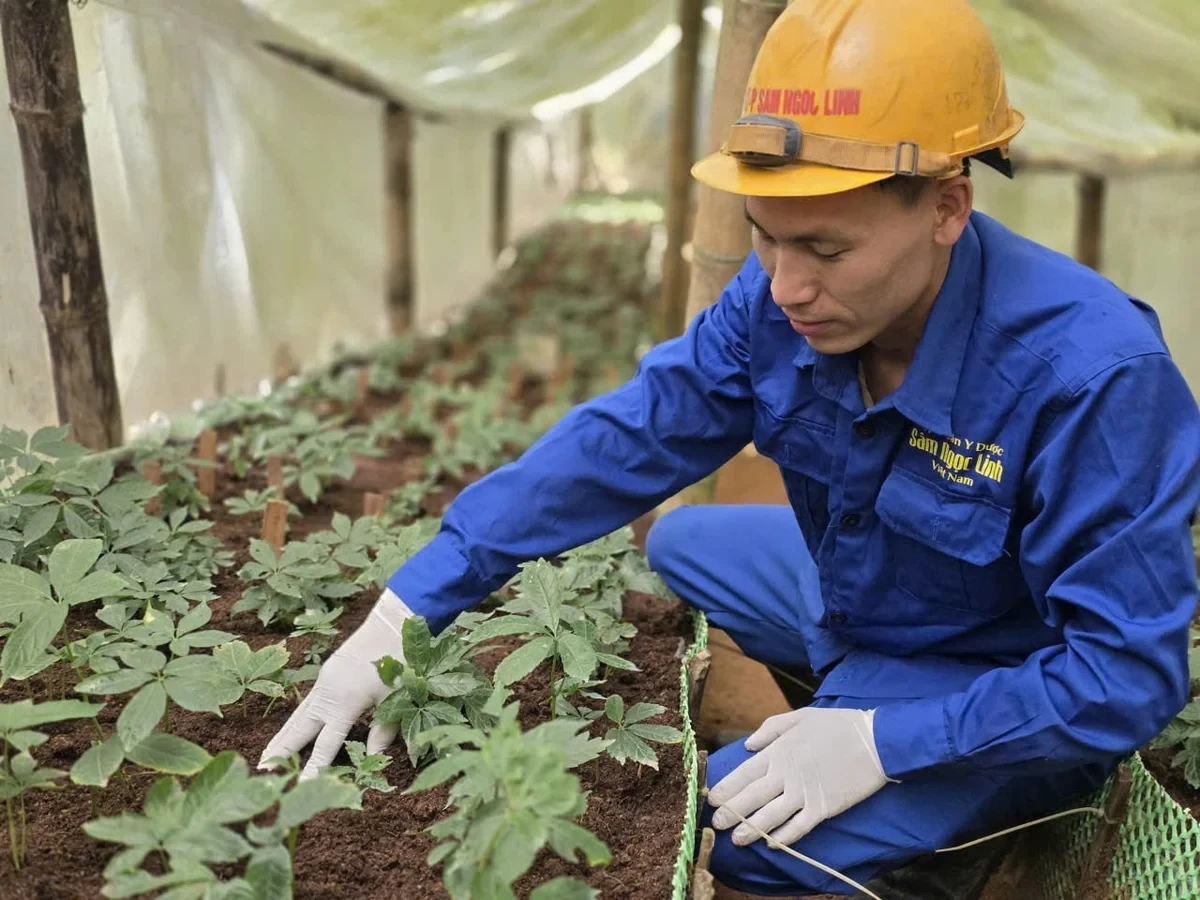
Currently, nearly 200 medicinal herb product lines from cooperatives have received OCOP certification with 3 stars or higher. In addition to cooperatives and cooperative groups, several businesses have invested in the production of medicinal herbs, such as Pù Mát Medicinal Herb Joint Stock Company, Mường Lống Medicinal Herb Joint Stock Company, and Vietnam Ngoc Linh Ginseng Pharmaceutical Group Joint Stock Company.
However, businesses and cooperatives mainly produce and trade medicinal plants on a small scale, with simple processing equipment and technology, low output, and have not encouraged many farmers to participate in growing raw materials, so the efficiency of production and business is not high.
To promote the rapid development of medicinal plants, on June 26, 2026, the Standing Committee of the Nghe An Provincial Party Committee issued Decision No. 980-QD/TU establishing the Steering Committee for the Development of Medicinal Plants in Nghe An Province for the period 2026-2030, with a vision to 2045. The Steering Committee is chaired by the Deputy Secretary of the Provincial Party Committee, with three Vice-Chairmen: the Vice-Chairman of the Provincial People's Committee, the Director of the Department of Agriculture and Environment, the Director of the Department of Health, along with the heads of several functional departments and agencies, and 56 Party Committee secretaries and 56 chairmen of commune People's Committees.
Medicinal plants require strict seed selection, cultivation techniques, and harvesting methods, thus necessitating enhanced agricultural extension services, training, and guidance for growers. The biggest challenge currently facing the locality is the lack of strong investors and businesses to build large-scale processing plants capable of deep processing and creating branded products for domestic and international consumption. This would allow them to purchase all raw materials at reasonable prices, contributing to job creation and improving the lives of local farmers.
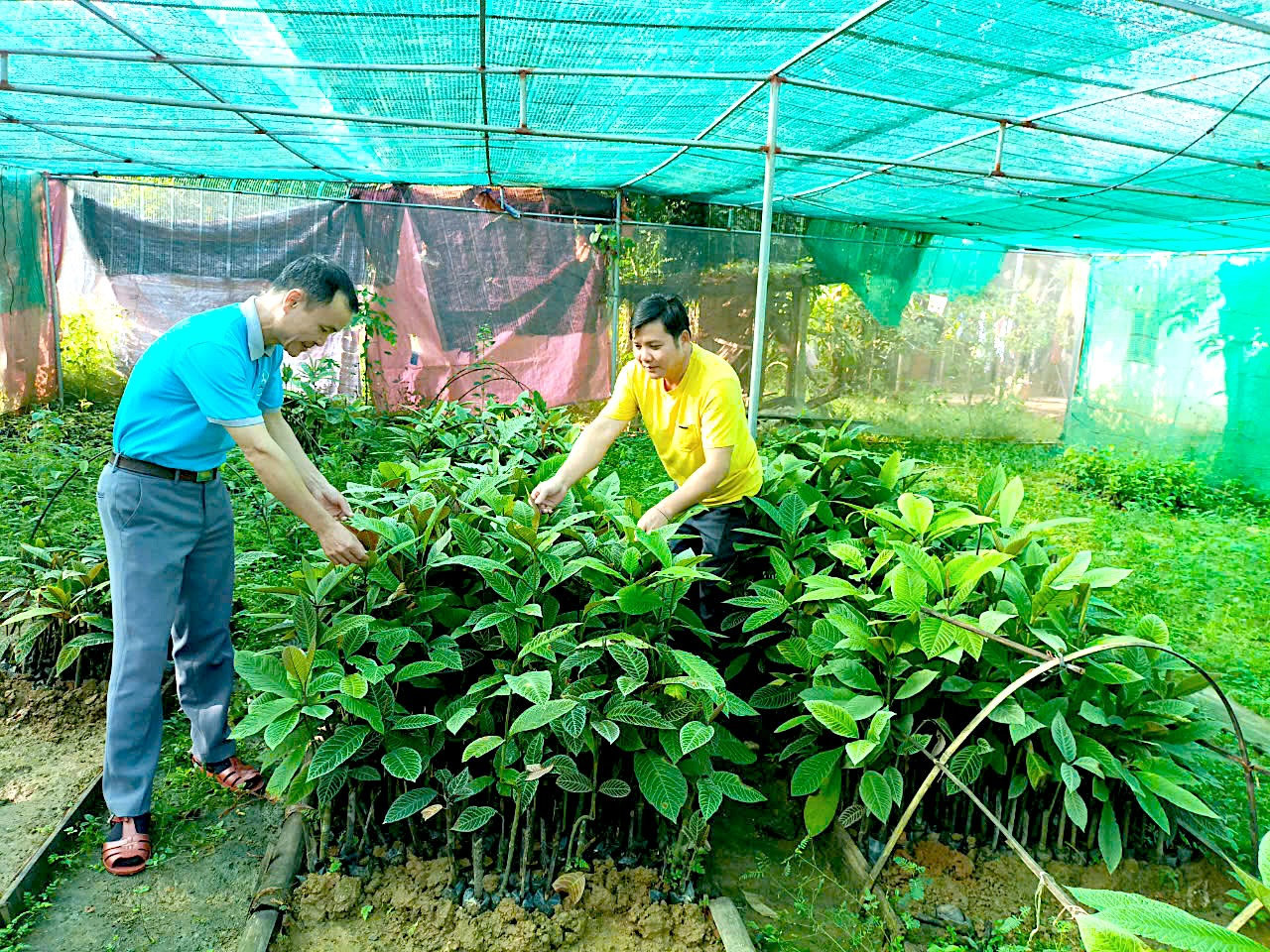
Deeply aware that medicinal plants are both raw materials for the production of various traditional Vietnamese and Chinese medicines, contributing to the care and treatment of diseases for the people, and important raw materials for the processing industries of fragrances, cosmetics, functional foods, and cuisine, and that they are the most economically efficient crops compared to other existing crops on the same unit of land and contribute to the development of ecotourism, the Party committees and authorities at all levels of the province have led and directed their development very decisively.
We are confident that the area under medicinal plant cultivation will be expanded and intensively cultivated to increase productivity in the coming time, making an important contribution to supplying raw materials for the province's pharmaceutical industry.
Nghe An is one of the provinces with a large area of land suitable for developing medicinal plants as raw materials for the pharmaceutical industry. Medicinal plants in Nghe An can be grown on sandy loam soil along the coast, in the midland and mountainous regions, and even under the canopy of primary forests and planted forests in conjunction with forest protection.


