
Expectations for a breakthrough from the new phase of the Project for the Development of Key Crops and Livestock.
On July 3rd, the People's Committee of Nghe An province issued Decision No. 2948/QD-UBND approving the Project for the Development of Key Crops and Livestock (referred to as key crops and livestock) linked with processing, preservation, and value chain integration until 2030, with a vision to 2045. Compared to previous projects, this project has integrated many programs and projects and includes additional points to create a strong leverage to elevate the province's agriculture to a new level.
Key new features
Cassava has become one of the nine main crops:One of the new features of the Key Crops and Livestock Project for the period 2026-2030, with a vision to 2045, is the review and streamlining of the project compared to the previous period, focusing on approximately 20 crops and livestock. Specifically, this phase of the project unanimously selects 9 key crops including: rice, cassava for raw materials, sugarcane for raw materials, vegetables, tubers, fruits, industrial tea, oranges, pineapples, medicinal plants, and timber for raw materials; and 6 key livestock: pigs, poultry, beef cattle, dairy cattle, shrimp, and fish.
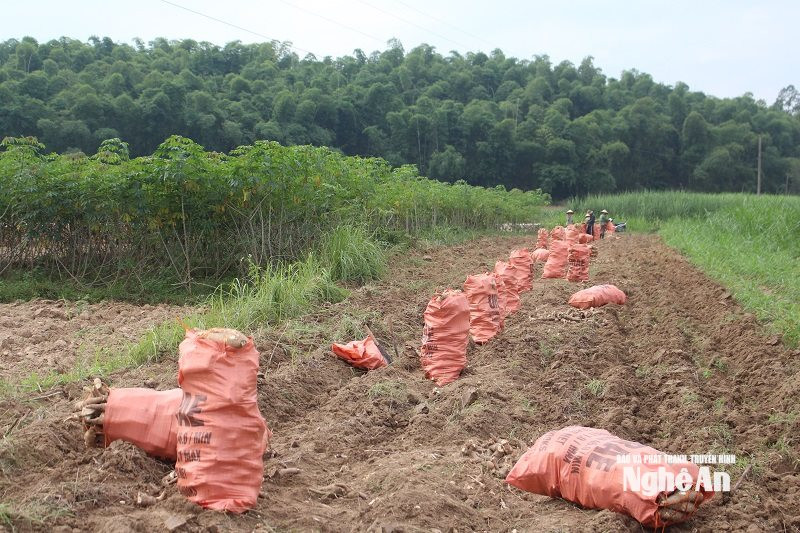
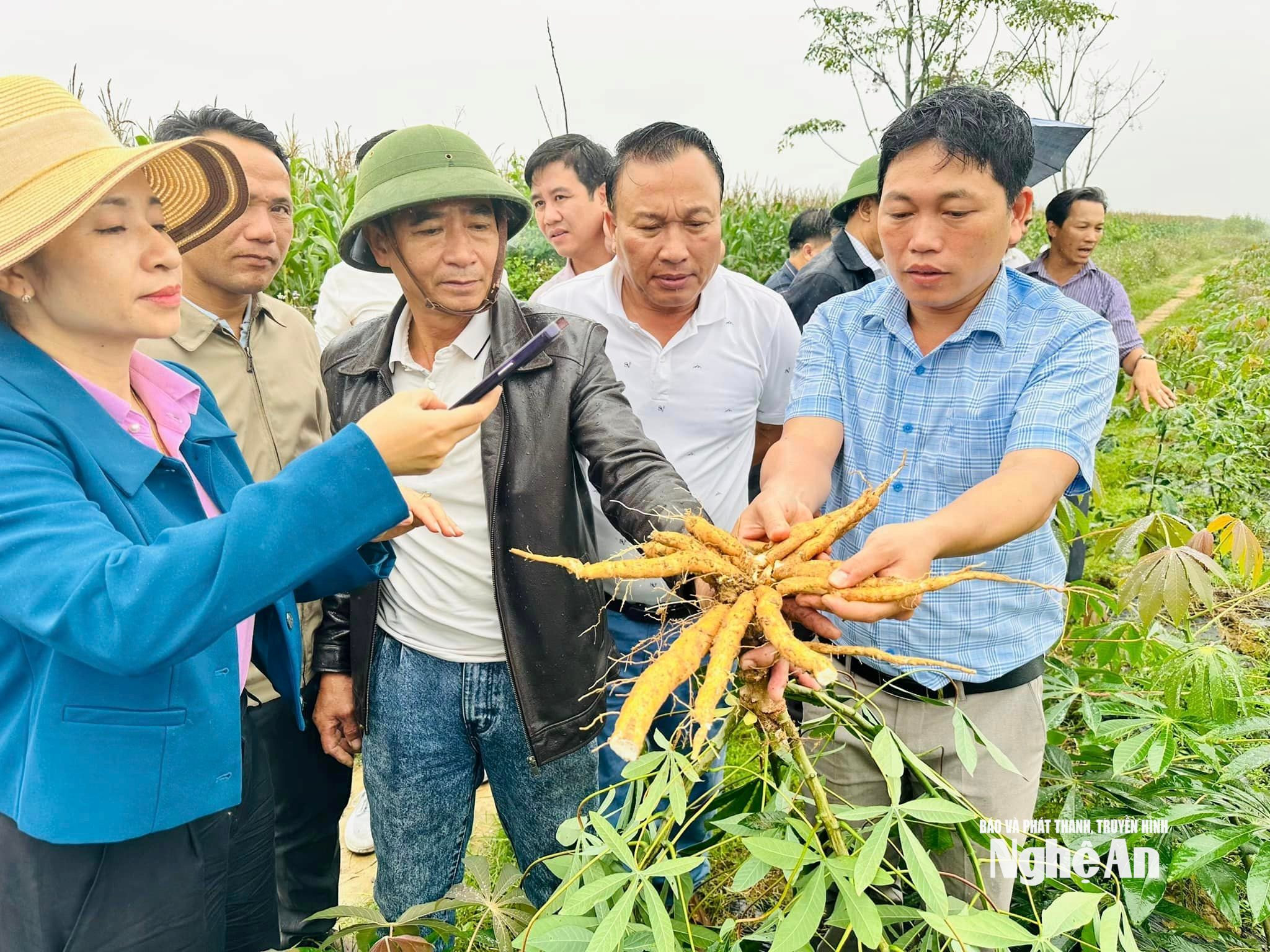
Engineer Nguyen Van Cong - Project Manager of the Provincial Agricultural and Irrigation Planning Team - shared: In addition to continuing with previous key crops such as rice, sugarcane, tea, oranges, vegetables, and fruits, one of the new key crops is cassava. The reason the province introduced cassava is because cassava in Nghe An has enormous potential, with annual exports bringing in nearly 130 million USD. With an area of nearly 10,000 hectares, cassava has been and continues to be a key export item of the province. Currently, processed products from cassava are also becoming increasingly diverse, from extraction into sugar, starch, and bioethanol, thus increasing their value.
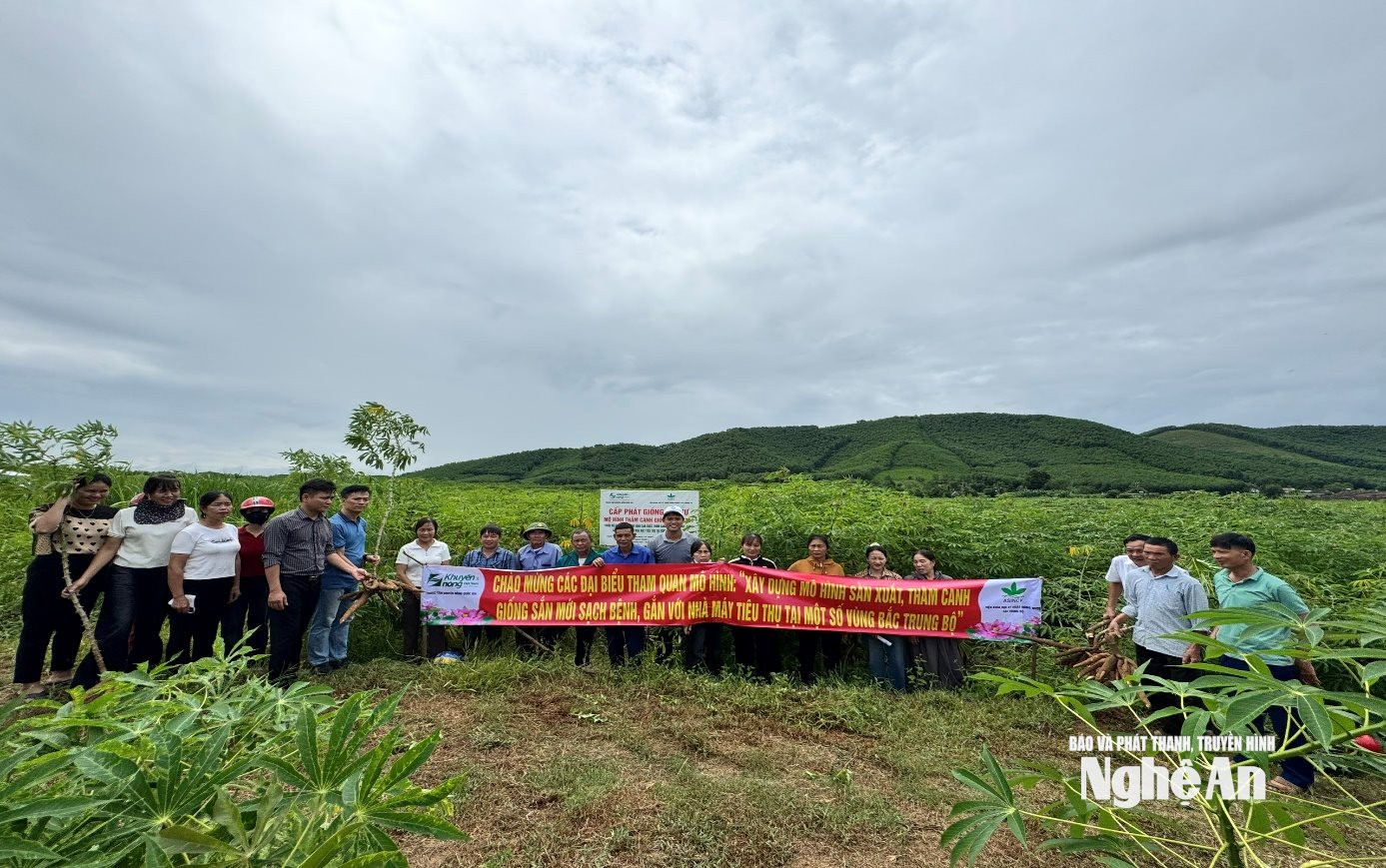
Annually, the production of fresh cassava tubers ranges from 250,000 to 270,000 tons, which are purchased and processed by three relatively large-capacity processing plants in Dai Dong, Nghia Loc, and Vinh Tuong communes. According to this plan, the province will implement support policies to expand the cultivated area in communes near the plants, aiming to reach 12,000 hectares by 2030. Simultaneously, the province is urging units such as the Provincial Agricultural Extension Center to strengthen coordination with key cassava-growing areas to invest in improving seed quality to reduce pests and diseases, and to apply scientific and technical methods for intercropping to maximize efficiency. Currently, with an average yield of approximately 27-20 tons/ha, each hectare of cassava generates an income of 55-60 million VND.
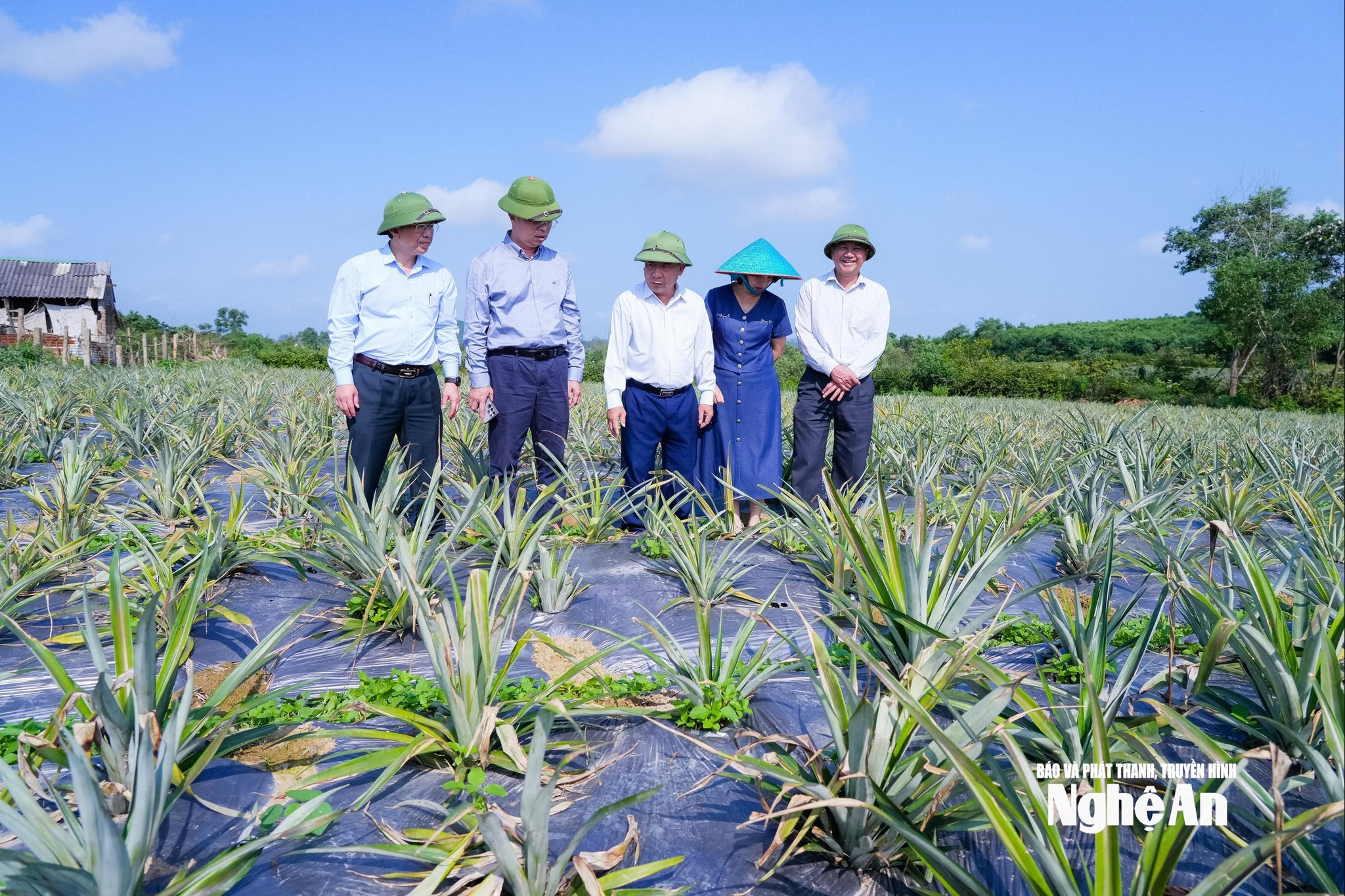
Increase investment in pineapple cultivation:Although pineapples have been a key crop since the early days, the province has only recently shown real interest with decisive and specific directives issued since the end of 2025. According to the plan, pineapple growers following the plan will receive financial support for land preparation, seeds, and irrigation investment as per Resolution 34/NQ. The Provincial People's Committee will also provide support in key pineapple growing areas under the cooperation program between the Provincial People's Committee and Dong Giao Export Food Joint Stock Company (Ninh Binh).
Following a survey, the province directed local authorities to switch from other crops to pineapple cultivation according to the province's plan. In return, in 2026, Dong Giao Export Food Joint Stock Company will begin construction of a processing plant and commit to purchasing pineapples from the farmers.
Mr. Ngo Duc Quynh, Director of the Nghe An Agricultural Seed Center, said: While other agricultural products face difficulties in finding markets, pineapples, with their drought-resistant characteristics, are very suitable for the soil of Nghe An. Currently, the demand for pineapple products from European countries, South Korea, the Middle East, etc., is very high, so the export potential is great. Therefore, pineapple products must meet processing standards for export to ensure sustainability and greater peace of mind.
According to the plan, along with maintaining the area of other industrial crops such as tea, sugarcane, oranges, and medicinal plants, Nghe An aims to increase the area of pineapple cultivation from the current 3,000 hectares to 5,000 hectares by 2027 and reach 13,000 hectares by 2030. Notably, 8,000 hectares of pineapple will utilize high-tech methods to serve export purposes. Drawing on lessons learned from other crops, according to the Department of Crop Production and Plant Protection, the Provincial People's Committee and the Department of Agriculture and Environment have assigned the Provincial Agricultural Seed Center to ensure the supply and strictly control the quality of disease-free seeds to minimize diseases affecting export quality.
Linking raw material area development with production and processing.According to the Department of Agriculture and Environment, the reason for the early issuance of the new plan for key crops and livestock is that the old plan has expired and is no longer suitable. Furthermore, after more than four years of implementing the old plan, some key products, while still meeting targets for production value and export turnover, have only barely achieved their production value growth rates.
Notably, out of 7 product groups with approximately 20 products, only rice, fresh milk, seafood, and wood exceeded the plan. The remaining products, such as oranges, pomelos, pineapples, sugarcane, pork, and poultry, which were considered strengths of the province and had high expectations, failed to meet targets; in fact, orange trees were even cut down en masse...
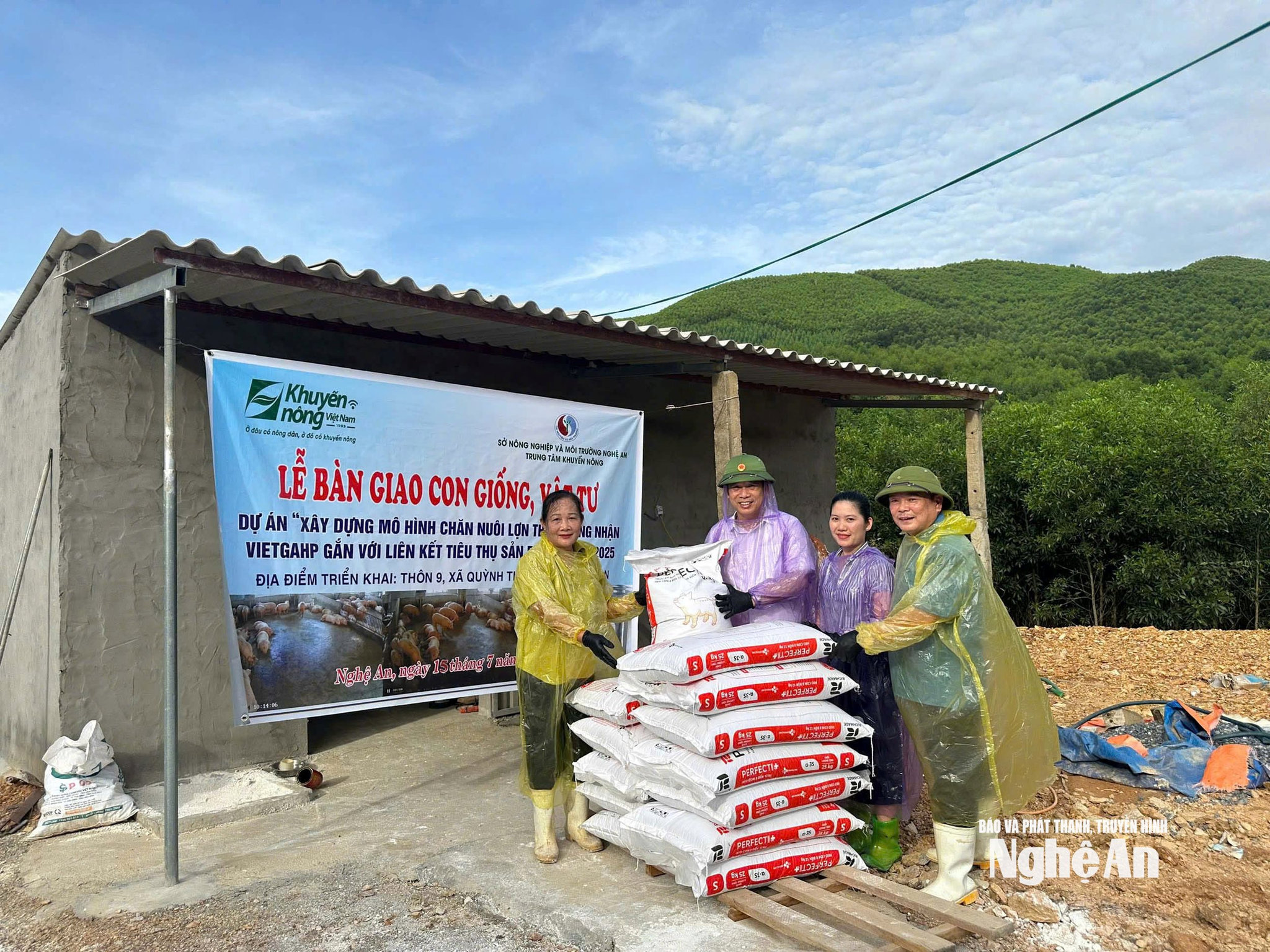
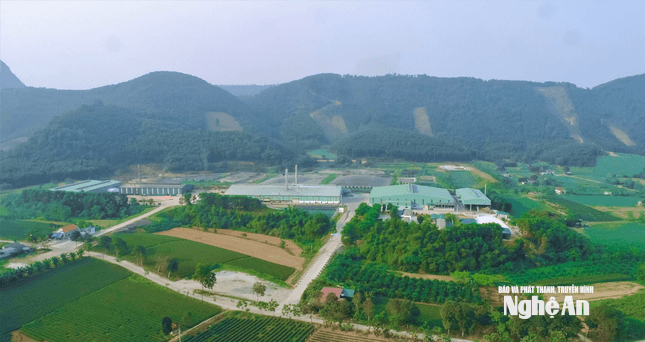
Therefore, one of the new aspects of the project requires that when developing a raw material crop, it must be linked to a factory for procurement and processing. Conversely, for products with great potential and large output, once factories and processing lines have been invested in, there must be focused and decisive direction to ensure a steady supply of raw materials for the factories to operate.
Mr. Vo Trong Hoi, Head of the Technical and Science and Technology Management Department of the Department of Agriculture and Environment, said: Previously, the Project for the Development of Key Crops and Livestock included many separate projects for each crop and livestock. Now, 9 key crops and 6 key livestock are combined into one project, with unified guidance and support from seedlings and supplies to the formation of raw material areas, to procurement, processing, and finally the application of technology for marketing and consumption in the market.
Note regarding resources and support mechanisms
Mr. Ho Dang Tam, Director of Quynh Anh Agricultural Service Cooperative, welcomed the Project on developing key crops and livestock with a very positive attitude, considering it a new opportunity for the province's agricultural products. However, based on his experience in building planting area code dossiers and implementing organic and VietGAP production at the cooperative in recent years, he suggested that support and guidance from relevant departments and agencies are needed.
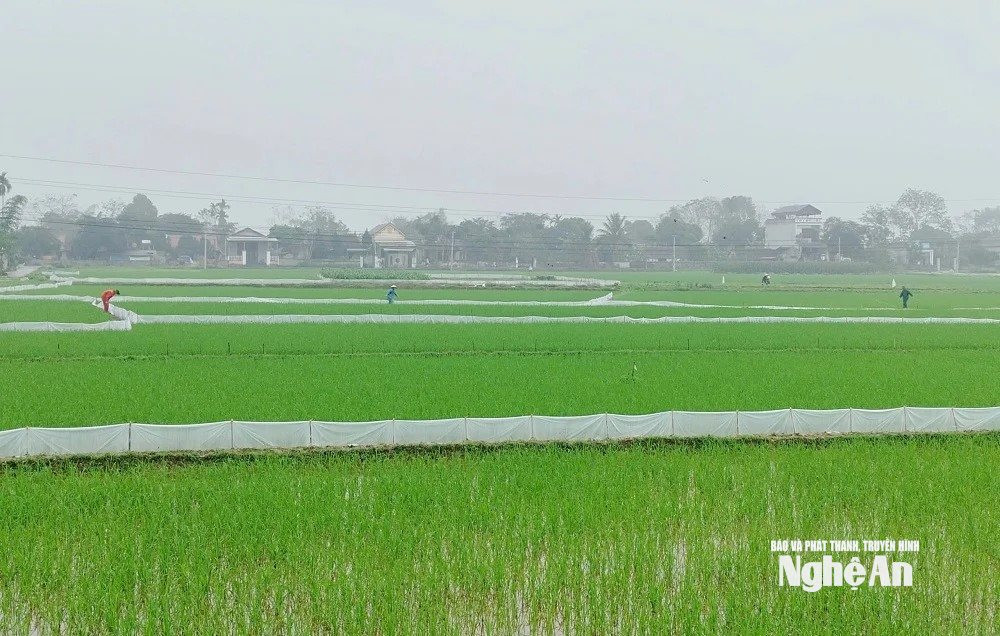
According to Mr. Tam, unlike conventional vegetable production, producing safe, organic vegetables according to VietGAP standards, along with establishing a designated growing area code, requires significant funding and elaborate technical documentation. For example, during the 2020-2025 period, the cooperative took 3 years and nearly 10 billion VND to develop a 4-hectare organic production field to meet export standards, of which the province provided nearly 7 billion VND in technology upgrade support. Therefore, besides financial resources, what farmers and cooperatives need is technical support and guidance to ensure their product documentation meets the standards for entry into high-quality retail chains. Organic products, once certified, should command a higher price than mass-produced products to encourage investment in organic, high-tech production.
The goal of the Key Crops and Livestock Project in this phase is not only to contribute to increasing added value, efficiency, and sustainability, but also to gradually transform into an ecological, circular economy agriculture, applying high technology and integrating digital transformation to perfectly meet the requirements of both domestic and export markets.
Since this project does not allocate direct funding support for crops and livestock, localities and cooperatives need to adhere to the policies stipulated in Resolution 34/NQ of the Provincial People's Council on supporting agricultural development; at the same time, they should proactively prioritize integrating national target programs or other programs and projects to organize implementation.
Mr. Vo Trong Hoi, Head of the Science, Technology and Engineering Management Department of the Provincial Department of Agriculture and Environment, shared:
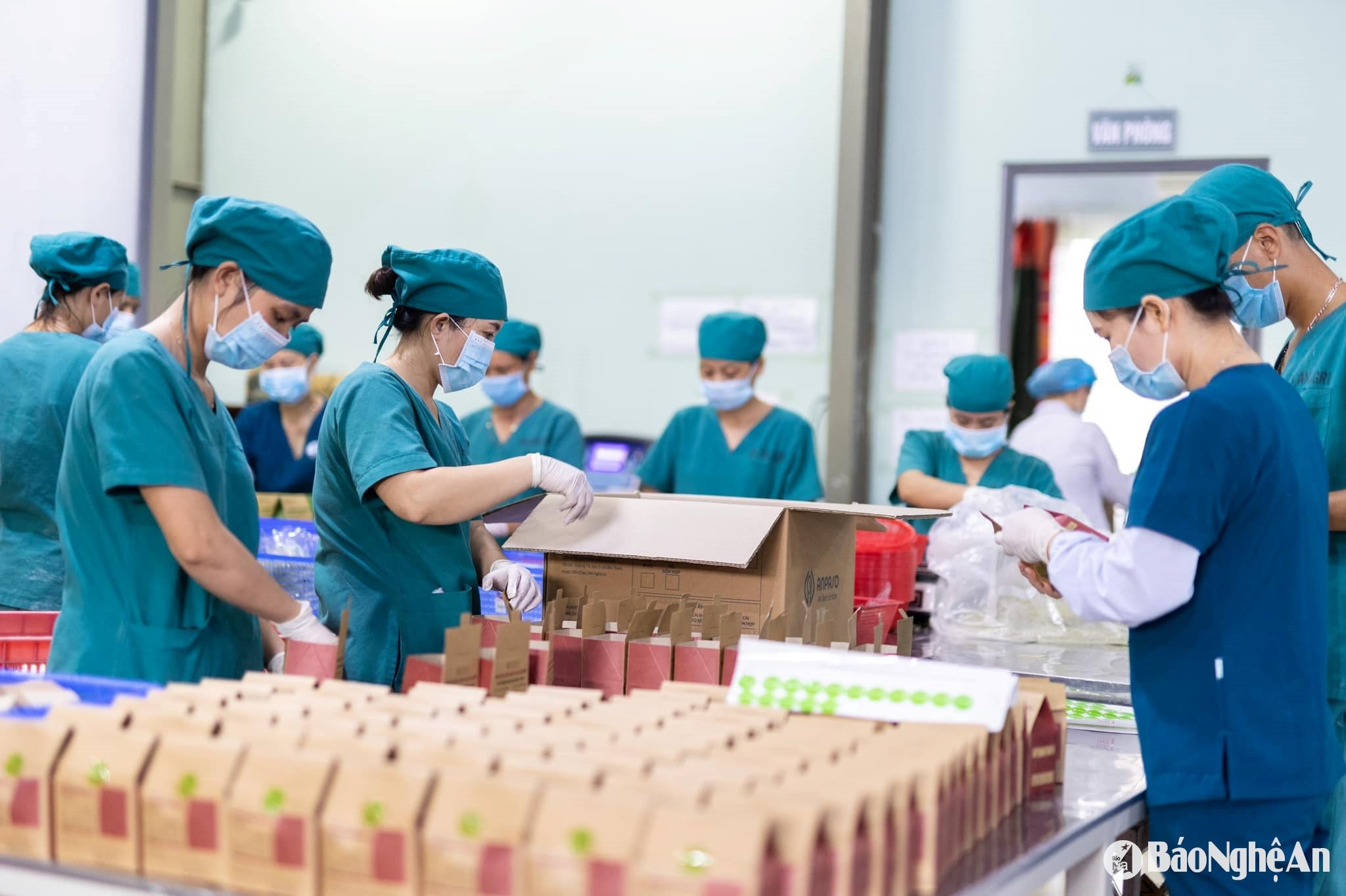
To achieve sustainable processing and output targets for key products, the province strives to maintain and develop 100 to 150 "production - processing - consumption" linkage chains, bringing together approximately 150-165 enterprises and 300 cooperatives. The goal is to successfully create a modern, ecologically sound, highly efficient, and internationally integrated provincial agriculture by 2045; in which 100% of key crops and livestock will be operated under large-scale commodity zone models with high technological content, digital agriculture, and increasingly more closed-loop production models.
During the 2026-2030 period, the average annual growth rate of production value for key crops and livestock will continue to be maintained at 5-5.5%; increasing the contribution of key product groups from 60-65% in the previous period to 80-85% of the total value of the province's agriculture, forestry, and fisheries sector. At the same time, the export value of key products must account for 93-95% of the total export value of the entire agricultural sector (an increase from 70-75% in the previous period).
Excerpt from the Project on Key Crops and Livestock in Nghe An Province for the period 2026-2030, with a vision to 2045.


