

A vote of confidence!
Some values, the more familiar they become, the easier they are to take for granted. An election ballot is one such value. A small ballot, a simple act of crossing out a name and dropping it into the ballot box—it seems so simple, but behind it lies a profound spiritual and political foundation...
.png)
Assoc. Prof. Dr. Bui Hoai Son
(Member of the National Assembly's Committee on Culture and Social Affairs)
Present: Hong ToaiMarch 13, 2026
*****
On the surface, elections are about choosing specific individuals. But looking deeper, it's about the operation of a grand principle: State power belongs to the people. This power is not an abstract concept, but is given and established through the concrete actions of each voter. When a citizen enters the polling station, they are not only fulfilling a civic duty, but are also participating in the restoration of the legitimacy of the state apparatus. Without the authorization of the people, without voluntary and equal participation, power would lose its moral foundation.

The Election Law stipulates the principles of universal, equal, direct, and secret ballot. But what is more significant is the humanistic meaning behind these principles. Universal means that all eligible citizens have the right to participate, regardless of wealth, poverty, occupation, or social status. Equality means that each vote has equal value; no one has more power than another in that decisive moment. Direct means that citizens choose for themselves, without delegation or substitution. Secret ballot protects inner freedom, ensuring that each decision is made with conscience and responsibility, not influenced by external pressure. This is how a civilized society affirms the political dignity of each individual.
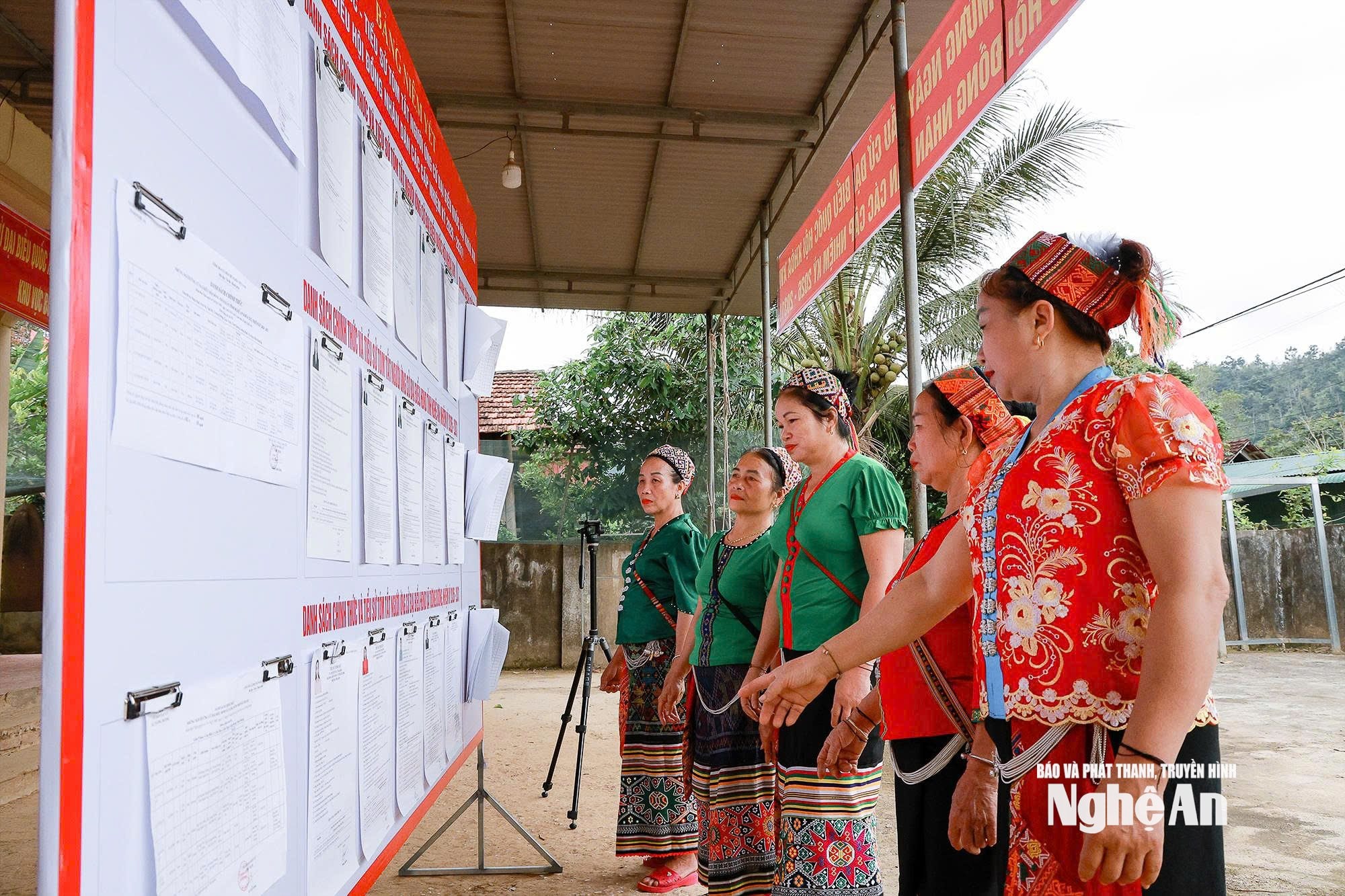
From a spiritual perspective, the ballot is also a symbol of maturity in political culture. A society is only truly sustainable when its citizens care about choosing their representatives, when they consider the action programs, and examine the competence, qualities, and responsibilities of the candidates. Elections are not a festival of emotions, nor are they a place of fleeting commotion. They are a space of civic reason, of thoughtful consideration of long-term interests. In a context of diverse, even chaotic, information, the lucidity of voters is the shield protecting the true value of their ballot.
But the ballot is not merely symbolic. It is the cornerstone of political legitimacy. The National Assembly is the highest representative body of the people, while the People's Councils are the state power organs at the local level. Both institutions must renew trust with each term. When voters cast their ballots, they are exercising their right to delegate authority. And when representatives are elected, they receive not just a position, but a commitment: a commitment to act for the common good, a commitment to listen, a commitment to accountability, and a commitment to responsibility. The ballot, therefore, is both an empowerment and a binding responsibility.
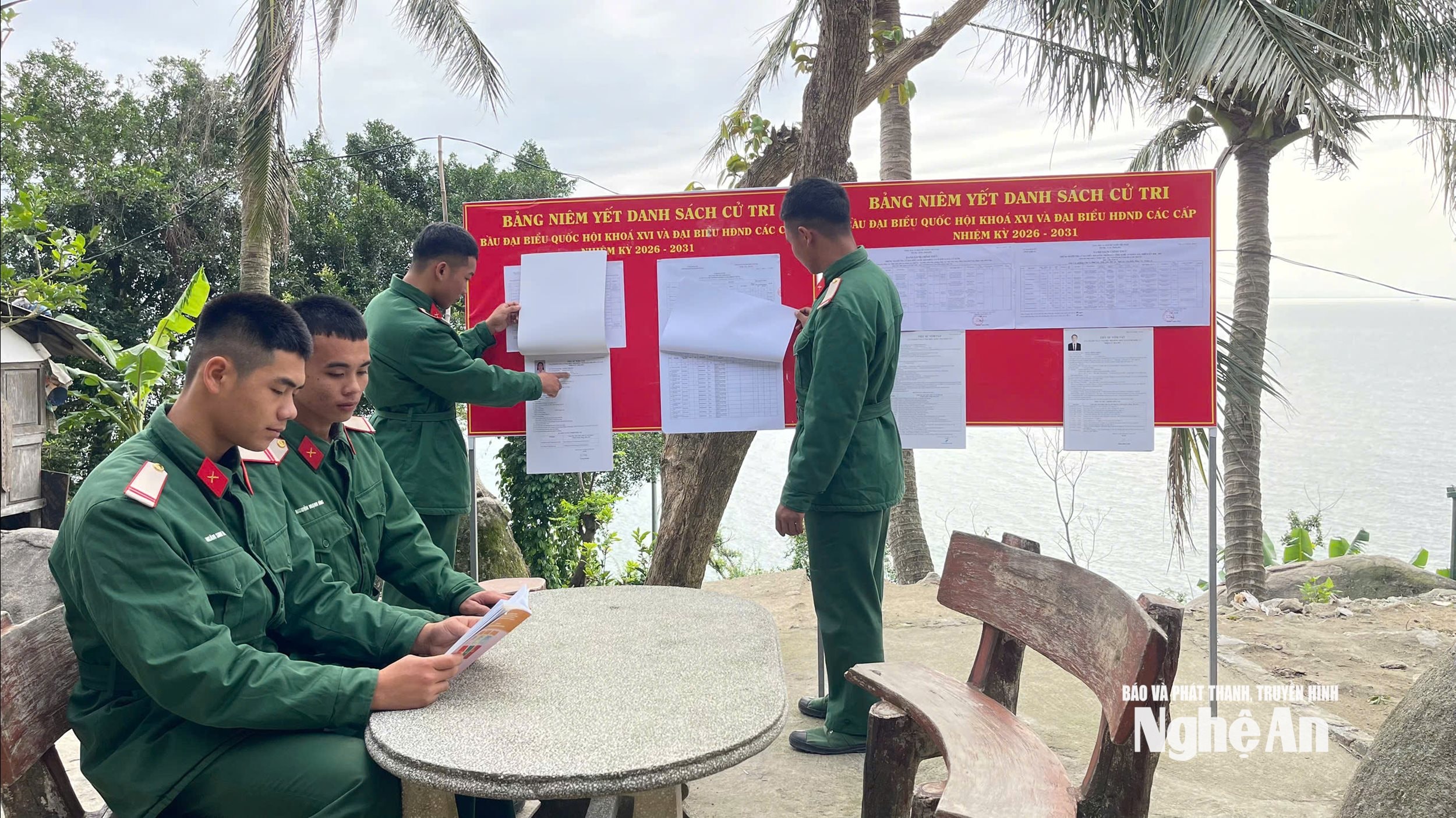
The people's trust is not a slogan. Trust is built on concrete things: whether the people's voices are heard, whether their grievances are addressed, and whether policies are implemented effectively. Each election is an opportunity for the people to assess what has been accomplished, what remains unfinished, and to decide who has the competence and credibility to continue the responsibilities. The ballot, therefore, is also a test of trust. If representatives fail to keep their promises, if the representative mechanism fails to meet expectations, trust will be eroded. Conversely, if the mandate is reciprocated with effective action, trust will be strengthened.
.jpg)
As the country enters a new phase of development requiring governance reform, digital transformation, and improved legislative and supervisory quality, the role of elected representatives becomes even more crucial. The 16th National Assembly and People's Councils at all levels, for the 2026-2031 term, will face complex challenges related to integration, economic development, social security, environmental protection, cultural preservation, and the building of a modern administration. Voters, when casting their ballots, are also placing their trust in the competence and integrity of their representatives. They are not simply choosing a name, but an expectation.
For Nghe An – a land rich in revolutionary traditions, cultural depth, and aspirations for progress – the significance of the ballot is even more sacred. The people of Nghe An are known for their honesty, responsibility, and deep love for their homeland. Each time they vote, it's not just about exercising their right, but also about expressing their hopes for the development of their locality: how to achieve sustainable economic growth, how to improve people's lives, how to preserve and promote culture, and how to ensure Nghe An's voice carries weight in major policy decisions. Therefore, the ballot is linked to the honor and responsibility of each voter.
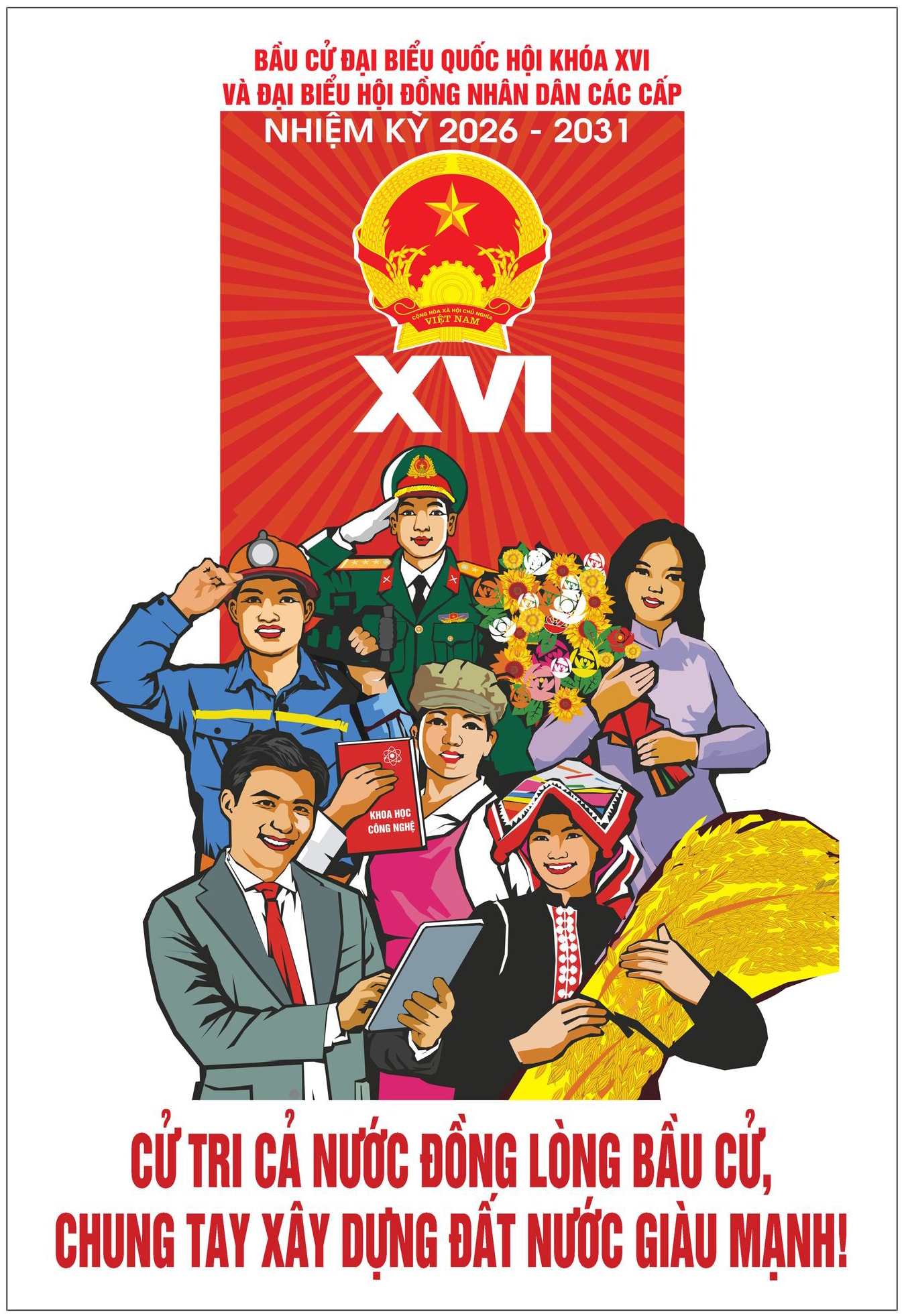
The most worrying aspect of any election is not the difference in choice, but the indifference. Indifference makes the right to self-governance merely a formality, causing the representative mechanism to lose its vitality. If each citizen considers voting as someone else's responsibility, if they don't care about the quality of representation, then they are themselves narrowing their own rights. A ballot only truly has meaning when it is placed in the ballot box with civic self-respect, understanding, and responsibility.
On March 15, 2026, when polling stations across the country open, it will be more than just an administrative event; it will be a collective moment affirming a core value: This country belongs to the people. Each vote is an affirmation that we are not outside of political life, but are the creators of the future. And that future will not be decided by a few individuals, but by the participation of millions of citizens.
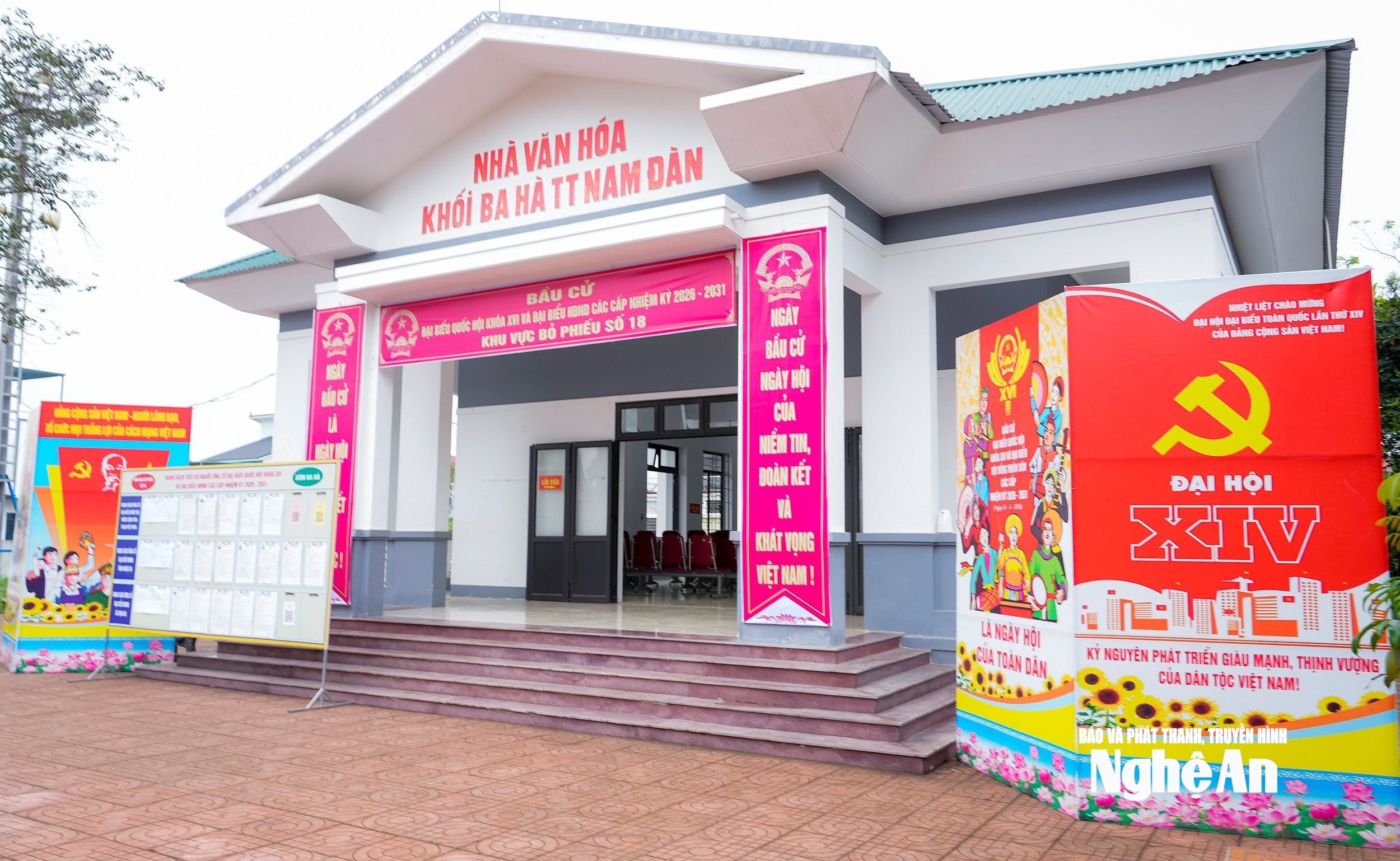
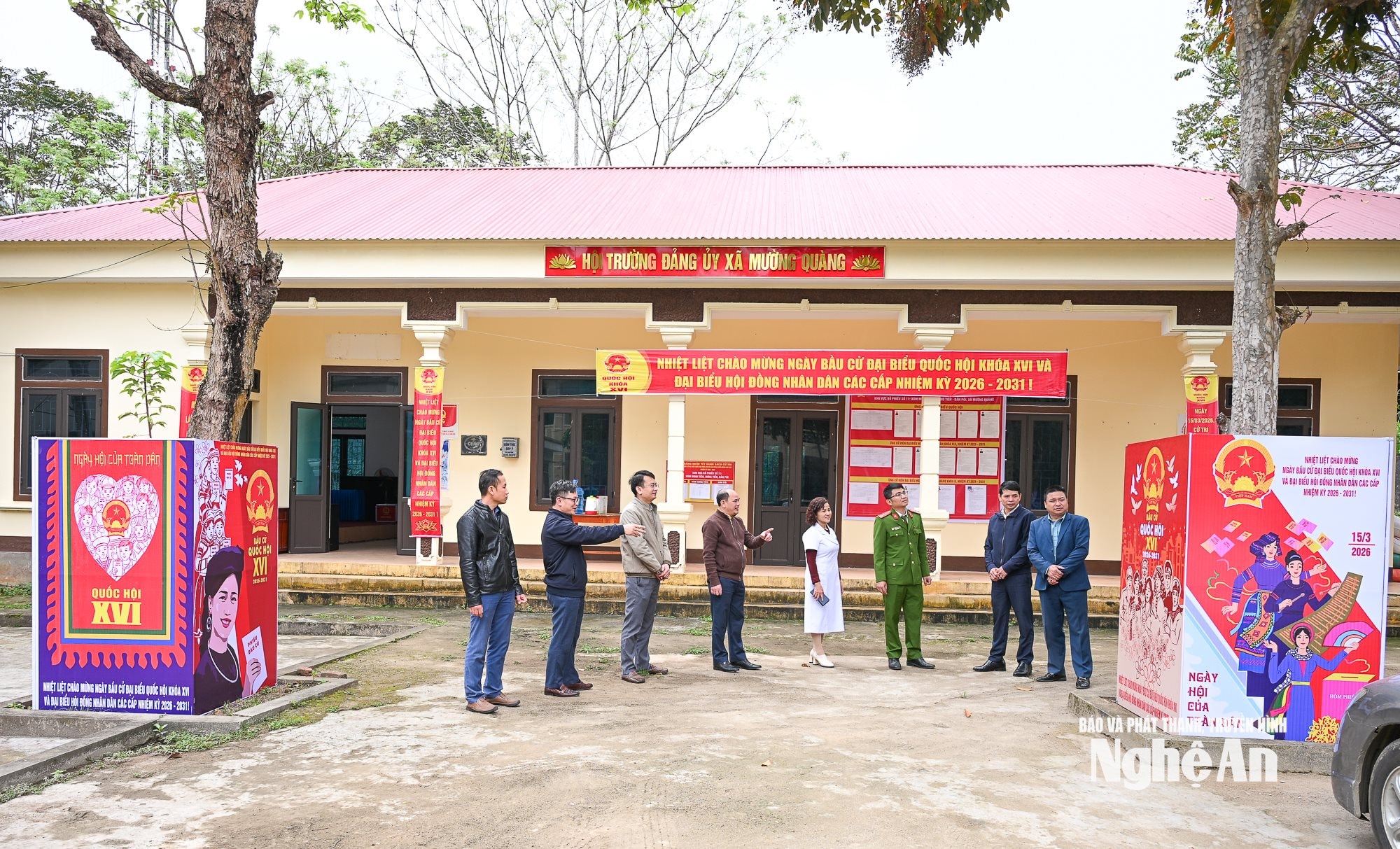
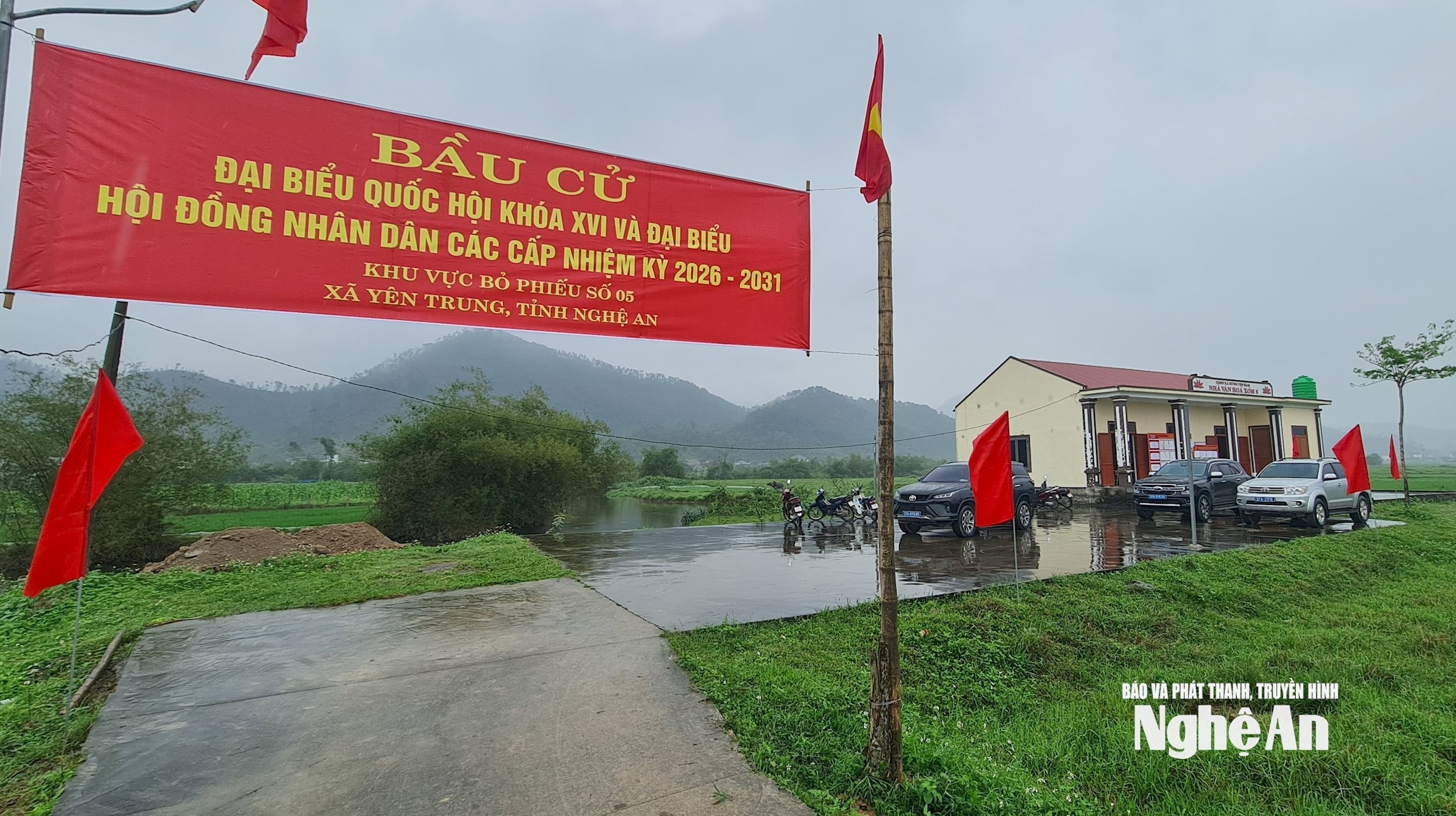
A small ballot in the palm of our hand can hold the great aspirations of a nation. It reminds us that power must come from the people, that trust must be nurtured through transparency and accountability, and that democracy lies not only in the right to choose but also in oversight and post-election engagement. The ballot, therefore, does not end at the ballot box; it opens a journey of civic responsibility throughout the term.
Let us approach election day with calmness, understanding, and trust. Let each ballot become a living symbol of the people's sovereignty and faith. For a sustainable political system does not begin with grand gestures, but with the simple actions of each individual: going to the polls with all their conscience and responsibility.


