
At what speed is driving a car most fuel-efficient?
Fuel-efficient driving depends on your driving style. However, driving slowly doesn't necessarily save fuel, and driving fast doesn't necessarily mean your car will consume more gas.
Why are cars generally more fuel-efficient when driven on highways than in the city?
The reason is simple: When driving in the city, you have to constantly stop and start at red lights, in traffic jams, or when yielding. This process consumes a lot of fuel because the car cannot maintain a steady speed and has to constantly accelerate from a standstill. The engine also has to work harder when idling, especially in traffic congestion.
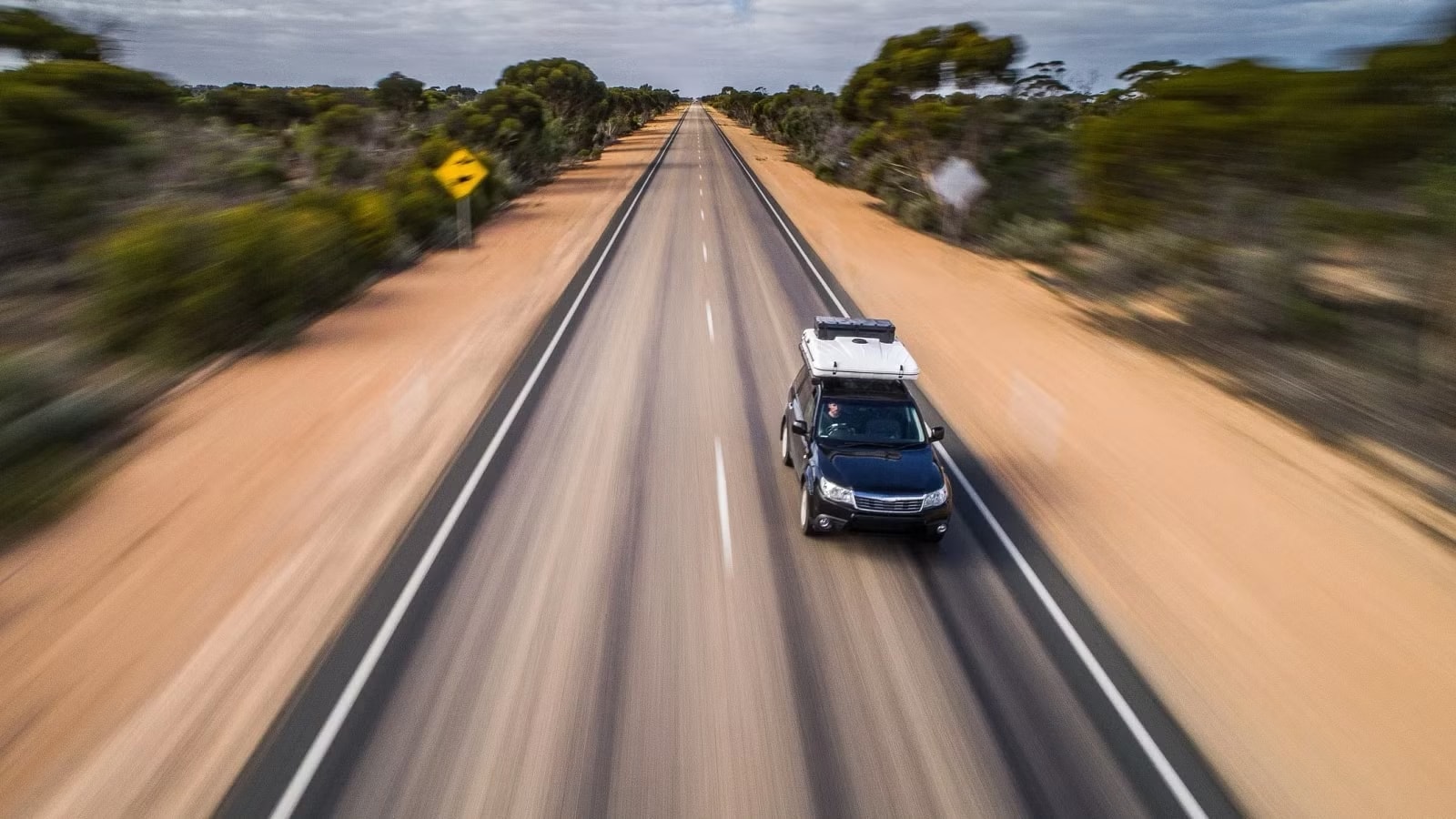
Conversely, when driving on a highway, a car can maintain a steady speed for extended periods. Inertia helps you maintain motion without constantly accelerating, especially with traditional internal combustion engine vehicles.
Engine RPM and transmission: The secret behind fuel consumption
One of the key factors affecting fuel consumption is engine speed (RPM). The faster the engine spins, the more fuel is injected into the cylinders. Each revolution requires fuel injection to generate power, so the higher the RPM, the more fuel the car consumes.
Three fuel-efficient car models that are still met with indifference by Vietnamese customers.
To make it easier to understand, imagine you're riding a bicycle. In a low gear, you pedal lightly, but the bike goes slowly. When you shift to a higher gear, pedaling becomes harder, but you travel further with each rotation. Cars work similarly, thanks to the coordination between the gearbox and engine to optimize fuel consumption at each speed.
Modern cars with automatic transmissions have multiple gears, sometimes up to 8-10 gears, allowing the car to maintain low engine RPM at high speeds. This helps you drive at 100 km/h while the engine still runs smoothly, saving fuel.
What is the ideal speed for fuel efficiency?
Every car is different due to its gear ratio. In reality, the speed at which you can travel in the highest gear and with the lowest possible engine RPM is the optimal speed for fuel economy, but the answer is much more than that.
A 2017 study by Transport for New Zealand compiled data from numerous international reports and concluded that the lowest fuel consumption is achieved when maintaining a steady speed between 50-80 km/h.
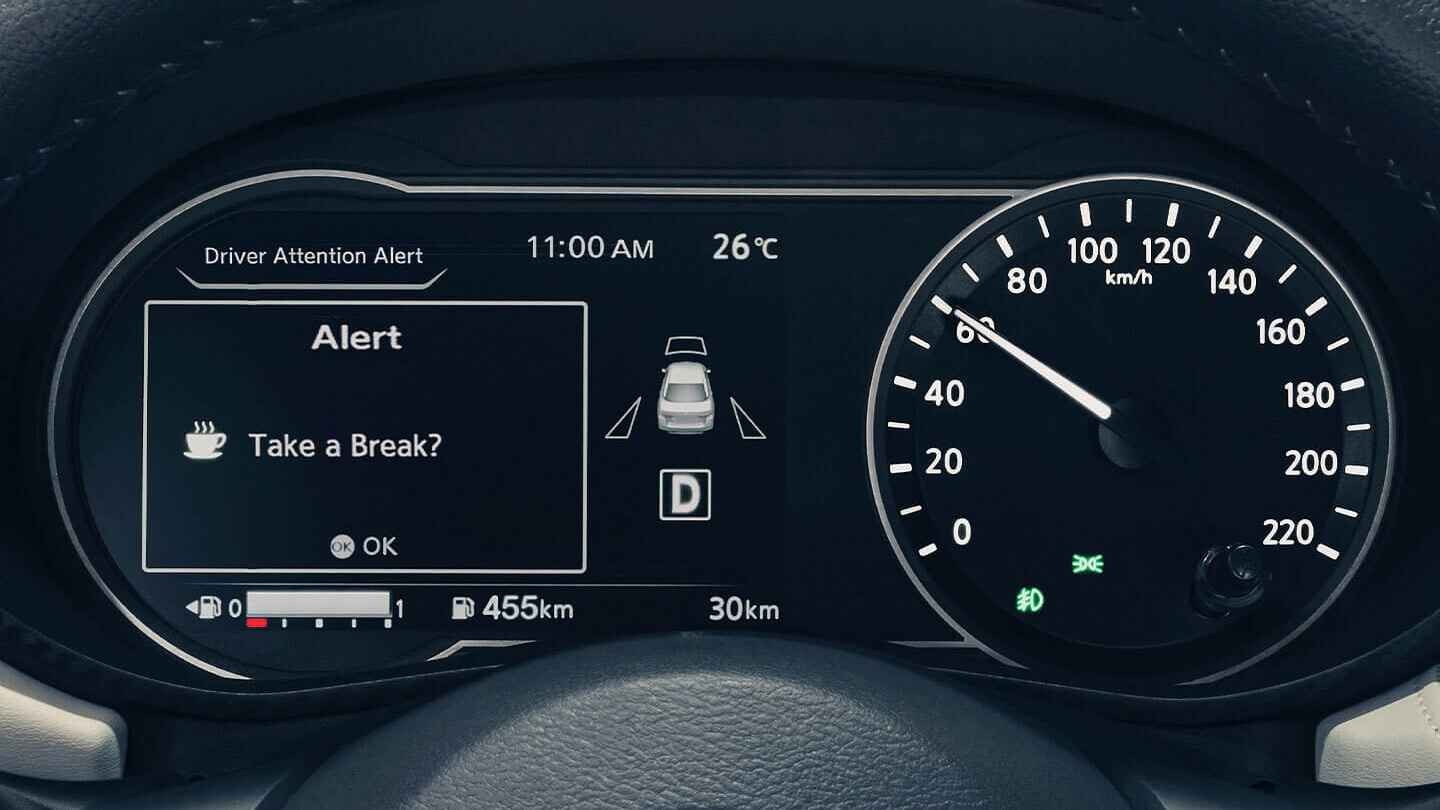
"The Organization for Economic Cooperation and Development (OECD) estimates that a car traveling at 90 km/h consumes 23% more fuel than one traveling at 110 km/h. Another study by the European Transport Safety Council (ETSC) further indicates that driving at 90 km/h is 30% more fuel-efficient than driving at 120 km/h," the report states.
Besides adding more gears to the transmission, fuel efficiency also depends on many factors such as: vehicle type (sedan, SUV, pickup truck...), vehicle and cargo weight, road and weather conditions, tire pressure, regular maintenance, and modern technology to optimize performance even at high speeds.
Today, car manufacturers are increasingly improving aerodynamics, reducing tire friction, and applying advanced transmission technology to help vehicles save fuel even at high speeds. This means that at speeds like 100 km/h or even 110 km/h, fuel consumption can still be at a reasonable level if the vehicle is optimally designed.
However, remember that the most fuel-efficient speed doesn't necessarily mean the fastest speed. Driving at a moderate, steady speed and avoiding sudden braking is still the best way to minimize fuel costs per trip.


