
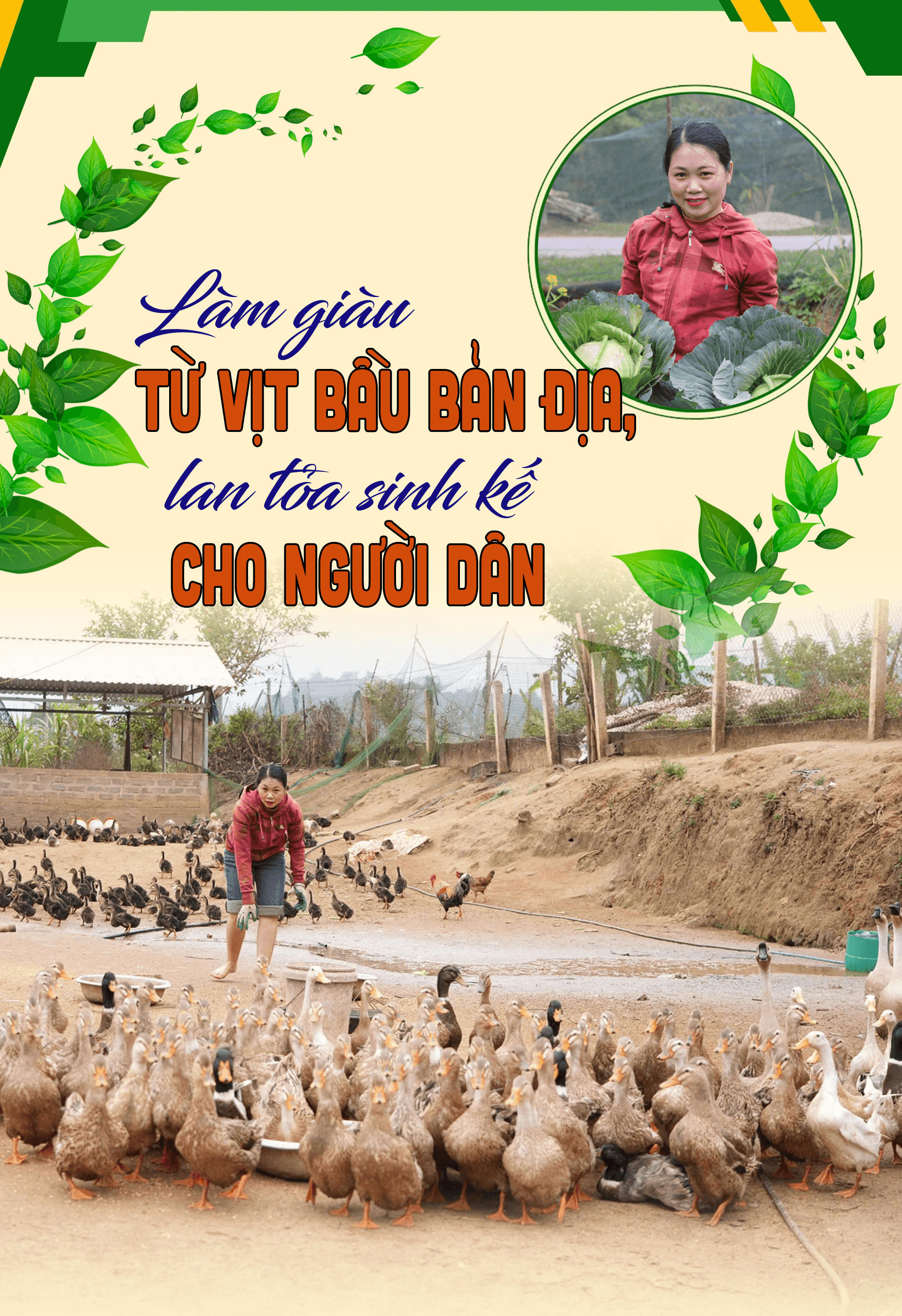
Making a fortune from raising native Muscovy ducks, spreading livelihood opportunities for the people.
Starting with the native Muscovy duck breed, which has long been associated with the highland rice paddies, Ms. Luong Thi Hong (Na Ty village, Muong Quang commune) has gradually built an effective integrated economic model, generating a stable income of hundreds of millions of VND each year. Not only has she enriched her own family, but she has also become a leading figure in spreading her methods and supporting many women's association members and local people in developing sustainable livelihoods.
Content:Khanh Ly - Thanh Phuc/Present:Hong ToaiFebruary 12, 2026
------------o0o------------
Starting with the native Muscovy duck breed, which has long been associated with the highland rice paddies, Ms. Luong Thi Hong in Na Ty village, Muong Quang commune, has gradually built an effective integrated economic model, generating a stable income of hundreds of millions of VND each year. Not only has she enriched her own family, but she has also become a leading figure in spreading her methods and supporting many women's association members and local people in developing sustainable livelihoods.
In Na Ty village, Muong Quang commune, if you ask about Ms. Luong Thi Hong (born in 1983) – Vice President of the Women's Union of the commune, the locals all enthusiastically say: "That's the talented woman of our village!" This simple introduction, however, reflects the respect they have for a dynamic and responsible Women's Union official, and also a prime example of a successful woman in business, someone who dares to think and act.
Following the directions of the locals, we found a spacious house located along the inter-village road. In front was a general store that also supplied agricultural materials to meet the production needs of the people in the area; behind was a neatly planned livestock area with pens for egg-laying ducks, commercial ducks, a fish pond, and lush green fields of elephant grass stretching out.
.png)
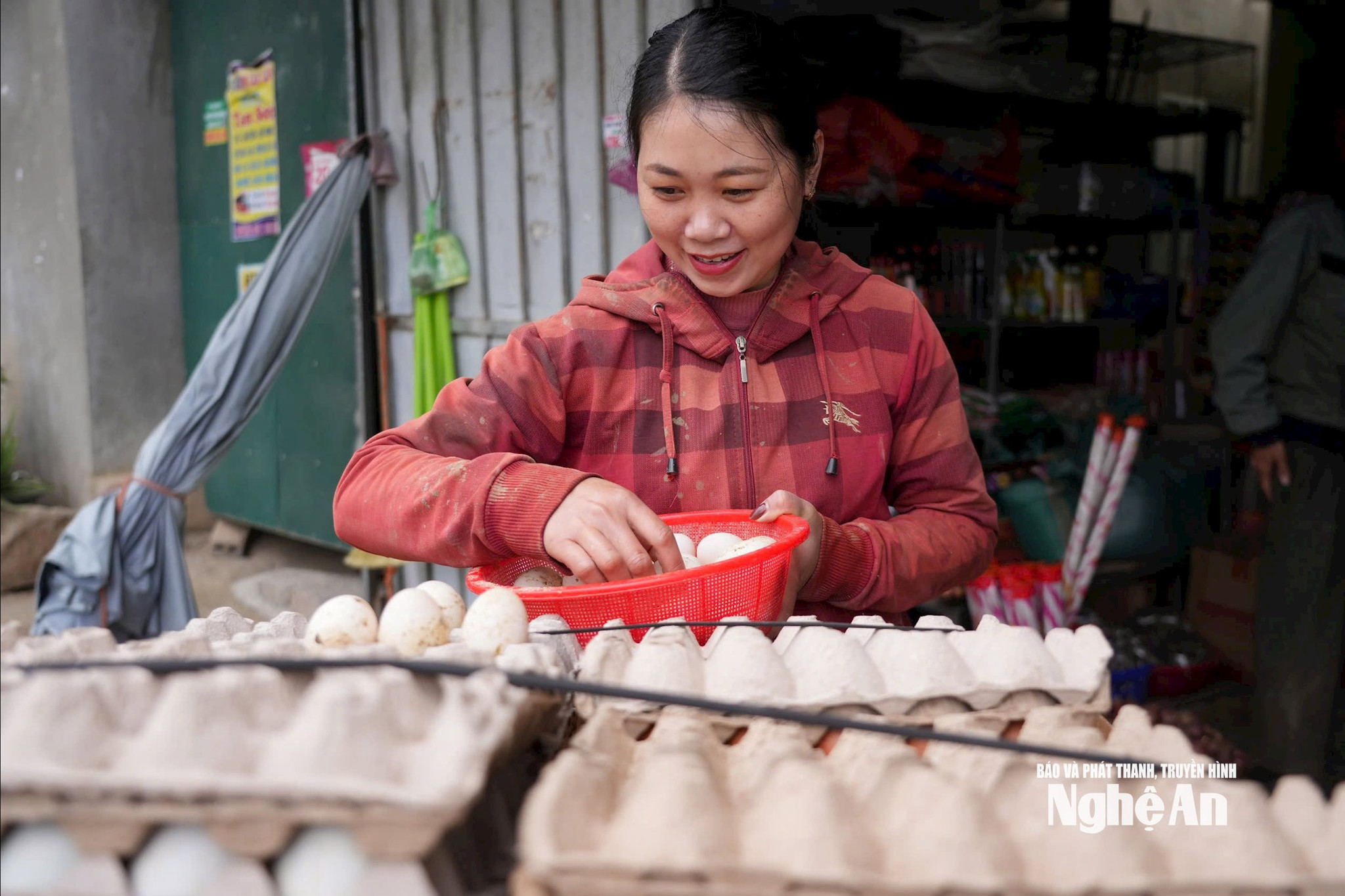
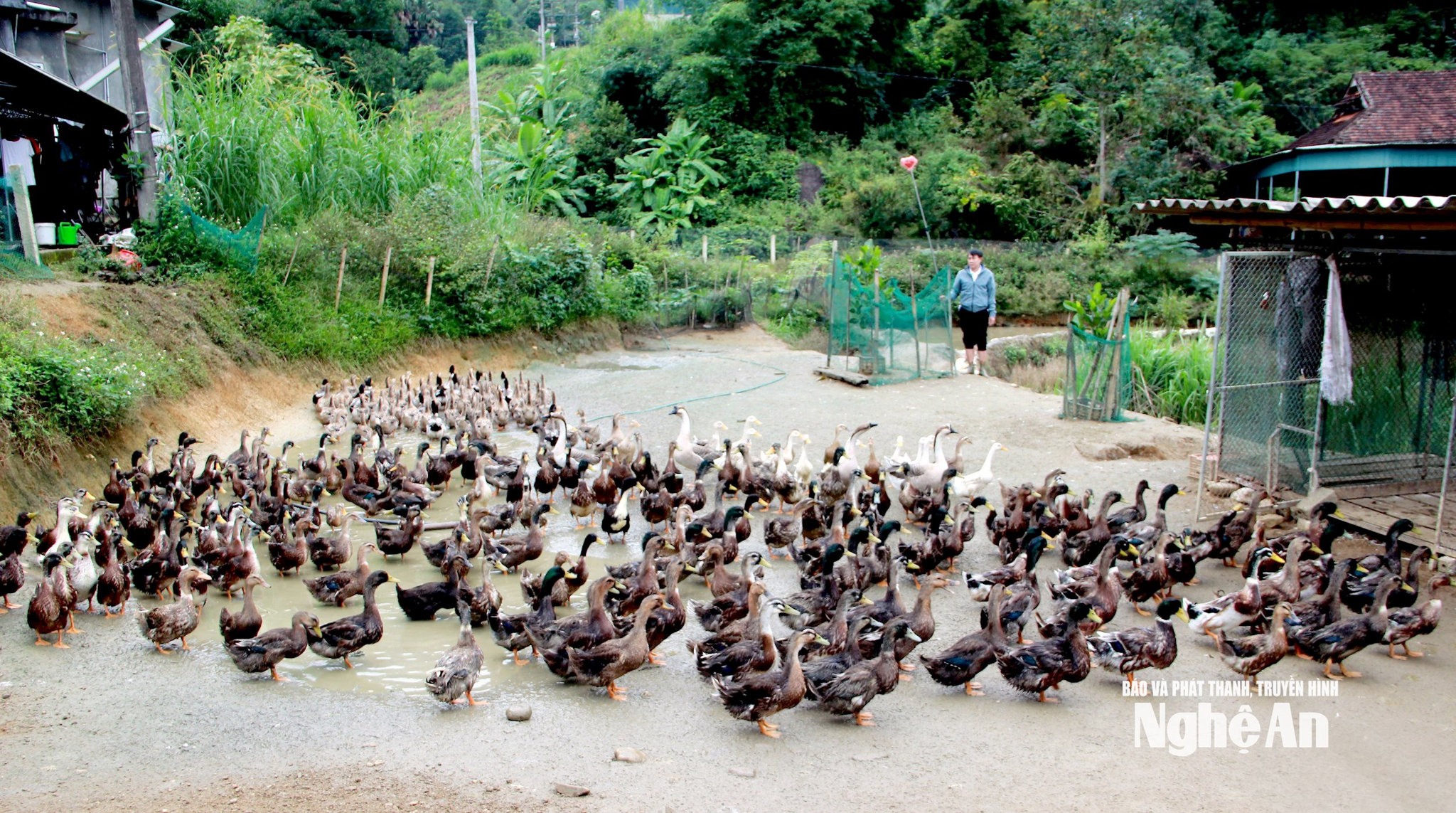
In the middle of the duck farm, Ms. Hong, a nimble Thai ethnic woman with fair skin and rolled-up trousers, was busily picking duck eggs and putting them into a basket. Seeing the visitors, she smiled kindly and shared, "My family just sold several hundred ducks. Today, I'm taking advantage of my day off to collect eggs for restaurants and repair the fence to prepare for the next batch. Raising ducks is hard work, but the turnover is quick, and the income is quite stable. At one point, my family raised up to 1,200 ducks."
Few people know that, in the early days, Hong's family's duck farming was on a small scale, mainly for family meals and selling to neighbors. The turning point came in 2003, when Chau Thon commune (formerly) implemented a policy to support breeding stock and encourage the development of integrated farming. Recognizing the potential of the local Muscovy duck breed, Hong and her husband boldly registered to participate and were appointed as the leader of a duck farming cooperative. Lacking prior experience, Hong repeatedly traveled to Chau Tien commune (formerly Quy Chau district) to learn techniques from reputable farmers.
Through experience, she realized that raising Muscovy ducks was very suitable for her family's conditions: close to rice paddies, with canals flowing year-round, and a large area of land for growing elephant grass as feed. After discussing with her husband, Mr. Hoang Van Minh, the head of Na Ty village, the family decided to invest in expanding the farm, establishing a systematic breeding area, and gradually transitioning from small-scale farming to commercial production.
Having participated in numerous livestock training courses and attended basic veterinary classes, Ms. Hong has accumulated a solid foundation of knowledge in disease prevention and control and livestock care. As a result, her family confidently raises ducks in staggered batches, with 3-4 batches per year, each batch consisting of approximately 300-400 ducks. Since 2023 alone, the family has restocked their flock 11 times, selling over 3,000 meat ducks to the market.
Sharing her "secret," Ms. Hong said the key factor is good control over feed costs. "When the ducks are young, we feed them a mixture of bran and corn to ensure proper nutrition. When they reach about 300-400 grams, they are healthy and eat a lot, so we cut elephant grass, put it in a banana-cutting machine to grind it finely, and mix it with rice bran, paddy, and cracked corn. Since the feed is mainly grass, we reduce costs significantly," she said.
.jpg)
Although the native Muscovy duck breed doesn't reach a large weight, averaging only about 1.8–2.2 kg/duck, its meat is flavorful, firm, and low in fat, suiting consumer preferences. Thanks to its consistent quality, Ms. Hong's family's Muscovy duck products are always popular in the market, selling for around 120,000 VND/kg; during holidays and Tet (Lunar New Year), they are often sold out.
Not stopping there, Ms. Hong also invested in two egg incubators to proactively manage her ducklings, both for her own farming and to sell eggs to restaurants inside and outside the commune. Thanks to making good use of her egg supply, her annual income from duck meat and eggs alone reaches approximately 200-250 million VND.
According to Ms. Hong, her biggest wish right now is for the model of raising native short-necked Muscovy ducks to receive attention and support in building a brand and being included in the OCOP program. "With a brand, the product's value will be affirmed, the market will be more sustainable, and farmers will feel more secure in investing long-term," she expressed.
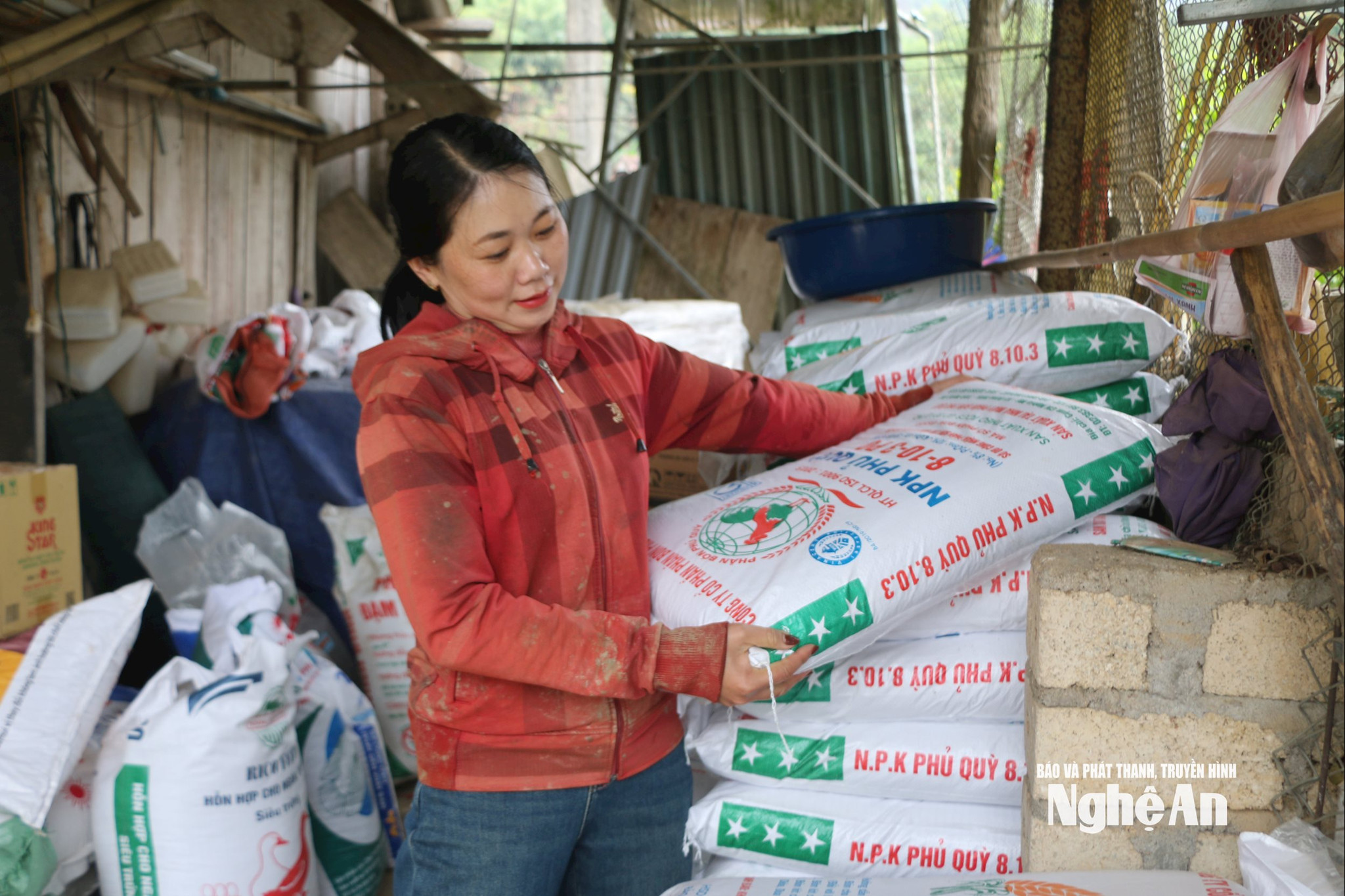
Alongside duck farming, Ms. Hong's family has also developed a diversified economic model with 12 cows, 4 hectares of acacia trees, 1 hectare of sugarcane, and cultivation of organic vegetables, elephant grass, and eucalyptus; they have also dug ponds to raise grass carp, silver carp, catfish, and tilapia to utilize leftover feed and livestock waste. Combined with their grocery and agricultural supplies business, after deducting expenses, the family's total income from production and business reaches approximately 400 million VND per year.
Not only is she a successful businesswoman for her own family, but as the Vice President of the Women's Union in the commune, Ms. Luong Thi Hong is always concerned about helping female members achieve stable livelihoods and escape poverty. As the leader of a duck farming cooperative with 22 members, she not only provides breeding stock and guidance on building barns and preventing and controlling diseases, but also connects members with markets and collects their products, giving them peace of mind in their production.
In Na Ty village alone, about 10 households have now adopted Ms. Hong's duck farming model, achieving stable incomes, such as Ms. Ngan Thi Mai and Ms. Ha Thi Ngoc… Many households that previously engaged in small-scale, fragmented farming have boldly expanded their scale, gradually forming concentrated farming areas.
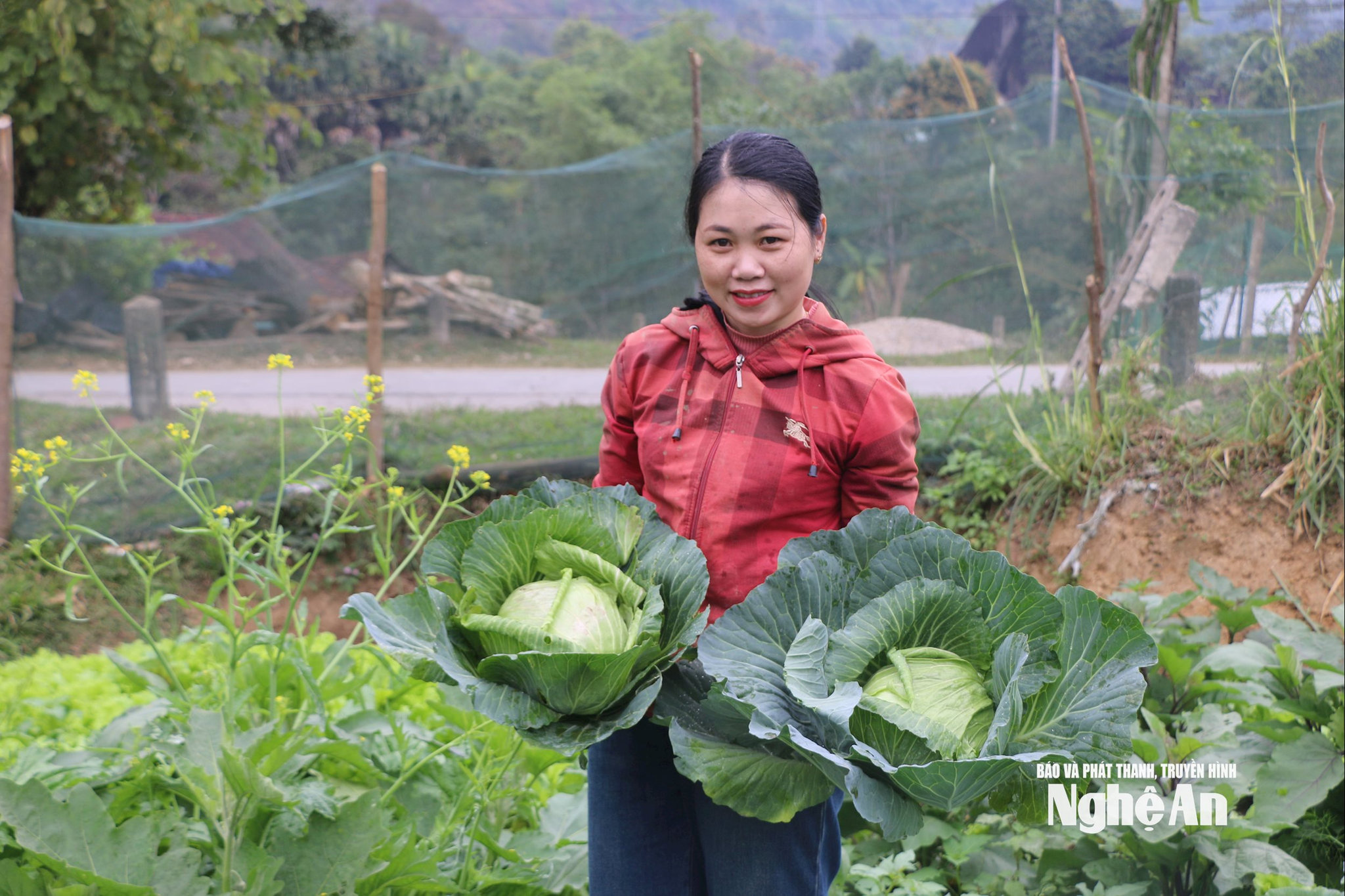
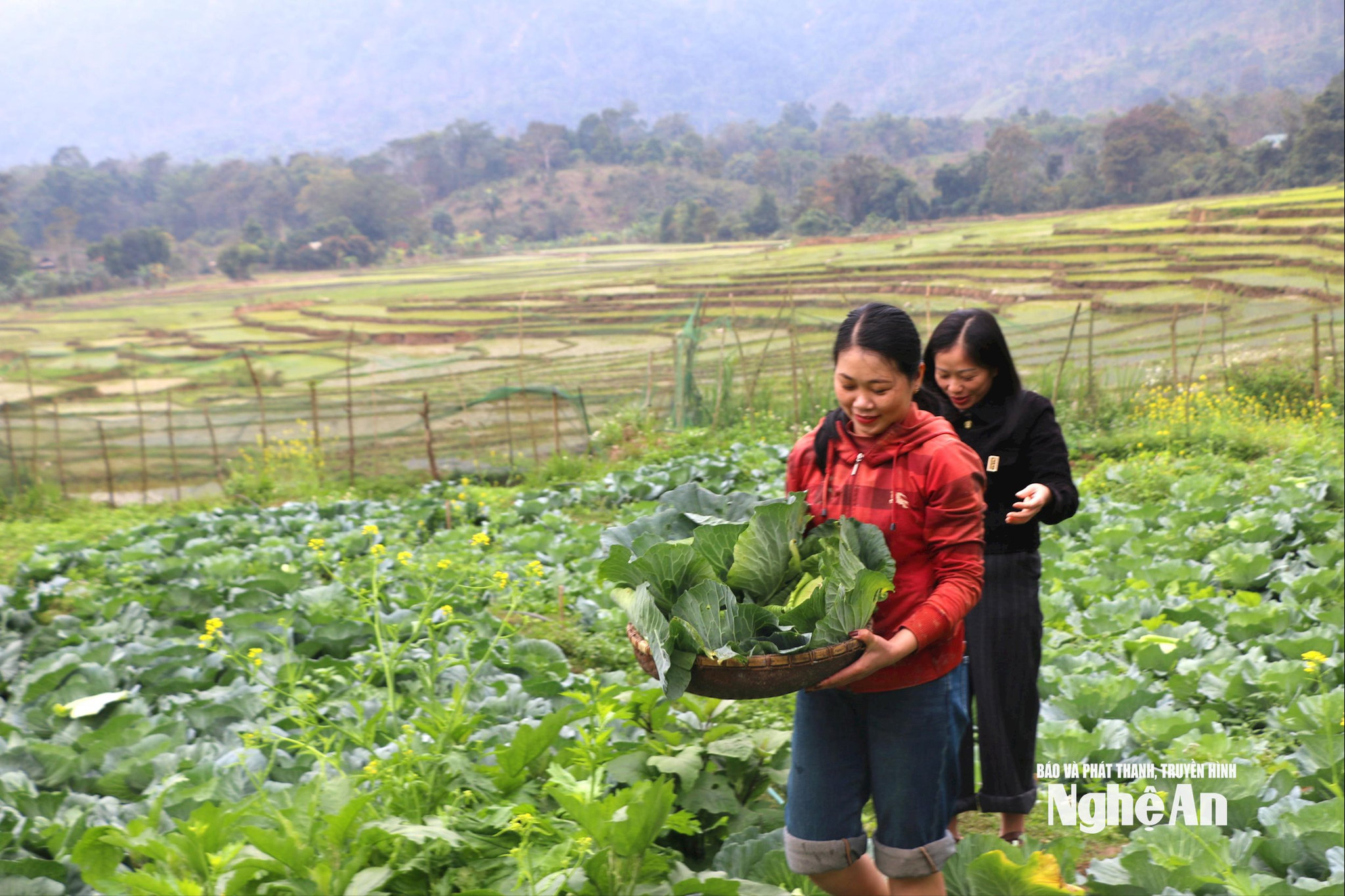
Not stopping at the field of livestock farming, Ms. Hong is also a pioneer, working with the Women's Association of the village and the Women's Union of the commune to promote and encourage people to reclaim barren, water-scarce rice fields to grow clean, organic vegetables.
Starting with a few households that successfully experimented with growing vegetables, the model quickly spread. Today, the entire Na Ty village has dozens of households specializing in clean vegetable cultivation, transforming once-abandoned fields into lush green vegetable gardens, supplying markets both within and outside the commune.
Commenting on Ms. Luong Thi Hong, Ms. Luong Thi Ha - an official of the Party Building Committee of Muong Quang commune - said: "Ms. Hong is not only a dynamic and responsible Women's Union official but also a model of a successful female entrepreneur, a role model in labor and production, and poverty reduction in the locality. Her economic model is highly practical, easy to learn, easy to implement, and suitable for the conditions of the highlands."
Thanks to its remarkable effectiveness, Ms. Hong's model regularly welcomes delegations from within and outside the province to visit and learn from her experience. She has personally received two Certificates of Commendation from the Nghe An Provincial Women's Union for her outstanding achievements in developing household economics.
From raising native Muscovy ducks by the rice paddies to a comprehensive economic model generating hundreds of millions of dong in annual income, Luong Thi Hong's journey is not only a story of legitimate wealth creation but also a vivid testament to the role of women in rural economic development.
More importantly, through her dedication and responsibility, she has been contributing to spreading effective practices and motivating many households in the highlands to boldly innovate their production thinking, aiming for sustainable livelihoods.


