
How can you tell if a used car has been in a serious accident?
A car that has been in a collision resulting in dents and damage, no matter how skillfully it's repaired, can't fool experienced mechanics. Below are some areas that reveal a car has been in a serious collision that used car buyers should be aware of.
For many reasons, such as lower cost, less depreciation, and quick transactions, used cars remain popular among buyers. However, inexperienced buyers may unknowingly purchase a car that has been involved in accidents or collisions, only realizing this after some time, when it's often too late.
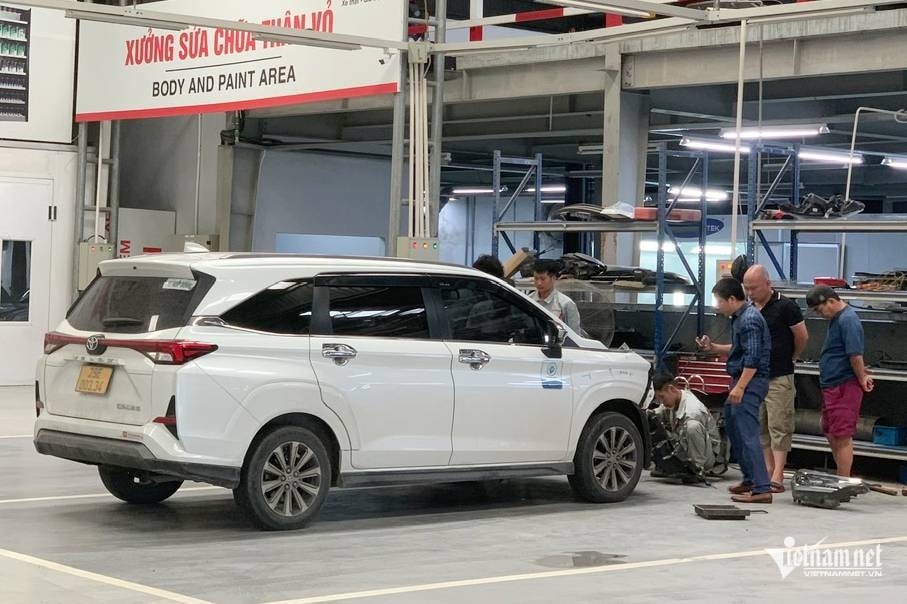
Speaking to a reporter, Mr. Pham Tat Thang, owner of TT Auto garage (Thanh Xuan, Hanoi), said that it's normal for a used car to be dented and damaged in collisions and need repairs. However, if it's a car that has been in a serious accident affecting its load-bearing structure, then it shouldn't be bought.
"Typically, the seller will take the car to a garage and try to fix the defects to make it look as pristine as possible. Many skilled mechanics nowadays can easily 'transform' accident-damaged cars into flawless, like-new vehicles, making it difficult for inexperienced people to tell the difference," Thang said.
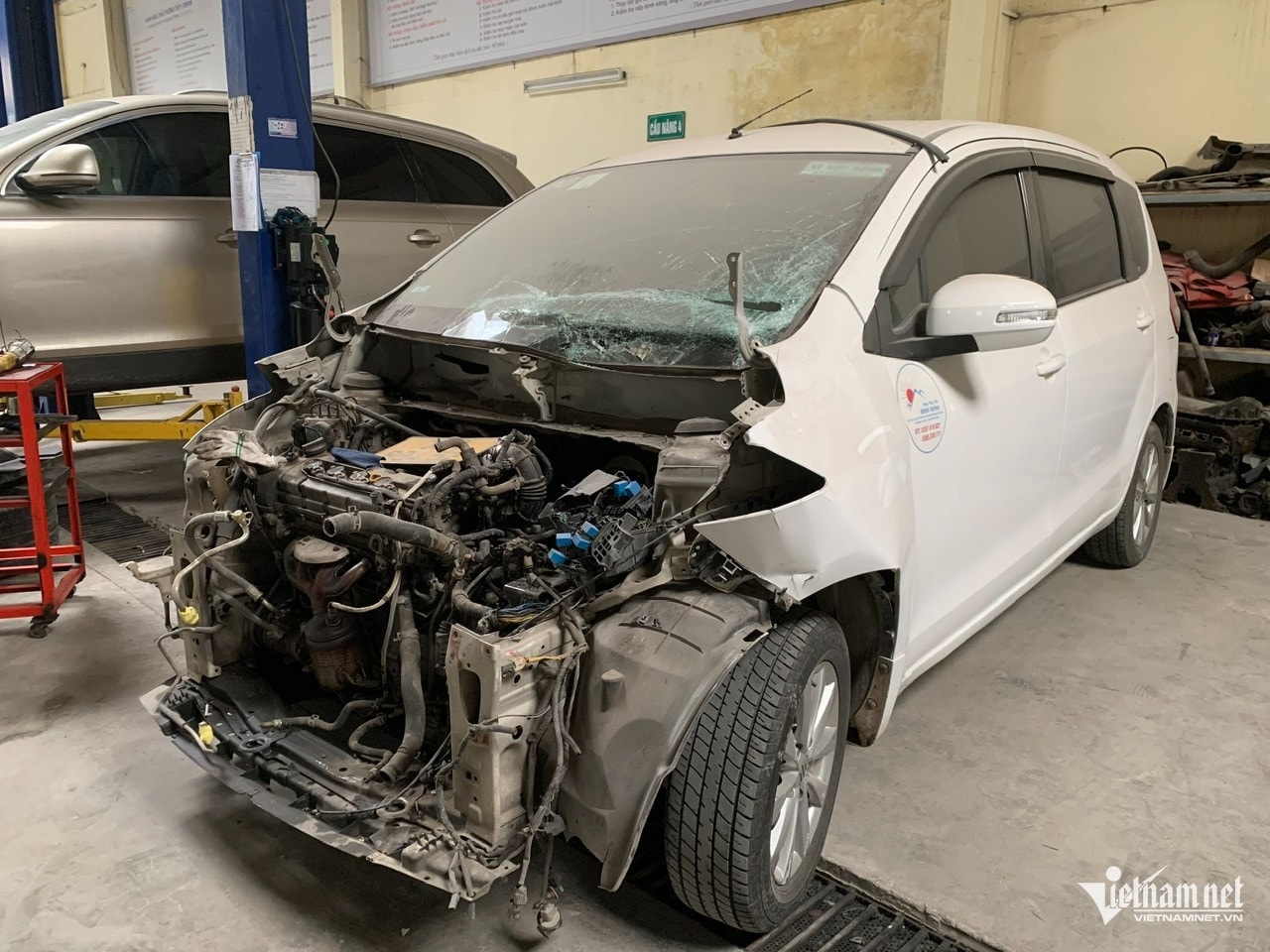
According to this expert with nearly 20 years of experience buying, selling, and repairing used cars, identifying cars that have been in accidents or collisions is becoming increasingly difficult. However, there are some details that, no matter how carefully they are concealed, cannot be hidden, and can be seen with a keen eye, such as the following:
Windshield
Normally, the front and rear windshields are very difficult to damage or shatter without a strong impact. Therefore, if the windshield or rear window has been replaced, we have reason to suspect that the car has been involved in a serious accident or collision.
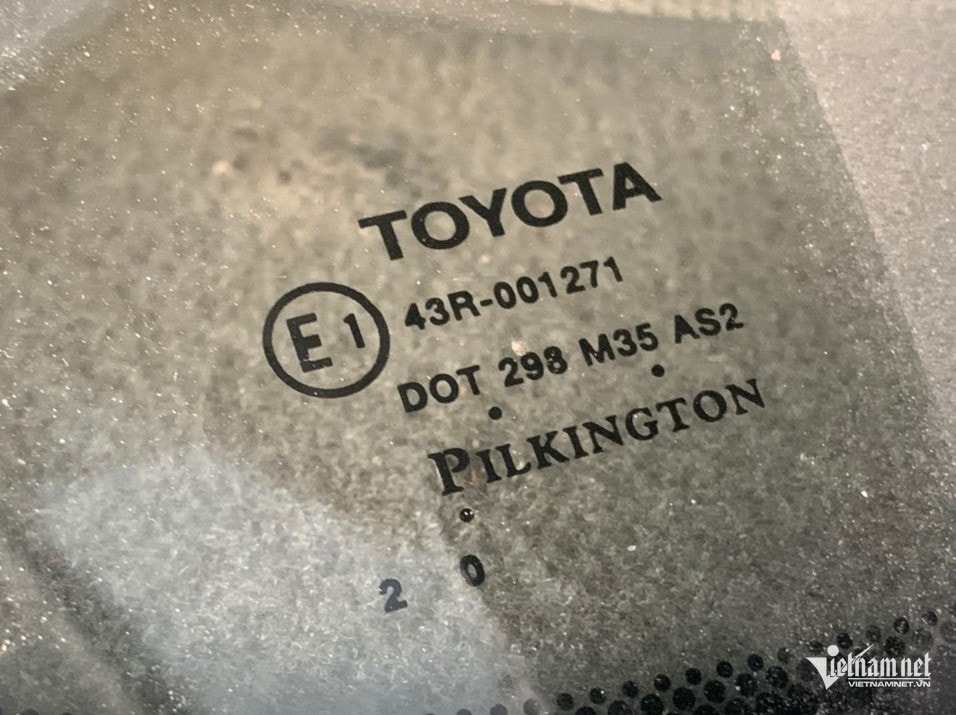
To identify a genuine part, you can look at the specifications on the glass in the lower left corner. For example, if the car was manufactured in 2020, the last line will usually have the number 0 or 20. If the car was manufactured in 2021, it will be 1, similarly 2022 will be 2, and so on. Newly replaced glass usually won't have numbers matching the car's year of manufacture, and the sealant will need to be redone. If it's not a genuine part, the new glass will look less authentic.
Headlights, taillights
With used cars, both the headlights and taillights should be in roughly the same condition. If you observe a car with one headlight that looks old and the other new, you can suspect that the car has been involved in a major accident, resulting in the replacement of one headlight assembly.
The edges and gaps of the door
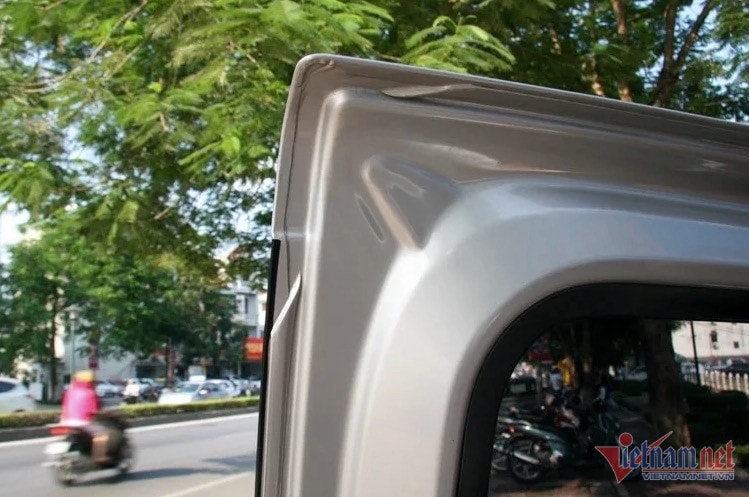
The door gap, especially the door edge, is a very vulnerable area in case of a collision and will reveal that the car has been in an accident. The door gaps and edges of car doors are usually stamped directly at the factory, so they are very seamless, highly accurate, and uniform.
If the car has been in an accident, the door edges will have been manually re-sealed. However, no matter how skilled the craftsman, the edges and gaps of the door cannot be perfectly even. Additionally, if the sealant on the door is uneven, mismatched in color, stiff, etc., it's very likely that the door has been in an accident and needs to be re-sealed.
Under the hood, trunk lid
After a serious frontal collision, while the top of the hood can be easily repaired and repainted, the underside of the hood is where the car's condition is most exposed, as it contains the frame and complex components that are not easily restored to their original state.
For cars that have never been in an accident, the underside of the hood will be straight, even, and free of dents or patches. The edges on both sides should be symmetrical and not warped when closed. The small holes on the hood's frame should be intact and not distorted.
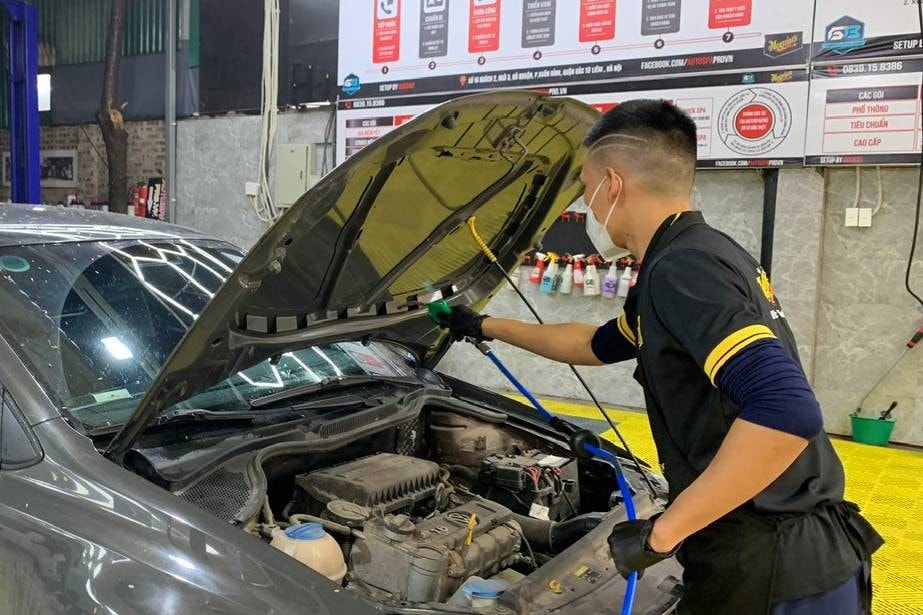
Similar to the hood, open the trunk, lift the floor mat and trunk cover, and observe every small detail, especially the edges. Check if both sides are symmetrical and look for any signs of dents, patching, or previous collisions. Also, check if the edges of the rear door are even and if the sealant is intact.
If there are signs of straightening, reshaping, or re-sealing, it's almost certain the car has been involved in a serious rear-end collision. No matter how skilled the mechanic is, the dents inside the trunk cannot be restored to their original condition.


