
How can we 'revive' traditional markets?
With the development of the internet and the habit of buying and selling on social media, the bustling scene commonly seen in traditional markets has changed. The question now is how to maintain and develop traditional markets to meet the demands of development and serve social welfare.
Traditional markets are deserted.
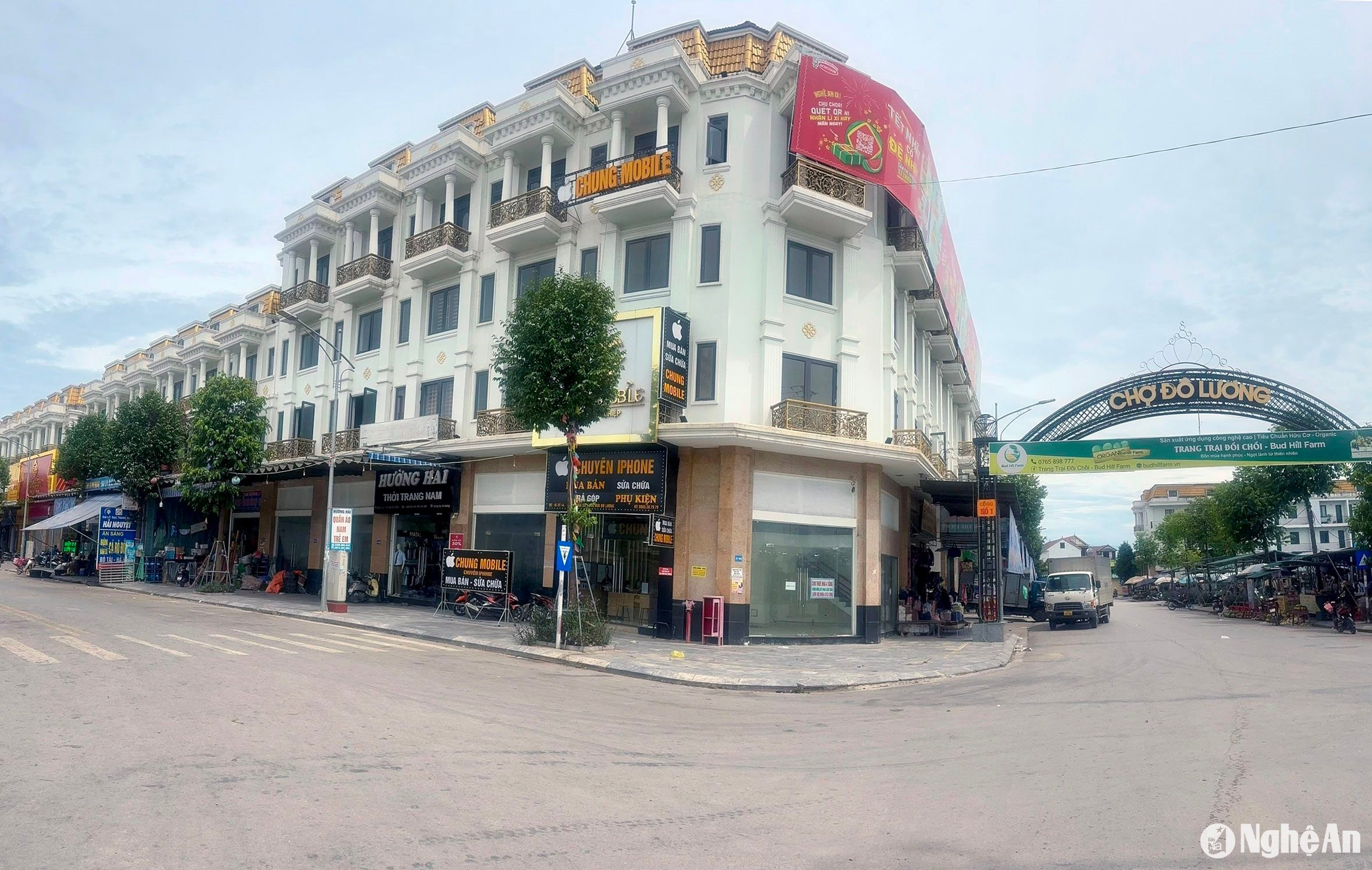
The Do Luong Market and Commercial Center, located in Do Luong town and Yen Son commune, adjacent to National Highway 7, officially opened at the end of 2021. This area boasts a prime business location, serving as a gateway connecting to neighboring areas, a crucial factor for business success.
Ms. Hang, a small business owner selling agricultural products here, said: “We feel more secure doing business in the new market. The newly built market is spacious, modern, clean, and beautiful. We no longer have to worry about electrical short circuits, and security and order are guaranteed. However, business is becoming increasingly difficult. Online sales are booming, and coupled with the hot weather, fewer people come to the market to buy goods. Some of us small business owners have to sell directly in-store while also promoting our products on Facebook to find orders and ship them directly to consumers.”
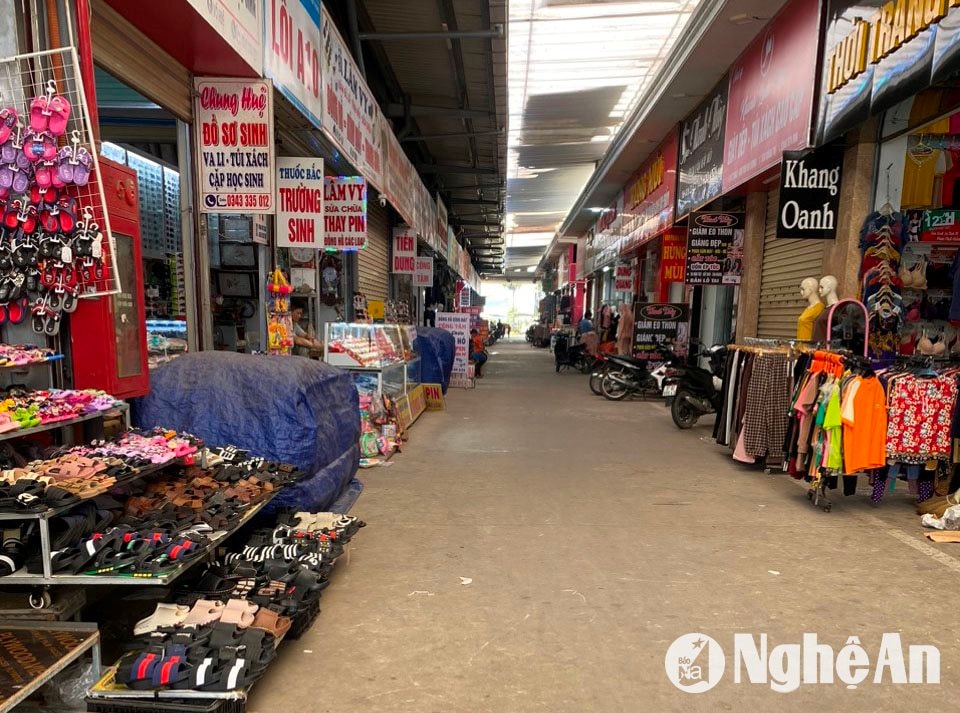
Mr. Nguyen Cong Minh, Director of the Do Luong Market Management Board, said that after nearly two years of operation, the unit has made a significant contribution to the district's budget, but business is becoming increasingly difficult. Currently, the vegetable and fruit stalls at the wholesale market are still operating effectively, with vendors actively trading from 3 am to 7 am, while other areas are generally quiet. Since the beginning of the year, many traders have taken time off, especially in the fashion and cosmetics sectors. Currently, only about 60% of traders are still doing business, and the situation is expected to worsen.
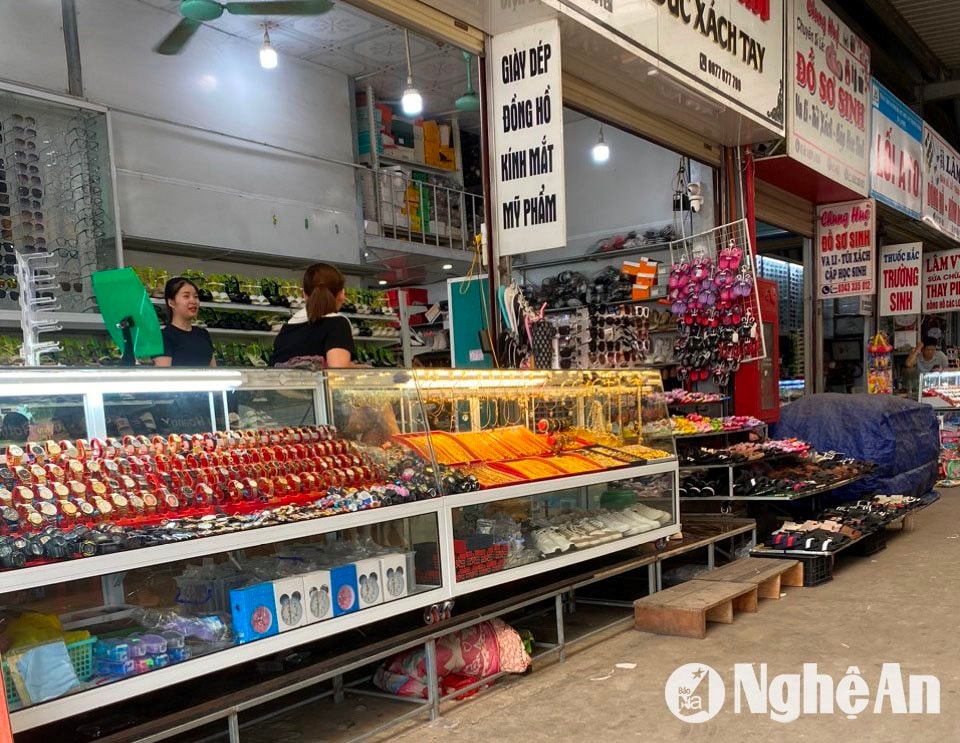
This is the current general picture of traditional markets. The habit of buying and selling goods online has changed the bustling scene of buyers and sellers that used to be in traditional markets.
Even in Vinh City, some large markets and wholesale hubs are now deserted, with vendors sitting around looking bored and scrolling through their phones. A handbag vendor on the second floor of Vinh Market shared: "Business is slow, and doing business in the market incurs high costs for rent, transportation, etc., so it's difficult to compete with online businesses in terms of prices."
Besides the difficulties caused by fierce competition from online businesses, traditional markets also face many other shortcomings. According to assessments, only a few large-scale, modern markets that attract investment meet the requirements for fire safety and environmental hygiene, such as the Do Luong Traditional Market and Commercial Center, Kim Son Market (Que Phong), and Hoang Mai Market. Many other markets remain semi-permanent, with makeshift facilities.
Local markets share common characteristics: goods are displayed haphazardly, walkways are obstructed, tarpaulins are used for extensions, electrical systems are dilapidated, and fire safety measures are inadequate... posing a constant risk of fire and explosions, especially during the hot season. Most markets are only equipped with basic equipment like fire extinguishers and hammers, lacking dedicated storage facilities and instead utilizing existing business premises as storage space.
At Vinh Market, the largest market in Nghe An province, many vendors do not keep their goods in stalls but instead spread them across the walkways, narrowing the passageways and hindering rescue and evacuation efforts in case of an emergency.
Markets in Vinh City are in a similar situation. At Quan Lau Market, after nearly 30 years of operation, many facilities have seriously deteriorated. In particular, the electrical system supplying power to the market is rusted and damaged, posing a high risk of short circuits.
Furthermore, most markets lack designated waste collection points, resulting in indiscriminate littering that detracts from aesthetics and negatively impacts environmental hygiene. The main goods sold in these markets currently include fresh food, groceries, dried and processed agricultural products, and products from small-scale producers. Fresh food accounts for the largest number of businesses, at 47.6%. These products are primarily processed within the market itself, in areas not specifically designed for them, lacking adequate drainage and wastewater treatment systems. This often leads to high levels of pollution and increases the risk of disease outbreaks.
Increase competitiveness
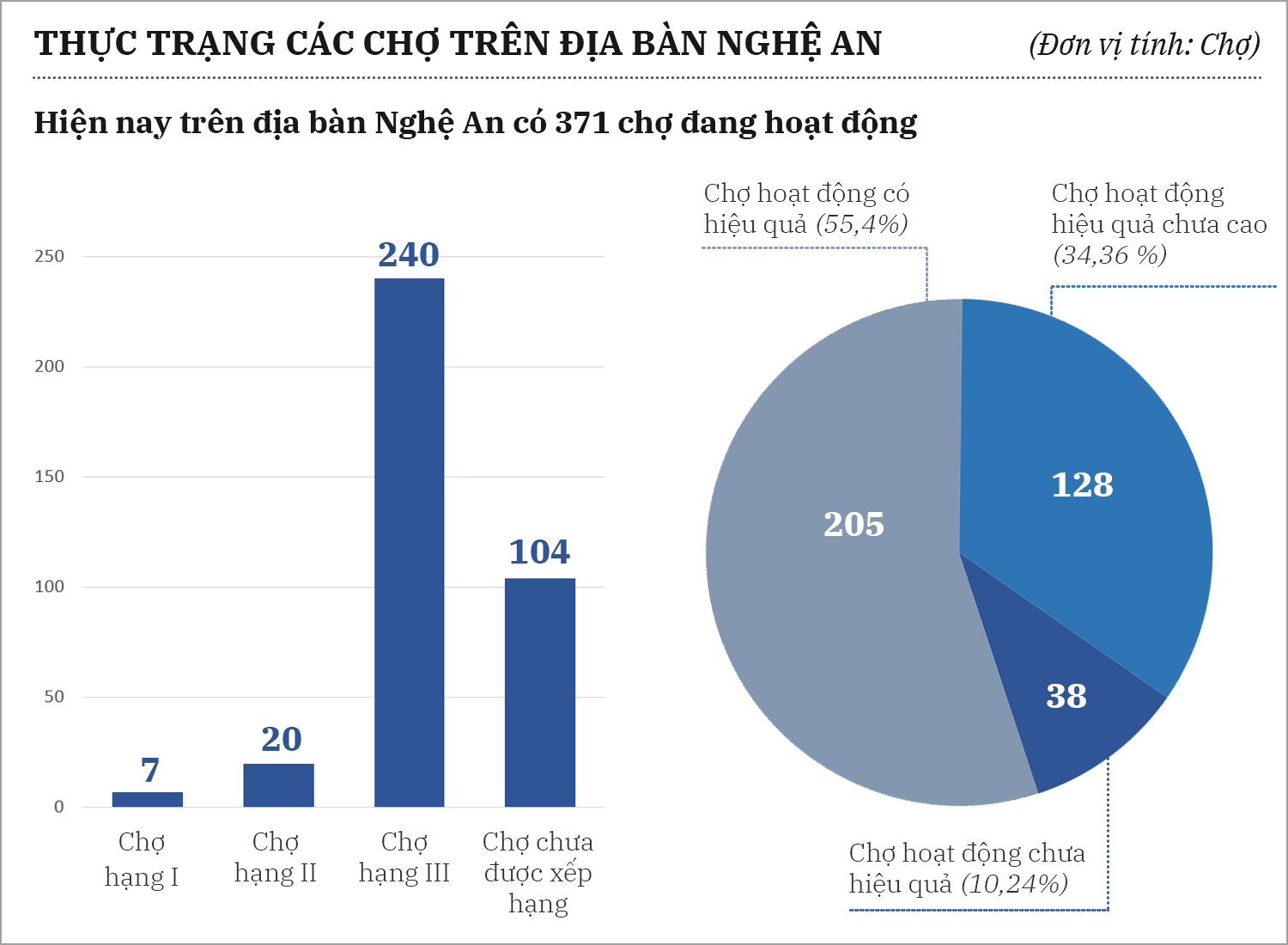
According to the Nghe An Department of Industry and Trade, there are currently 371 active markets in the province, including 7 Class I markets, 20 Class II markets, 240 Class III markets, and 104 unclassified markets. Most markets are built on public land, with a few on land invested in by businesses/cooperatives. The majority of these markets existed before the Government issued Decree No. 02/2003/ND-CP, with business stalls averaging only 2-2.5 square meters.2(not yet meeting the required 3m standard)2.
During the period 2021-2024, Nghe An province mobilized nearly 25 billion VND in investment resources to build and renovate several rural markets. In addition, based on development investment capital from the central government budget under the National Target Program for socio-economic development in ethnic minority and mountainous areas, during the 2021-2024 period, 11 more markets in ethnic minority and mountainous areas were built and upgraded with a total of 16.01 billion VND.
Mr. Cao Minh Tu, Deputy Director of the Department of Industry and Trade, stated: The market network in the province has developed significantly in recent years, contributing to boosting the consumption of goods and meeting the needs of production and people's lives in the area. The socialization of market investment has initially shown positive progress, creating momentum to encourage businesses and cooperatives inside and outside the province to participate in investing in, managing, and operating markets in the province. Markets in mountainous and rural areas have received attention from all levels, sectors, and localities, being integrated into programs to secure funding for renovation, upgrading, and new construction.
Nghe An is the largest province in the country, with two-thirds of its terrain being mountainous, and its markets have long been formed and developed spontaneously. Therefore, the province's investment in upgrading, renovating, and building new markets during the 2021-2024 period, totaling approximately 40 billion VND, is a modest achievement. State management of the market system remains inadequate, lacking decisive direction from the district to the commune level; it is still being implemented according to Government Decrees No. 02/2003/ND-CP and No. 114/2009/ND-CP, which are no longer suitable for the current reality and relevant legal regulations (Government Decree No. 60/2024/ND-CP on market development and management, effective August 1, 2024).
Support services at markets are still basic, mainly focusing on loading, unloading, and transporting goods. This is especially true in rural and mountainous markets, where it's almost the only service available. Value-added services such as processing, packaging, preservation, financial services, and information services are underdeveloped. There is also a lack of services like product promotion and sales on digital platforms like Zalo and Facebook, which are essential for finding wholesale and retail suppliers.
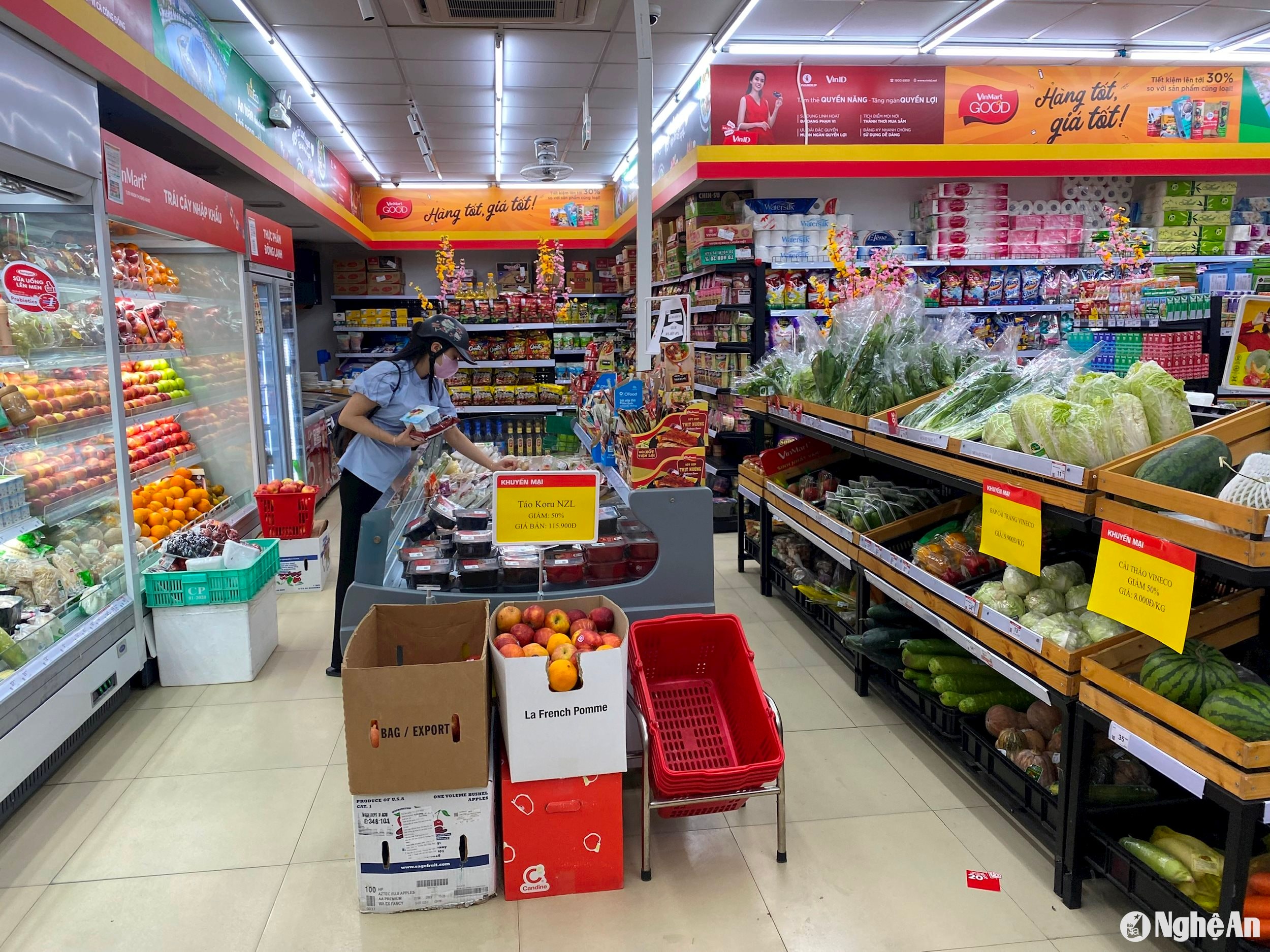
Meanwhile, the impact of the digital economy has changed people's shopping and consumption habits, shifting from direct purchases to e-commerce. On the other hand, the rapid development of modern distribution systems such as supermarkets, shopping malls, convenience stores, shops along major roads and around markets, etc., has affected the operational efficiency of traditional markets.
The biggest advantage of traditional markets is that customers can experience the products firsthand. To develop the market network and maximize its role in promoting the circulation and consumption of goods and serving people's lives, it is necessary to develop a market network development plan that aligns with urban planning and new rural construction planning.
Focus investment on developing and modernizing markets in urban areas; upgrading and renovating traditional markets in rural areas, primarily local markets, periodic markets, and temporary markets, ensuring environmental hygiene and safety conditions, as well as fire prevention and control.
Besides solutions to strengthen state management, mechanisms, and policies, it is necessary to diversify sales methods. With the current trend of digital transformation in business, small traders need to change the services they provide to customers; proactively access online and livestreaming business channels to keep up with market demands. At the same time, they need to improve service quality, build a civilized and courteous business culture, and better meet the needs of customers and consumers when they come to traditional markets.
Mr. Cao Minh Tu – Deputy Director of the Department of Industry and Trade


