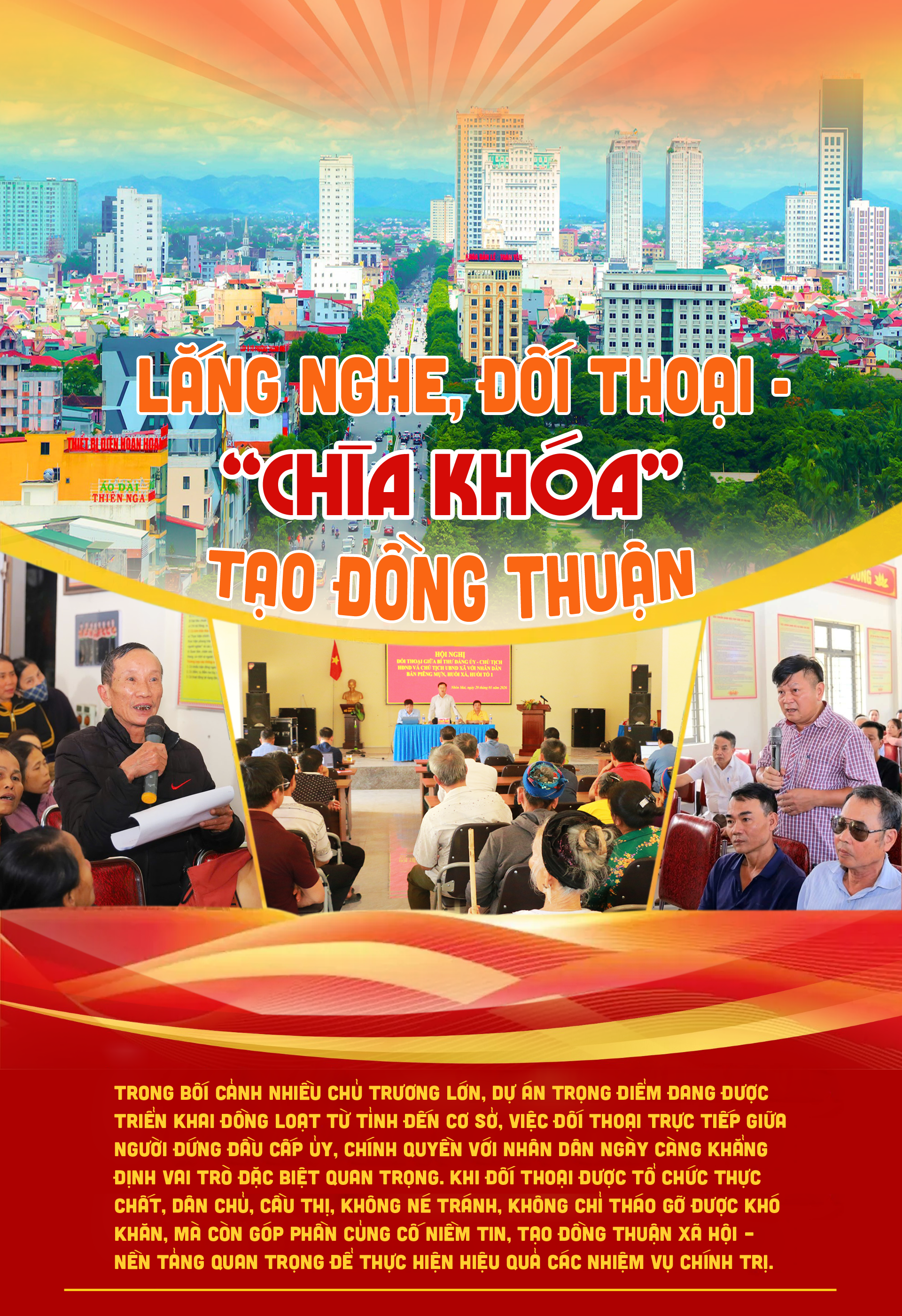
Listening and dialogue are the "keys" to building consensus.
In the context of numerous major policies and key projects being implemented simultaneously from the provincial to the grassroots level, direct dialogue between the heads of Party committees and government with the people is increasingly affirming its particularly important role. When dialogue is conducted in a substantive, democratic, and open-minded manner, without avoidance, it not only resolves difficulties but also contributes to strengthening trust and creating social consensus – an important foundation for effectively carrying out political tasks.
Content:Khanh Ly/Present:Hong Toai• January 30, 2026
---------------o0o---------------
In practice, dialogue is not only a form of democratic practice, but also a measure of the leadership and management capabilities and sense of responsibility of the staff.
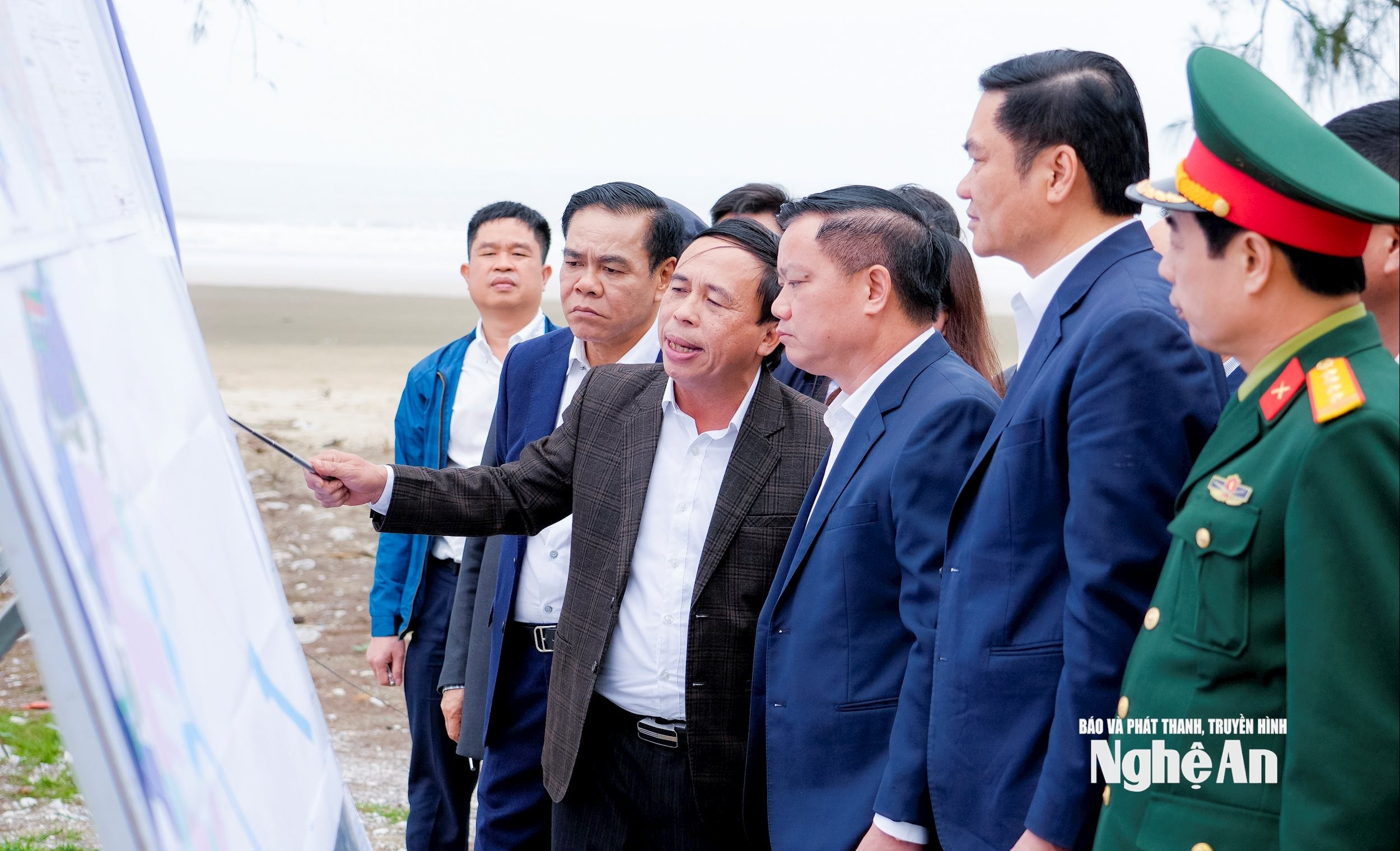
In Tan Mai ward, where the Quynh Lap LNG power plant project – a key national project with a capacity of 1,500 MW and an estimated total investment of approximately 55,946 billion VND – is being implemented, the compensation and land clearance process is considered a crucial step. Without the consensus of the local people, it will be very difficult to complete the project on schedule.
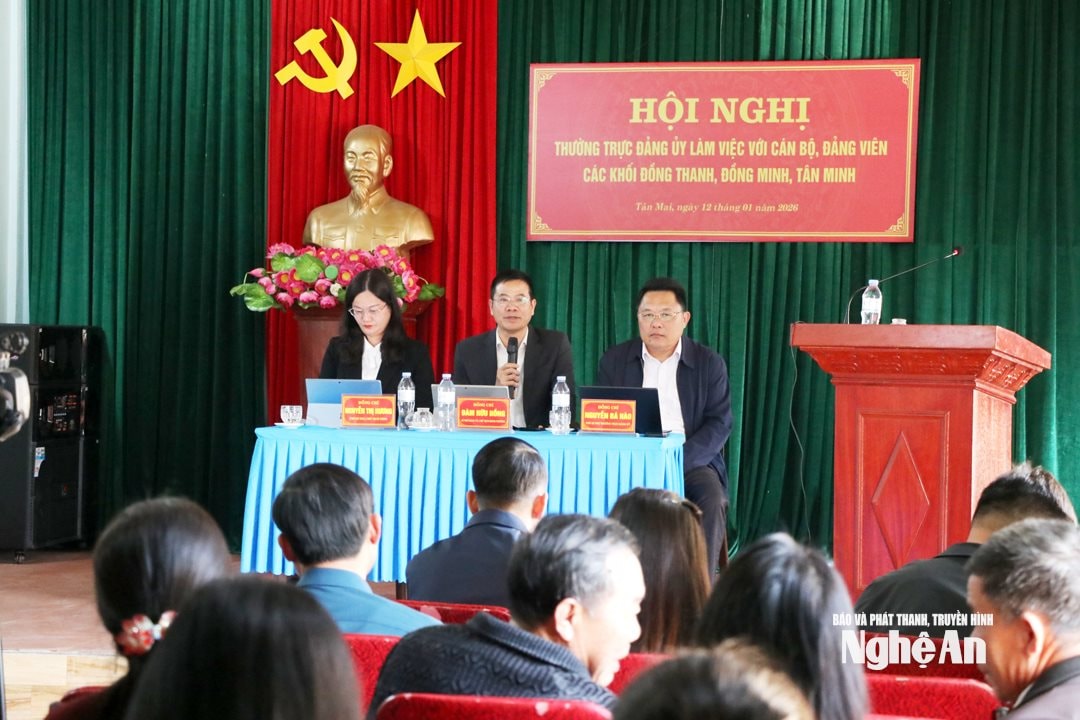
Recognizing this, the Standing Committee of the Tan Mai Ward Party Committee recently organized a direct dialogue with the Party branch committees, block committees, heads of the Fatherland Front working committees, and heads of mass organizations of the three residential blocks directly affected by the projects: Dong Minh, Dong Thanh, and Tan Minh.
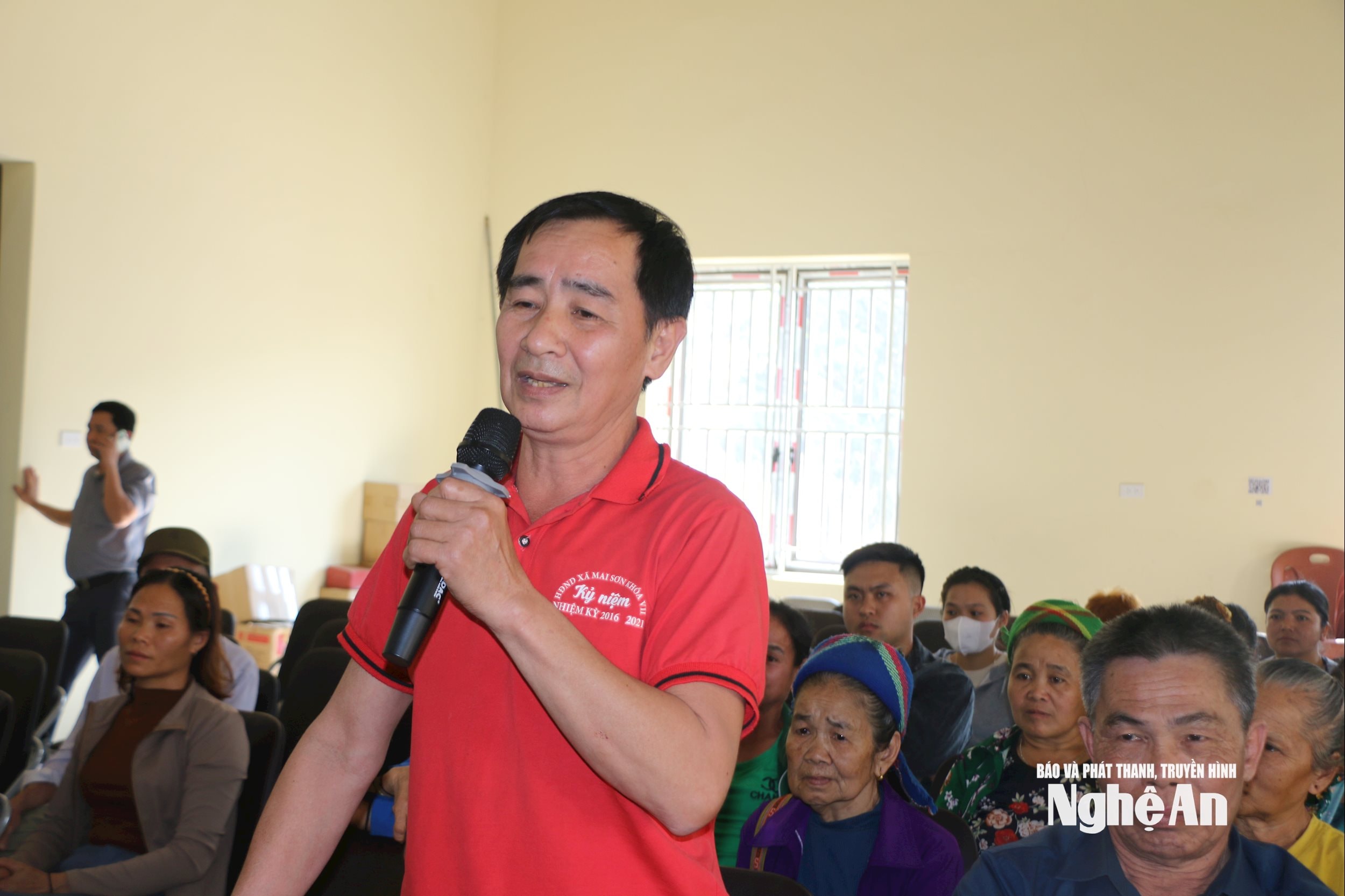
The dialogue took place in a democratic, frank, and open atmosphere; people were allowed to express their thoughts, concerns, and suggestions; and the government did not shy away from difficult or sensitive issues.
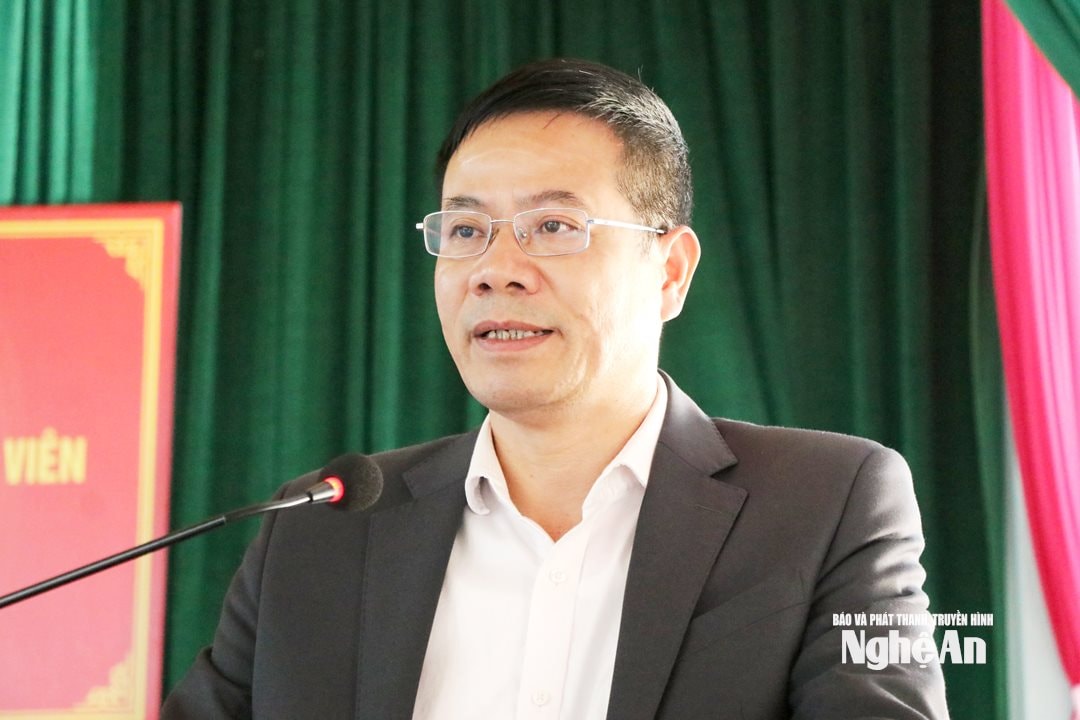
Speaking at the dialogue session, Comrade Dam Huu Hong – Secretary of the Tan Mai Ward Party Committee – emphasized the urgent need for the project to ensure progress according to the Power Development Plan VI and the revised Power Development Plan VII. He affirmed that the Standing Committee of the Provincial Party Committee had repeatedly inspected the site and assigned specific tasks to the locality, including the requirement to complete compensation and land clearance work and build a resettlement area so that the project could commence on April 30, 2026.
In that spirit, along with issuing directives to the People's Committee of the ward to develop compensation and land clearance plans; and establishing a working group to review the current land use and assets on the land in the planned area, the Standing Committee of the Ward Party Committee proactively included dialogue with the people in its work program.
During the dialogue, the leaders of Tan Mai ward publicly and transparently provided basic information related to the project: the land acquisition plan, compensation, support, and resettlement; and anticipated difficulties and obstacles such as encroachment, illegal construction on planned land, and the large number of graves that need to be relocated. Through this, the people were able to "know," "discuss," and ultimately "understand" the project and cooperate with the Party committee and government in its implementation.
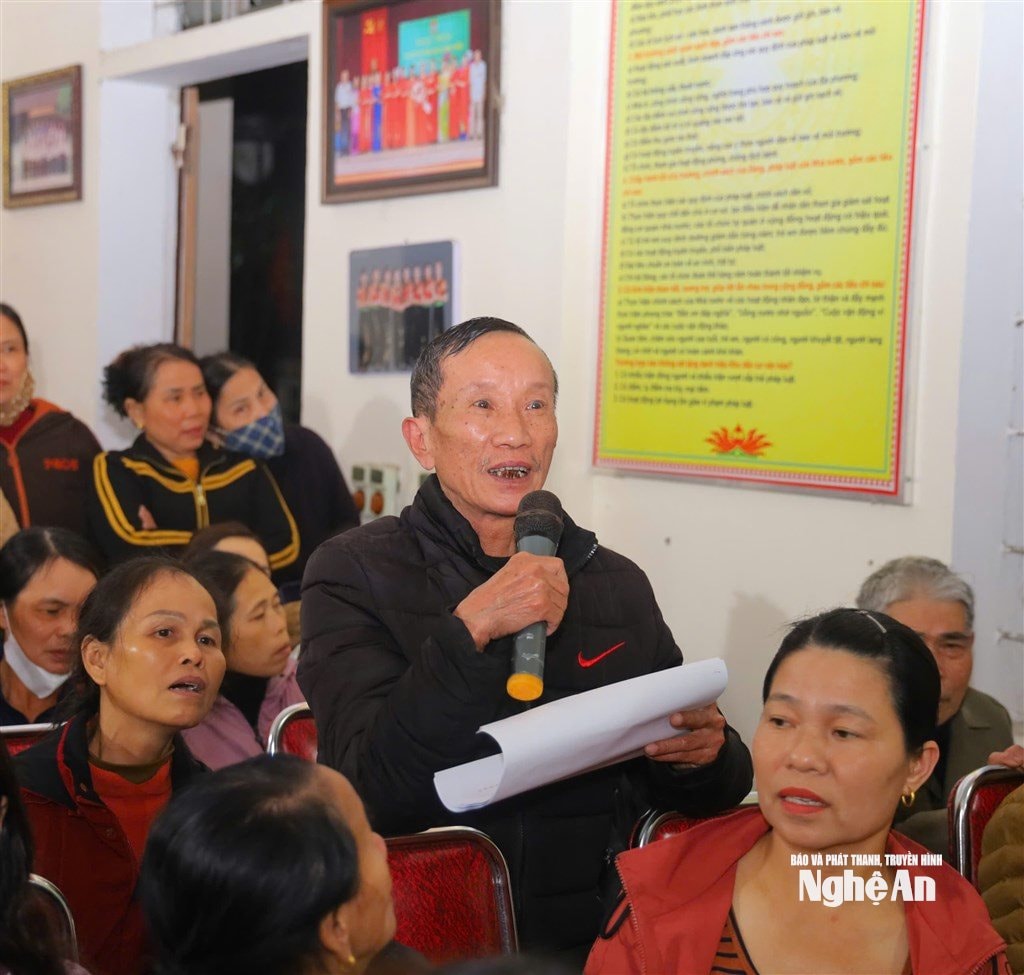
With frank and open suggestions from the Party and government leaders, many people's opinions were publicly expressed, focusing on pressing issues such as compensation, support, and resettlement policies, as well as concerns arising from previously stalled projects.
Mr. Tran Xuan Hoang, a resident of Dong Minh neighborhood, believes that socio-economic development, especially energy development, is an essential requirement; cadres and Party members, particularly leaders, must take the lead in disseminating information and mobilizing the people. According to him, many issues will inevitably arise during the compensation and land clearance process, but "if we skillfully persuade and resolve issues fairly and reasonably, even the most difficult problems can be solved." However, he also expressed his hope that the government would pay more attention to the legitimate rights of the people, especially regarding resettlement, so that people can feel secure and stable in their lives.
Responding to public feedback, the leaders of Tan Mai ward affirmed that they will continue to organize thematic dialogues, promptly address difficulties, and strengthen communication efforts to ensure that people understand the purpose, significance, and importance of the project, thereby gaining their consent to hand over the land and ensuring the overall progress.
Not only in Tan Mai ward, but in recent times, many localities in the province have transformed dialogue into a direct and effective channel for mobilizing the people. People are no longer hesitant to express their opinions; officials and leaders also do not shy away from facing "hot" and long-standing issues.
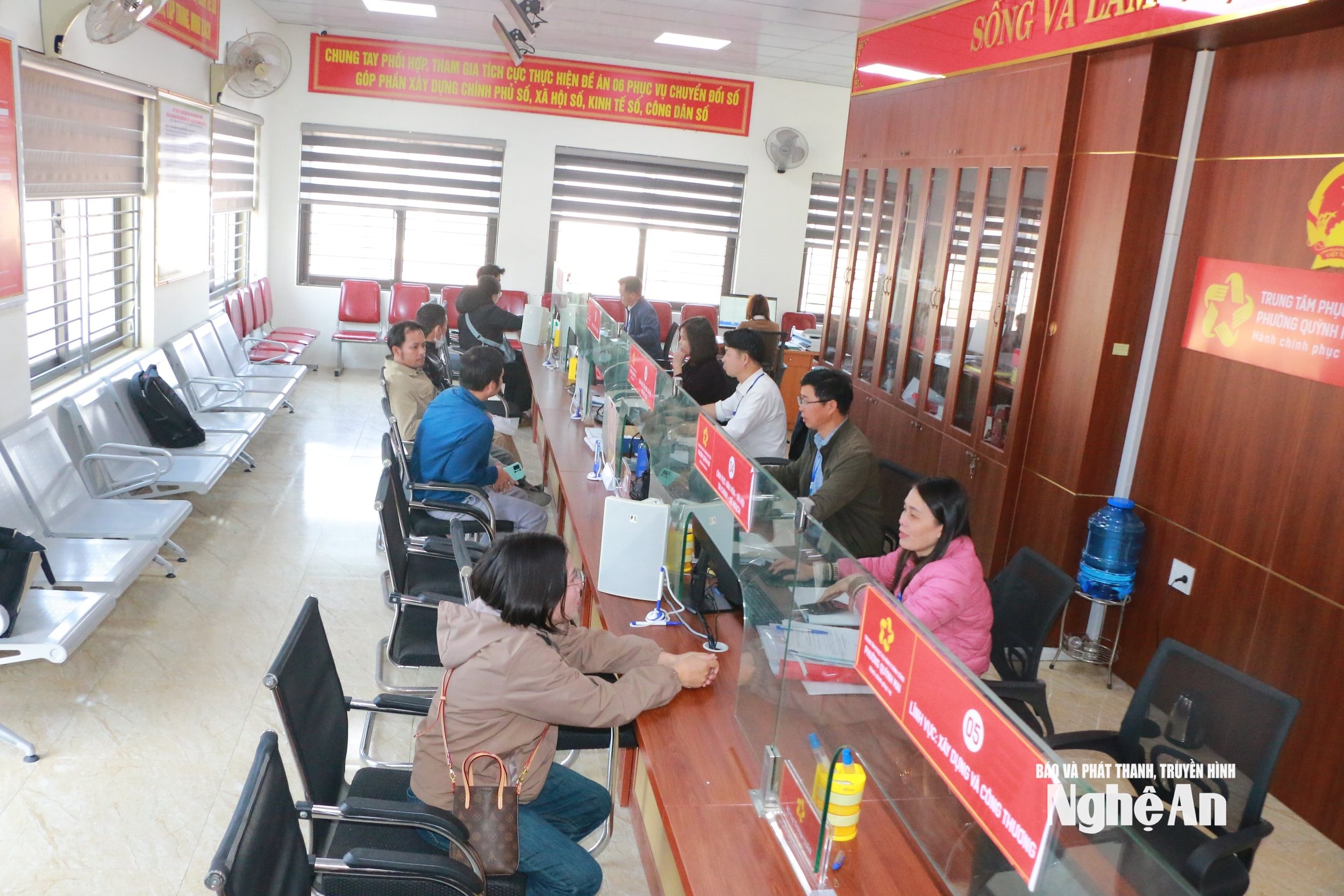
In Quynh Mai ward, after the implementation of the two-tiered administrative system, the Party committee and local authorities organized numerous dialogues to focus on resolving prominent issues such as land-related complaints within the 13.5m radius (National Highway 1A expansion and upgrade project), the 110kV Quynh Luu – Nghi Son power line project, fuel subsidy policies for fishing vessels, and handling IUU violations…
Through dialogue, many outstanding issues have been resolved, contributing to stabilizing the situation at the grassroots level. For example, to date, the authorities have resolved outstanding cases regarding fuel payments under Decree 48 for 254 fishing vessels, as well as the issue of handling 63 vessels violating IUU regulations since February 2024…
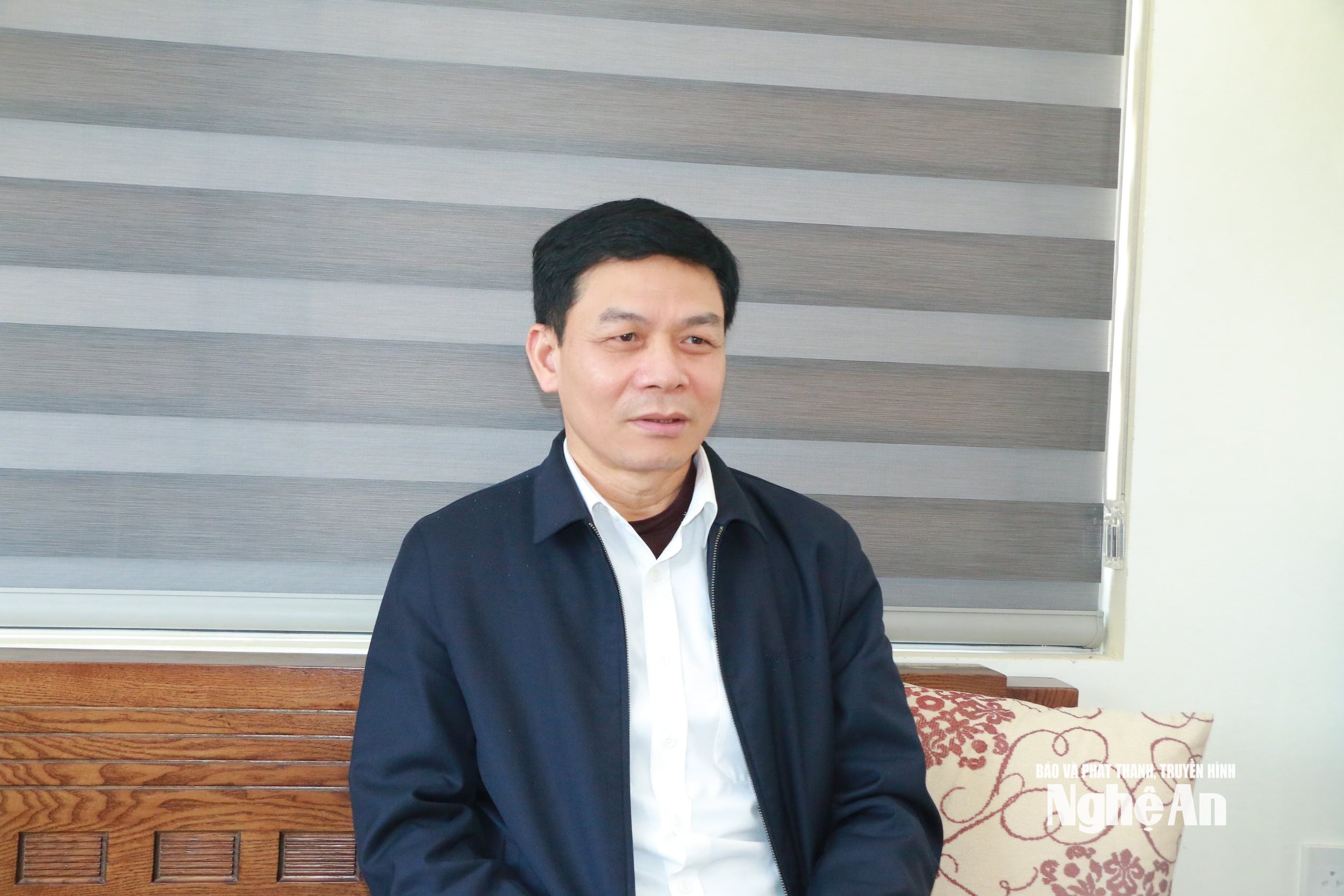
According to Ho Van Cay, Chairman of the People's Committee of Quynh Mai Ward: "The more interaction between the government and the people, the higher the level of consensus. Dialogue helps the government understand the true nature of the issues, while the people better understand the policies and guidelines, thereby finding common ground."
In Hung Nguyen Nam commune, direct dialogue has been identified by the Party committee and local government as a key solution to resolve difficulties and create consensus. Beyond dialogue in meeting halls, commune leaders and specialized departments proactively "go door-to-door," meeting directly with each household facing problems.
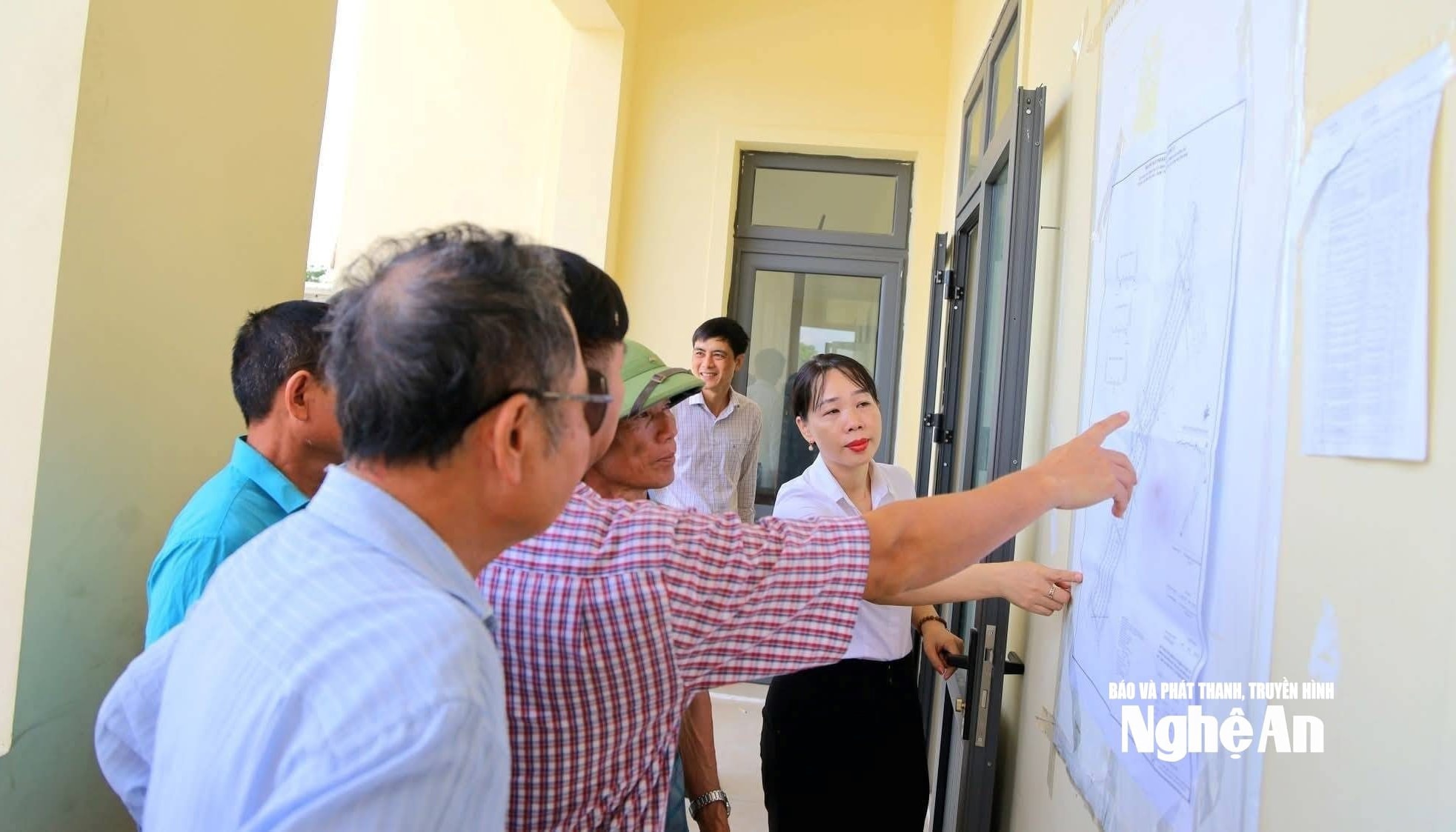
It is this proactive approach of listening and engaging in specific discussions that has helped resolve many long-standing issues in a fair and reasonable manner, ensuring compliance with legal regulations while safeguarding the legitimate rights and peace of mind of the people.
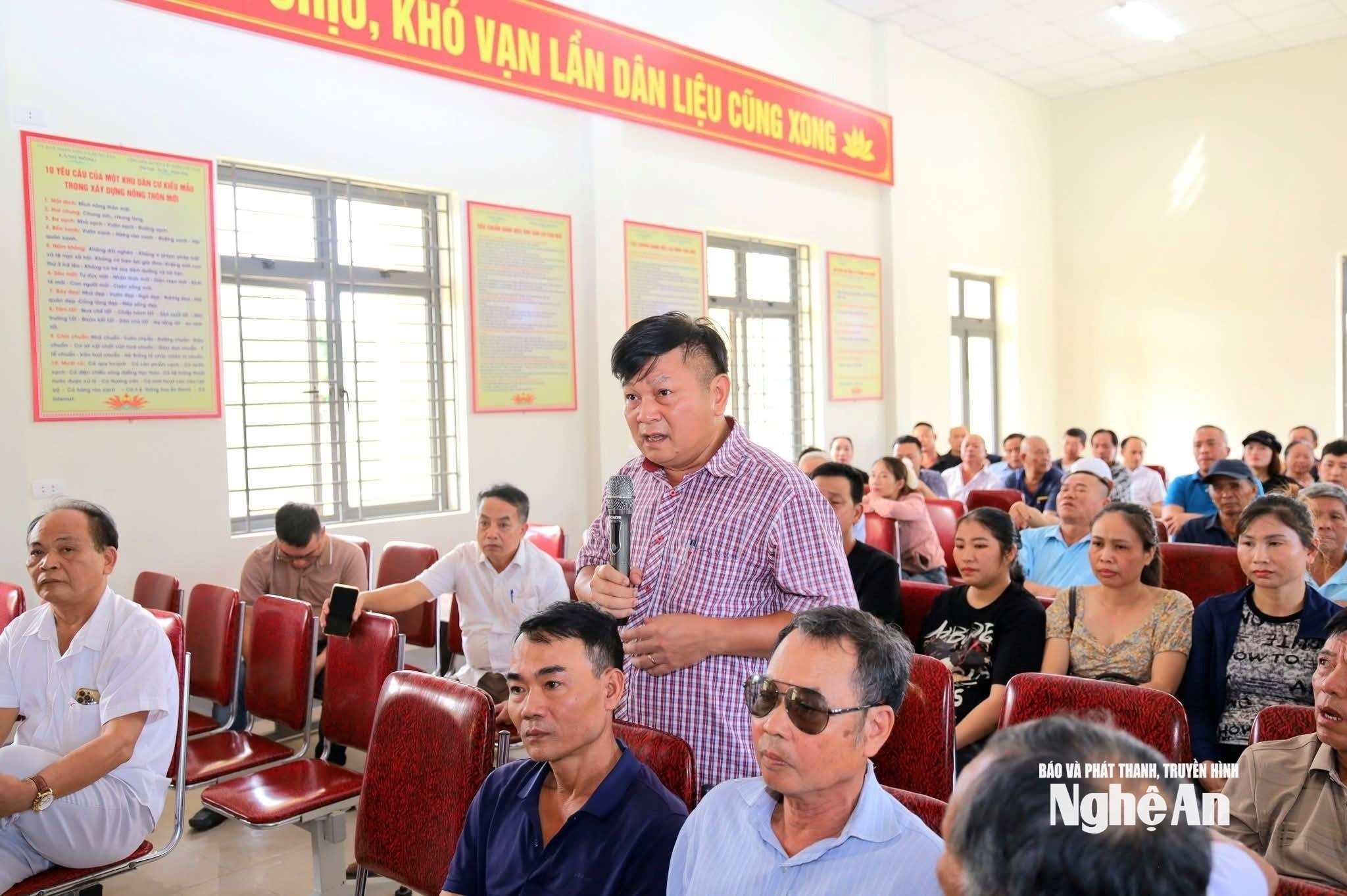
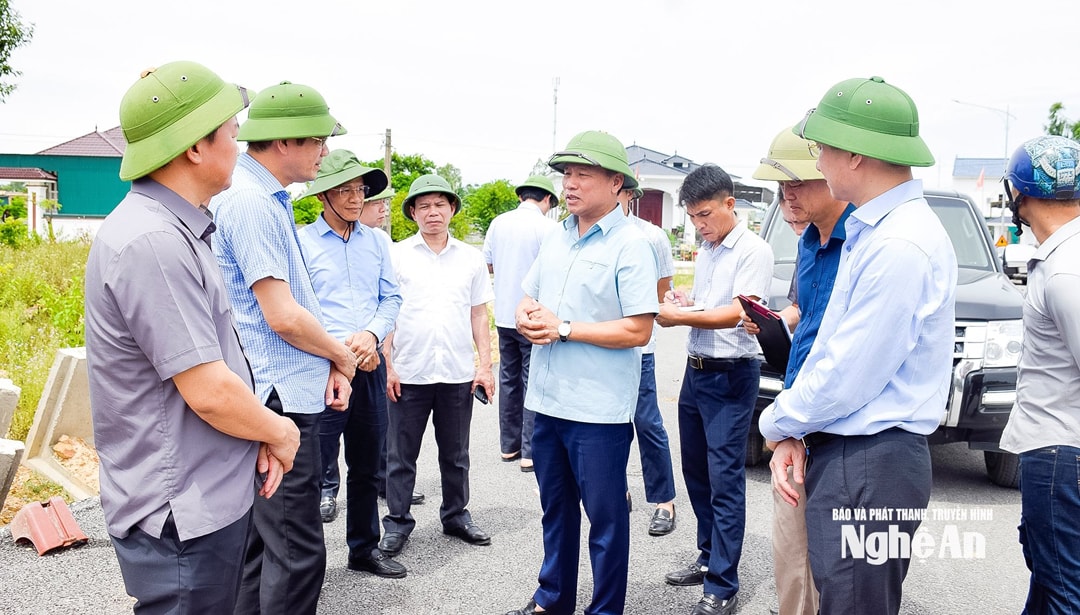
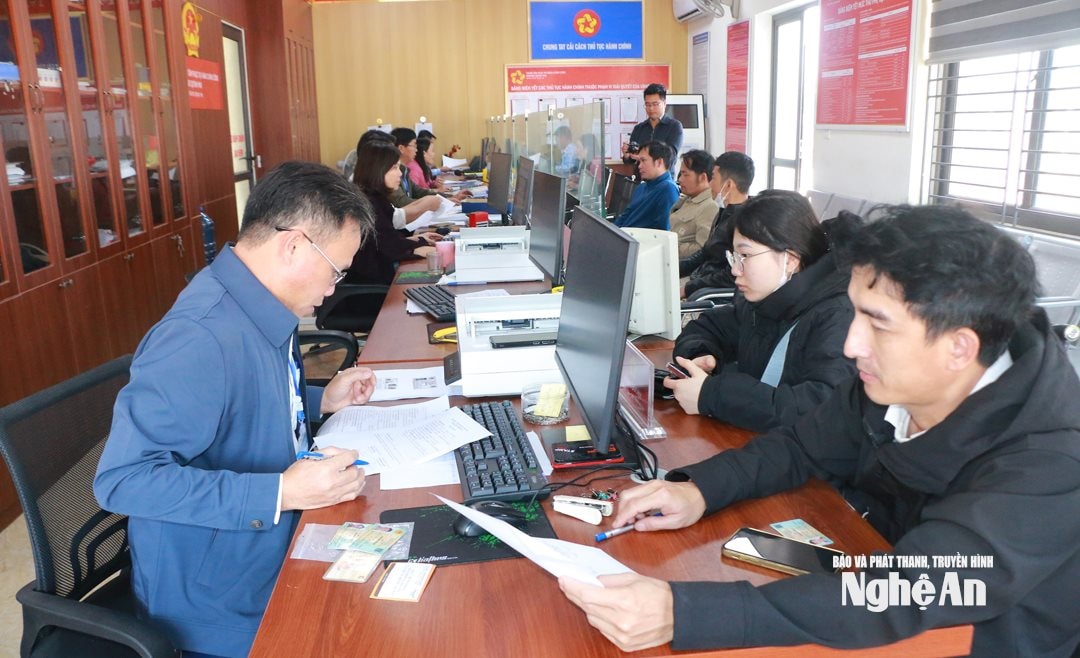
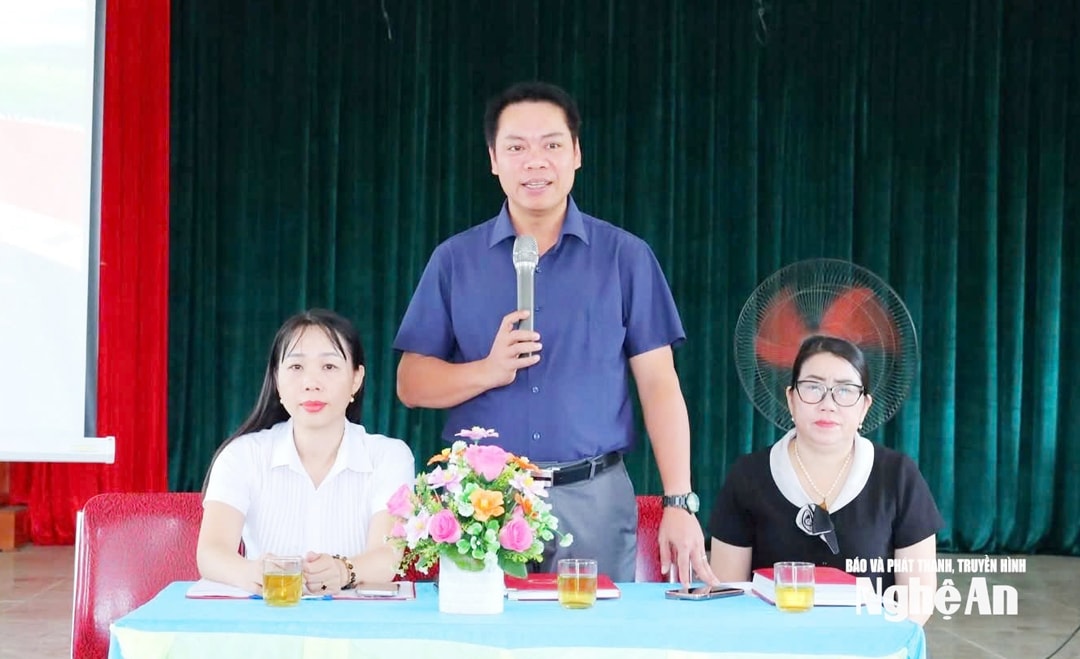
For example, immediately after the establishment of the two-tiered administrative system, the People's Committee of the commune organized a consultation with households benefiting from the project to upgrade and construct the road in residential cluster 2, Xuan Lam commune. Based on the feedback received from the people and in accordance with legal regulations, the People's Committee of the commune issued a decision and a notice to halt the implementation of the investment project – clearly demonstrating a respect for reality, respect for the rights of the people, and prioritizing the common good. Another example relates to the land clearance work for the North-South expressway (passing through Hung Nguyen Nam commune with a total length of approximately 2.3km).
Diện tích bị ảnh hưởng khoảng 270.000m2, of which the residential land area is approximately 29,000m².2(The number of households expected to be relocated is approximately 145). The Party Committee and the People's Committee of Hung Nguyen Nam commune have held numerous meetings to gather public opinion on the proposed location and layout of the resettlement area.
Qua đó nhằm tạo sự thống nhất đẩy nhanh tiến độ, đảm bảo đúng quy định pháp luật, đảm bảo quyền lợi của người dân và yêu cầu của dự án. Đồng thời tiếp tục nắm bắt tâm tư, nguyện vọng của người dân để đề xuất kịp thời lên các cấp liên quan.
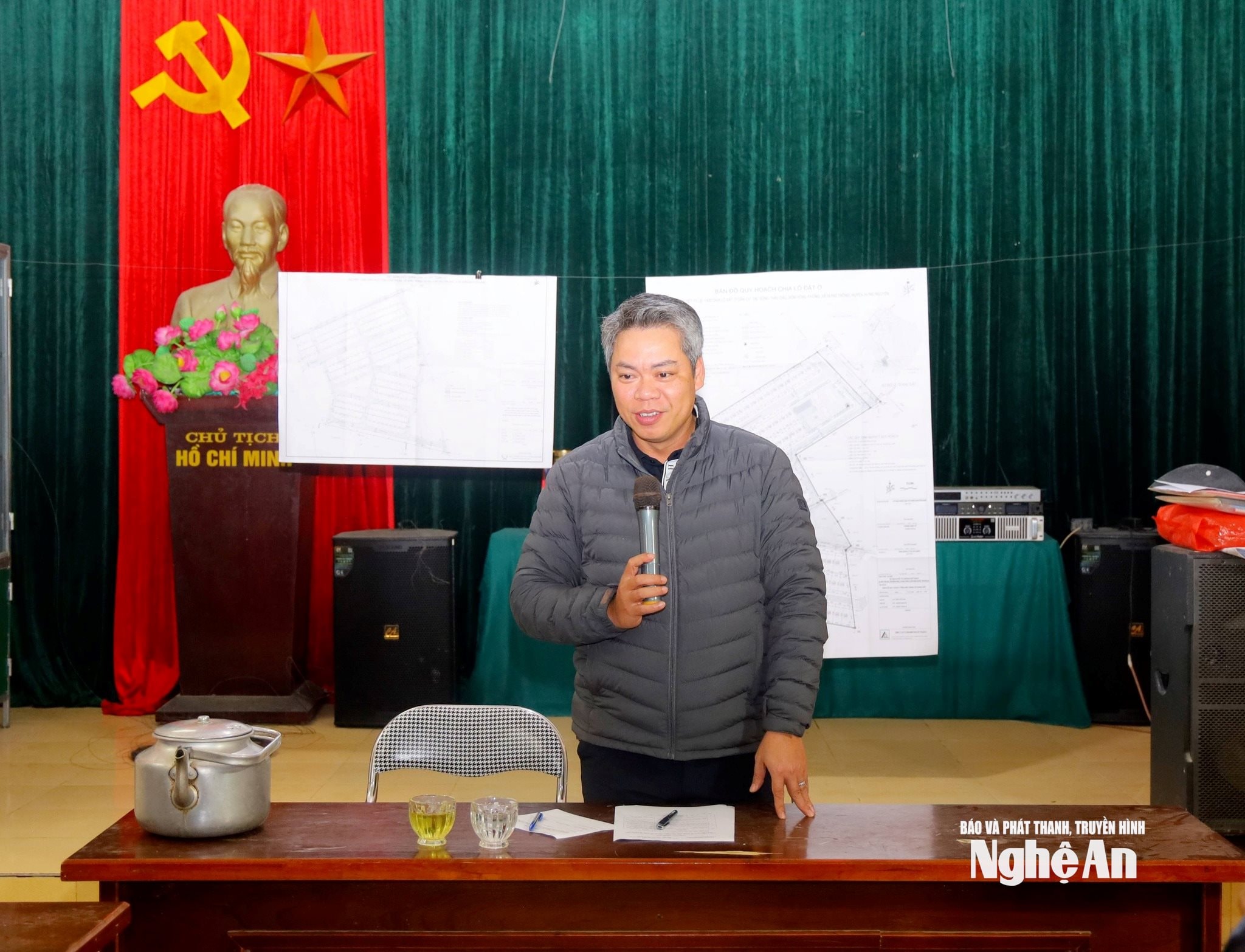
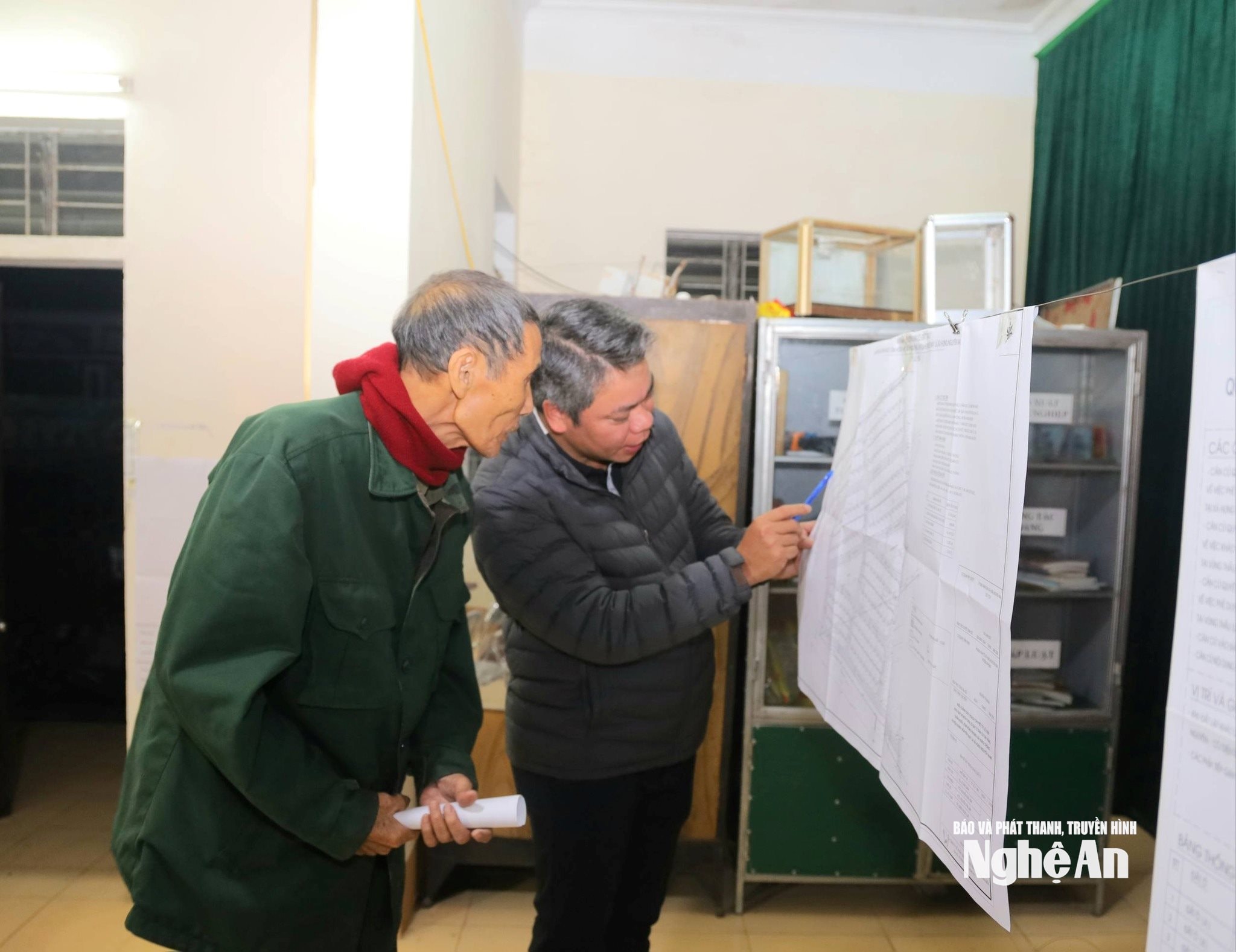
Theo Chủ tịch UBND xã Hưng Nguyên Nam Cao Anh Đức, mọi tồn đọng đều liên quan trực tiếp đến quyền lợi của người dân, vì vậy đối thoại luôn được ưu tiên hàng đầu. Thực tế cho thấy, việc lấy ý kiến Nhân dân đối với các dự án hạ tầng, kể cả quyết định dừng chủ trương đầu tư khi chưa đạt đồng thuận, đã góp phần củng cố niềm tin, tạo sự đồng hành giữa chính quyền và Nhân dân.
Sau 5 năm thực hiện Đề án số 07-ĐA/TU ngày 24/11/2021 của Ban Thường vụ Tỉnh ủy về đổi mới, nâng cao hiệu quả tiếp xúc, đối thoại với Nhân dân, công tác này tại Nghệ An đã từng bước đi vào nền nếp, thực chất. Toàn tỉnh đã ban hành hàng nghìn văn bản chỉ đạo, tổ chức hàng nghìn cuộc đối thoại ở các cấp, thu hút đông đảo Nhân dân tham gia; nhiều ý kiến được giải quyết ngay tại hội nghị, tỷ lệ hài lòng của người dân ngày càng tăng.
Đặc biệt, sau khi chính quyền hai cấp đi vào vận hành, cấp uỷ, chính quyền cấp xã đã tổ chức các cuộc đối thoại, lắng nghe, ghi nhận, tháo gỡ những khó khăn ở cơ sở. Nội dung đối thoại không chỉ tập trung vào giải quyết khiếu nại, tố cáo, mà còn được tổ chức theo chuyên đề, gắn với nhiệm vụ xây dựng Đảng, phát triển kinh tế - xã hội. Như tại xã Mậu Thạch, thông qua đối thoại chuyên đề về công tác phát triển đảng viên, nhiều “điểm nghẽn” đã được tháo gỡ, góp phần nâng cao năng lực lãnh đạo của tổ chức Đảng ở cơ sở. Nhờ vậy từ ngày 1/7/2025 đến hết năm 2025, Đảng bộ xã Mậu Thạch đã kết nạp thêm 11 đảng viên mới (tính cả năm là 14 đảng viên).
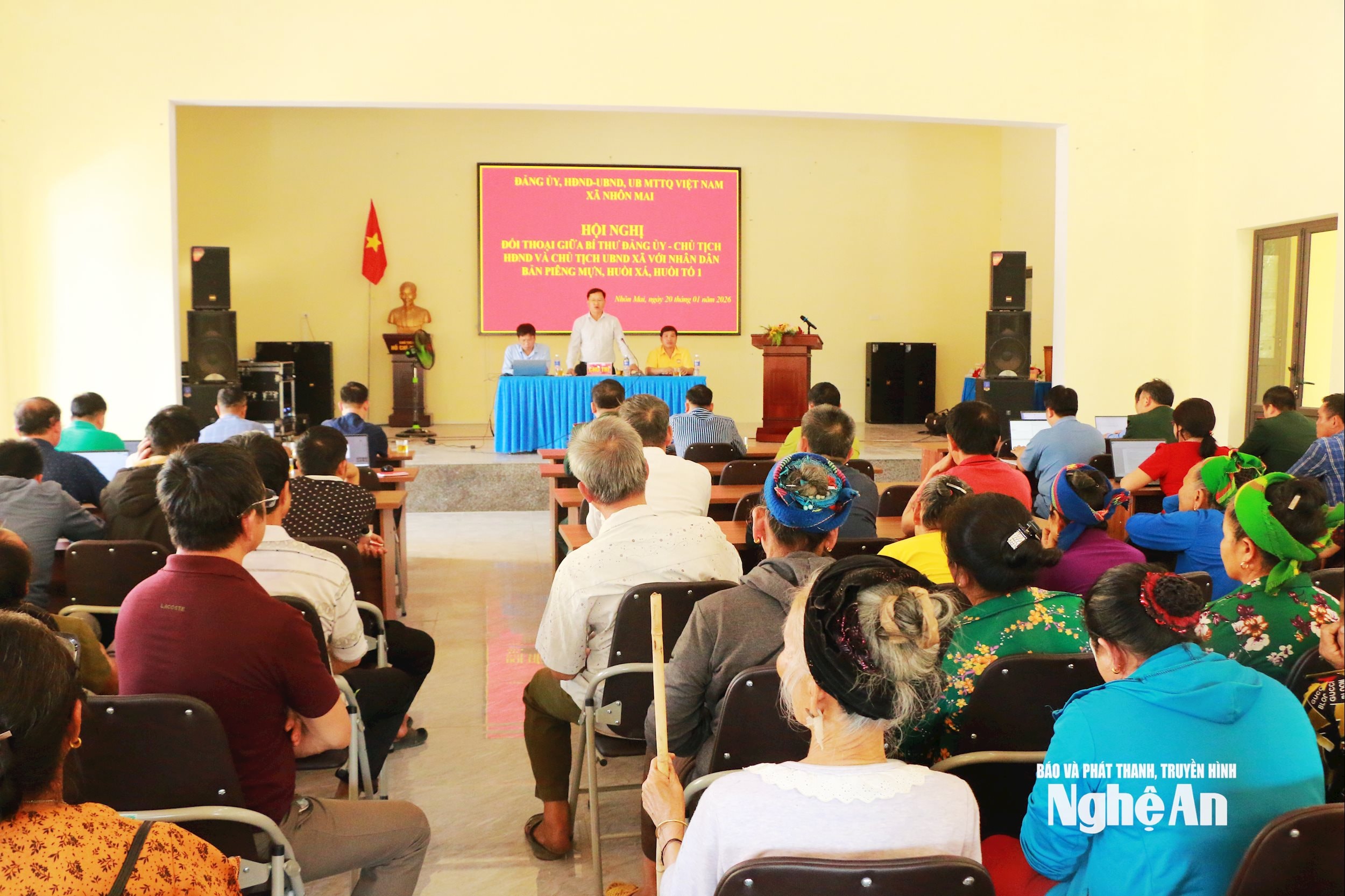
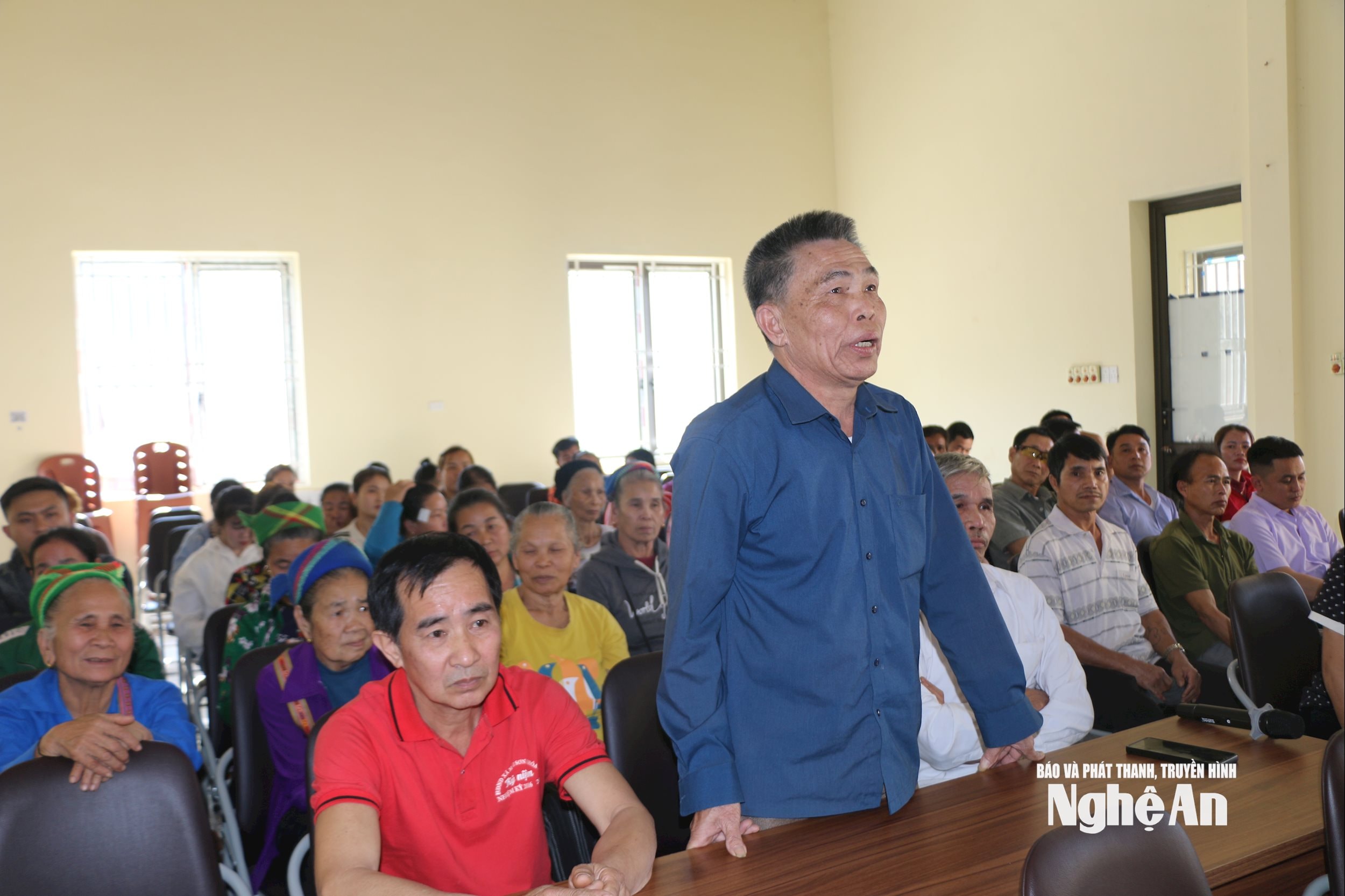
Tại xã biên giới Nhôn Mai, các cuộc đối thoại đầu năm 2026 tập trung vào những vấn đề thiết thực với đời sống Nhân dân như sản xuất nông nghiệp, nhà ở, giao thông, nước sinh hoạt, an sinh xã hội, quốc phòng - an ninh. Nhiều ý kiến được lãnh đạo xã trực tiếp trao đổi, giải đáp ngay tại hội nghị; những nội dung vượt thẩm quyền được tổng hợp, kiến nghị cấp trên xem xét.
However, alongside the achievements in dialogue, the Provincial Party Standing Committee also frankly pointed out some limitations such as: the quality of dialogue in some localities is not high; the skills of some officials in grasping, analyzing information and persuading the people are still limited; there is still a tendency towards one-sided dialogue, and the monitoring of the implementation of conclusions after dialogue is not regular.
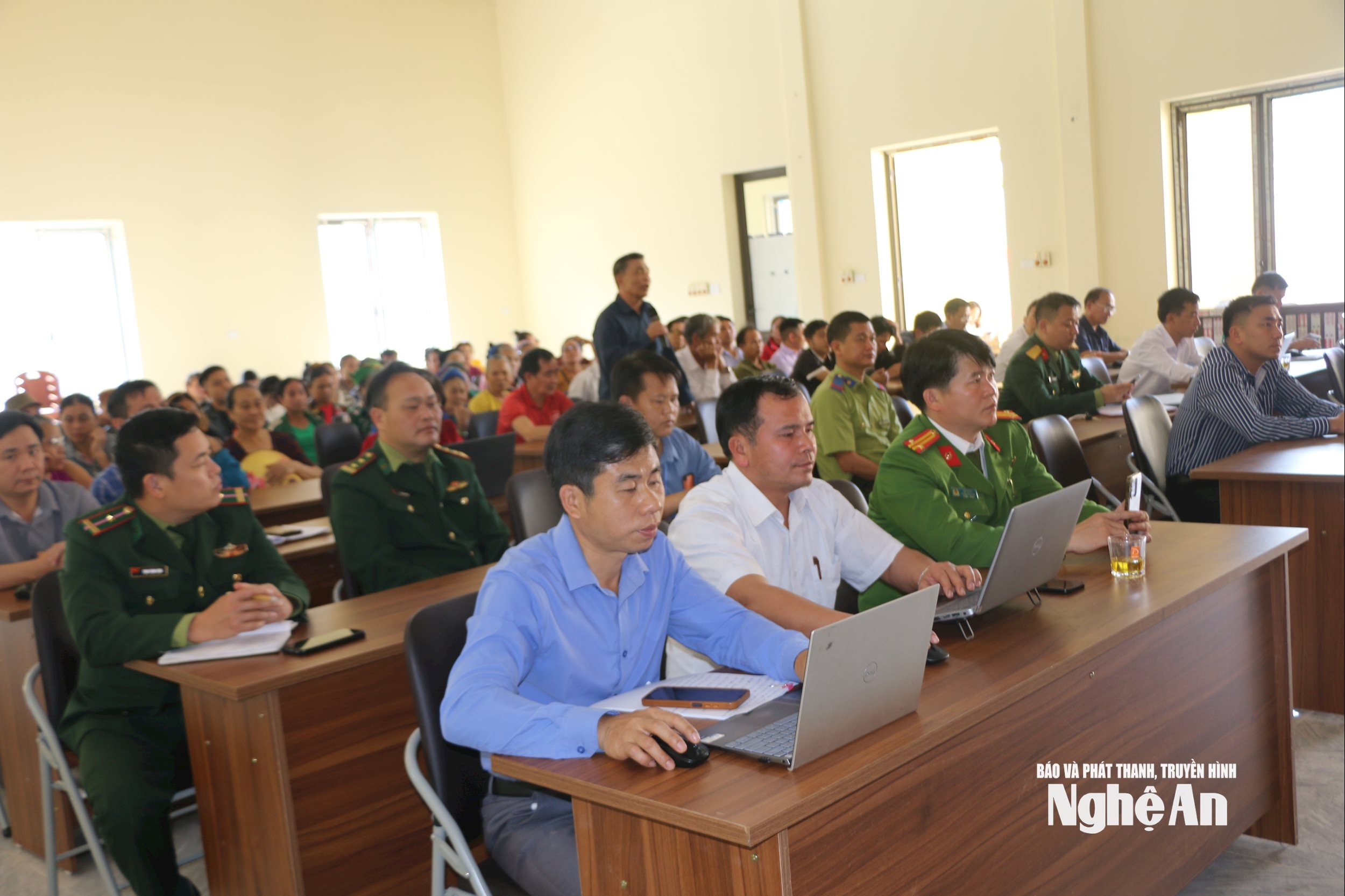
To further enhance the effectiveness of this work, the province has decided to continue including dialogue and consultation in its annual work program; strengthen training in dialogue skills for officials, especially on complex issues such as land, land clearance, and social policies; promote the role of the Fatherland Front and political and social organizations in disseminating information and mobilizing the people to participate in dialogue in a democratic and constructive spirit; and accelerate the application of information technology and digital transformation in monitoring and supervising the implementation of conclusions after dialogue.
Experience confirms that dialogue – when conducted with a spirit of openness, responsibility, and respect for the people – becomes an effective "soft key" to resolving grievances at the grassroots level, strengthening trust, creating social consensus, and contributing to building an increasingly strong Party and government.
This is also consistent with the "people-centered" perspective, placing people at the heart of the development strategy as stated at the 14th National Congress of the Party.