
U.S. Army leaders acknowledge that combat readiness levels are not meeting expectations.
Deputy Secretary Michael Obadal warned that pressure from operations in the Middle East is causing ammunition shortages and affecting the ability to maintain key U.S. weapons.
Deputy Secretary of the Army Michael Obadal recently offered a frank assessment of the military's combat readiness, emphasizing that the current level is "unacceptable." The main challenges lie in the ability to maintain key weapons systems and the significant depletion of ammunition reserves due to prolonged military operations.
Pressure from high-intensity campaigns in the Middle East.
Speaking at the McAleese Defence Programs Conference, Obadal stated that claiming the U.S. military is satisfied with its current readiness level is dishonest. Many weapons systems, including both air and ground-based platforms, are struggling to maintain stable operational readiness. This situation is exacerbated by the surge in equipment demand to support operations in the Middle East.
Although the Navy and Air Force played a leading role in the airstrikes, the Army still had to undertake essential tasks such as air defense, early warning, and precision strike support. According to reports, the cost of military operations against Iran has approached $20 billion, with nearly 7,000 combat missions conducted in a short period.
Criteria for assessing combat readiness
According to U.S. military leaders, combat readiness is defined by three main pillars: the ability to respond to emergencies immediately, resources mobilized within a month, and the ability to sustain operations for a year of combat. Currently, the U.S. Army is facing obstacles in both the availability of weapons and the depth of its ammunition stockpile.
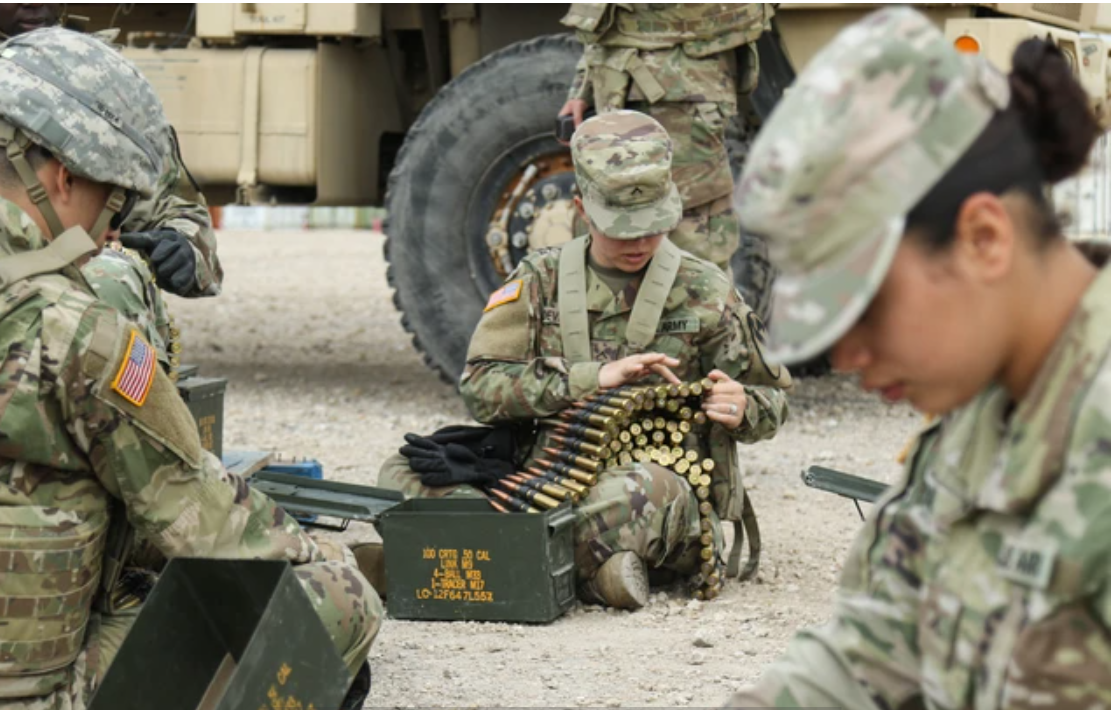
The U.S. Government Accountability Office (GAO) also released a report highlighting similar issues. The consumption of thousands of rounds of ammunition in actual operations has exposed gaps in logistical capabilities when faced with high-intensity and prolonged conflict scenarios.
Solutions to strengthen the foundation of the national defense industry.
To address this situation, the U.S. Army proposed increased public-private cooperation to boost the defense industry's foundation. Specific measures include improving procurement processes, accelerating the replacement of aging systems, and closely coordinating with manufacturers for timely technology upgrades.
Mr. Obadal emphasized that modern conflicts require strong reserves in both manpower and equipment. Lessons from real-world combat show that logistics and strategic reserves will play a decisive role in the ultimate outcome of long-term combat scenarios.


