
Creative labor: A driving force for sustainable growth.
Resolution No. 57-NQ/TW, issued on December 22, 2024, by the Politburo, identifies the development of science, technology, innovation, and digital transformation as a top strategic breakthrough, the main driving force for developing modern productive forces, reforming national governance methods, and enabling the country to achieve breakthrough development and participate more deeply in the global value chain.
.png)
Dr. Nguyen Quoc Viet and the Macroeconomic Policy Research Group, School of Economics - Vietnam National University, Hanoi
************
Resolution No. 57-NQ/TW, issued on December 22, 2024, by the Politburo, identifies the development of science, technology, innovation, and digital transformation as a top strategic breakthrough, serving as the main driving force for developing modern productive forces, reforming national governance methods, and enabling the country to achieve breakthrough development and participate more deeply in the global value chain. The core point of this strategic shift in thinking was emphasized by the General Secretary and President at the Central Steering Committee meeting implementing Resolution 57-NQ/TW, held at the end of July 2026, with the requirement: "Fundamentally shift from simple labor to creative labor, linked with improving the quality of the national human resources."
To understand why the effective implementation of Resolution 57-NQ/TW requires identifying creative labor as a top strategic breakthrough, we need to look directly at Vietnam's position in the global value chain. Accordingly, if we analyze trade by value added (TiVA), the impressive export growth figures of Vietnam over the past decade partly contain a "statistical illusion".
Although Vietnam is among the ASEAN countries with a large share of high-tech exports (over 30%), the domestic value added (DVA) actually lies primarily in downstream assembly – the stage that generates the lowest added value. The foreign value added (FVA) share in Vietnam's exports is very high, averaging 45-50%. In other words, we are importing high-end components from abroad and using the skilled hands of workers in simpler stages to package finished products labeled "Make in Vietnam".
.jpg)
Continuing to rely on a labor-intensive, unskilled model not only puts Vietnam at risk of falling into the "middle-income trap" but also the "Ireland trap"—where GDP grows but national strength and disposable income of the people do not increase proportionally, because most profits flow into the pockets of intellectual property owners and foreign capital. This is the urgent context that led to the issuance of Resolution 57, aiming to reposition human resources, shifting the focus from "quantity" to "quality," and using knowledge and creativity as the new measure of productivity.
Resolution 57 marks a turning point in national governance thinking, no longer viewing science and technology merely as a supporting tool, but identifying it as the main driving force for developing modern productive forces. The focus of this shift is the fundamental change in the nature of Vietnamese labor.
Accordingly, the concept of "creative labor" should not be understood simply as the narrow image of scientists in laboratories, but rather as something very diverse: workers transitioning from operating machinery to mastering automated production lines and semiconductor technology; farmers applying AI, data, and biology to optimize value per inch of land; entrepreneurs daring to take risks to invest in research and development (R&D), creating strategic technological products instead of just short-term commercial business. To promote an innovative production and business system, officials and civil servants must shift from a bureaucratic management mindset to a "development-oriented mindset," ready to embrace the risks of innovation.
Only with such a fundamental shift in the workforce can we realize the goals of Resolution 57, which aim to have total factor productivity (TFP) contribute over 60% to economic growth and achieve a social labor productivity growth rate of approximately 8.5% per year within the next five years. This could then enable Vietnam to reach high-income status by 2045, as targeted by the 14th Party Congress.
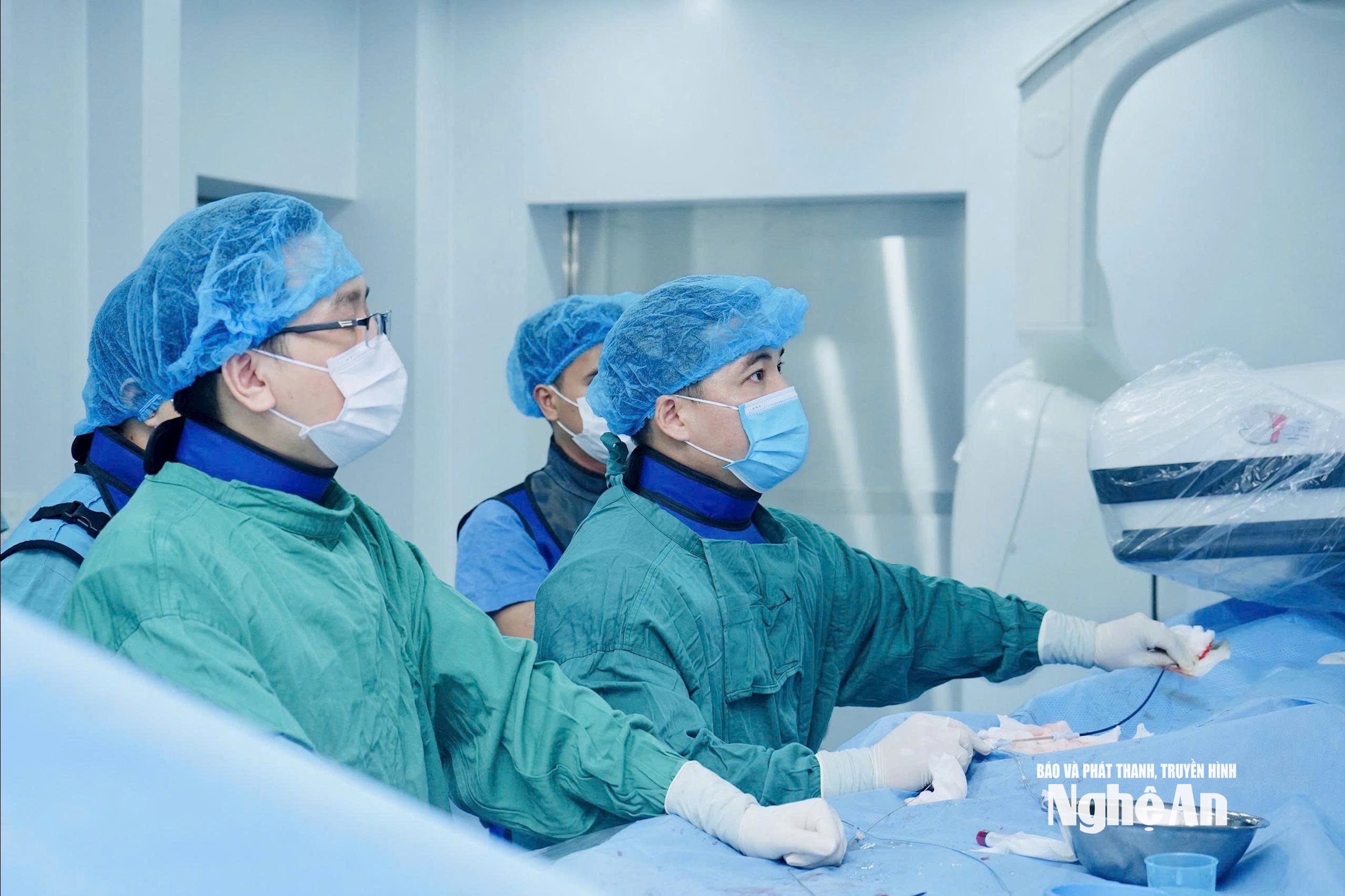
In the context of deep integration into global supply chains, Resolution 57 has established a list of strategic technologies such as semiconductor chips, artificial intelligence (AI), biotechnology, digital technology and data centers, drones and autonomous vehicles. These are key areas to prevent Vietnam from becoming a low-lying region in the value chain and to ensure that profits from technological innovation are localized.
Currently, despite bright spots such as Vietnam ranking 44th in the world in the Global Innovation Index (GII) and attracting technology giants like Samsung, Intel, and Nvidia, the link between FDI and domestic businesses remains weak. FDI still operates like a "closed island," and the supply chain of purely Vietnamese businesses is limited to simple tasks like packaging and printing.
To break this trend, creative workers will play a crucial role as a bridge for receiving and transferring high technology. In its strategy to implement Resolution 57, Vietnam plans to train 50,000 semiconductor engineers and 20,000 high-quality digital professionals – this will be a vital creative workforce to lead the modern industrial sector.
Any transformation in the creative workforce will be meaningless without a compatible institutional environment. In reality, Vietnam is facing a paradox in the allocation of training resources: Investment in secondary education tends to increase, while the budget for higher education (especially universities) and scientific research tends to decrease. This creates the risk of a "brain drain" as young talents are well-trained and highly regarded internationally, but Vietnam's universities and vocational training systems are considered to lack competitiveness.
The reality also reveals a lack of an R&D ecosystem between the state, schools, and businesses, preventing high-quality human resources from fully contributing their creativity to the country's development.
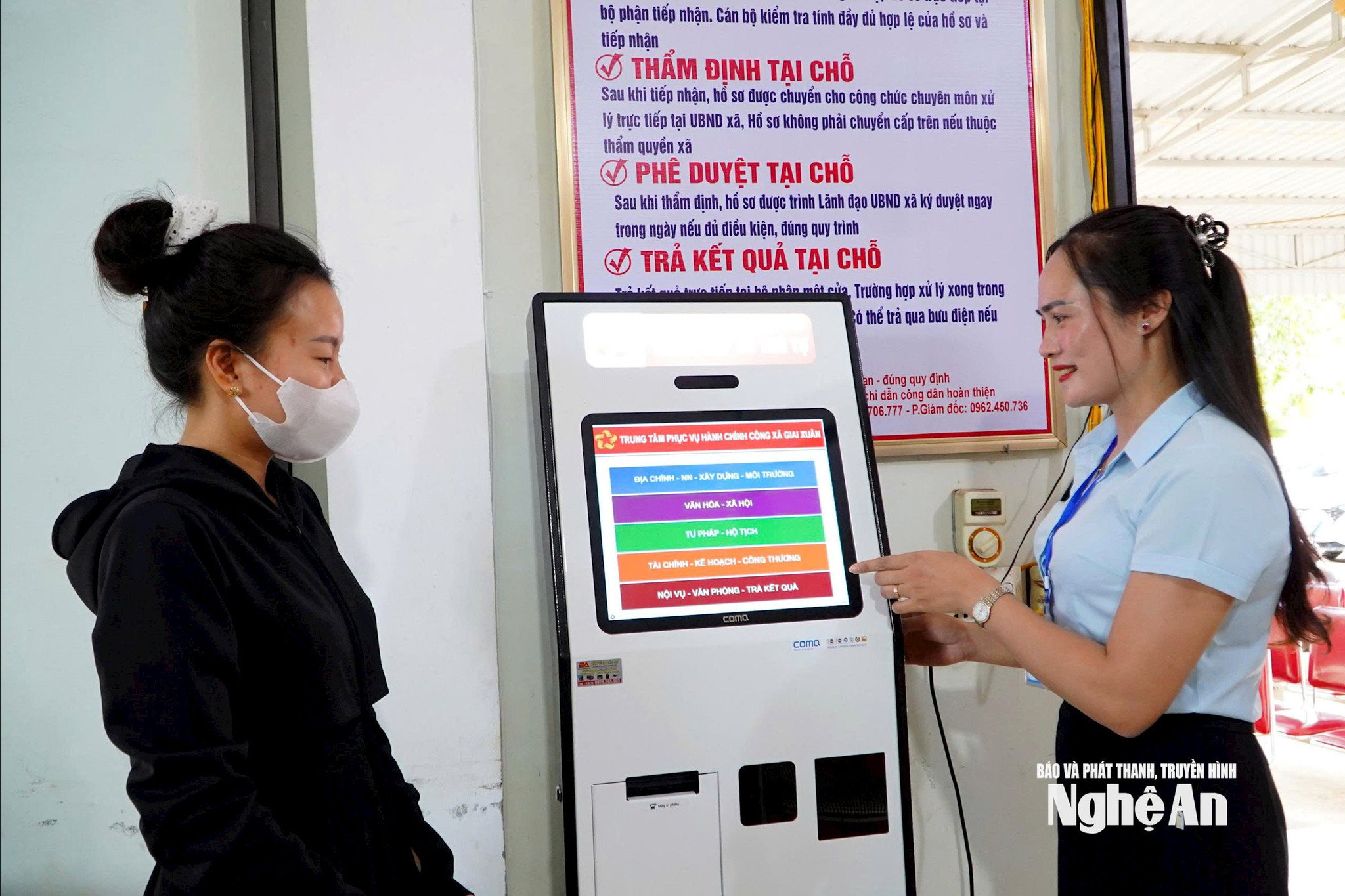
Several groundbreaking solutions to address this institutional bottleneck have also been implemented following Resolution 57. For example, the resolution has been institutionalized into the Law on Science, Technology and Innovation 2025, which for the first time recognizes technology as an asset used for capital contribution and accepts research risks through a performance-based funding mechanism; and several resolutions of the National Assembly and the Government have designed a Sandbox mechanism to eliminate the "if you can't manage it, ban it" mentality, creating space for new economic models applying innovation such as Fintech, digital assets, and AI to experiment and make mistakes.
However, to truly create a breakthrough and cultivate a creative workforce, we need to be more decisive in implementation, primarily in human resource training, with the motto "Learn genuinely, Teach genuinely, Master technology genuinely." We are also facing the risk of "getting old before getting rich" as the "golden age of the population" is expected to close after 2035. The rapid changes in technology also put immense pressure on retraining millions of workers currently performing simple jobs that are easily replaced by robots and AI. Therefore, we need to focus state budget and attract social resources to train high-quality human resources in STEM and cutting-edge technologies; placing businesses at the center of the training system. Along with that, the mechanism for valuing talent needs to be substantial, for example, by developing special incentive policies, honoring and empowering scientists, inventors, technology engineers, and workers with outstanding productivity improvement initiatives.
Successfully implementing Resolution 57, which realizes the General Secretary's directive on shifting from simple labor to creative labor, is an essential requirement for building a rapidly developing economy based on self-reliance and sustainability. Choosing creative labor as the central resource, combined with a set of institutional tools for development such as new policy sandboxes, results-based governance, and the promotion of strategic technology development, will be the key to helping Vietnam escape the middle-income trap, enhance its position in the global value chain, and create sustainable prosperity in the era of national progress.


