
The Pentagon is investing $1 billion in L3Harris Technologies' rocket engine division.
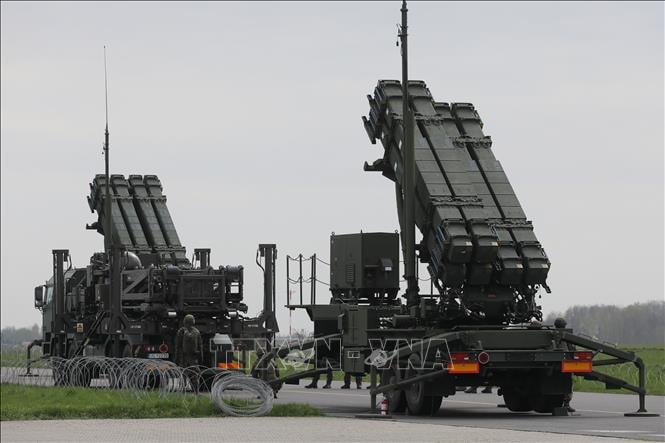
The US government is taking an unprecedented step by investing $1 billion in L3Harris, aiming to accelerate the production of Patriot and THAAD missiles in the new context.
The Pentagon has just announced a $1 billion investment in the rocket engine business of defense corporation L3Harris Technologies. This is a landmark move, marking the first time the agency has invested directly in an equipment supplier instead of simply fulfilling procurement orders.
L3Harris' investment mechanism and IPO plan
According to U.S. Under Secretary of War for Acquisition and Sustainment Michael Duffey, the $1 billion budget will be implemented through convertible securities. These securities will automatically convert into common stock when the L3Harris Missile Solutions division conducts its initial public offering (IPO), expected in the second half of this year.
Despite being spun off to operate independently, the unit specializing in manufacturing propulsion systems for key missile systems such as Patriot, THAAD, Tomahawk, and Standard Missile will remain under the ownership and control of L3Harris. This agreement aims to ensure order stability for the new entity during its initial operational phase.
Strategic shifts in the US defense supply chain.
The decision to invest directly reflects a strategic shift in the U.S. approach to managing the defense supply chain. Amidst the Trump administration's push to accelerate weapons production, strengthening the domestic industrial base has become a top priority for the Pentagon.
In addition to this investment, the US government has also signed an agreement with Lockheed Martin to expand production of the PAC-3 interceptor missile. The goal is to increase production from 600 units per year to 2,000 units, maintaining this schedule over the next seven years to meet the growing needs of the Patriot system.
Challenges related to transparency and competition.
However, the Pentagon's model of being both a major shareholder and customer is raising concerns about conflicts of interest. Holding a stake in a particular supplier could affect the objectivity of public procurement decisions and put pressure on other competitors in the industry.
Responding to this issue, Deputy Secretary Michael Duffey affirmed that the Pentagon remains committed to maintaining a fair and transparent competitive environment. All future bidding decisions will continue to be based on rigorous standards to protect national interests and ensure budgetary efficiency.


