
Biological samples were taken to identify the DNA of 76 remains of fallen soldiers.
On May 19th, at Nghi Loc District Cemetery, the Nghe An Provincial Military Command, the Department of Internal Affairs, and the Nghi Loc District People's Committee organized the handover and collection of biological samples for DNA identification of 76 remains of Vietnamese volunteer soldiers and experts who died in Laos during the 2024-2025 dry season.
Attendees included representatives from Military Region 4, the Military Command of Nghe An province; the Department of Internal Affairs and the People's Committee of Nghi Loc district.
Dry season 2024 - 2025,The team responsible for collecting the remains of fallen soldiers of the Nghe An Provincial Military Command.A total of 76 remains of Vietnamese martyrs and experts who died in Laos have been recovered. Specifically, 66 remains were collected in Xieng Khouang province, 8 in Xaysomboun province, and 2 in Vientiane province.
All the remains of the fallen soldiers were found at a depth of more than 1 meter below the ground, along with many accompanying artifacts such as: AK ammunition boxes, multi-purpose shovels, M04 masks, tanks, canvas shoe soles, buttons from Vietnamese soldiers' uniforms...
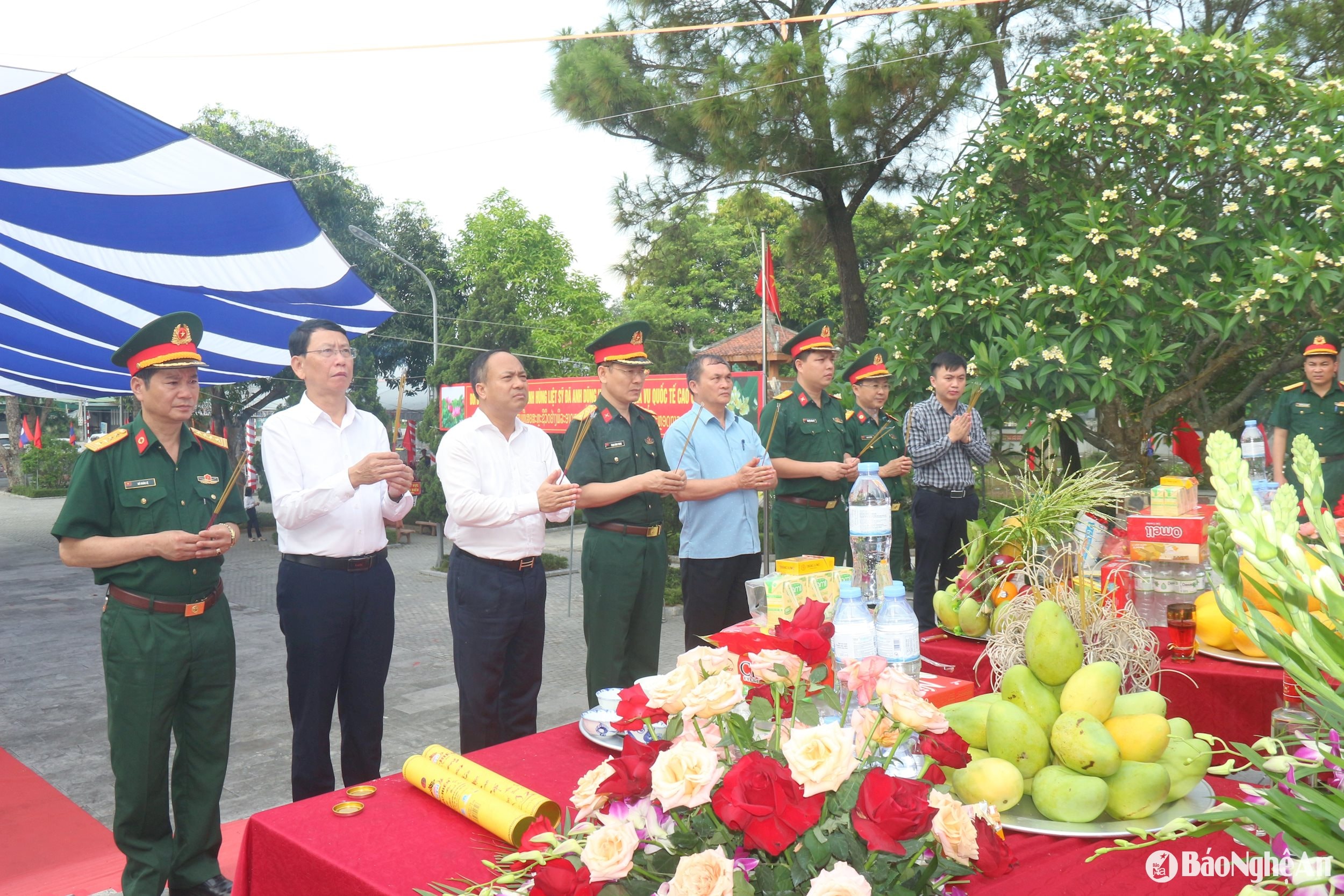
After receiving 76 remains of Vietnamese volunteer soldiers and experts who sacrificed their lives for the noble international mission in Laos from the Provincial Military Command, the Department of Internal Affairs coordinated with the Nghi Loc District Health Center and the Collection Team of the Provincial Military Command to collect biological samples for DNA identification of the 76 remains.
.jpg)
The remains of the fallen soldiers were found more than half a century ago. Due to the harsh weather and climate conditions of the host country, the remains and artifacts were significantly affected. Therefore, the collection of biological samples was carried out with extreme care. The samples collected were typically teeth and bones, with teeth considered the best for genetic testing. In cases where teeth were missing, a portion of intact bone tissue was taken for analysis.
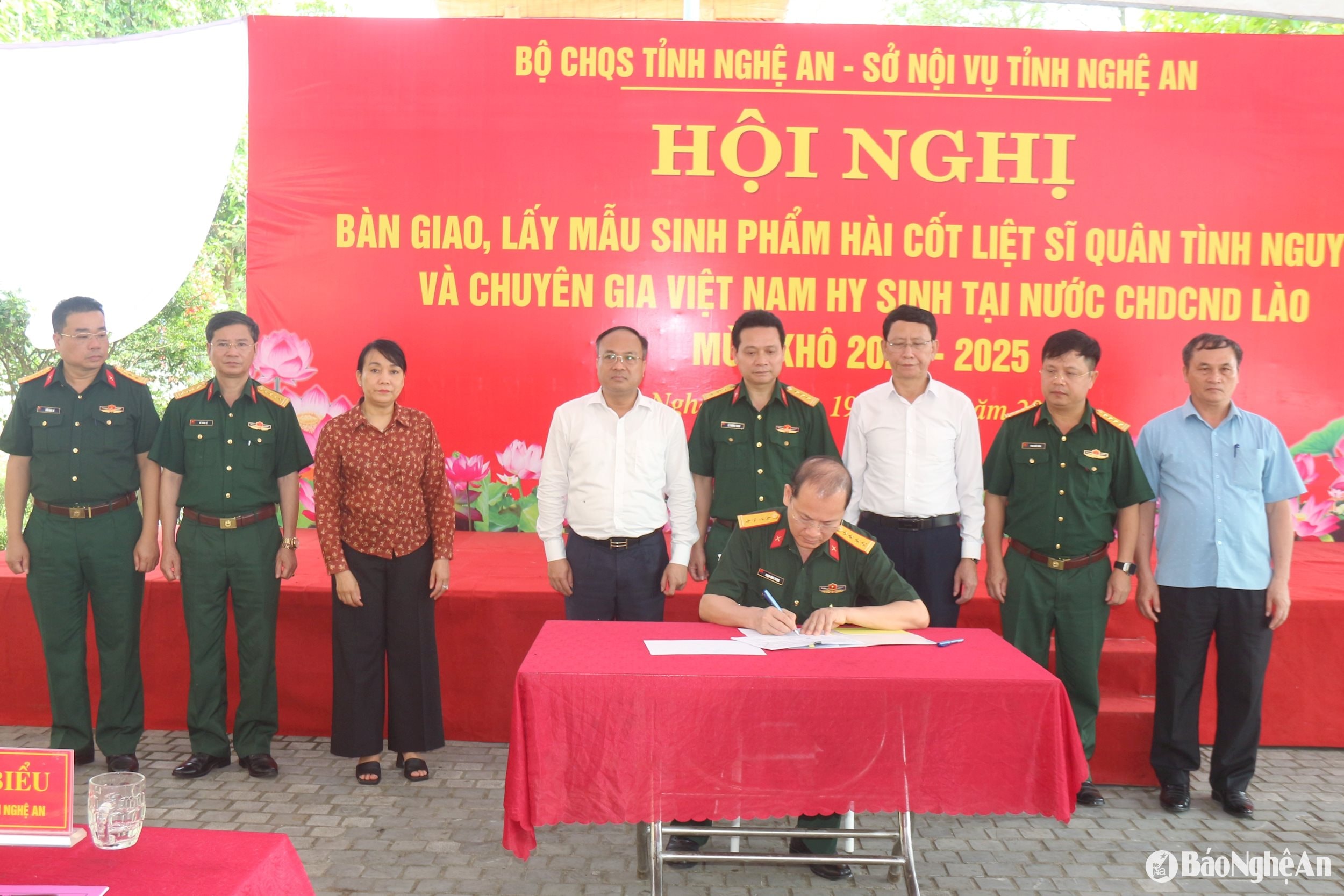
All 76 remains collected this time have had sufficient samples taken, ensuring DNA testing. The preservation and storage of DNA samples of martyrs with incomplete information at the national martyrs' DNA bank is extremely important for searching and comparing DNA samples from the martyrs' relatives to determine their identities, helping relatives find their graves and bring them back to their hometowns and families.
After completing the biological sample collection process, the remains of the martyrs will be interred at Nghi Loc District Cemetery tomorrow (May 20th).


