
Lê Văn Kinh - Người Cộng sản trung kiên
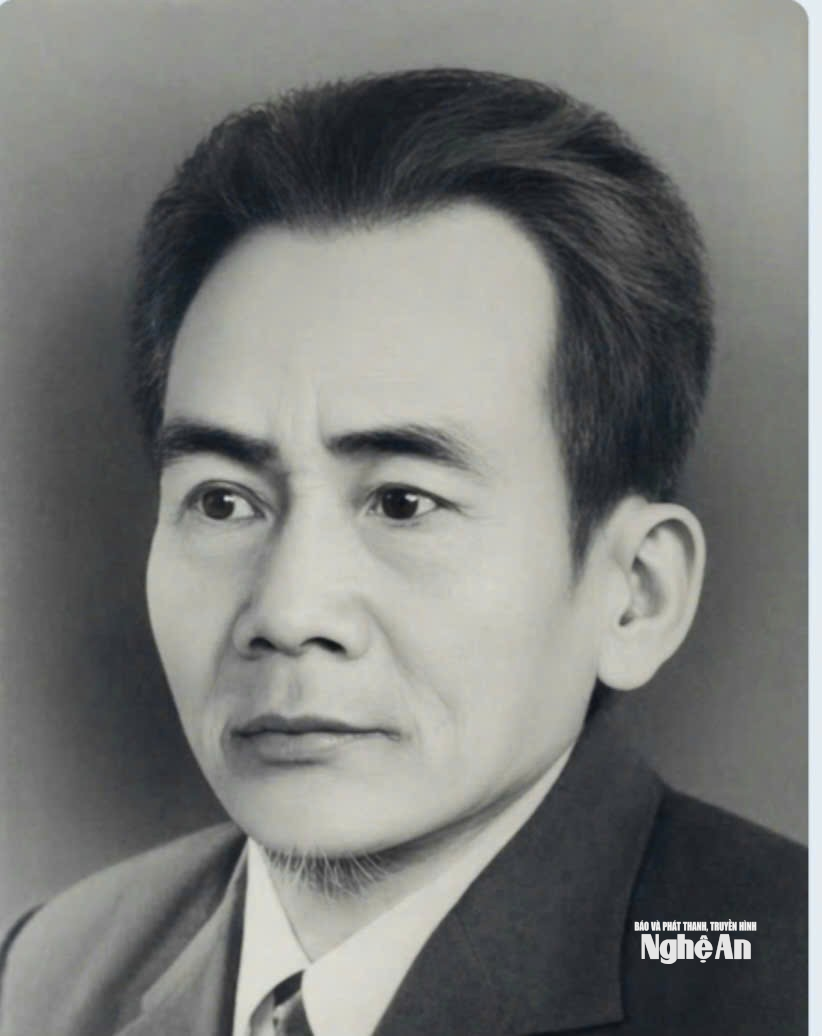
Mr. Le Van Kinh was an outstanding son of Bac Son, who participated in the Nghe Tinh Soviet Uprising from an early age. He was captured twice by the enemy but still maintained the spirit of a loyal communist.
These days, the people of Bac Son commune, Do Luong district, are eagerly celebrating the 95th anniversary of its founding (April 25, 1931 - April 25, 2026). During the process of collecting, researching, and compiling the history of the Party Committee and people of Bac Son commune (now Do Luong district), we had the opportunity to access the Party membership record of a veteran revolutionary cadre, which was confirmed by the Do Luong district Party Committee in February 1975.
That was Mr. Le Van Kinh (commonly known as Le Van Bat) – one of the three party members of the "D" Party Branch (its official name was Bach Linh Party Branch), the first Party branch of Dang Son commune, Anh Son district. The "D" Party Branch was established on March 15, 1930, at Luong Son village communal house.
Mr. Le Van Kinh was born in 1900 in Luong Son village, Dang Son commune, Anh Son district (now Bac Son hamlet 2, Do Luong commune, Nghe An province), into a poor peasant family. His arduous life, working as a hired laborer year-round, relying on the forest for farming and firewood, instilled in him an early spirit of overcoming hardship and enduring adversity.
In the late 19th and early 20th centuries, under the yoke of feudal colonial rule, Luong Son village, like many other rural areas, fell into a state of severe oppression and exploitation. Powerful landlords and tyrannical oppressors ran rampant, causing immense hardship and misery for the people.
However, Luong Son has a favorable geographical location: close to the forest, with the Lam River flowing through it, it is a crossroads connecting areas such as Cat Ngan, Hanh Lam, Boi Son, Luu Son… Thanks to this, it became a stopping point for many scholars and traditional healers. They contributed to spreading the Nom script, the Quoc Ngu script, French, and traditional medicine to the young people in the village.
From that environment, people like Bui Van Thua, Bui The Thuan, Le Van Kinh... gained access to knowledge. Despite extremely difficult learning conditions – no paper or pens, having to write with ink on the ground or on wooden boards, or using thorns to write on banana leaves – these simple classes sowed the seeds of revolutionary awareness, awakened patriotism, and instilled a fighting spirit in the youth of Luong Son.
During the years 1922-1925, patriotic figures such as Ton Quang Phiệt, Ton Quang Duyệt, and Đặng Thái Thân... repeatedly visited Lương Sơn to propagate revolutionary ideals and disseminate Nguyễn Ái Quốc's work "The Revolutionary Path." Under their guidance, Bùi Văn Thừa, Bùi Thế Thuận, and Lê Văn Kinh organized various activities such as tea plantation guilds, painting guilds, and craft guilds; mutual aid societies, etc. At the same time, they also pooled capital to open shops selling agricultural tools to serve as secret communication points, avoiding surveillance by secret agents.
After the "D" Party cell was established, Mr. Le Van Kinh was assigned to be in charge of propaganda and printing Party documents. He actively mobilized the masses and built the revolutionary movement in Luong Son.
During the height of the revolutionary movement in 1930-1931, he was arrested twice by the enemy and imprisoned in Vinh Prison and the district capital. However, due to their inability to extract information from him, they were forced to release him for further investigation. In August 1930, when the revolutionary movement was developing strongly, the "D" Party branch was split into three branches; the Luong Son branch at this time had 9 members, and he continued to be in charge of propaganda and printing.
Following the French colonial crackdown and the killing of many revolutionary fighters, the organization had to go underground. From April to September 1931, he was appointed as the General Commissioner of the Second District, in charge of printing and relief work. In October 1931, he was arrested, sentenced to 3 years in prison, and detained at Thinh Duc outpost (Yen Thanh).
After his release from prison, he lost contact with the organization for a time, but he continued to work secretly with his comrades to mobilize the masses along the Party's lines. In 1937, the Party branch was restored, and he resumed his participation and was appointed to the District Party Committee.
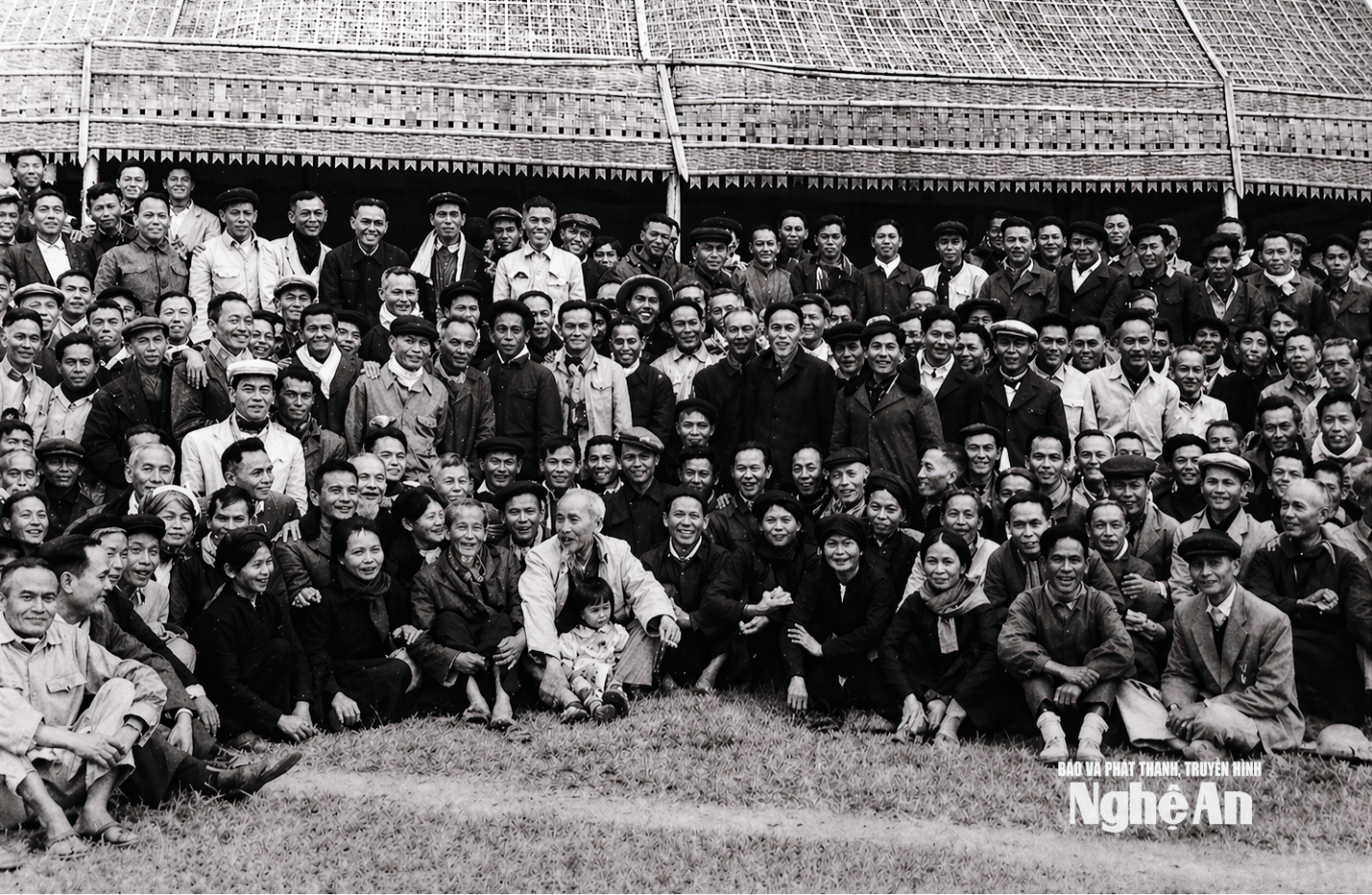
During the period 1938-1940, the movement was severely suppressed, and many cadres were arrested. He was fortunate to escape and continued his activities. In early 1941, he and his comrades revived the organization, but in June 1941 he was arrested again and imprisoned in Vinh Prison and then Buon Ma Thuot Prison.until April 1945.
After his release from prison, he quickly re-established contact with the Viet Minh organization, participated in the founding of the Viet Minh Front in Luong Son village, and was appointed its leader. Under the leadership of the Party, he mobilized the people to participate in the General Uprising, seizing power on August 23, 1945.
Sau Cách mạng Tháng Tám, ông đảm nhiệm nhiều chức vụ quan trọng tại địa phương như: Chủ tịch UBHC lâm thời, Bí thư chi bộ, Chủ nhiệm Việt Minh xã Tây Sơn; Ủy viên Mặt trận Việt Minh phủ Anh Sơn… Những năm sau đó, ông tiếp tục công tác tại Thanh Hóa và Nghệ An ở nhiều lĩnh vực khác nhau.
Năm 1962, ông nghỉ hưu nhưng vẫn tích cực tham gia công tác địa phương cho đến năm 1973.
Theo lý lịch, ông bắt đầu hoạt động cách mạng từ tháng 2/1929. Như vậy, ông đã có gần 45 năm cống hiến liên tục cho sự nghiệp cách mạng của Đảng và dân tộc. Ghi nhận những đóng góp ấy, Đảng và Nhà nước đã trao tặng ông nhiều phần thưởng cao quý như: Huân chương Độc lập hạng Nhì, Huân chương Kháng chiến hạng Nhì, Huân chương Kháng chiến chống Mỹ cứu nước hạng Nhất, cùng nhiều phần thưởng khác...
Gần nửa thế kỷ hoạt động cách mạng, đặc biệt trong giai đoạn 1930–1945, ông nhiều lần bị bắt, chịu đựng tra tấn dã man nhưng vẫn giữ vững khí tiết của người cộng sản. Ông luôn kiên định lý tưởng, tuyệt đối trung thành với Đảng, sẵn sàng hy sinh vì sự nghiệp cách mạng, “sống cùng Đảng, chết không rời Đảng”.


