Go to the highlands and see how the locals transform wild fruits into the "white gems" of the forest.

Khanh Ly-Quynh An April 29, 2024 10:30

(Baonghean.vn) - Originally a wild plant growing in the forest, the areca palm has recently become a sought-after plant in Xieng My commune (Tuong Duong district). After undergoing many elaborate processes, the processed areca palm seeds are a popular dish chosen by many housewives to cool down during this summer.
BNA-FotoJet.jpeg
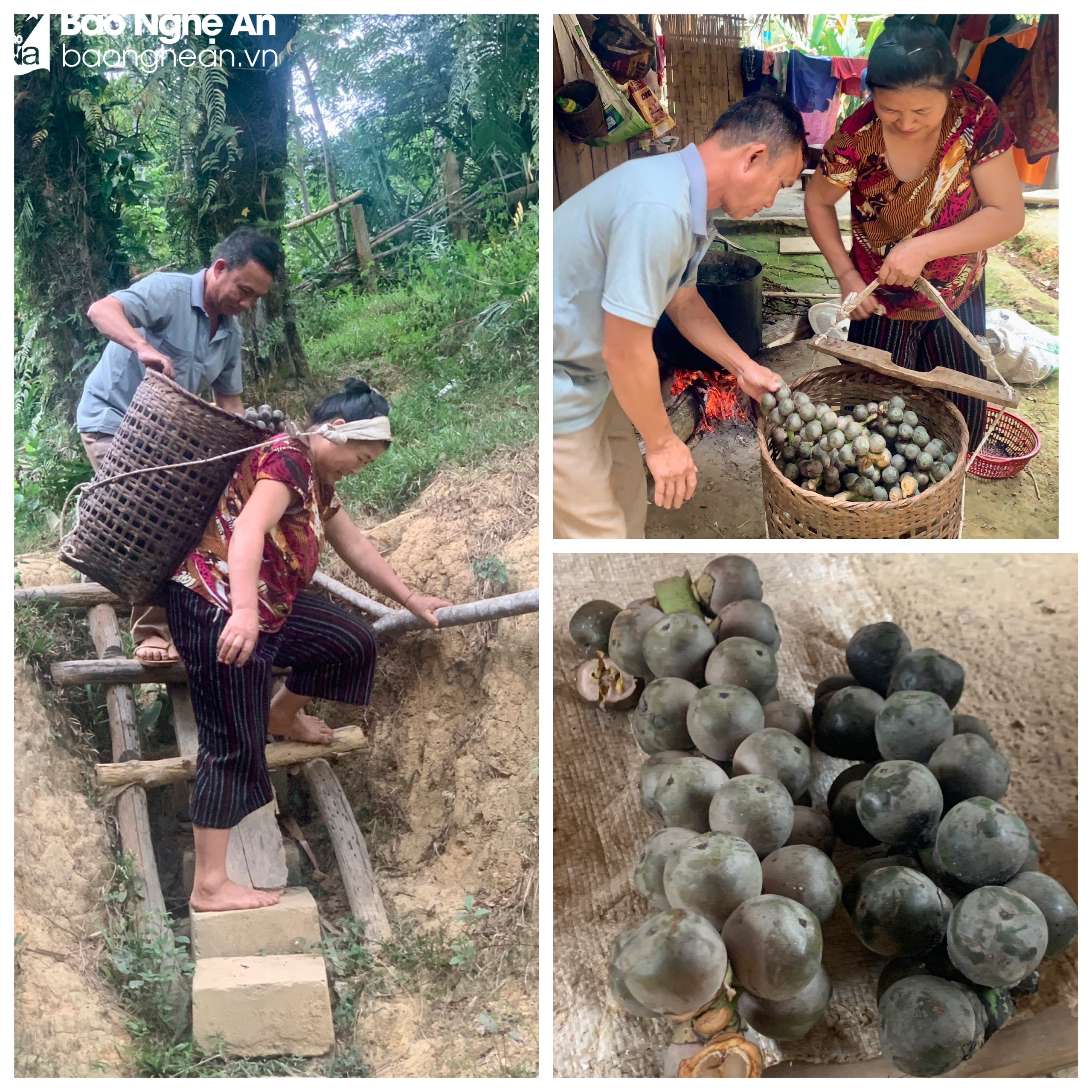
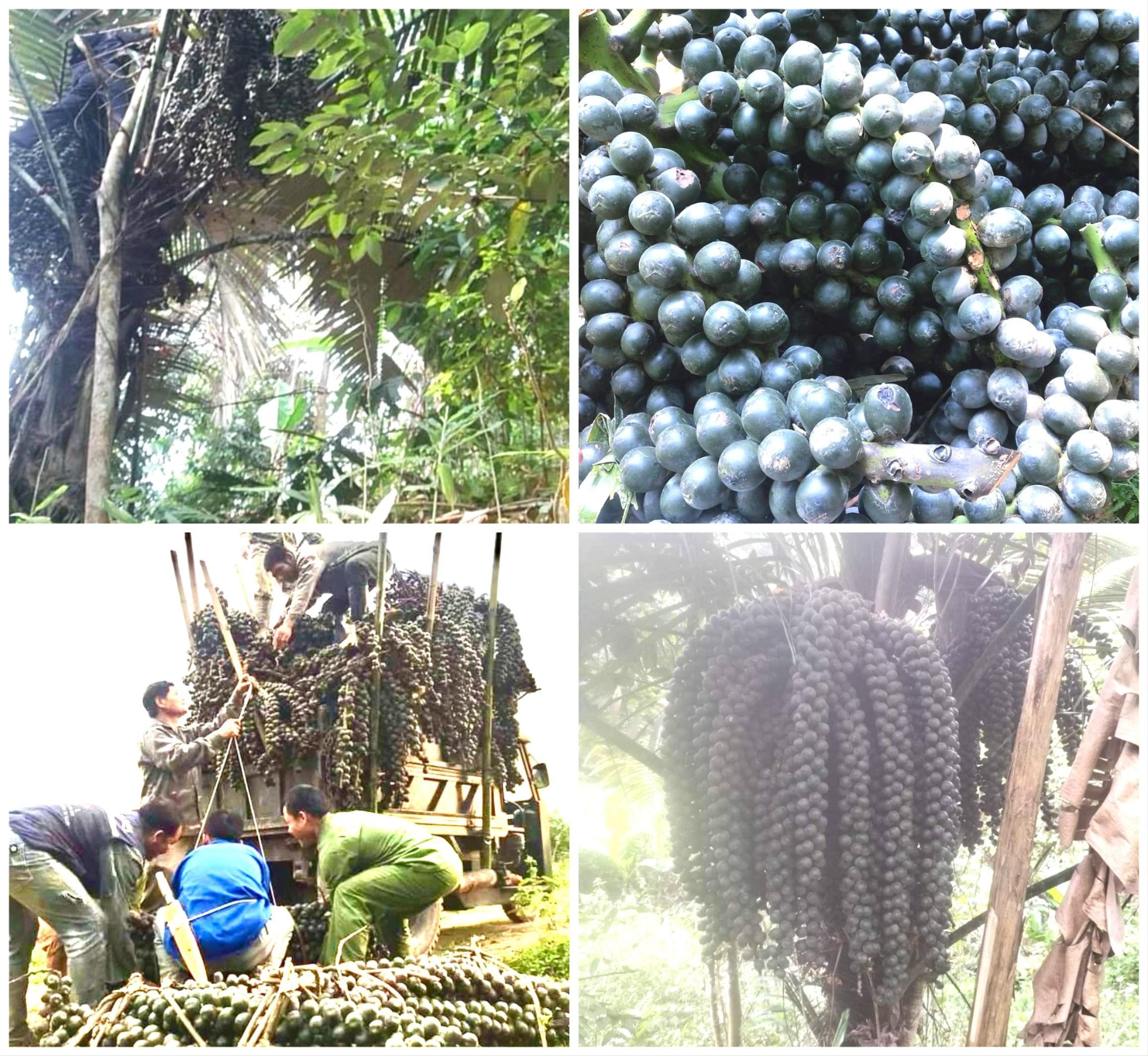
The Areca palm is a wild tree with a trunk and leaves similar to those of a coconut tree, and its fruit grows in long clusters from the top downwards. Previously, Areca palm fruits fell abundantly in the forests, but in recent years, thanks to learning through the internet, people in Xieng My commune and some neighboring areas of Tuong Duong district have learned to harvest and process the fruit, creating products that are popular with many people. (Photo: CSCC)
z5390497853423_d8afc280c8b499d6235b8aab04611764.jpg
From early morning, people from the villages of Chà Hìa, Đình Tài, and Phẩy in Xiêng My commune went into the forest to cut palm fruit and bring it home. Photo: Khánh Ly
bna-6-976.jpeg
The family of Ms. Vi Thi Tham and Mr. Luong Van My in Phay village, Xieng My commune, started harvesting areca nuts for sale last summer. Every day, the couple goes deep into the forest early in the morning to collect them. Ms. Tham said: the men climb up to cut the fruit, while the women collect the nuts and carry them back home. On average, the couple harvests four baskets a day. According to the villagers, it takes about 10 years for an areca tree to mature and bear fruit. However, the areca fruit can stay on the tree for 2-3 years without falling off. Around April, people begin harvesting areca nuts because this is the season for young areca nuts, just ripe and ready to meet the market demand for refreshing summer drinks. Photo: An Quynh
z5390101855177_9301aabee9abfaeb3cb8353982ebe95a.jpg
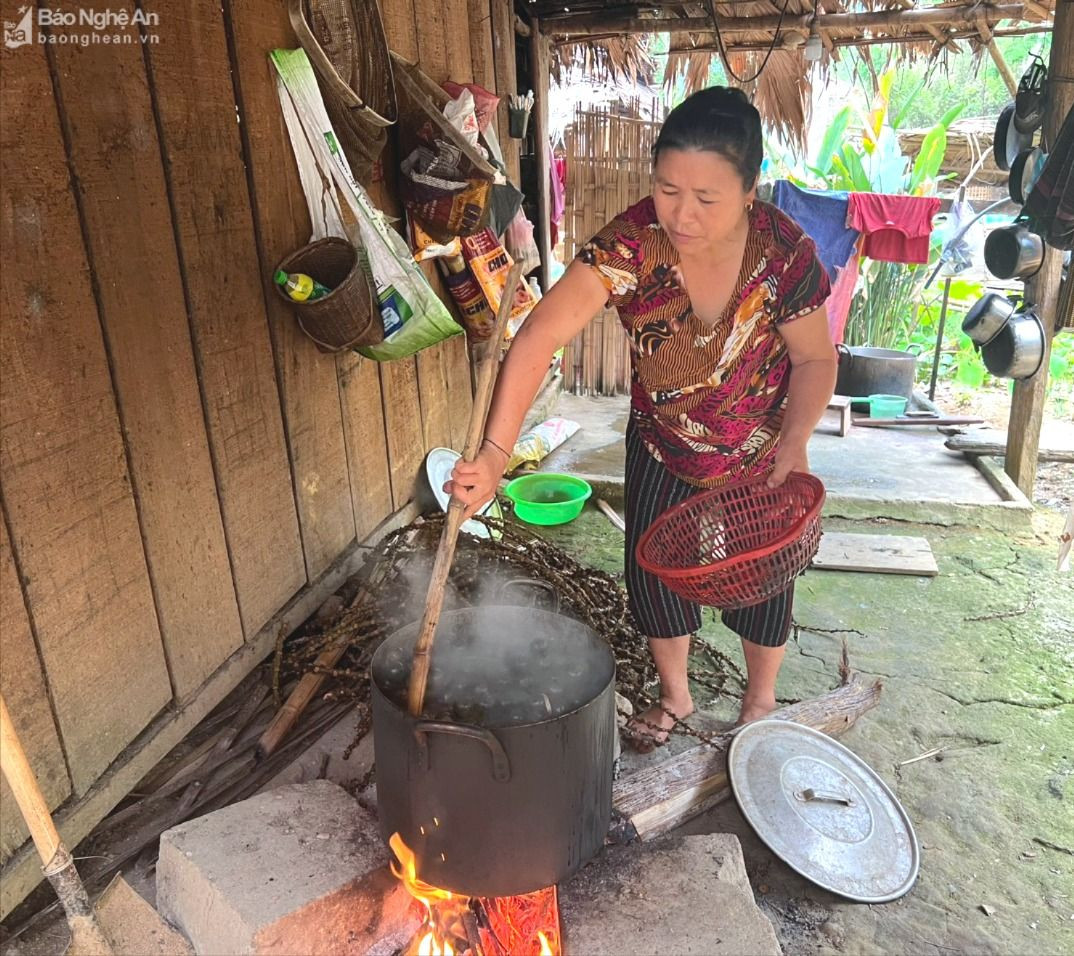
Freshly harvested areca nuts are covered in fine hairs, which can cause itching upon contact. Therefore, after harvesting, the clusters of areca nuts are boiled for about 30 minutes to remove the hairs and the itchy sap. Cooking also softens the fruit, making it easier to extract the seeds inside. (Photo: Khánh Ly)
Video shows locals harvesting and processing the seeds of the Areca palm fruit. Video: Khánh Ly
BNA_9.jpg
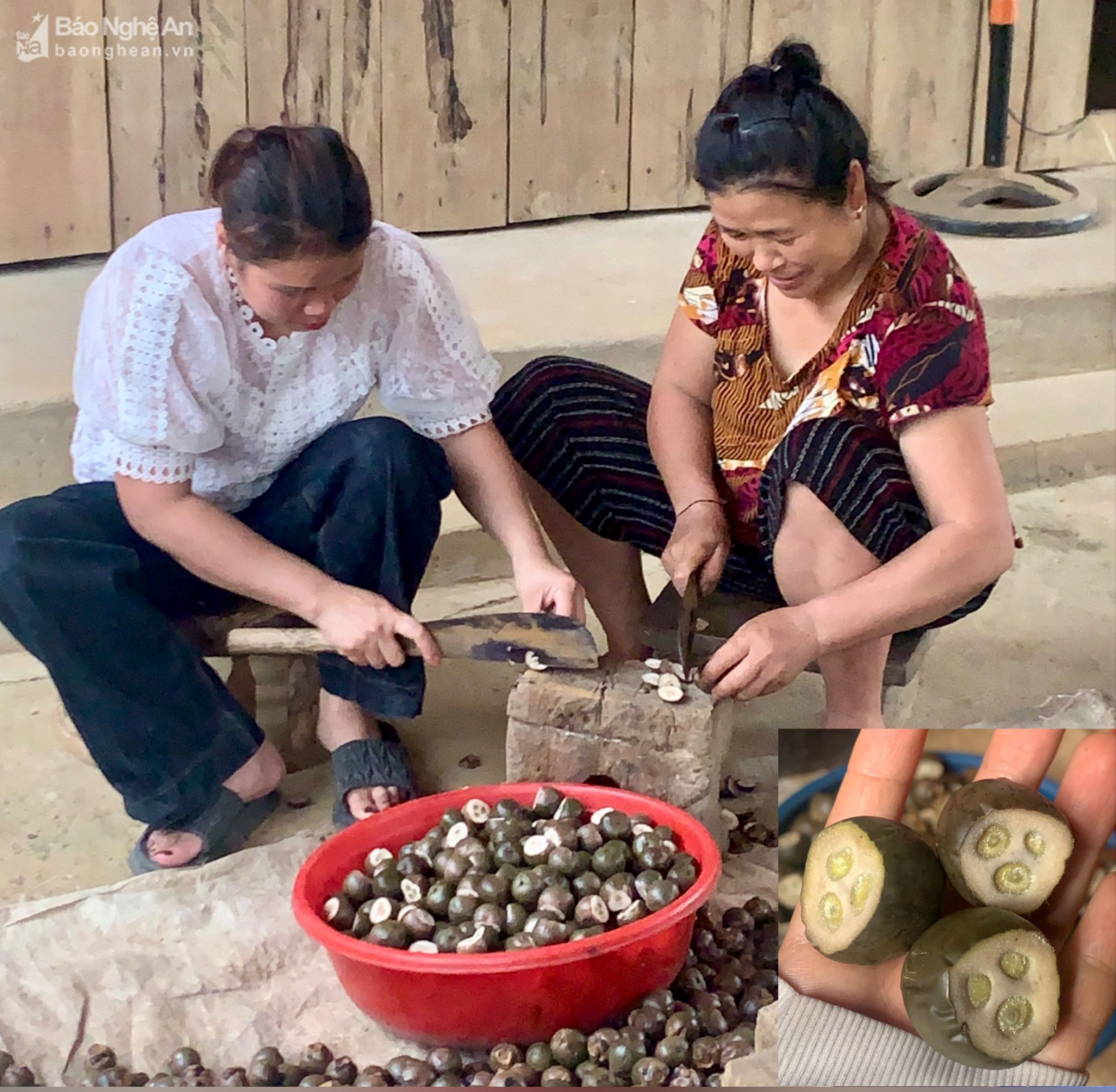
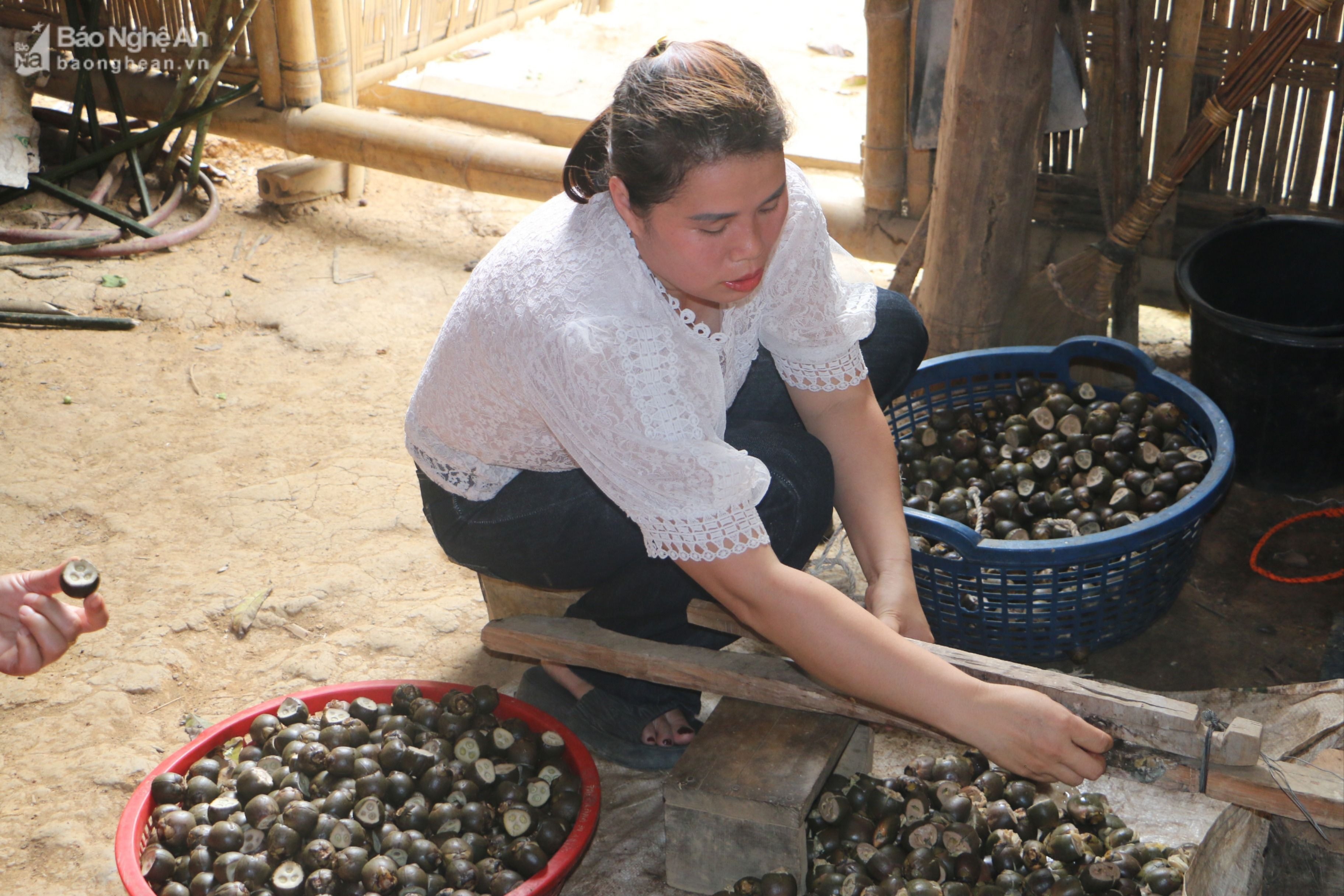
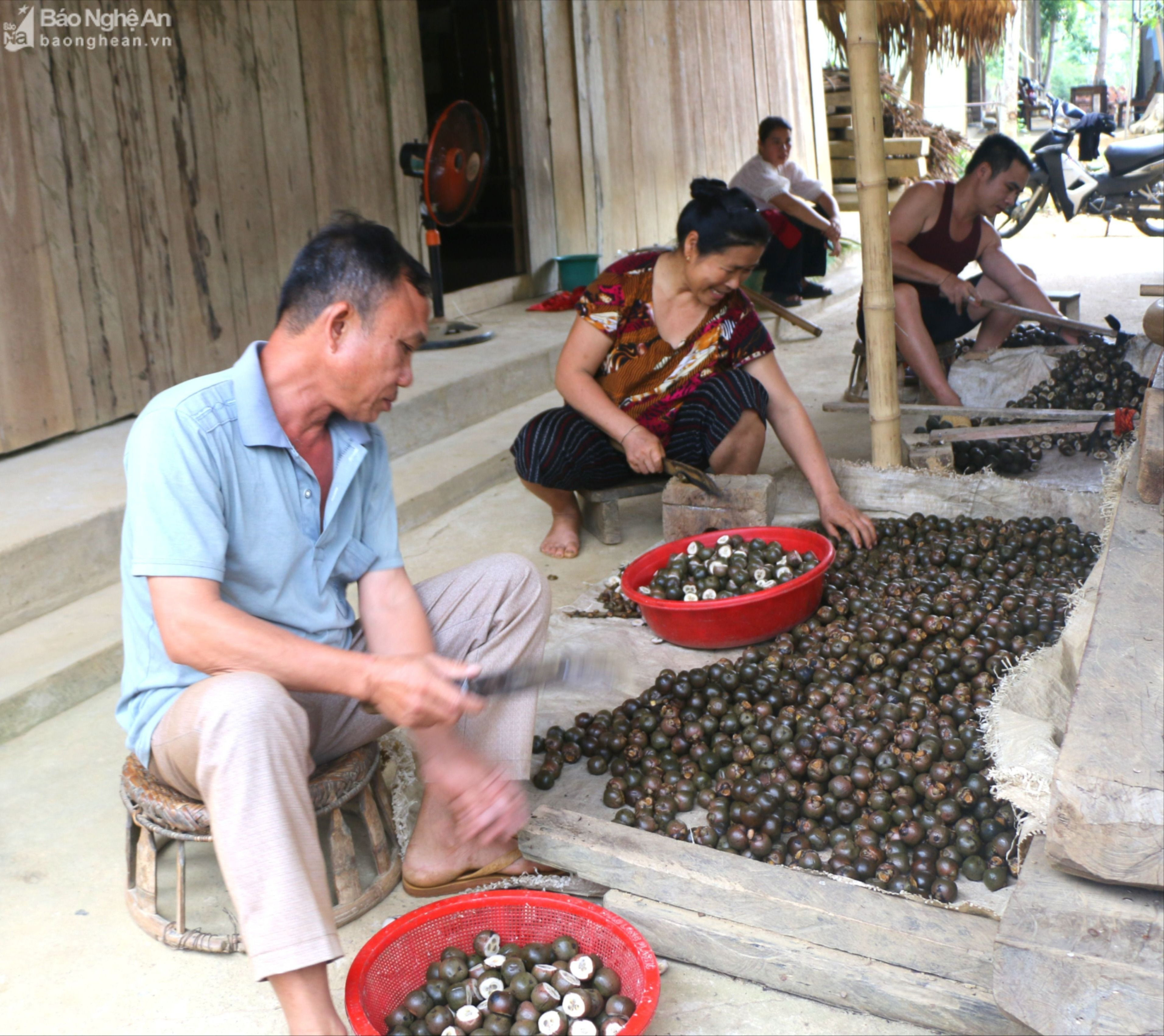
After being boiled, the palm fruit no longer itches, and its skin softens, making it easy to cut. Each fruit is cut at an angle to easily extract the seeds. Photo: An Quỳnh
z5390109436665_ebfce3380964b677d90b8b24e3157972.jpg
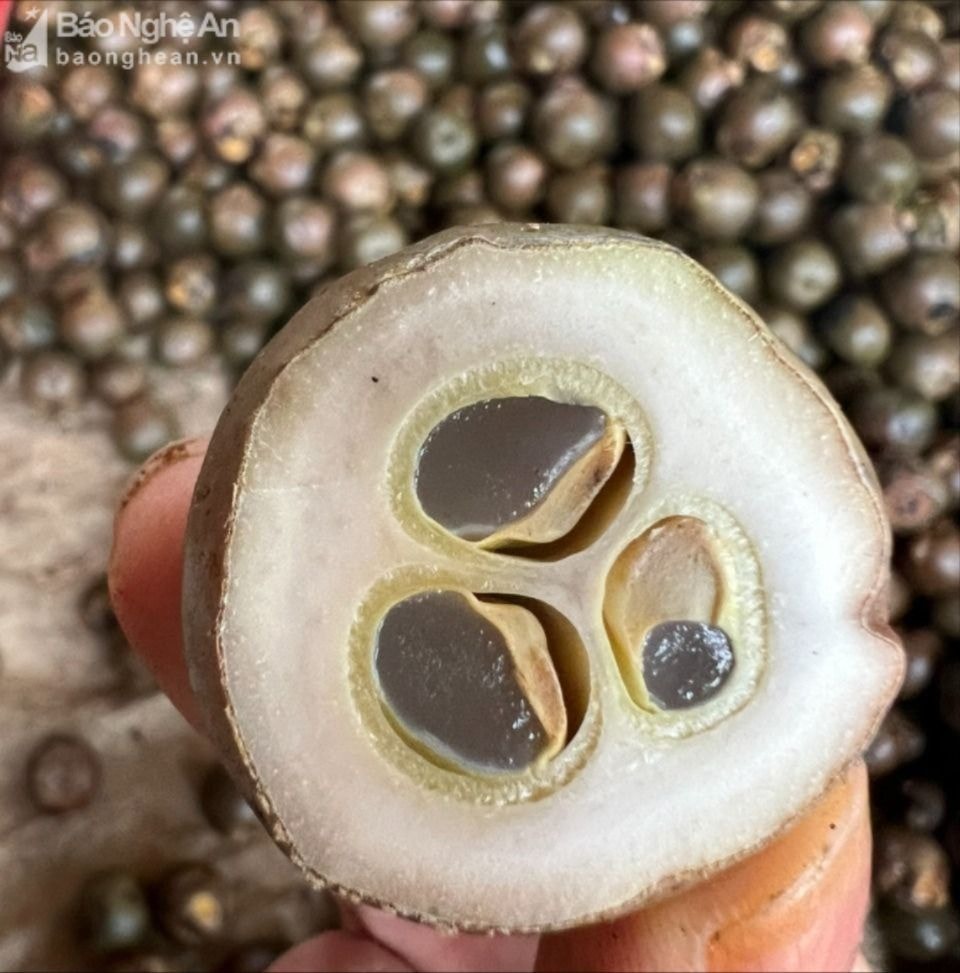
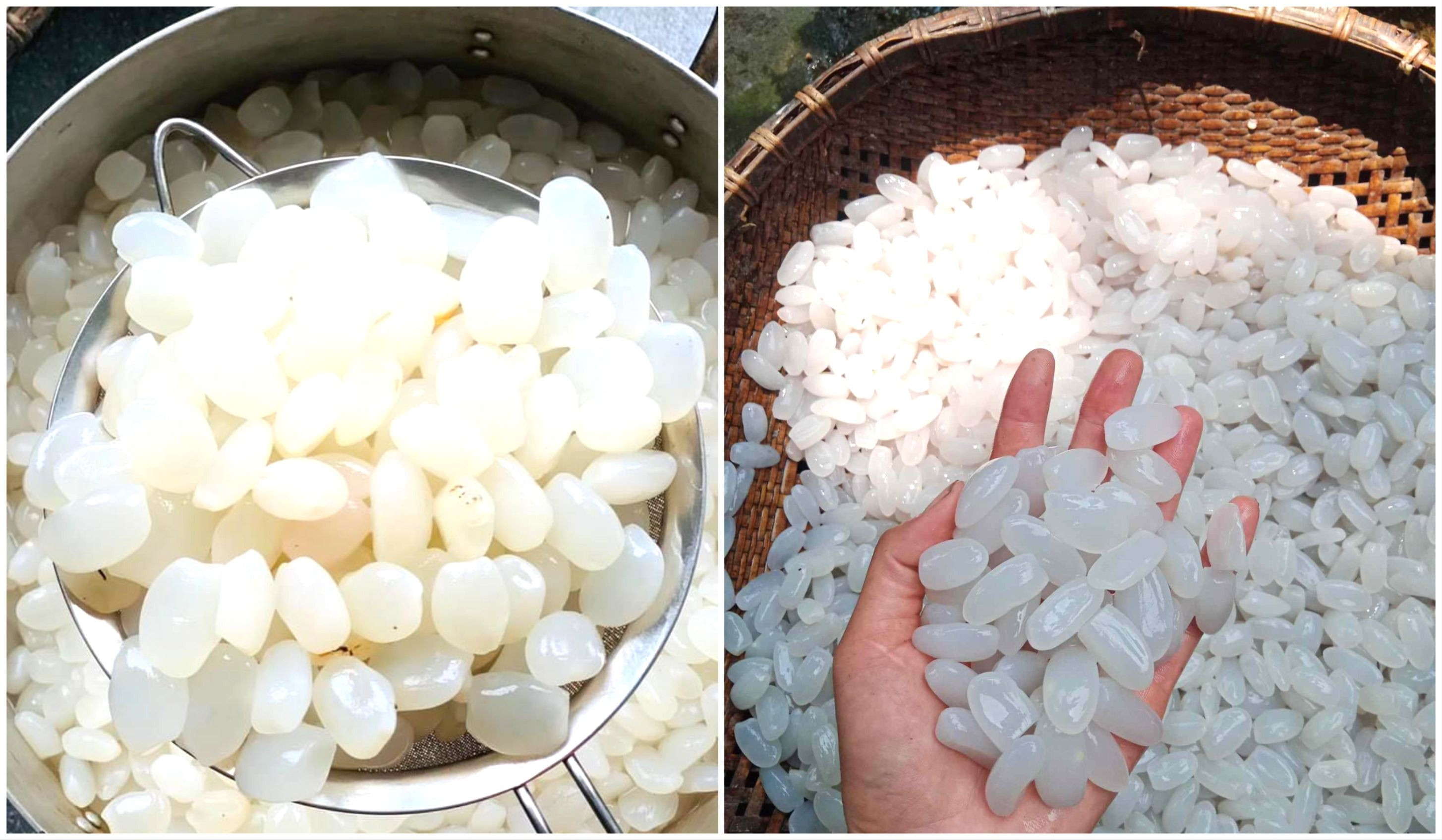
When cut open, the palm fruit contains three soft, white seeds that resemble pearls, which is why the locals call them "white pearls." Photo: Khánh Ly
IMG_0935.JPG
Ms. Kha Thi Bich, Party Secretary of Phay village, Xieng My commune, said: To separate the seeds from the shell, the villagers have "made up" a specialized tool consisting of two wooden sticks tied together at one end. After placing the areca nut between the two sticks, they press down to flatten the seed, causing the inner seed to slip out. This method saves people a lot of time compared to using a knife. Photo: An Quynh
Bna3-FotoJet.jpeg
The separated palm seeds are placed in a basin of clean water and soaked. After several water changes, the seeds become white and clean. The finished palm seeds are opaque white, soft, odorless, and have a rather mild taste. Palm seeds are known to have many uses, are low in fat and calories, but rich in minerals and vitamins, making them good for health. After processing, palm seeds can be used to prepare many delicious dishes such as braised meat, sweet soup, jam, etc., and are often used as an ingredient in refreshing summer dishes. Photo: Khanh Ly - Quynh An
IMG_0858.JPG
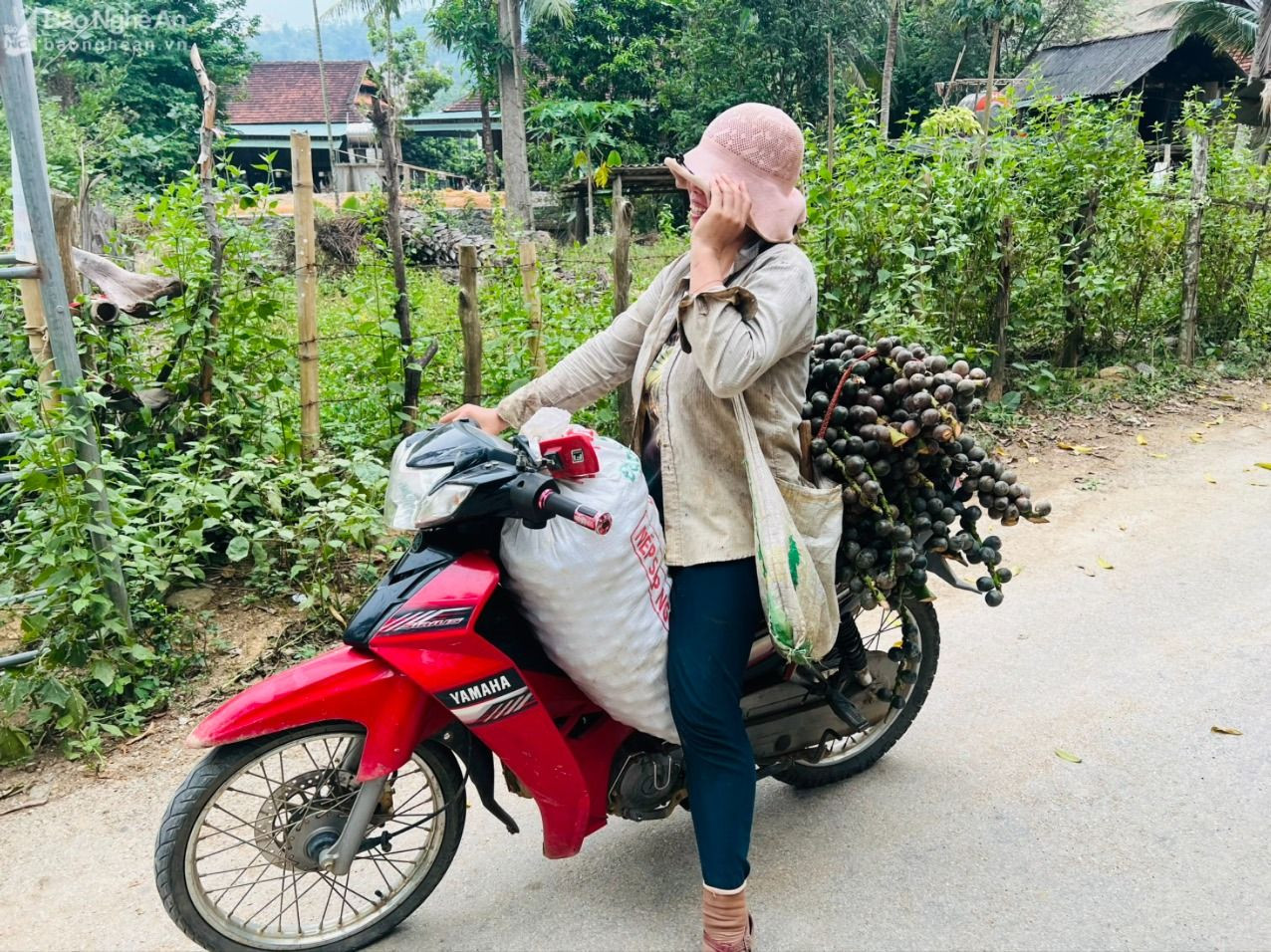
Although the processing of palm seeds is laborious, the palm tree grows abundantly in the forest. Harvesting palm seeds has provided many households in Xieng My commune (Tuong Duong district) with additional employment and increased income. The wholesale price of palm seeds sold by locals to some purchasing households ranges from 18-20 thousand VND/kg, averaging an income of 400-600 thousand VND per day for these households. After purchasing from the locals, the palm seeds are sold wholesale to Thach Giam town (Tuong Duong district), neighboring districts, and Vinh City at a price of 25-30 thousand VND/kg. According to Mr. Tinh Van Hong, head of Phay village, Xieng My commune, the purchasing households have advertised their products on social media, gaining recognition and achieving good sales. Some households import an average of 50kg of palm seeds to Vinh City daily. Photo: Khanh Ly
bna5_FotoJet.jpeg
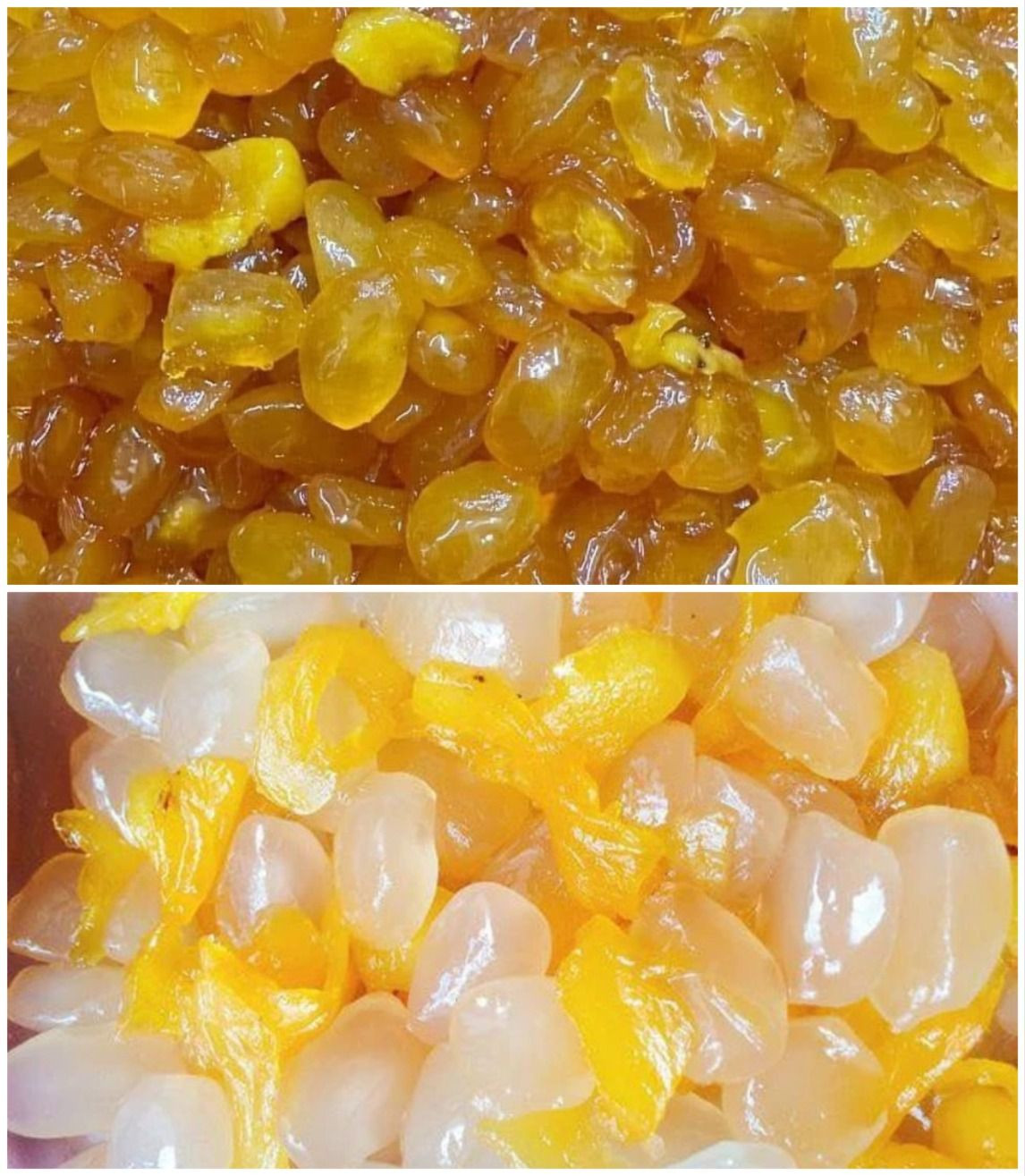
According to our reporter's investigation, candied palm seeds in Vinh City cost between 130,000 and 150,000 VND per kilogram and are popular among housewives for making various refreshing summer dishes. Photo: An Quynh
0 0 0
x
Go to the highlands and see how the locals transform wild fruits into the "white gems" of the forest.
Google News
POWERED BYFREECMS- A PRODUCT OFNEKO