
Vietnamese football schedule and some concerns.
From Thong Nhat Stadium to the recent U17 National Championship finals, it's clear that Vietnamese football is experiencing instability in the organization of its tournaments. This creates many difficulties for clubs as well as the Vietnamese National Team.
In football, "favorable timing, advantageous location, and harmonious human relations" are always decisive factors. When all three are present, a team can maximize its strength and achieve the best results. However, in Vietnam, these advantages are often undermined by poor organization – from the national team level to youth tournaments.
First, let's look at youth tournaments. For many years, the majority of youth tournaments have been held during the most extreme weather conditions of the year. Sometimes it's scorching hot, other times it's pouring rain. While playing in the summer is unavoidable, the organizers could clearly arrange a more reasonable schedule – for example, by spreading out the matches or holding them at later times to allow players sufficient time to recover.
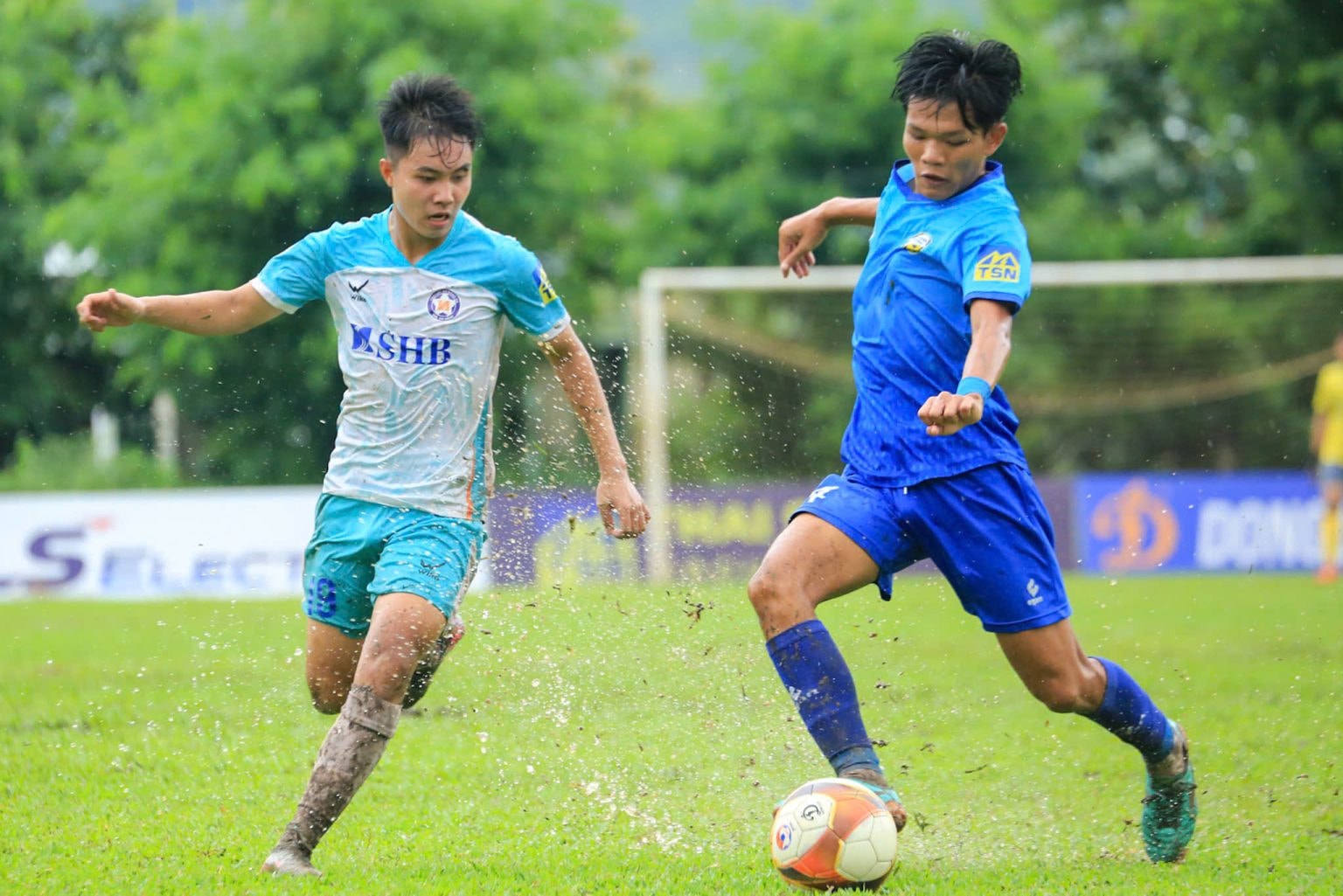
However, the reality is quite different. In some leagues, young players have to play at a very high frequency – a match every two days, sometimes even having to take to the field at 1:30 PM in the scorching sun. This not only affects their health but also reduces the professional quality of the matches.
It wouldn't be wrong to say that the hot weather is "lucky," because at least the players get to play on a dry surface. For example, at the recent National U17 Championship, many matches turned into literal "water battles." Players had to move, pass, and shoot on a surface that resembled... a muddy field. When playing conditions are so poor, it's difficult to talk about professional development or discovering talent.
It's not just youth leagues; even the national team faces similar challenges. During the recent Asian Cup qualifiers, the decision to hold matches in October – a time when the southern region frequently experiences heavy rainfall – was controversial.
UnderCoach Kim Sang-sikThe Vietnamese team is pursuing a style of play characterized by short passes and medium-range ball control. However, with the slippery and muddy pitch, this tactic was almost completely disrupted. The technical passing combinations of Nguyen Tien Linh and his teammates became cumbersome and inaccurate – something easily noticeable in the recent match against Nepal.
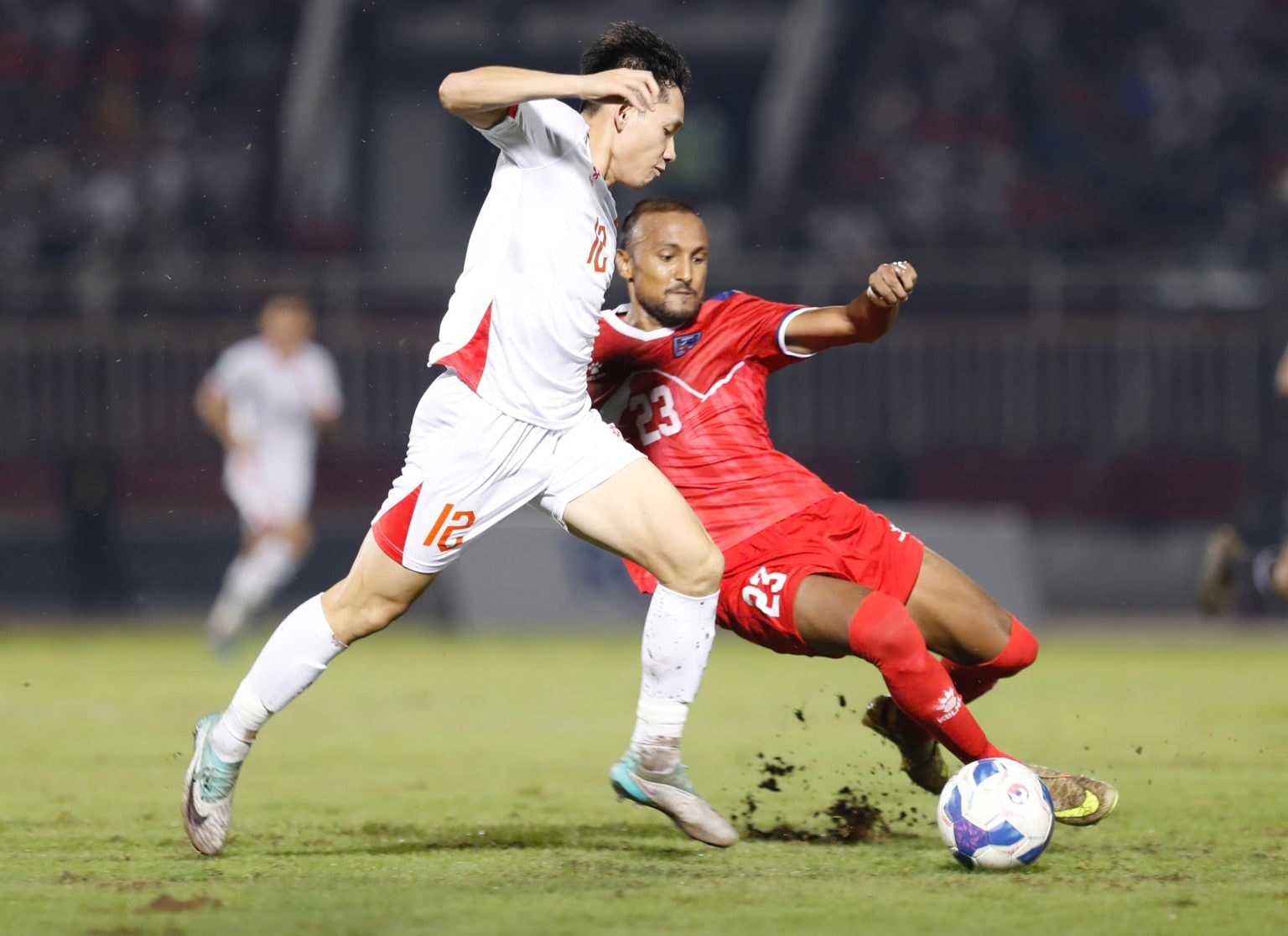
Fortunately, our team still achieved our goal of winning both matches, but clearly, that was the result of overcoming difficulties rather than a victory prepared under optimal conditions.
Modern football is not just about 90 minutes on the field, but also a combination of logistics, scheduling, pitch conditions, and weather. A successful tournament cannot rely solely on the players' fighting spirit, but also requires meticulous preparation from the organizational stage.
It's time for those involved in Vietnamese football to adopt a longer-term vision and more meticulous planning. Match schedules must be developed based on climatic conditions, geographical characteristics, and the playing style of each team. Only by creating a favorable playing environment – from physical fitness and tactics to psychology – can we fully exploit the potential of players and elevate Vietnamese football to a higher level.
In conclusion, toVietnamese footballSustainable development, based on the principles of "favorable timing, location, and human resources," cannot be merely a slogan. It must be concretized through practical actions – from arranging reasonable schedules for youth tournaments to selecting suitable venues for the national team. Only then can we talk about building a professional, systematic, and future-oriented football system.


