
British-German joint venture successfully tests prototype of HS1 hypersonic missile.
The HS1 prototype achieved Mach 6 in testing in Norway, paving the way for Europe's independent hypersonic warfare capability by 2029 at a low cost.
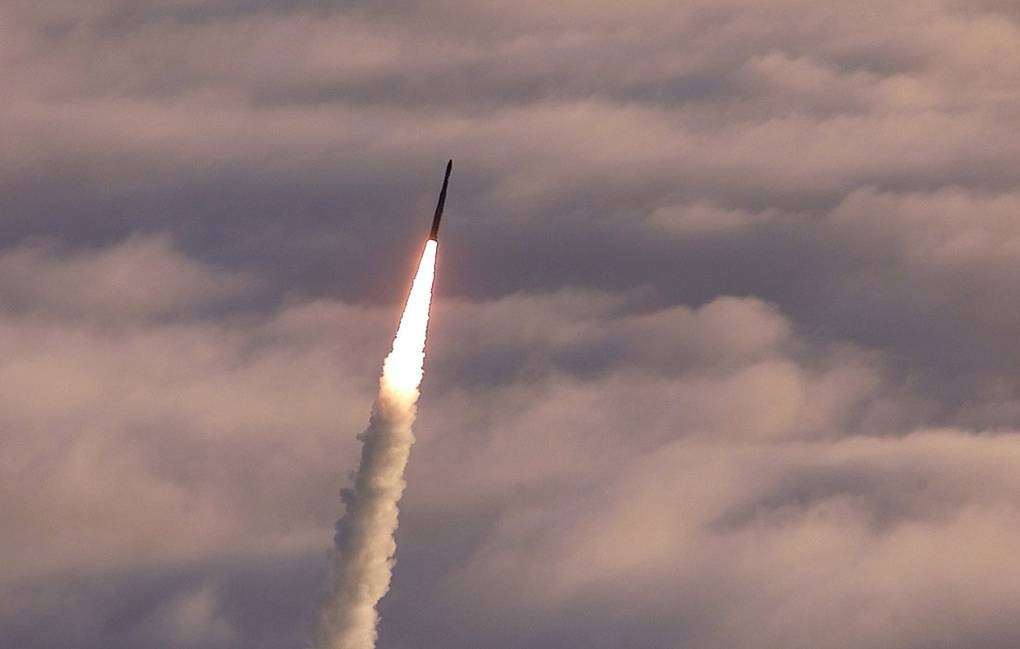
The Anglo-German defense joint venture Hypersonica has announced the successful testing of the HS1 hypersonic missile prototype at the Andoya Space Centre in Norway. This is considered a significant step in Europe's efforts to develop independent hypersonic weapons technology, aiming to enhance its future defense and offensive capabilities.
Technical specifications and test results
During recent testing, the HS1 prototype achieved speeds exceeding Mach 6 (six times the speed of sound) and completed a flight distance of over 300 km. According to Hypersonica representatives, the system operated stably and maintained high performance throughout its supersonic flight. Data collected from the test will directly contribute to the design and analysis of the characteristics of next-generation high-speed weapon systems.
Remarkably, the entire process, from design and system integration to completing safety approval procedures, took only 9 months. This shortened preparation time demonstrates the project's ability to optimize its engineering and management processes.
UK-Germany Strategic Partnership
The Hypersonica joint venture is the result of a strategic collaboration between leading defense and aerospace corporations from the UK and Germany. The project focuses not only on developing hypersonic interceptor missiles but also aims for more ambitious goals such as spaceflight.
Philipp Kerth and Marc Ewenz, the two co-founders of Hypersonica, affirmed that this test is a pivotal milestone. The joint venture aims to provide Europe with its first independent hypersonic strike capability by 2029.
Economic vision and feasibility
One of the outstanding advantages of HS1 is its flexible modular architecture. According to the manufacturer, this approach reduces development costs by more than 80% compared to traditional processes. This is a key factor in making the technology more accessible to allied countries.
Hypersonica anticipates that by 2030, systems based on HS1 technology will be officially deployed within the UK military and NATO members. Self-reliance in hypersonic technology will help Europe reduce its dependence on weapons systems from external powers, while strengthening its deterrence capabilities in a volatile regional security environment.


