
Linking production to increase the value of Thai Hoa guava trees.
Starting with guava orchards interspersed within residential areas, residents of Quang Minh block, Thai Hoa ward, have gradually expanded their cultivation to the hillsides, forming a concentrated production area with nearly 30 participating households. Once the economic benefits were confirmed, the local authorities are implementing a project to build the "Thai Hoa Guava" brand, establishing a professional association, applying safe production processes, and linking consumption... all aimed at increasing value and creating a sustainable market for this key crop.
Establishing concentrated guava growing areas.
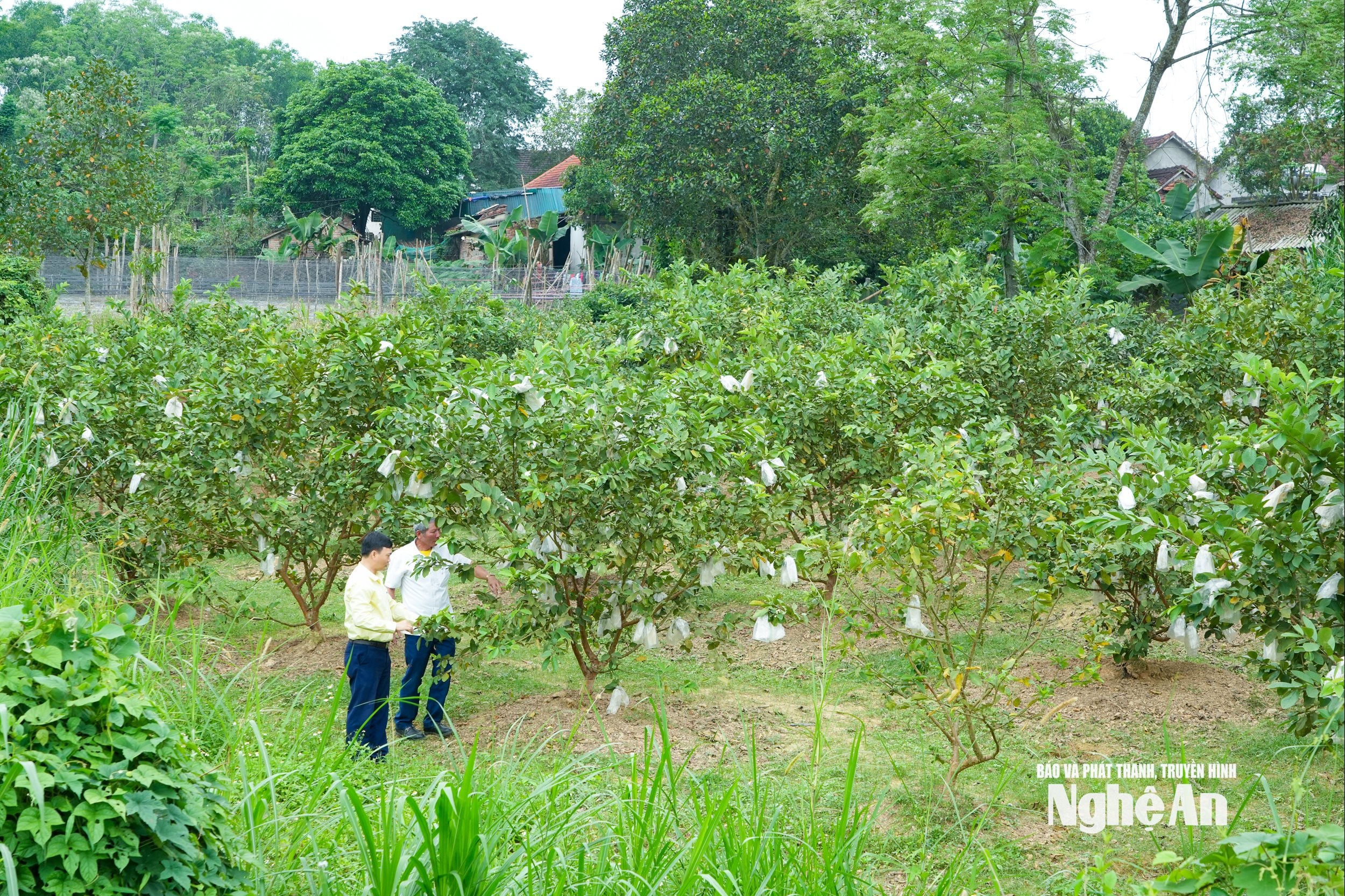
One morning on the six-acre hillside of Mrs. Dao Thi Lam's family in Quang Minh hamlet, rows of lush green guava trees were beginning to bear their first fruits. Under the guava trees, beans, peanuts, and tomatoes were intercropped, covering the rows, with irrigation pipes running along each line. Neatly trimmed pathways provided shade, each tree spreading its branches evenly, its fruit peeking out from beneath its white protective covering. The bustling atmosphere of labor transformed this hillside, once used for growing sugarcane and oranges, into a vibrant new landscape.
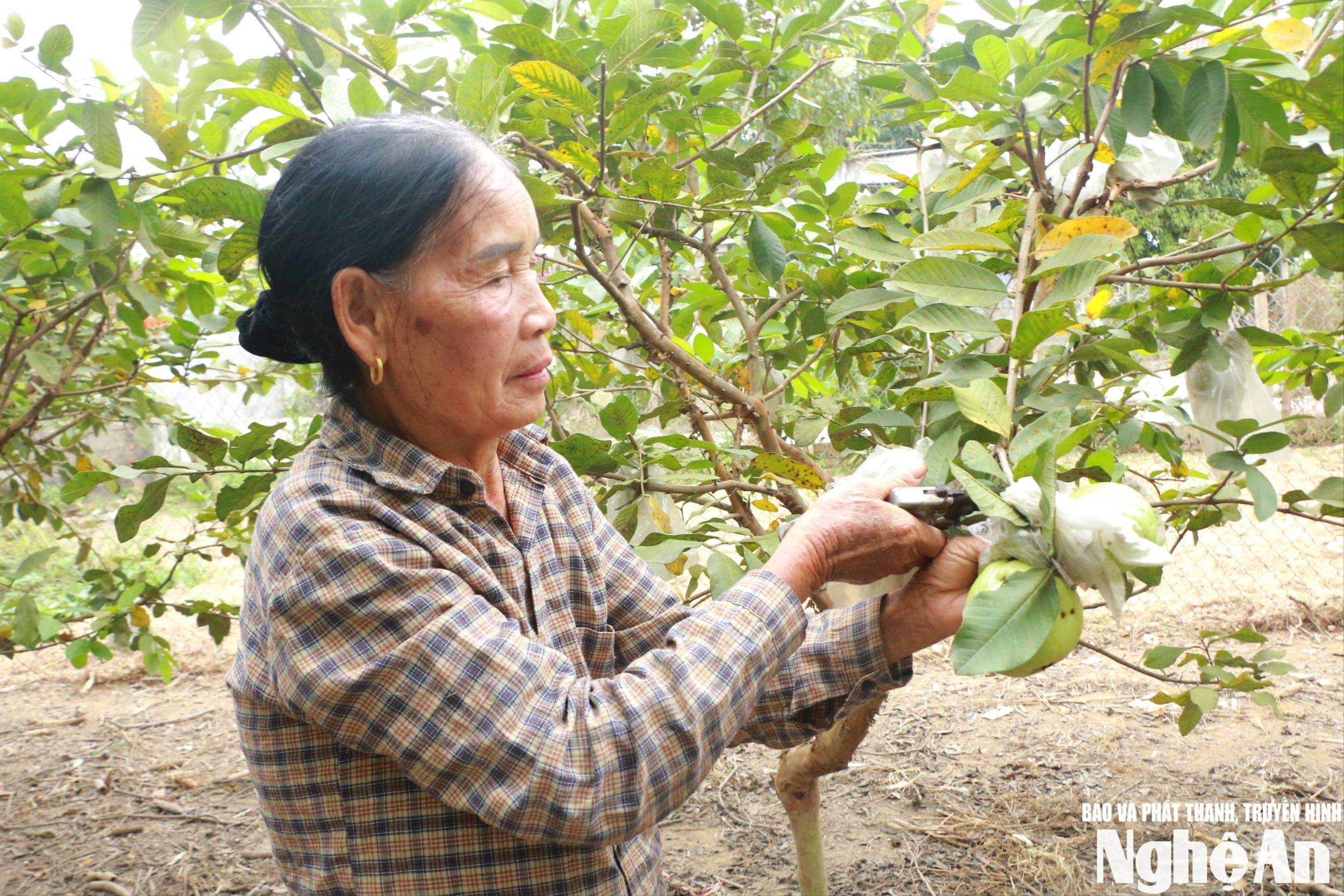
Mrs. Lam's family is one of the pioneering households in bringing guava trees to the hilly region. Previously, her family had been involved in growing oranges for many years, but the yield was low due to pests, diseases, and tree degeneration. In 2018, she boldly converted 2 acres of garden land to experimentally plant pear guava trees, while 6 acres of hilly land were used to grow sugarcane. After just over a year, the guava trees began to bear fruit, and after two years, they entered the commercial production phase.
.jpg)
"Initially, we lacked experience in planting, so the density was a bit high, with each tree yielding about 30-35kg of fruit. The average selling price is 20,000-25,000 VND/kg, meaning each guava tree brings in about 500,000-800,000 VND per year, and each plot yields tens of millions of VND," Ms. Lam shared.
The success of her two plots of guava trees in her garden motivated her to convert the entire hillside area. This time, she dug deep holes, mixed the soil with lime, manure, and phosphorus according to technical guidelines, and planted sparsely to encourage canopy growth. To ensure a reliable water supply, the family invested tens of millions of dong to lay pipes from the well to the hill and install an automatic irrigation system. Currently, the guava trees, nearly a year old, have begun bearing fruit, promising higher yields. While waiting for the harvest, she intercrops short-term crops to "use short-term gains to support long-term growth," both improving the soil and increasing income.
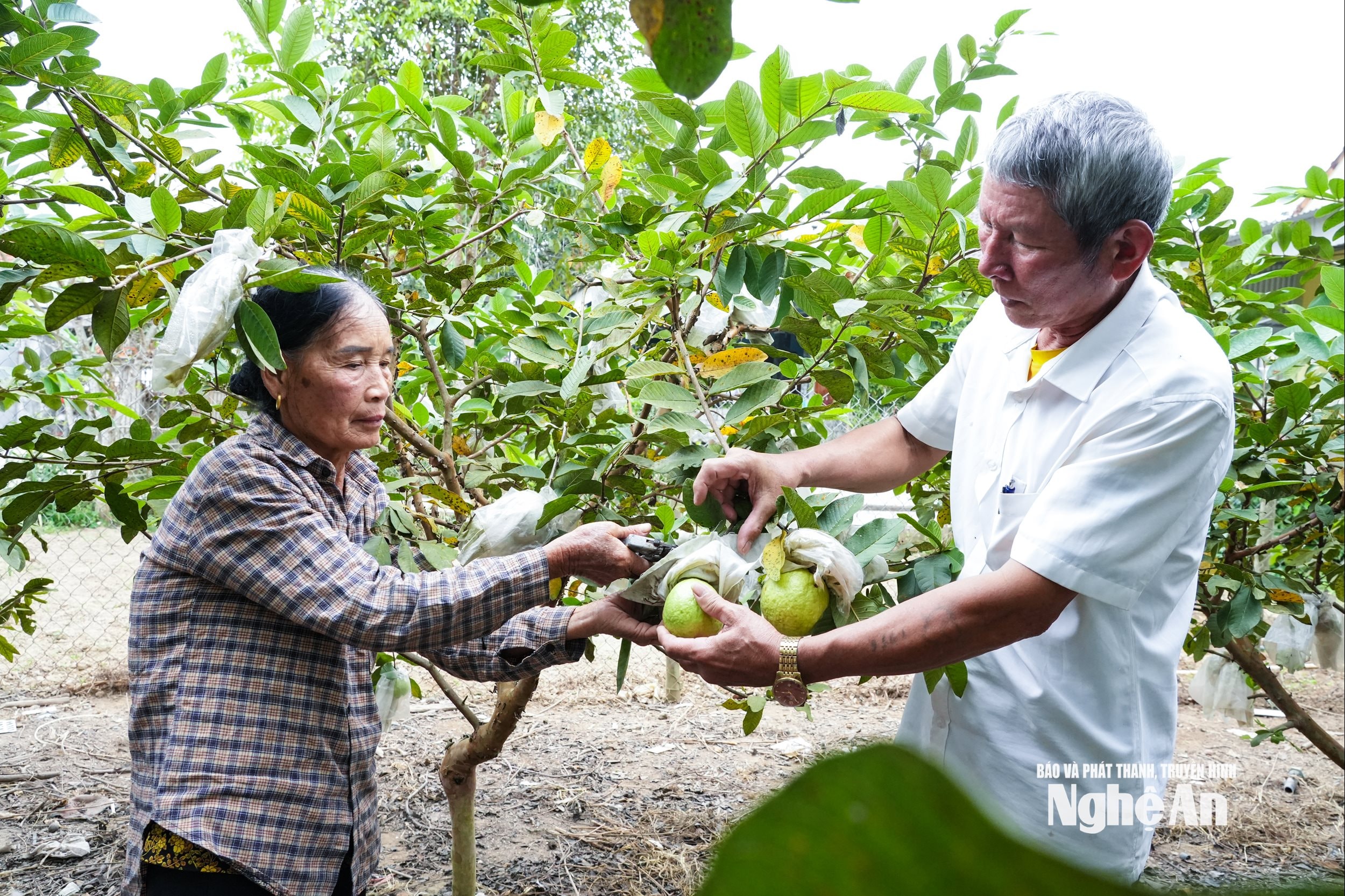
Not far away, the guava orchard of Mr. Tran Van Quy's family, with over 300 trees, is also in its harvesting season. Previously, this area was planted with PQ oranges and tangerines, but they were diseased and yielded low productivity. After switching to planting Taiwanese pear guavas, the trees have grown well, yielding harvests in stages from October of the previous year to May or June of the following year.
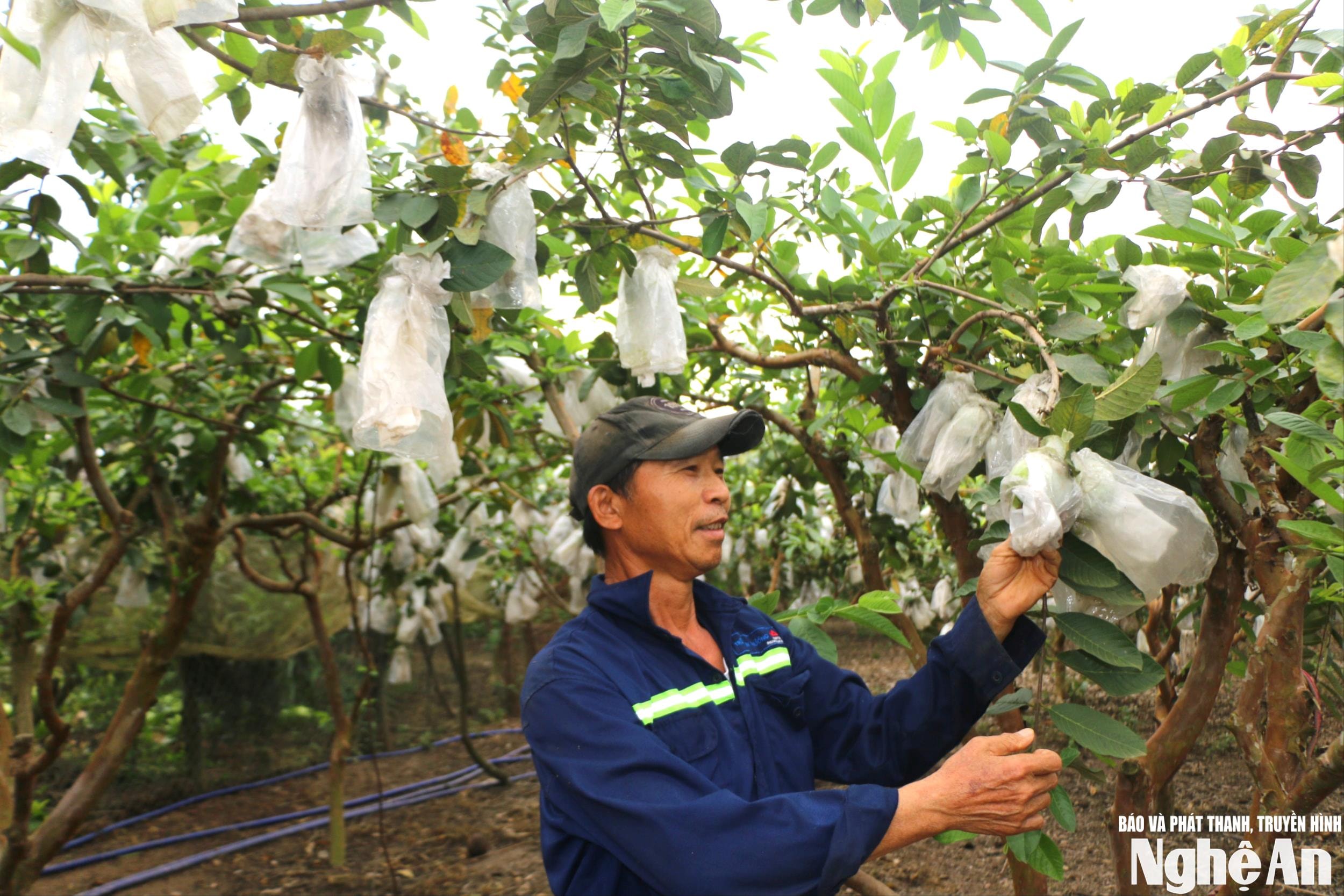
During the recent Lunar New Year, his family sold over 1 ton of guava at 25,000 VND/kg, and then continued harvesting sporadically. According to Mr. Quy, guava trees have many advantages: they are easy to care for, have few pests and diseases, and require lower investment costs than citrus trees. In particular, the long harvesting period means growers don't face pressure to sell their produce, providing a steady income. When the trees close their canopy, the family also utilizes the space under the trees to raise ducks and chickens, which both reduces weeds and increases income.
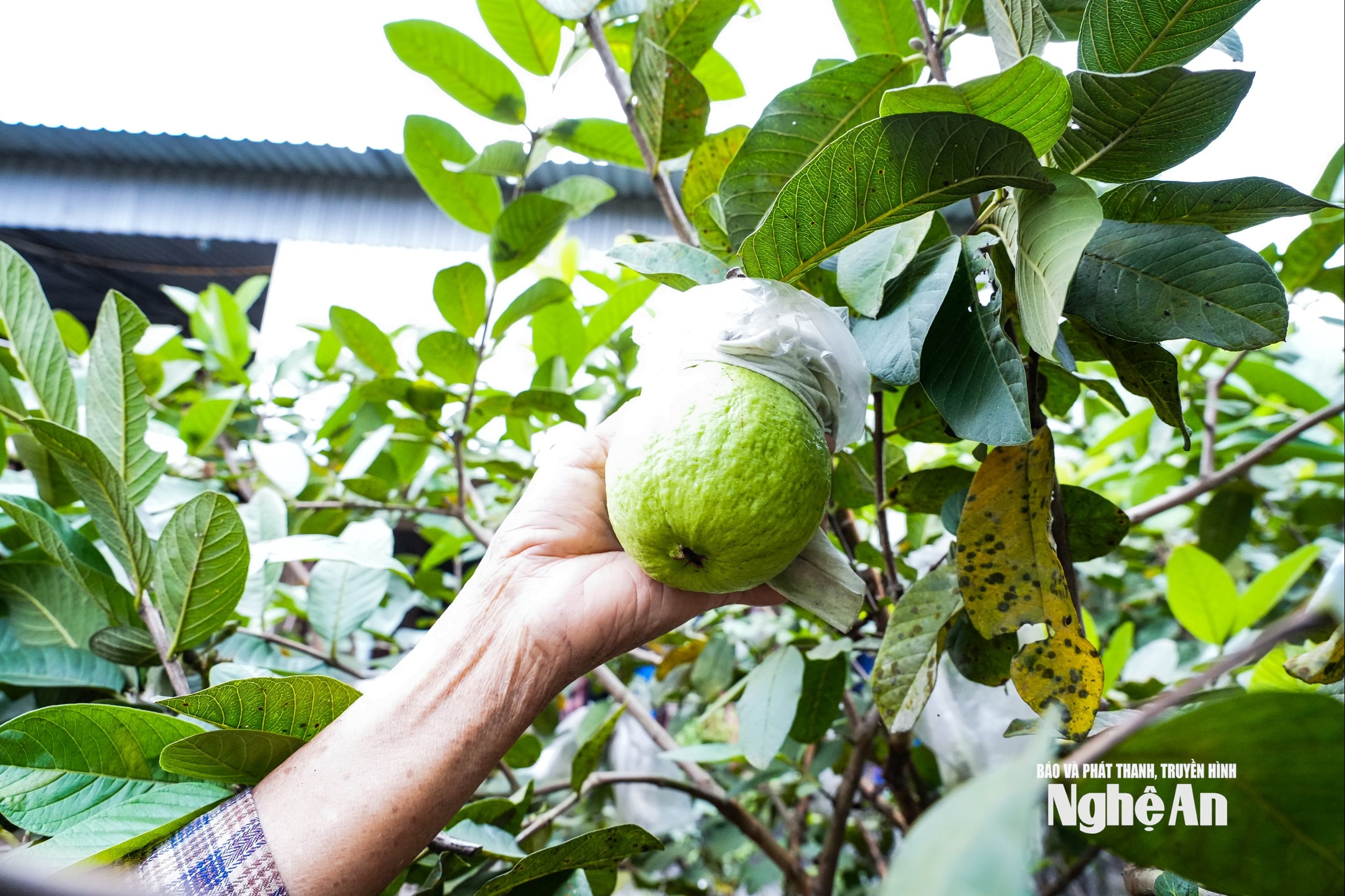
From the initial successful models, guava cultivation gradually spread throughout the Quang Minh area. The hillsides previously used for unproductive sugarcane, oranges, and tangerines are now covered with rows of guava orchards. Nearly 30 households have switched to growing pear-shaped guavas, gradually forming a concentrated production area. The guavas grown here are characterized by their crispness, sweetness, aroma, large size, and few seeds, making them a regular purchase by traders. At times, traders even come directly to the orchards to place orders in advance, giving farmers peace of mind.
Building the "Thai Hoa Guava" brand.
Despite its good quality and favorable market demand, guava products in Thai Hoa are currently mainly consumed as fresh fruit, lacking packaging and branding, thus limiting their value. This is also the reason why the locality is implementing a project to build the "Thai Hoa Guava" brand, aiming for sustainable commodity production development.
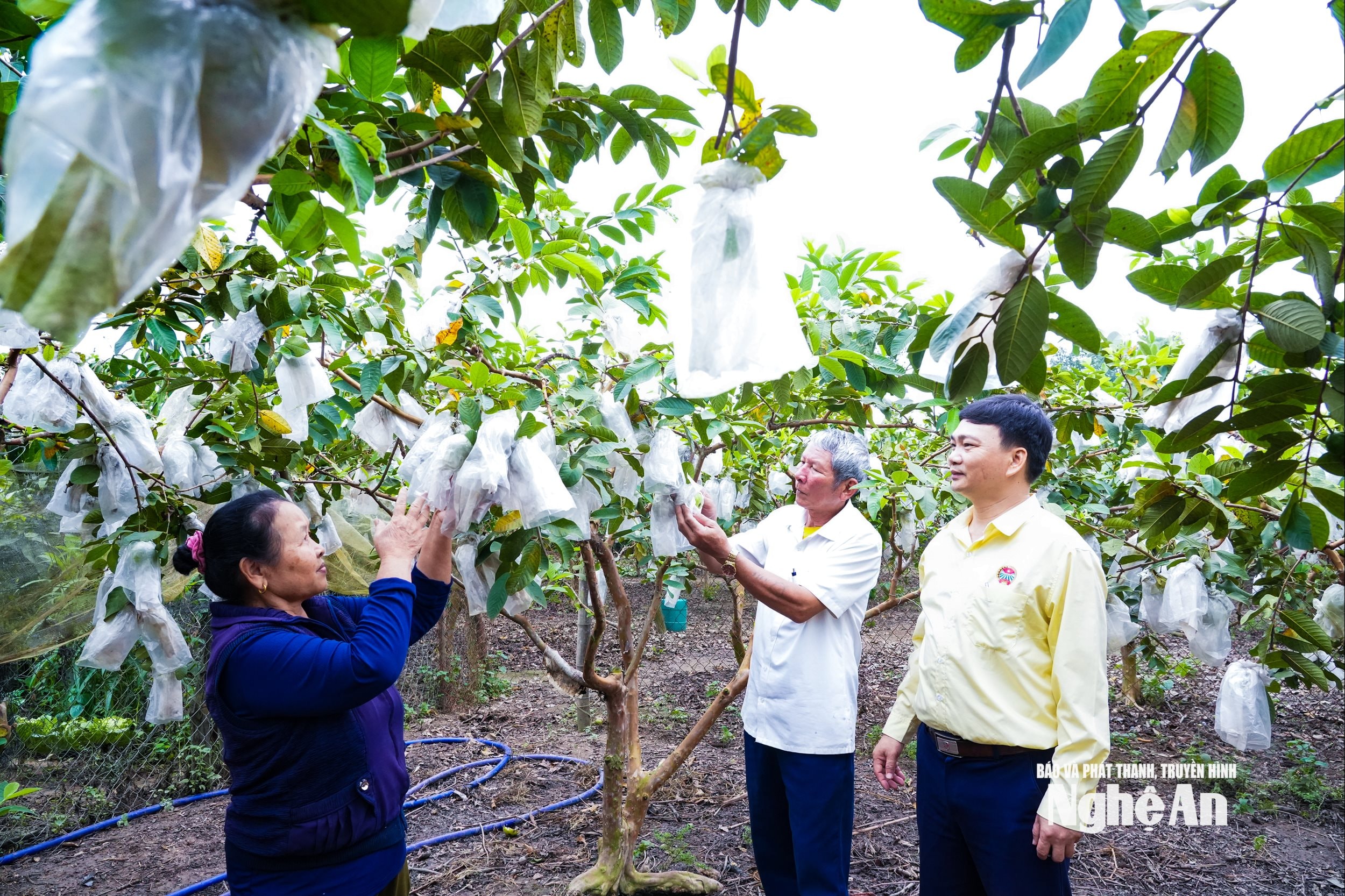
Mr. Le Van Quyen, head of the Quang Minh Farmers' Association, said that guava trees have been associated with the local people for nearly 10 years and have become a key crop in the development of hillside farming. Guava grown here is crispy, sweet, and fragrant, and is popular in the market. However, due to the lack of a brand name, its competitiveness is limited, and the selling price is lower than in some other growing regions.
"If we can establish a professional association and build our own brand, the people will be very excited. We will promote and encourage people to cultivate according to VietGAP standards, produce clean products, and move towards organic farming. When there is a brand, the products are packaged and labeled with traceability tags, and their value will certainly increase," Mr. Quyen said.
.jpg)
According to the "Thai Hoa Guava" brand building project, the locality will establish a concentrated growing area in Quang Minh hamlet with an area of approximately 10 hectares, involving 27 households. Farmers will be guided to apply safe production processes, keep records, and classify products by size and quality. At the same time, the locality will develop a logo, packaging, labels, and standardize packaging specifications to reduce post-harvest losses and enhance product value.
Mr. Phung Sy Lam, Vice Chairman of the Thai Hoa Ward Farmers' Association, said: “Building the 'Thai Hoa Guava' brand is necessary to enhance economic value and create a stable and sustainable market. When the project is implemented effectively, we will continue to expand the area, convert less productive rice and corn fields to commercial guava cultivation, and form a commodity production zone.”
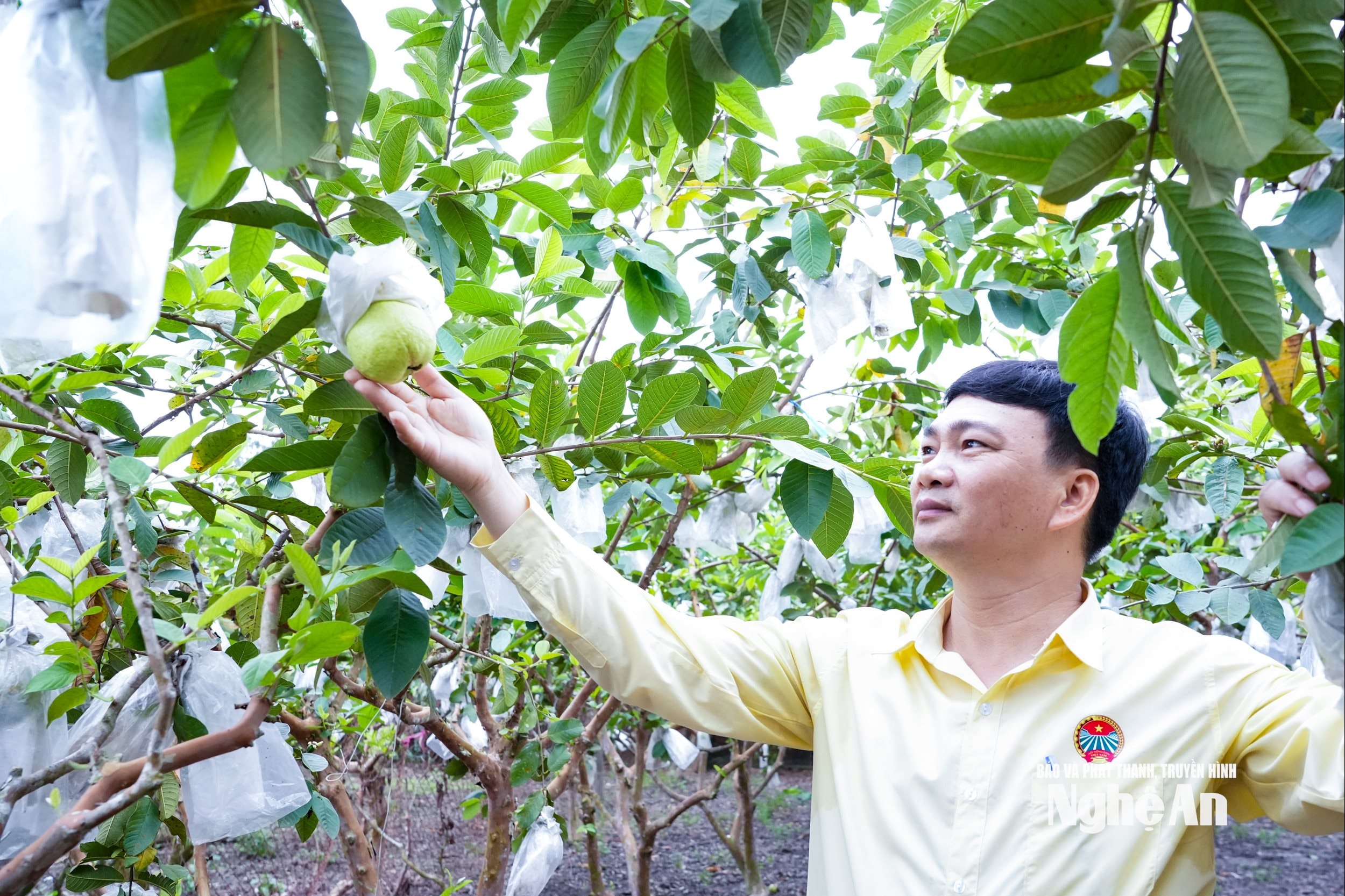
Besides developing cultivation areas, the locality also focuses on trade promotion, advertising products at trade fairs, connecting consumption with businesses, wholesale markets, and online sales channels. Thai Hoa guava products are being targeted to participate in the OCOP program, gradually affirming the position of a distinctive local agricultural product. From the initial intercropped guava orchards, the hillsides of Thai Hoa are now gradually being covered with green guava trees.
When the branding project was implemented, along with linkages in production and consumption, "Thai Hoa Guava" not only brought stable income to the people but also opened up a direction for the development of sustainable commercial agriculture, contributing to increasing the value of land and the lives of local farmers.


