
Google Pixel 11 Pro Fold revealed: Ultra-thin design and a significant leap forward with the Tensor G6 chip.
Leaked renders of the Google Pixel 11 Pro Fold reveal a significantly thinner foldable phone, along with a groundbreaking upgrade to the Tensor G6 processor manufactured on a 3nm process.
The latest leaks from rumor expert OnLeaks have provided the first detailed look at Google's next-generation foldable phone, expected to be called the Pixel 11 Pro Fold. Although the launch date is still quite far away, the sharp renders reveal the search giant's new design direction, focusing on optimizing slimness and refining the signature camera setup.
Refined design and efforts to optimize thinness.
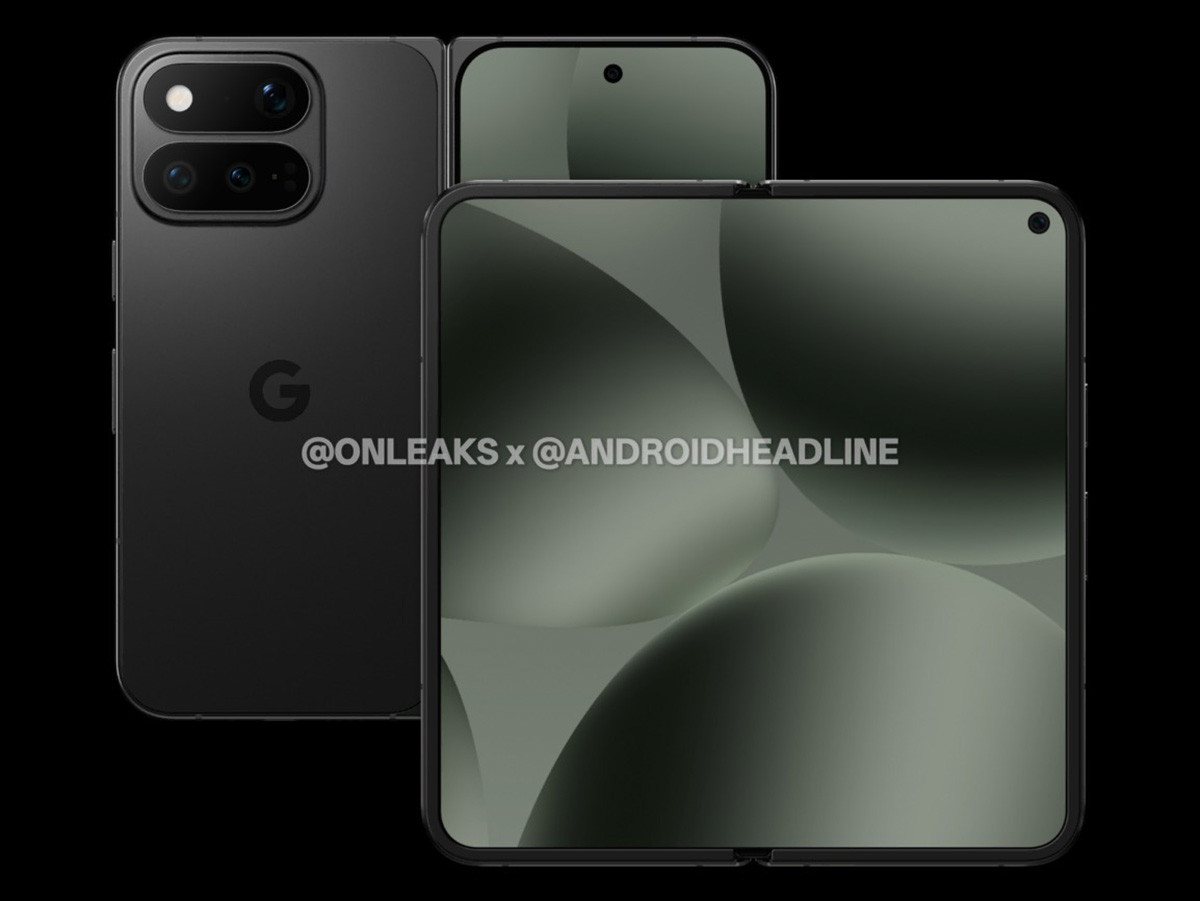
Overall, the Pixel 11 Pro Fold retains the minimalist design language characteristic of the Pixel line, with a premium aluminum frame and a flat glass back. However, the corners are expected to be more sharply rounded, improving the grip, which is a major challenge on large foldable devices.
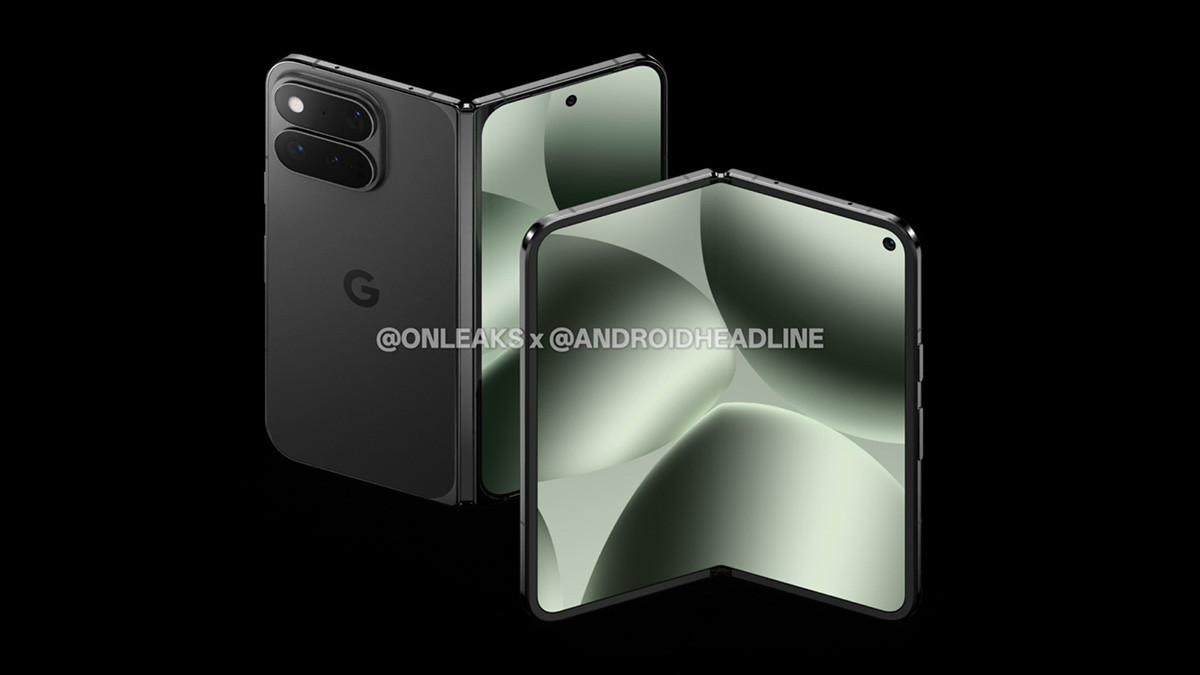
The most notable aspect lies in the device's physical dimensions. According to leaked figures, Google has successfully reduced the device's thickness to an impressive level. Specifically, when folded, the device is only 10.1 mm thick (down from 10.8 mm on the Pixel 10 Pro Fold). When fully unfolded, the thickness reaches 4.8 mm, about 0.4 mm thinner than the previous generation. In the world of foldable phones, every tenth of a millimeter reduction makes a significant difference in weight and everyday usability.
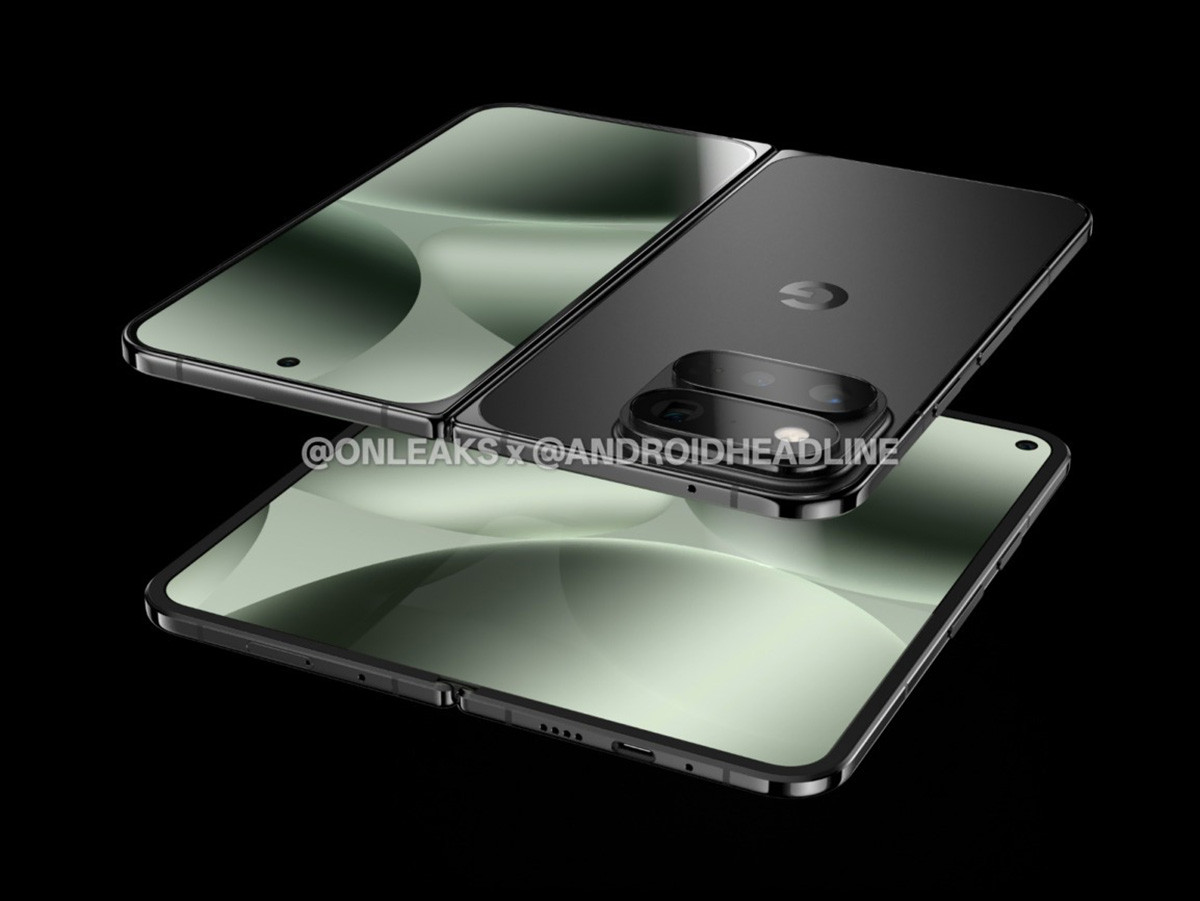
The "pill-shaped" camera module has been redesigned.
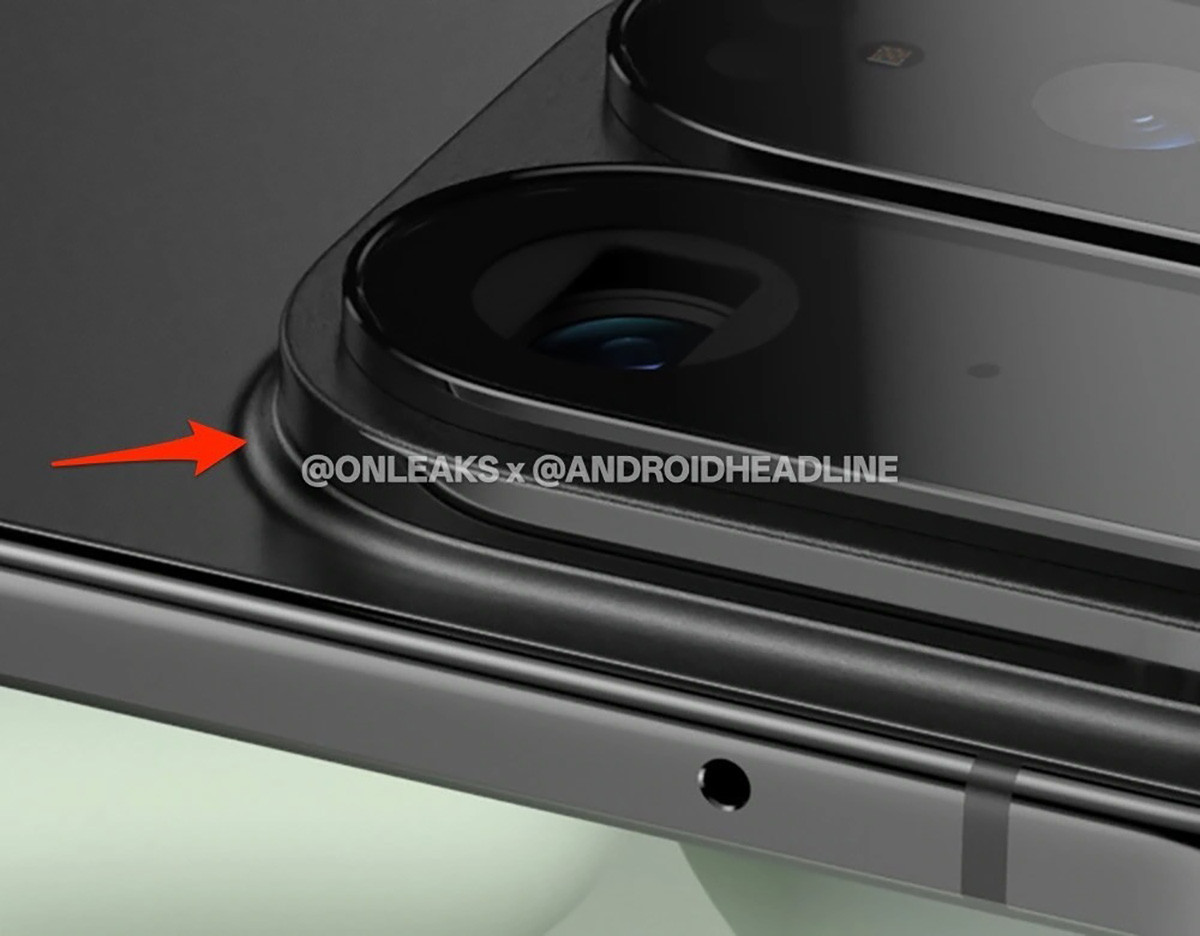
Google also made significant changes to the rear camera module. Instead of a separate sensor design, the Pixel 11 Pro Fold uses a new "camera island" with a pill-shaped cutout containing the LED flash, microphone, and a main camera sensor. This approach makes the back look more seamless and modern, while the junction between the camera module and the glass is softly curved, reducing the feeling of rigidity.
Power from the next-generation Tensor G6 chip.
Inside its slim and lightweight casing, the Pixel 11 Pro Fold is expected to be powered by the Tensor G6 processor. This chip is predicted to mark a turning point for Google as it switches to TSMC's 3nm manufacturing process. This transition not only increases processing performance but also optimizes energy efficiency, addressing the common heat issues in thin devices.
| Parameter | Pixel 11 Pro Fold (Expected) | Pixel 10 Pro Fold |
|---|---|---|
| Thickness when folded | 10.1 mm | 10.8 mm |
| Thickness when opened | 4.8 mm | 5.2 mm |
| Microprocessors | Tensor G6 (3nm) | Tensor G5 |
| Height | 155.2 mm | 155.2 mm |
Direct competitors
The arrival of the Pixel 11 Pro Fold around August 2026 will put considerable pressure on competitors in the high-end foldable phone segment, especially Samsung's Galaxy Z Fold. With the advantage of optimized stock Android software and AI-powered image processing, Google is gradually asserting its position in this promising niche market.
Users can now refer to current foldable phone models like the Galaxy Z Fold7 to compare features and user experience before waiting for Google's flagship product.

Although specific camera specifications have not yet been revealed, with the redesigned hardware structure, experts expect Google to incorporate larger sensors or improved lenses to maintain its leading position in mobile photography.


