
The plan to replace trees is linked to the renovation of streets in Vinh City.
(Baonghean.vn) - In order to develop Vinh City into a green, clean, beautiful, and civilized urban area, along with upgrading urban infrastructure, the city is successively investing in renovating and replacing trees on its streets.
Many streets are replacing trees simultaneously.
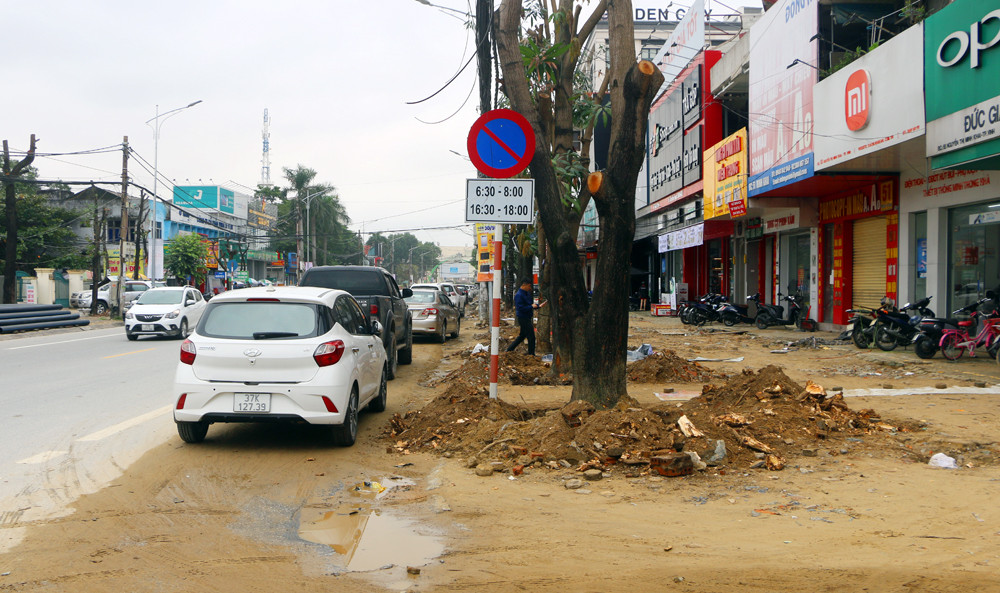
Since the beginning of October, I've been going to work every day.people of Vinh cityIt's surprising that at the same time, Le Hong Phong and Minh Khai streets, two central city thoroughfares, had their sidewalks dug up for the construction of drainage culverts and the installation of underground power and telecommunication cables, while a large number of trees were simultaneously pruned and relocated. Previously, along with infrastructure upgrades, a series of other trees on pedestrian streets like Ho Tung Mau, Nguyen Van Cu, Phan Dinh Phung, and Tran Phu were also cut down and relocated to make way for new trees. Although carried out according to planning and design, the tree replacement has raised considerable public concern...
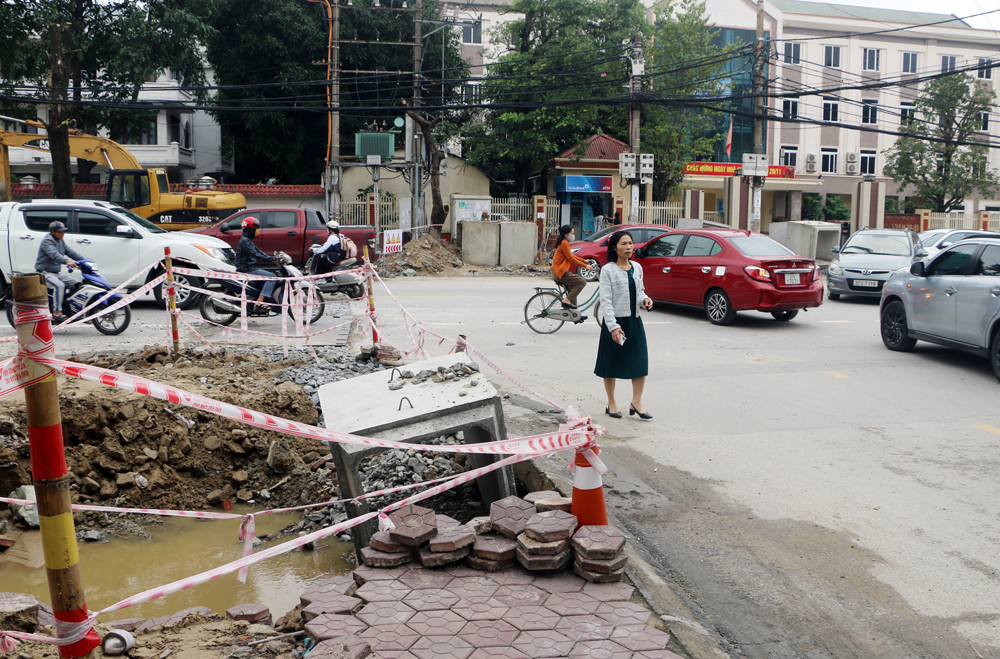
For example, Mr. Ho Van Cung, residing at 171 Le Hong Phong Street, Hung Binh Ward, expressed regret that the thriving mango trees in front of his house on Le Hong Phong Street were cut down and transplanted elsewhere. According to him, it takes decades of care and protection to cultivate a shady row of trees, so cutting them down to plant new, more aesthetically pleasing trees is understandable given the uncertain effectiveness of the new plantings.
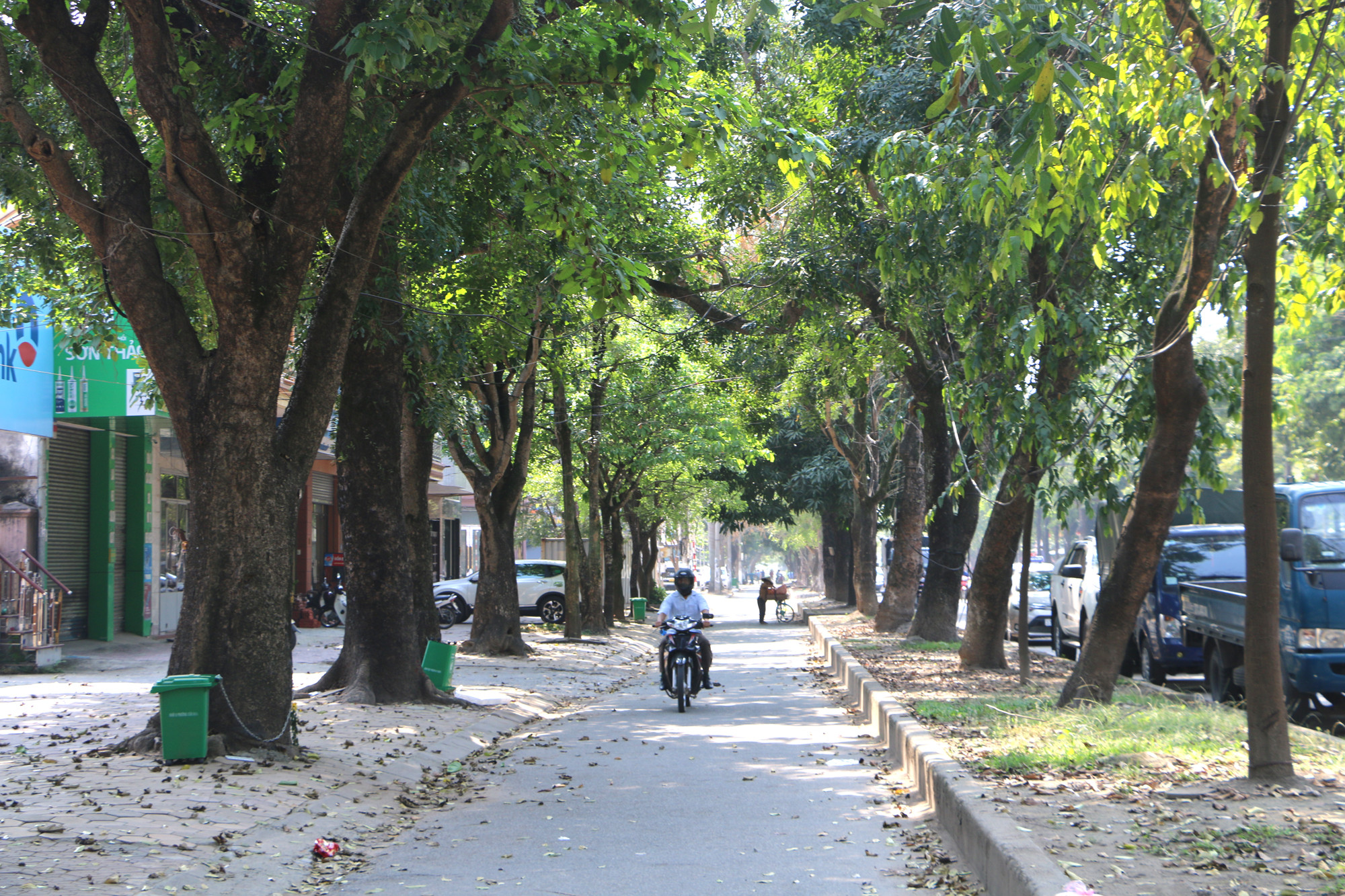
Regarding the replacement of trees on city streets, Mr. Nguyen Viet Duc, Head of the Urban Management Department of Vinh City, explained: Previously, due to limited resources, the city only focused on investing in technical infrastructure such as roads and drainage ditches, while the urban green space network was not given adequate attention and investment. In reality, after roads and sidewalks were completed, if the city invested in green spaces on a street, the tree planting company would plant readily available and inexpensive trees such as crape myrtle, mango, and black star trees. On the remaining streets, agencies, units, and residents would plant whatever trees were convenient, without following any design, as long as they provided shade quickly.
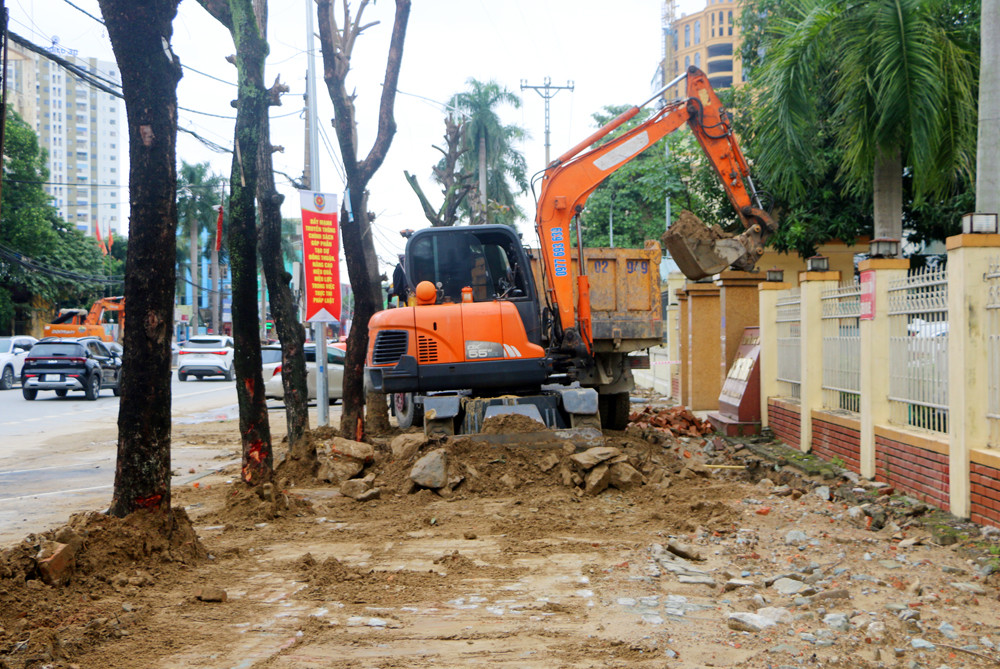
In reality, after a period of rather spontaneous investment in tree planting, coupled with the requirement for urban beautification towards a green, clean, and beautiful environment, Vinh's urban green network has revealed many shortcomings. On many streets, trees such as paulownia and flamboyant trees have rotted, posing a high risk of falling during storms.
Furthermore, according to the flood control command centers of the wards and communes, large-leaved trees are partly responsible for flooding on the streets. The reason is that during heavy rain, wind causes leaves to fall and clog drainage holes and manholes along the sidewalks. Therefore, it is essential to assess, plan, and redesign the tree network to ensure proper replanting.
A representative from the Vinh City Urban Management Department added: Since 2017, based on an assessment of the implementation results.Urban green space development projectDuring the period 2007-2017, Vinh City planned to invest in upgrading technical infrastructure and beautifying the city to develop themed streets. The city would review and remove rotten or unsuitable trees; simultaneously, it would gradually plant new trees suitable for urban green spaces and eventually design each street with a specific type of tree to create a focal point. This approach has been quite successful in large cities and famous tourist destinations. Trees not only provide shade but also create spaces and focal points where residents and tourists can enjoy themselves and take photos during flowering seasons…
New trees add a touch of greenery to the streets.
The replacement and replanting of trees on Nguyen Thi Minh Khai and Le Hong Phong streets after the renovation and upgrading of road and sidewalk infrastructure is part of the city's urban beautification plan for central streets. Before deciding to plant only crape myrtle trees on Le Hong Phong street and crape myrtle trees on Nguyen Thi Minh Khai street, the city considered and consulted many other tree species to develop a plan and submit it to the City People's Committee for approval.
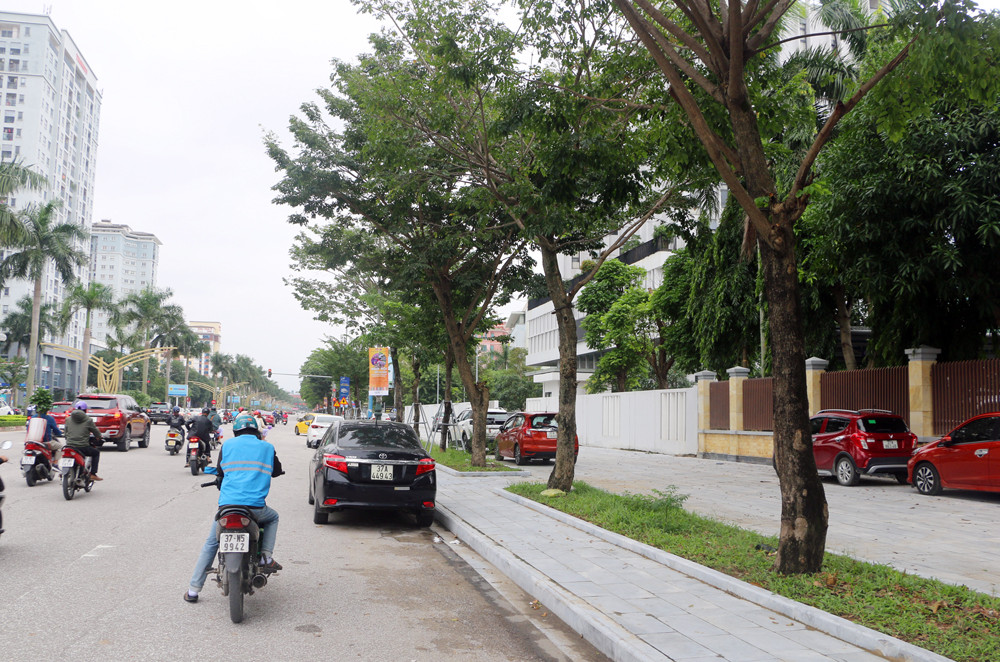
Based on the experience of replacing trees in urban renovation projects, along with infrastructure upgrades, Vinh City has boldly invested in replacing trees on Cao Thang, Ho Tung Mau, and Le Nin Boulevard streets, recently on Nguyen Van Cu street, and is currently implementing this on Le Hong Phong and Nguyen Thi Minh Khai streets.
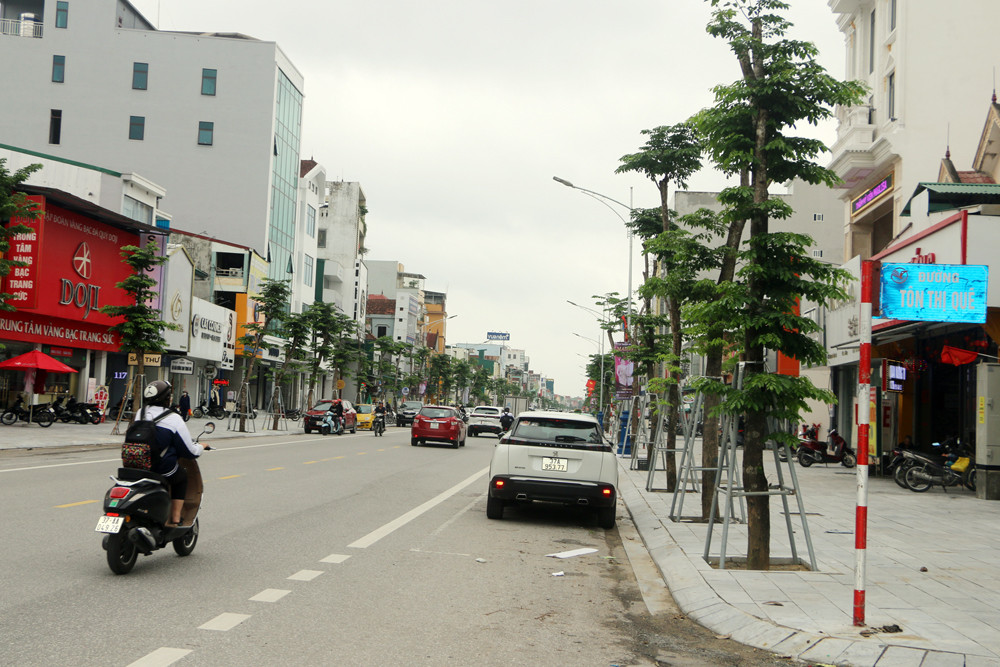
For example, recently on Le Hong Phong Street, out of 511 existing trees, 89 were deemed unsuitable or rotten, posing a high risk of falling and needing to be removed. Only 85 crape myrtle trees could be used or replanted, while the rest will be relocated to other suitable areas.
Similarly, out of the 309 existing trees on Nguyen Thi Minh Khai Street, 8 had to be removed due to decay, 301 trees were relocated, and only 45 suitable trees were selected for replanting. Previously, trees on Ho Tung Mau, Phan Dinh Phung, and Nguyen Van Cu streets that were no longer suitable had also been replaced and moved to parks or the grounds of agencies, units, wards, and communes in the city.
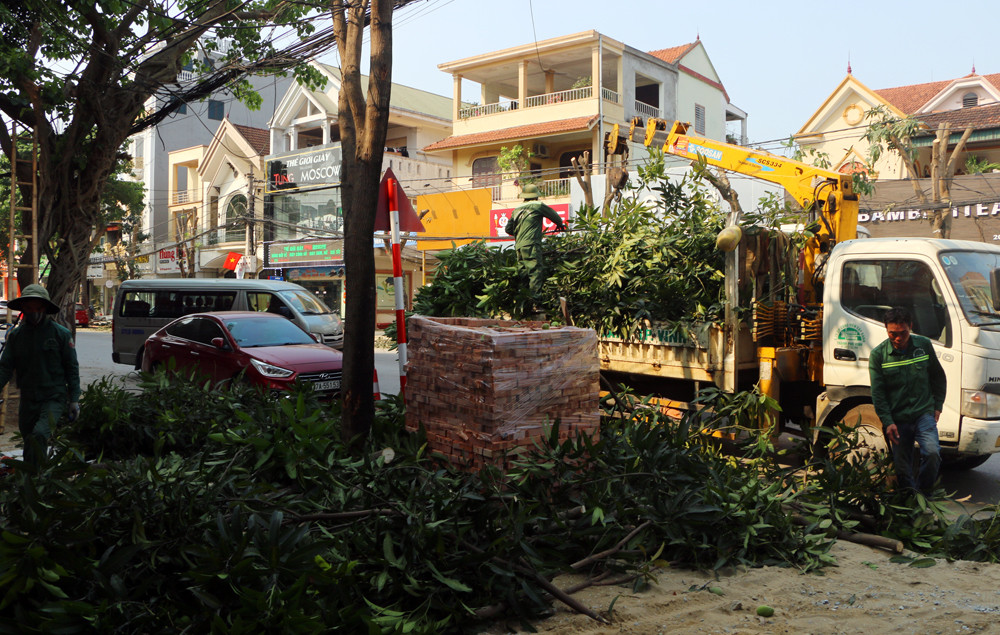
The head of the Urban Management Department stated: Not only now, but also in the near future, according to the set roadmap and based on available resources, the city will gradually replace trees on city streets. In addition to investment from the budget, the city will also attract social contributions by encouraging project investors and residents to plant new trees on sidewalks and public areas according to approved plans and designs.
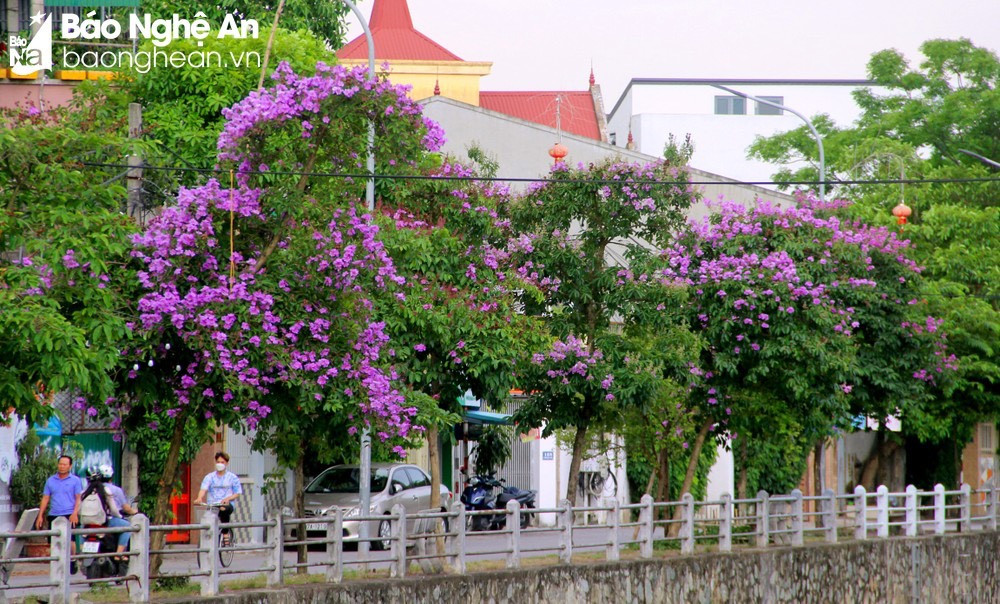
From the perspective of the people, they wish for Vinh City to increase the percentage of green spaces and develop a network of trees to create focal points along the streets. However, before replacing trees on the streets, it is necessary to consult with urban and forestry experts. In addition, information and the tree replacement schedule on the streets need to be made public so that people can understand, comprehend, and give their full support.


