
These eggs, costing less than 1,000 VND, are more nutritious than chicken eggs.
These eggs are richer in protein and vitamin B than chicken eggs; they also contain more lecithin, copper, cobalt, niacin, and essential amino acids than other eggs.
Quail eggs have long been known as a highly nutritious food, popular in many cuisines around the world.
According to the Vietnam Institute of Applied Medicine, quail eggs, though small, have many health benefits. Quail eggs are richer in protein and vitamin B than chicken eggs; they also contain more lecithin, copper, cobalt, niacin, and essential amino acids than other eggs.
According to Traditional Chinese Medicine, quail eggs have a sweet taste and neutral nature; they affect the spleen, stomach, and large intestine meridians. They have the effect of nourishing the five internal organs and replenishing vital energy. They are used in cases of prolonged illness leading to weakness of vital energy and blood, poor digestion, and postpartum weakness in women. Children should consume 2-4 quail eggs daily, equivalent to one chicken egg; adults should consume 5-8 quail eggs.
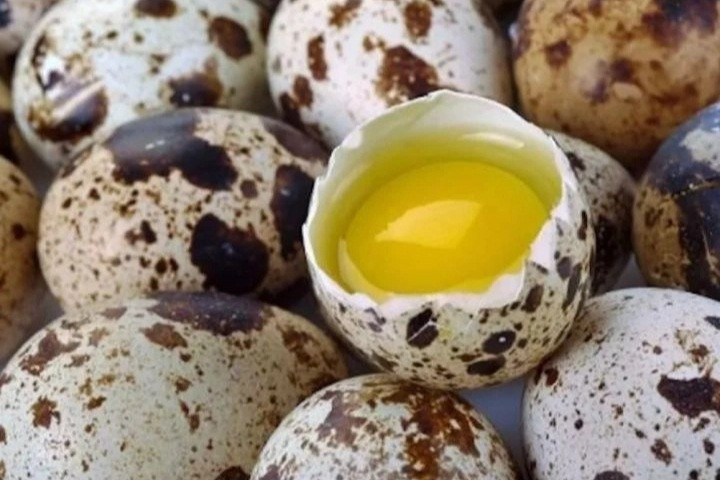
According to Traditional Chinese Medicine, quail eggs have a sweet taste and neutral nature; they affect the spleen, stomach, and large intestine meridians. They are believed to nourish the five internal organs and replenish vital energy. (Image: Getty)
Quail eggs are also very cheap. According to surveys, at many supermarkets, a tray of 30 quail eggs costs only 20,000-25,000 VND.
Eating quail eggs in moderation has been scientifically proven to provide the following health benefits:
Boost your immune system.
Quail eggs are rich in vitamins and minerals, especially vitamin A and selenium, which play an important role in boosting the immune system.
Vitamin A helps maintain the health of tissues and mucous membranes, which are the first line of defense against pathogens. Selenium, a powerful antioxidant, helps protect cells from free radical damage and enhances immune function.
Improve eyesight
Vitamin A in quail eggs is not only good for the immune system but also very important for eye health. According to a study published in the journal "Ophthalmology," adequate vitamin A intake can reduce the risk of eye diseases such as macular degeneration and cataracts.
Supporting children's development
The protein and essential amino acids in quail eggs are crucial for children's development and growth. According to a study from Kyushu University (Japan), quail eggs provide high-quality, easily absorbed proteins that help improve nutritional status and enhance muscle development in children.
Reduce the risk of heart disease.
Although quail eggs contain cholesterol, studies have shown that consuming quail eggs in moderation does not increase the risk of cardiovascular disease.
According to a study published in the "Nutrition Journal," the antioxidants in quail eggs may help lower levels of bad cholesterol (LDL) and raise levels of good cholesterol (HDL), thereby reducing the risk of cardiovascular disease.
Supports brain health
Quail eggs are rich in choline, an important nutrient for brain development and function. According to research from the U.S. National Institutes of Health (NIH), choline helps improve memory, enhance learning ability, and reduce the risk of cognitive decline-related diseases such as Alzheimer's.
Improve skin and hair health.
The vitamins and minerals in quail eggs, especially vitamins A and B2, help maintain healthy skin and shiny hair.
Vitamin A promotes the growth and repair of skin cells, while vitamin B2 helps reduce inflammation and protects the skin from UV damage.
Things to note when eating quail eggs
An average quail egg weighs about 10g. Therefore, use 3-5 quail eggs to replace one chicken egg weighing about 50g.
The number of quail eggs that can be consumed depends on your age and health condition. For children aged 5-12, only 1-2 eggs per day should be eaten, and not continuously for more than 15 days.
For children over 12 years old and adults, it is recommended to eat 5-10 fruits per day, but not continuously for more than 3 months.


