
Solutions provided by commune-level officials:Part 2: Providing support to the commune level
Faced with the challenges posed to commune-level officials and civil servants, Nghe An province has implemented a comprehensive set of major solutions regarding personnel, training, digital transformation, support policies, and infrastructure investment to strengthen grassroots capacity.
Content:Mai Hoa - Thanh Duy /Present:Hong ToaiMay 18, 2026
*****
Faced with the challenges posed to commune-level officials and civil servants, Nghe An province has implemented a comprehensive set of major solutions regarding personnel, training, digital transformation, support policies, and infrastructure investment to strengthen grassroots capacity.

Amidst the crowds returning to their daily lives on the last day of the April 30th and May 1st holiday in 2026, on a bus traveling from his hometown to Keng Du border commune to take up his new assignment, Comrade Tran Manh – a specialist from the Party Building Department of the Quynh Phu Commune Party Committee – carried with him a decision that held great significance for a young cadre who voluntarily chose to go to this challenging area. This journey transcended the scope of a typical work trip, clearly reflecting the political awareness, sense of responsibility, organizational discipline, and aspiration for self-improvement of a Party member who proactively placed himself in a place of greater challenge to grow and contribute.
.jpg)
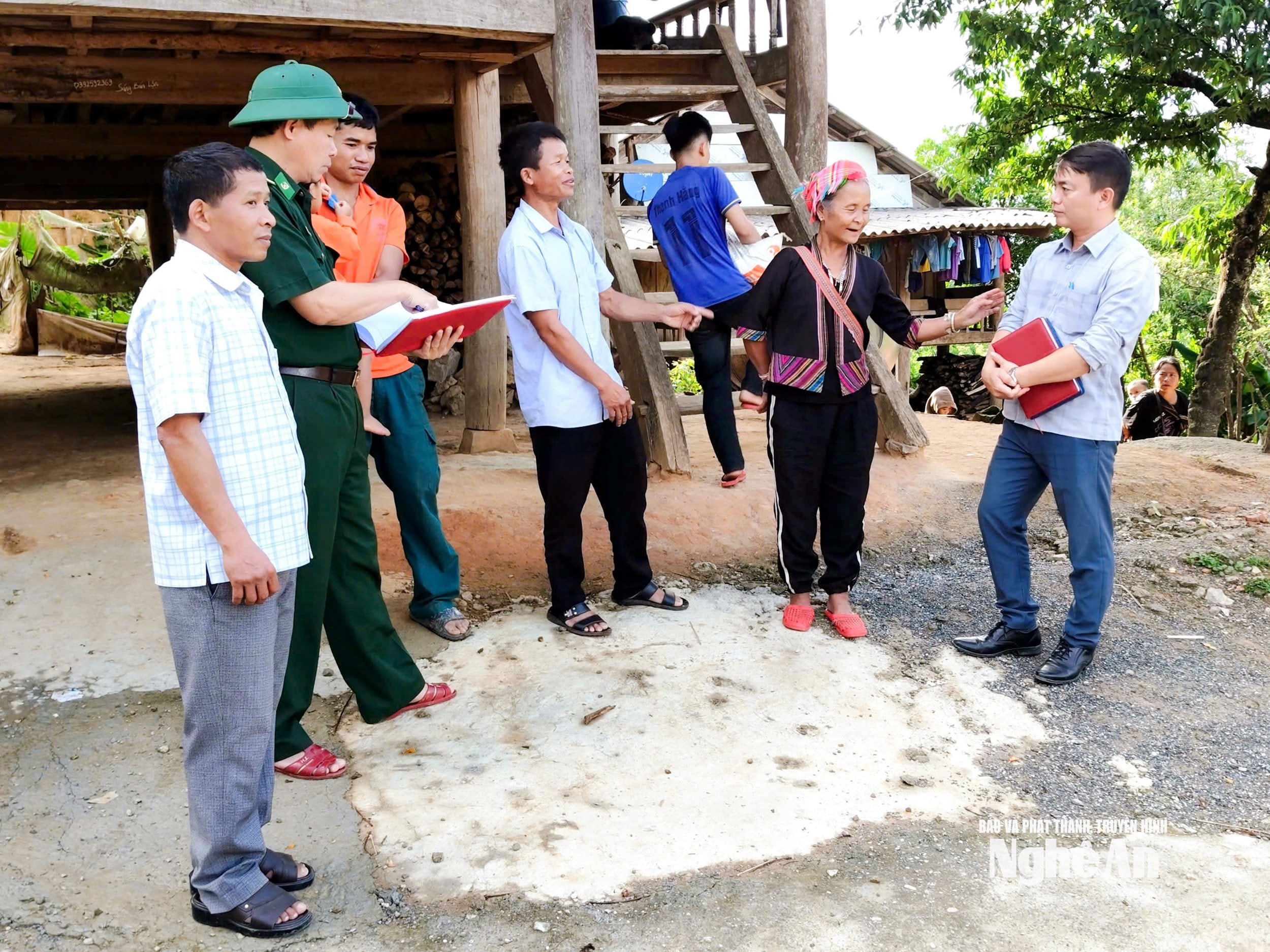
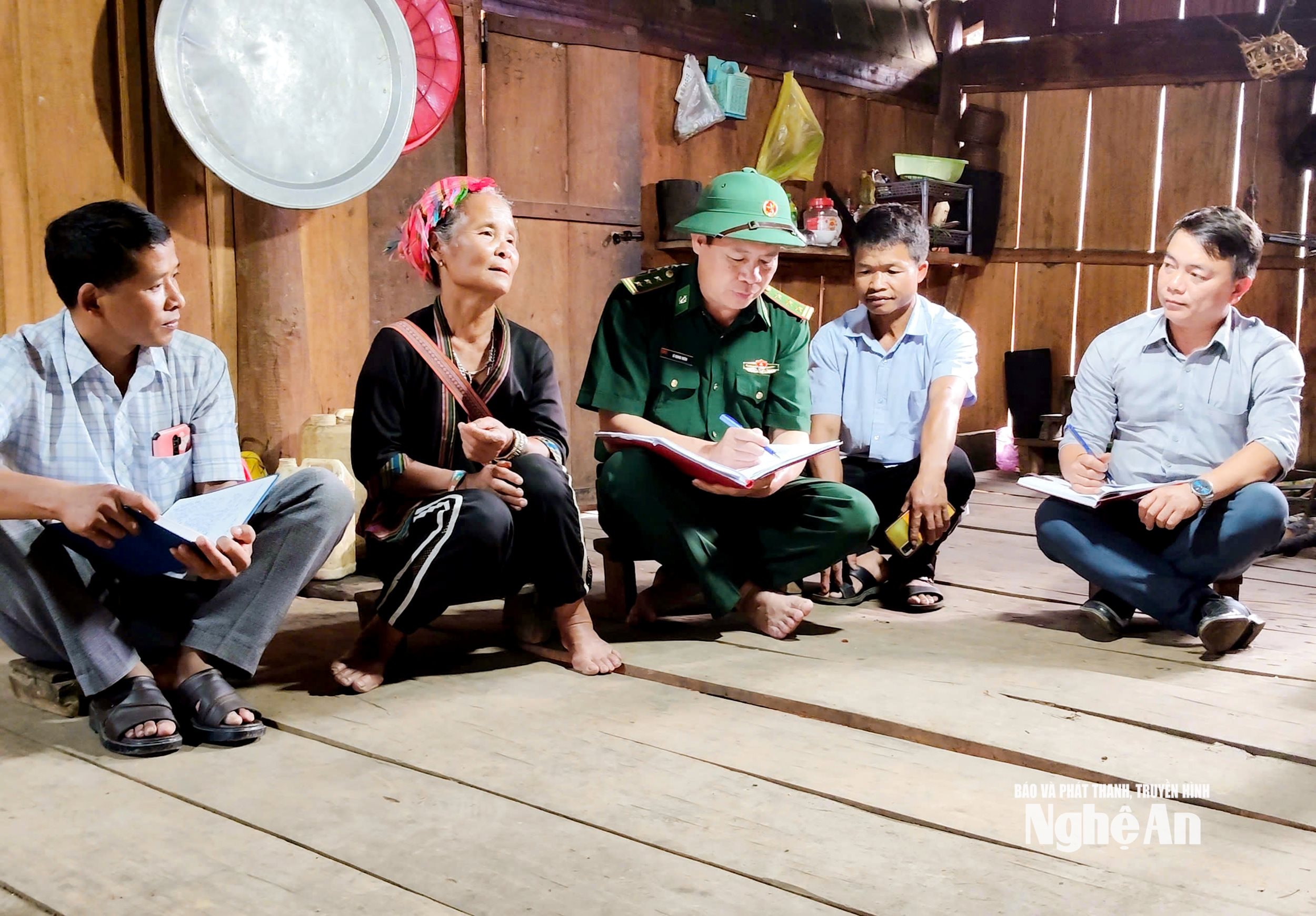
Many years ago, when he was the Secretary of the Youth Union of the former Quynh Long commune, during a social welfare program to Keng Du commune, Comrade Tran Manh directly witnessed the hardships in this remote border region of Nghe An province. The rugged terrain, difficult transportation, challenging living conditions, and the arduous lives of the local people left him with profound thoughts about the responsibility of cadres in such difficult areas. These images did not remain just a charitable trip but became a significant milestone, fueling his determination. When the Provincial Party Committee decided to assign cadres to grassroots levels, he proactively wrote an application to work in Keng Du commune.

The decision was made when Comrade Tran Manh already had a family and young children; the journey from his hometown to his assignment took 10-12 hours. Behind the volunteer application were personal burdens, but faced with the organization's requirements and a desire to contribute, the young cadre chose to take the plunge. In his application to the Provincial Party Committee's Organization Department and the Standing Committee of the Quynh Phu Commune Party Committee, he expressed his wish to be seconded for 1-2 years to train and mature; after that time, if he met the job requirements and was deemed suitable by the organization, he was ready to continue his long-term commitment.
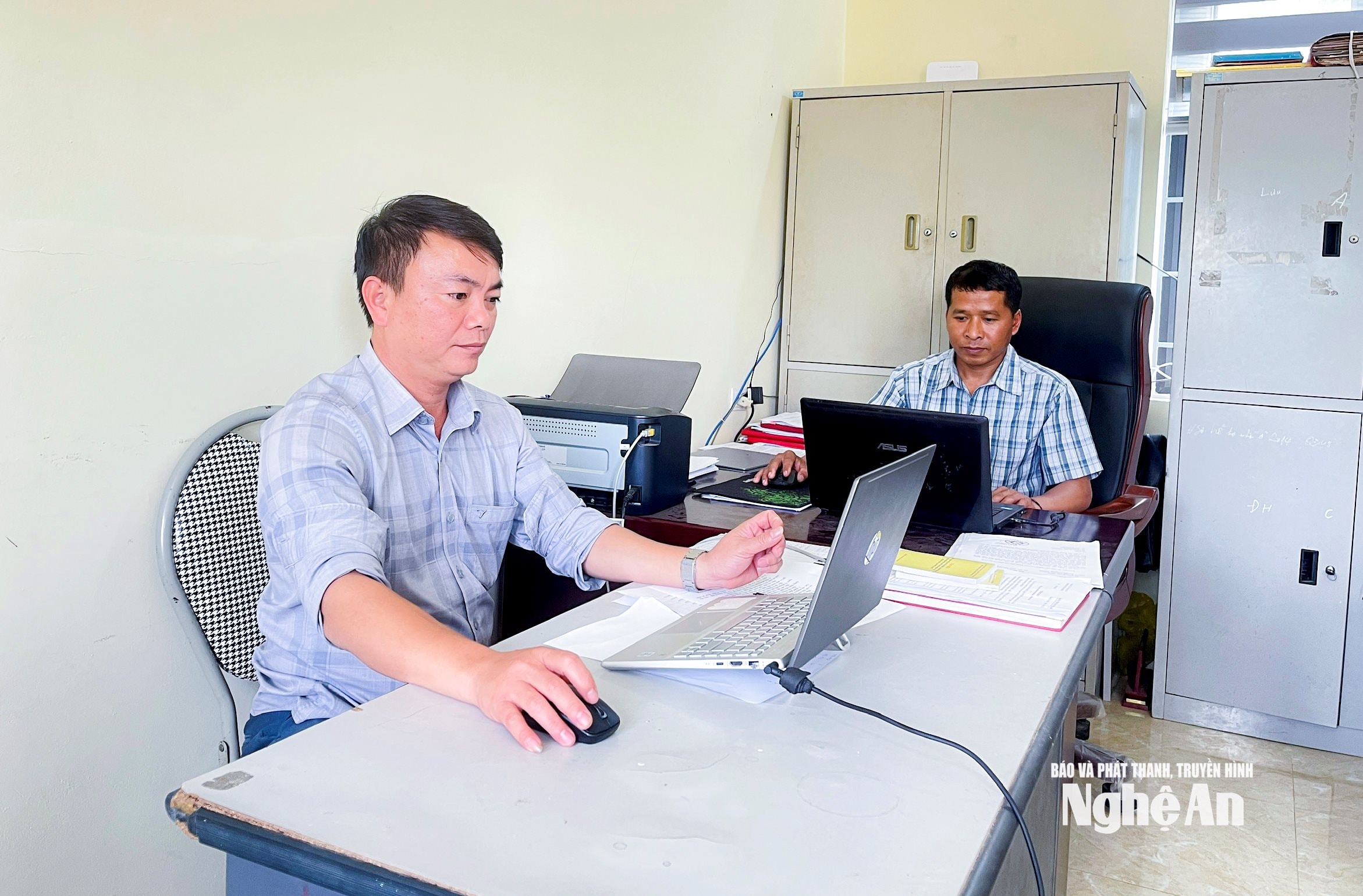
This proactive spirit clearly demonstrates the political acumen and determination of a young official to take on challenging tasks during a period when the new system needs pioneers at the grassroots level. "Wherever I do well, that place is also my homeland," the simple words of Comrade Tran Manh on his journey to Keng Du commune reflect the dedication of a Party member who prioritizes the common good over personal circumstances.
Comrade Tran Manh's story vividly reflects Nghe An's policy of transferring and seconding cadres after the reorganization of administrative units and the operation of a two-tiered local government. Recent practice shows that many surplus cadres from the provincial, departmental, and local levels have been transferred to grassroots levels as required by the organization.
On April 14, 2026, the Party Committee of Thanh Vinh Ward, in coordination with the Party Committee of Tam Thai Commune, organized the handover and reception of seconded cadres according to the Decision of the Provincial Party Committee's Organization Department. According to this decision, Comrade Dang Quoc Lanh, a specialist from the Party Committee's Inspection Committee of Thanh Vinh Ward, was transferred to work at the Party Committee of Tam Thai Commune. Similarly, Comrade Trinh Xuan Sach, former Inspector of the Area 2 Department, Nghe An Provincial Inspectorate, was transferred to the People's Committee of Mon Son Commune as a specialist in the Economic Department, in charge of construction, transportation, and public assets.
Regardless of whether they come from provincial-level or more favorable locations, when assigned to grassroots levels, especially in remote and disadvantaged areas, cadres must adapt significantly to the working conditions, practical environment, and task pressures. However, what stands out is their spirit of volunteering, complying with organizational assignments, and readily using their expertise and experience to directly serve the grassroots. These choices clearly demonstrate the political acumen, sense of responsibility, and organizational awareness of the cadre in the current period; when the organization needs them, when the grassroots demands them, they are ready to go to more difficult places and take on more challenging tasks.
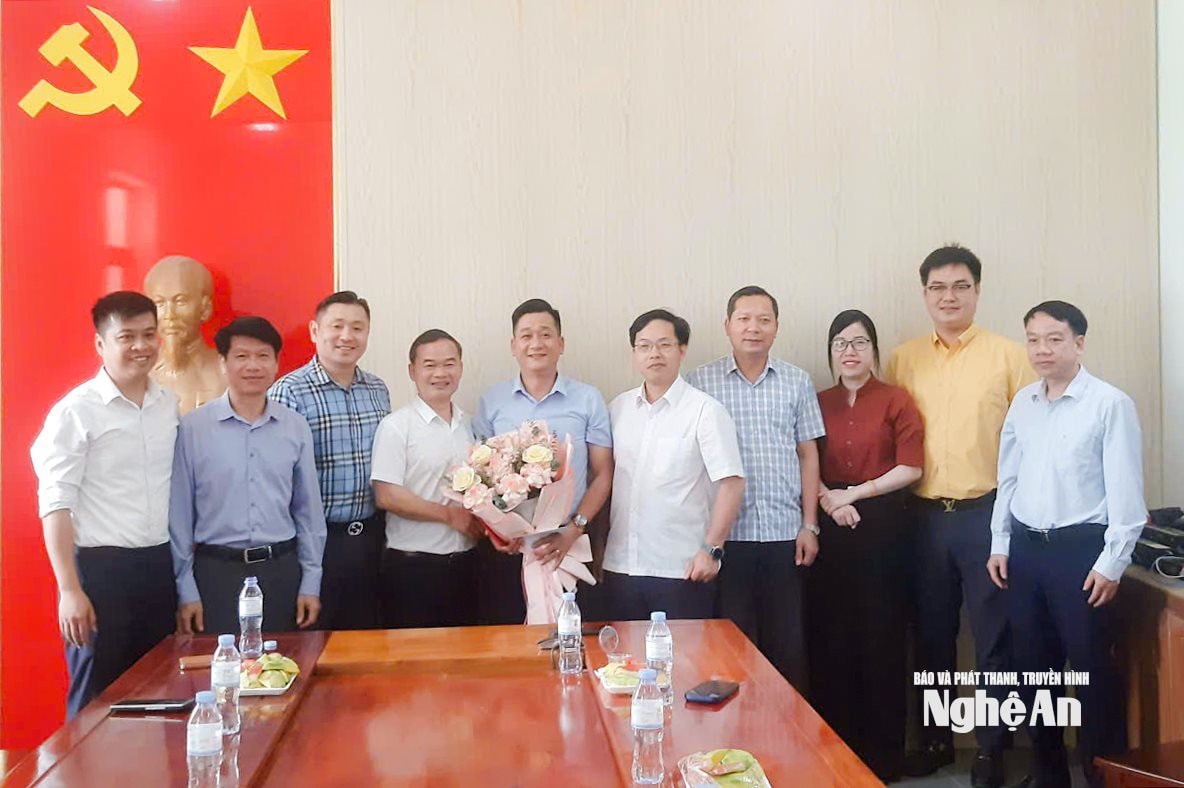
From July 1, 2025 to the present, the Department of Internal Affairs has advised on the recruitment, transfer, and secondment of 90 people from departments, agencies, and communes/wards with surplus civil servants to localities with shortages; including 39 civil servants recruited into public service, 5 civil servants transferred, 4 provincial-level civil servants seconded to grassroots levels, and 46 civil servants from communes/wards with surplus personnel transferred to areas with shortages. Along with this, the province continues to require localities to review staffing levels and develop plans for recruitment, transfer, and supplementary recruitment to complete the human resource structure at the commune level, striving to complete this by July 2026..
.png)
Alongside the process of streamlining the organizational structure and strengthening human resources at the commune level, Nghe An has been implementing a series of synchronized solutions to consolidate operational capacity effectively, with a consistent focus on providing professional support, training officials, promoting administrative reform, digital transformation, and improving public service policies for grassroots officials.
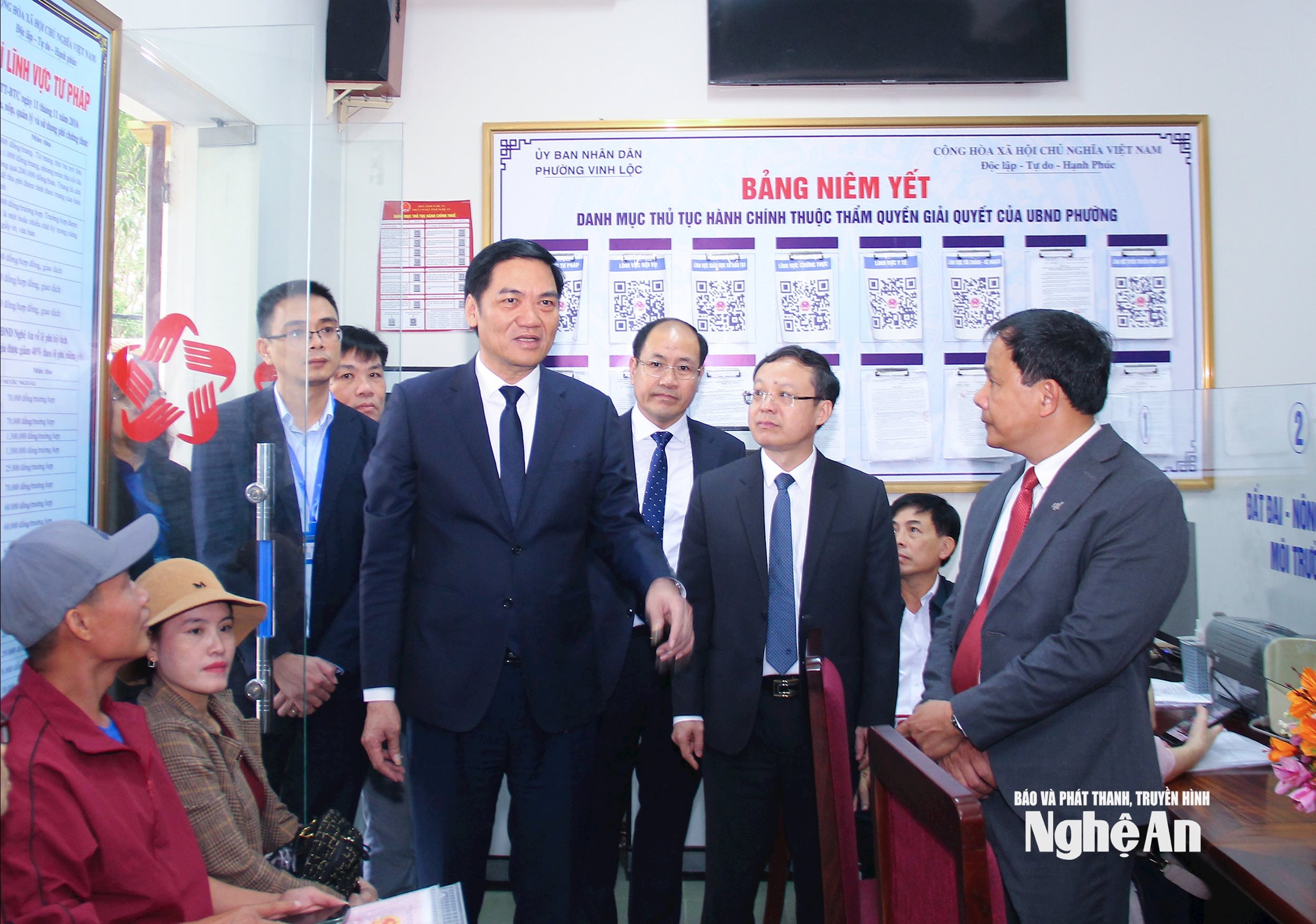
One of the notable developments in Nghe An is the significant shift in the method of supporting grassroots units, moving from administrative directives to close professional collaboration and on-site support. Instead of merely issuing guidance documents, provincial departments and agencies organize numerous in-depth training sessions; at the same time, they directly send working groups to the grassroots level following the principle of "hands-on guidance," helping to resolve difficulties arising during the implementation of tasks.
Each sector has provincial-level officials who regularly monitor and support it; professional exchange groups on digital platforms are established for each specialized field such as land, finance, internal affairs, construction, agriculture, etc., helping to resolve issues almost in real time.
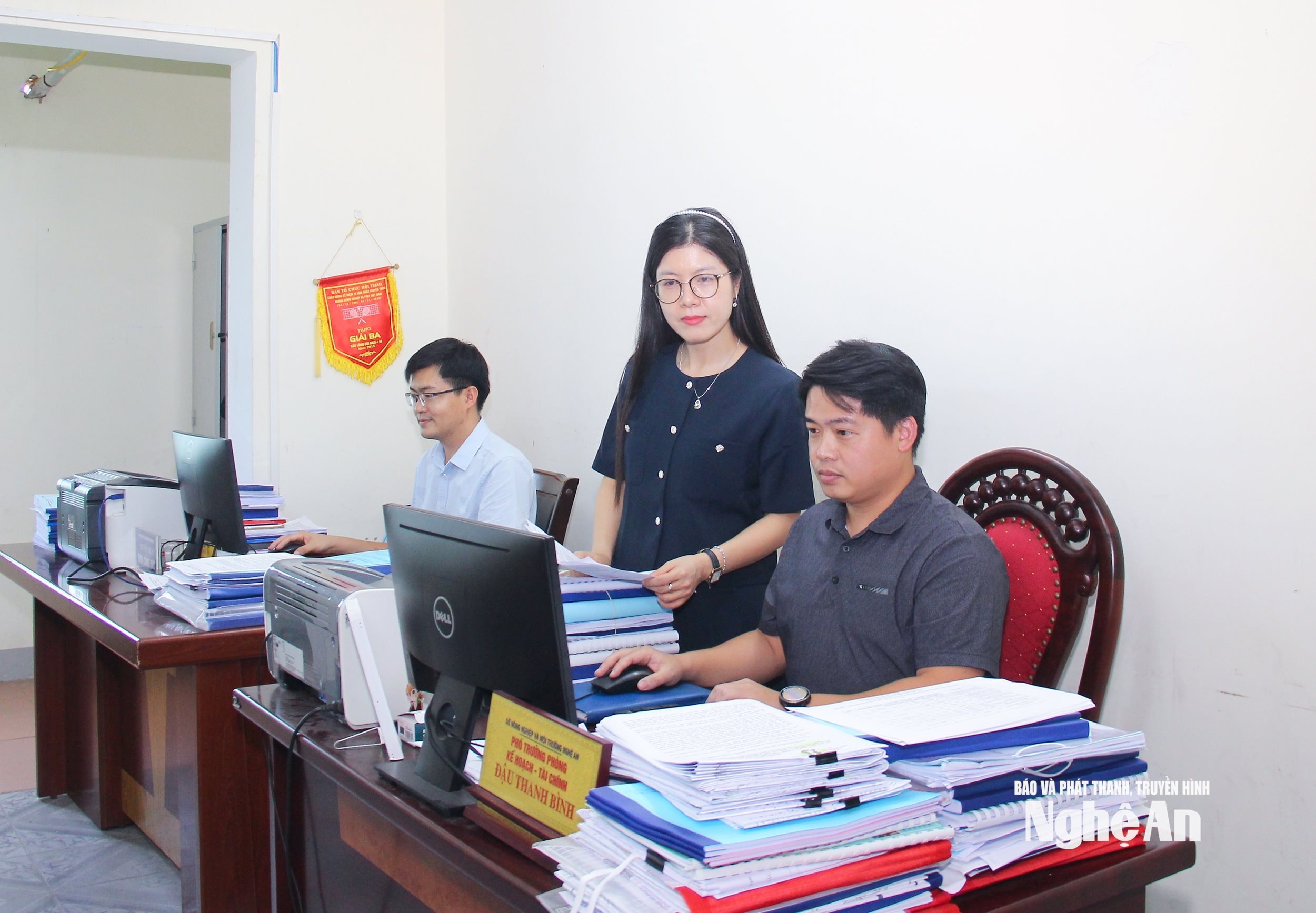
In the agriculture and environment sector alone, the specialized department has established 20 working groups to directly monitor the situation, provide guidance, and resolve difficulties for the commune level. The Provincial Land Registration Office has also sent additional staff to the localities to support the reception and processing of land-related documents. Ms. Nguyen Thi Nhan, Head of the Economic Department of Hung Nguyen Nam Commune People's Committee, said: Areas that were previously prone to bottlenecks, such as land, investment, construction, agriculture, and finance, are now being discussed and agreed upon in a timely manner, limiting prolonged backlogs.
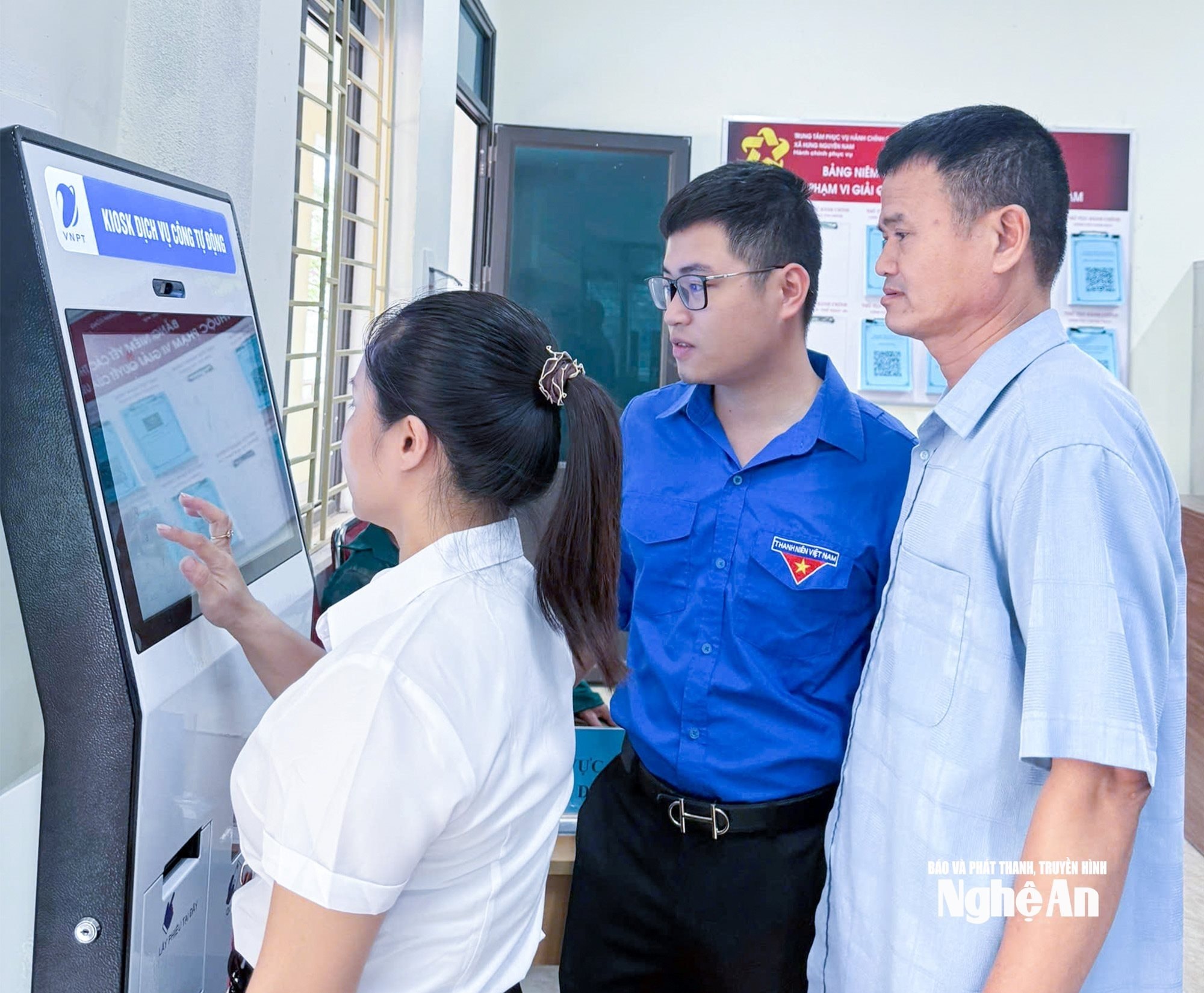
The Justice sector is also a prime example of a partner in supporting grassroots organizations. Immediately after implementing the new model, the Department proactively issued a system of guiding documents for transferring tasks, files, and records in the areas of civil registration, notarization, adoption, and mediation at the grassroots level; simultaneously, it advised the Provincial People's Council and People's Committee to issue appropriate resolutions and decisions on decentralization and delegation of authority. The Department also established digital-based operational support teams, assigned staff to specific areas, and organized numerous working groups to directly visit grassroots levels.
According to Ms. Hoang Thi Thu Trang, Director of the Department of Justice: From July 2025 to the present, the Justice sector has organized dozens of online and in-person conferences and in-depth training courses for thousands of grassroots justice officials, contributing to improving their capacity to perform their duties in the new conditions.
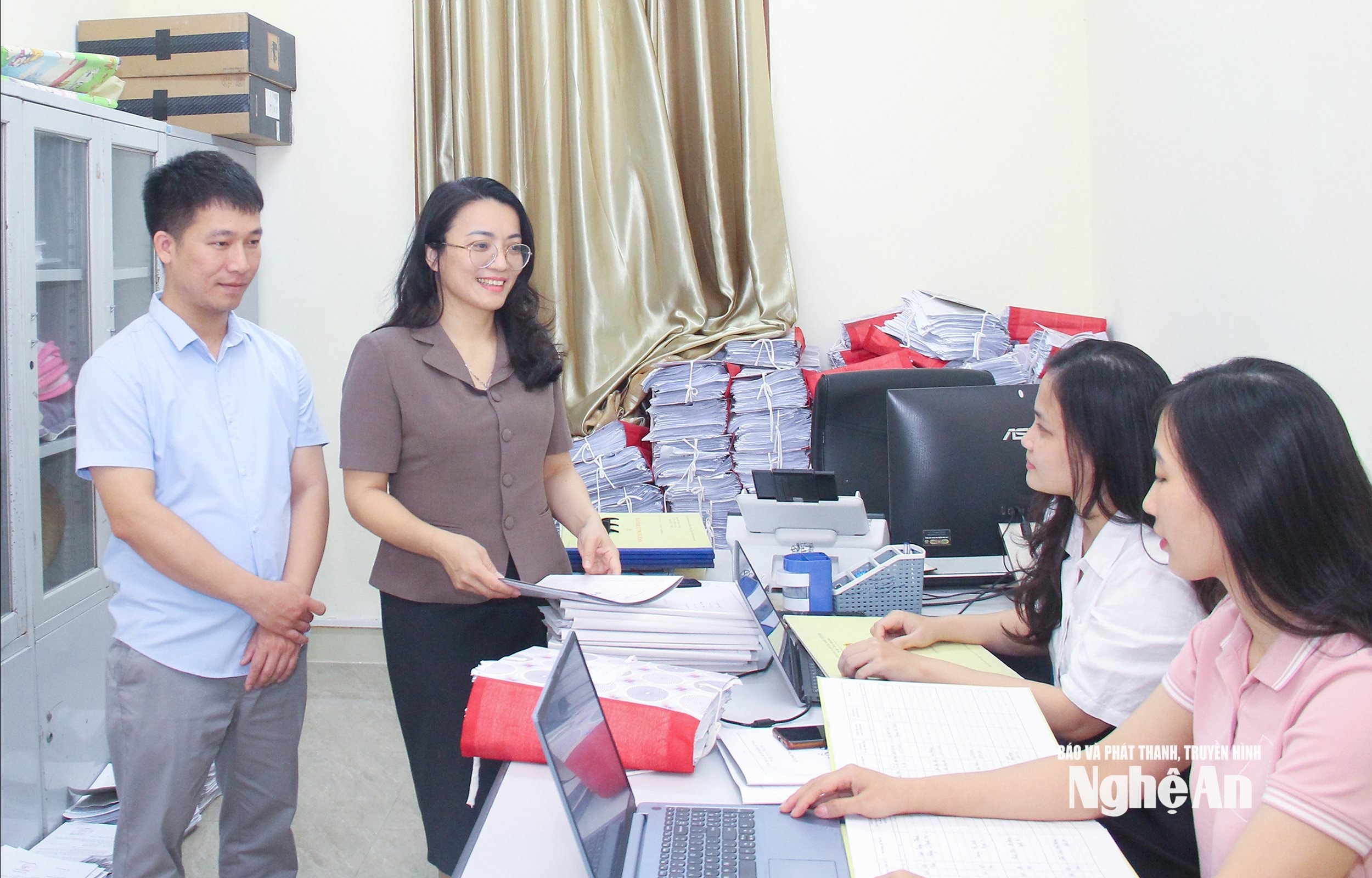
Along with professional support, Nghe An province has identified administrative reform and digital transformation as pillars to ensure that the two-tiered local government operates in a modern, transparent, and efficient manner. To date, 100% of administrative procedures under the authority of the provincial and commune levels have been fully developed with internal and electronic processes.
The rate of online applications reached very high levels, with over 91% at the provincial level and over 99% at the commune level. The electronic document management system is interconnected from the Government Office to all 130 communes and wards; more than 12,000 digital certificates have been issued to officials and civil servants.
Dedicated data transmission networks, online conferencing systems, and electronic reporting systems are being deployed synchronously from the provincial level to the grassroots, gradually forming a real-time digital governance platform. The unified "One-Stop Shop" operation on the National Public Service Portal, along with the national data integration and sharing system, is gradually transforming traditional governance methods into data-driven governance, reducing intermediaries, shortening processes, and improving the quality of service for citizens and businesses.
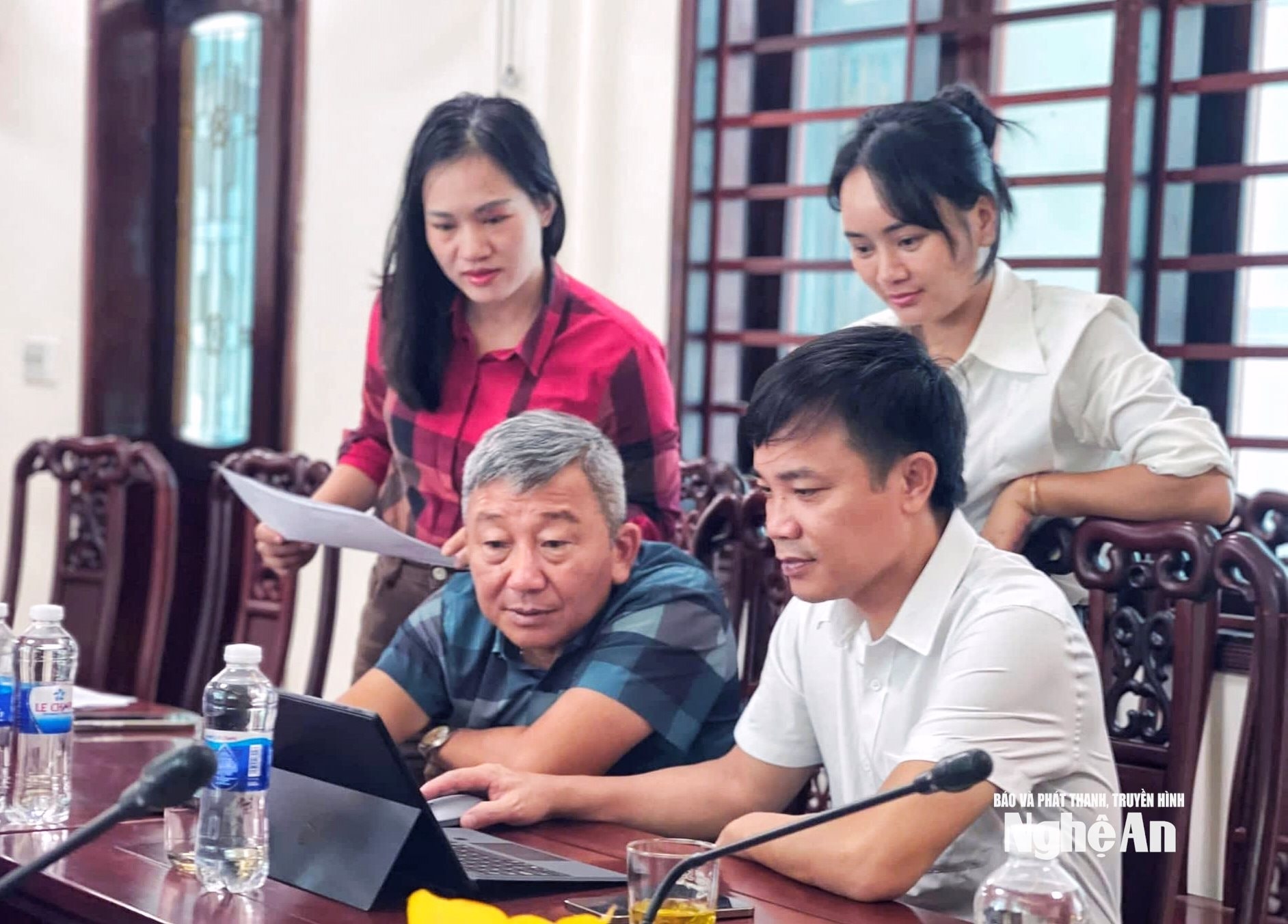
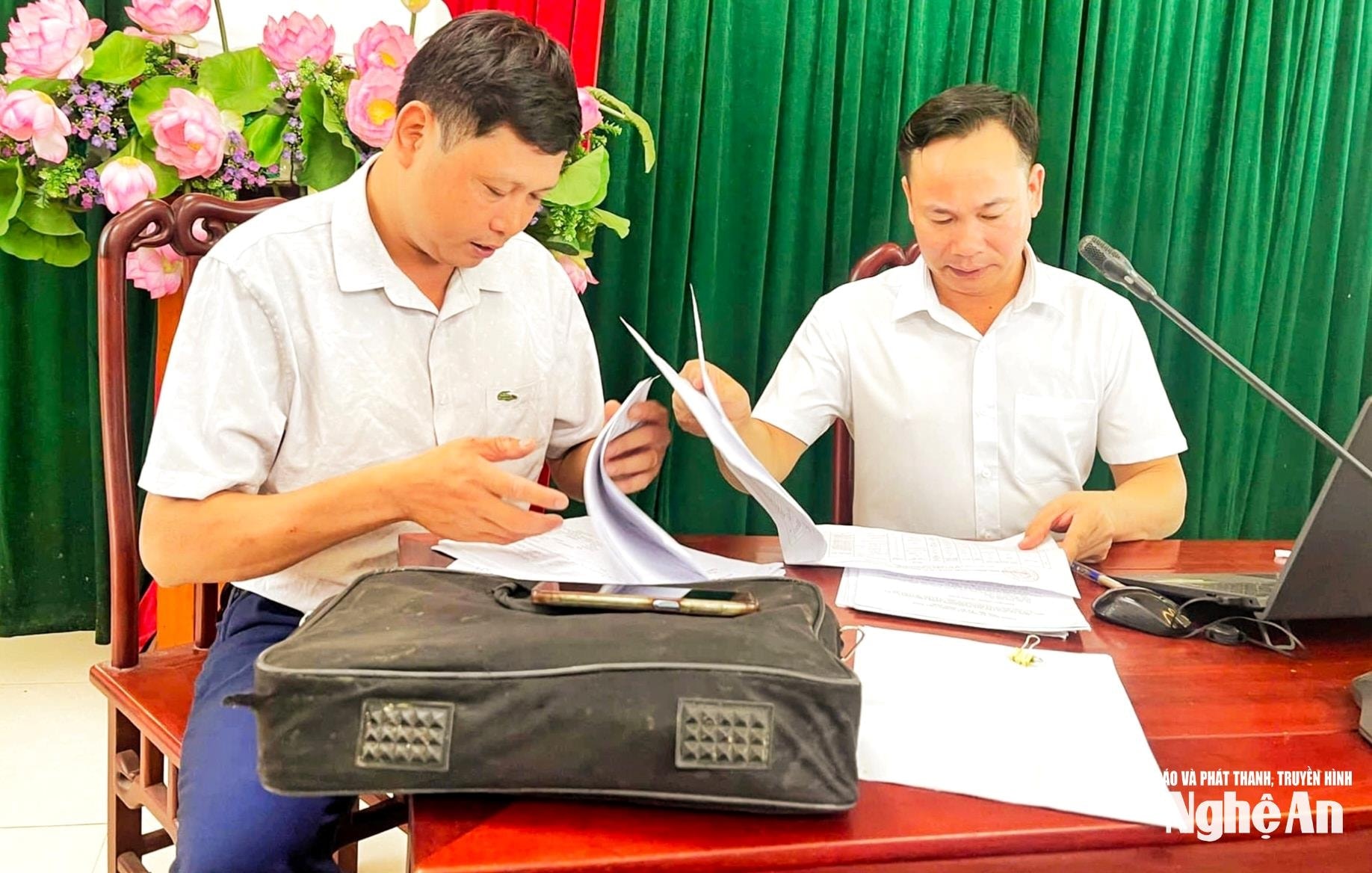
Alongside enhancing professional capacity, Nghe An province pays special attention to perfecting mechanisms and policies to support cadres who are seconded, transferred, or assigned to grassroots levels, especially in mountainous and remote areas. On December 12, 2025, the Provincial People's Council issued Resolution No. 43/2025/NQ-HĐND stipulating support policies for cadres, civil servants, and public employees who are seconded, transferred, or assigned to work in commune-level administrative units in mountainous areas of Nghe An province. Accordingly, each cadre, civil servant, or public employee who registers to strengthen grassroots levels will receive support ranging from 1.5 to 1.75 times the basic salary coefficient per month, depending on the specific location.
Comrade Truong Thiet Hung - Secretary of the Party Committee and Chairman of the People's Council of Minh Hop commune - highly appreciated the practicality of the policy, and at the same time, suggested that it should be implemented quickly and synchronously to ensure the legitimate rights of seconded cadres.
Besides focusing on building a strong team of officials, Nghe An continues to prioritize investing in physical infrastructure to ensure the stable and long-term operation of the two-tiered local government apparatus. Decision No. 1477/QD-UBND, approving the Project for the construction, repair, renovation, and upgrading of working offices and official residences at the commune level for the period 2026-2027 with a total investment of approximately 577 billion VND, demonstrates the province's determination to fundamentally address the issue of public service infrastructure after restructuring. In many localities, especially in mountainous areas, existing offices are dilapidated, lacking space and functionality, and no longer meet the requirements of the new administrative apparatus.
Therefore, investment in construction and upgrading is being urgently implemented. Comrade Lo Minh Diep - Deputy Secretary of the Party Committee and Chairman of the People's Committee of Tri Le commune, said: The commune headquarters has been included in the province's plan for new construction. The locality has proactively selected a location, prepared the site, and adjusted the 1/500 planning to be ready to implement immediately upon receiving the investment policy decision and allocation of funds, striving to complete it on schedule in the second quarter of 2027.
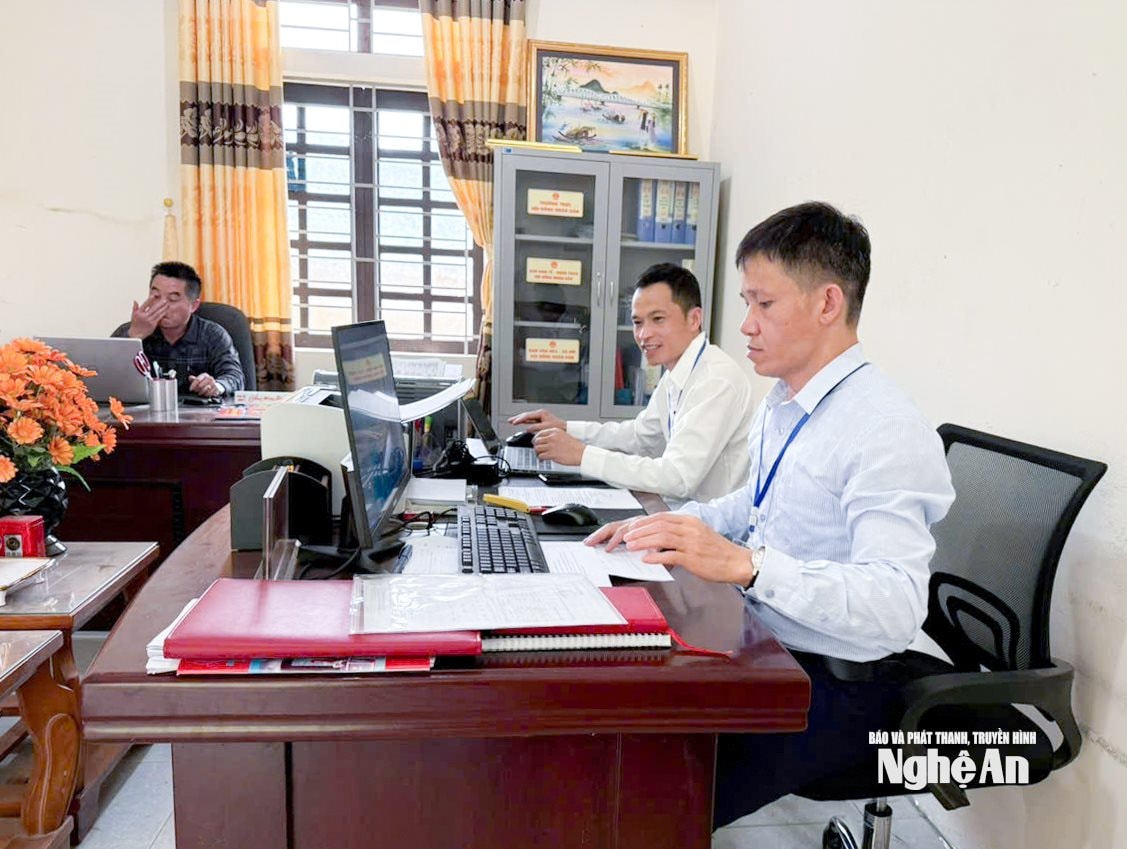
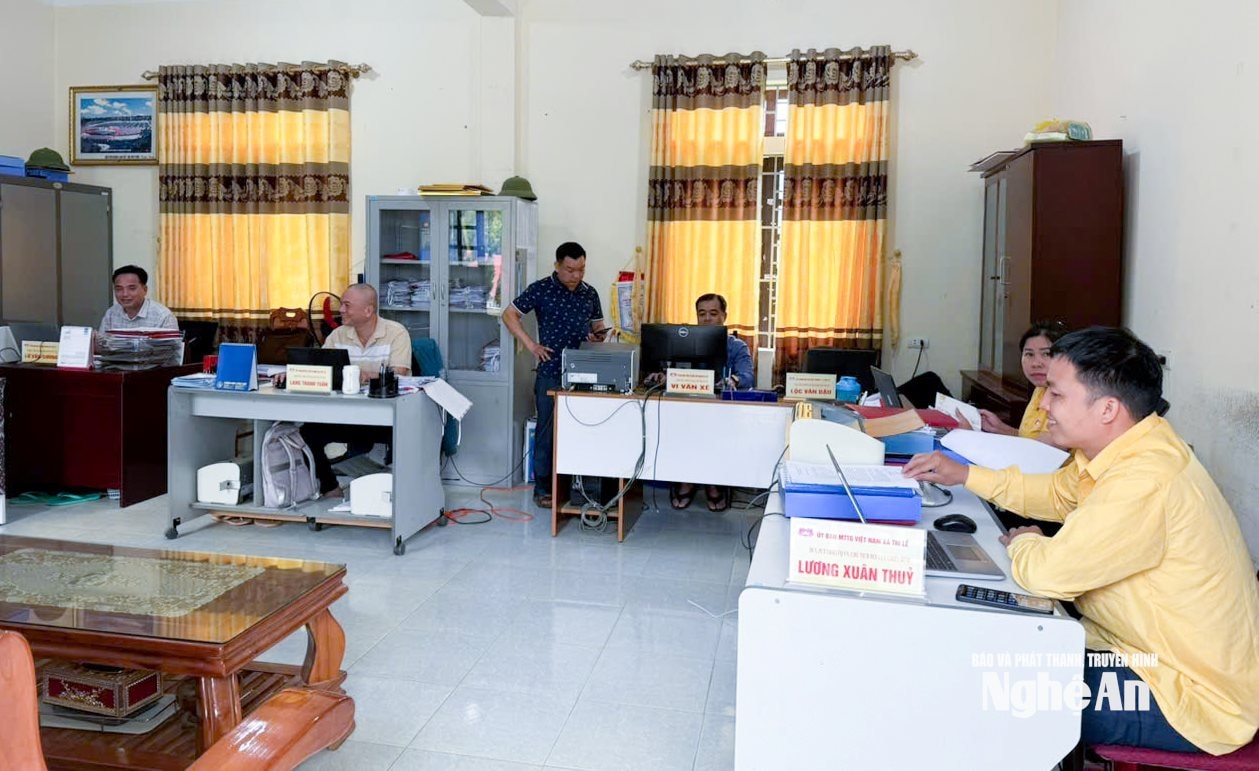
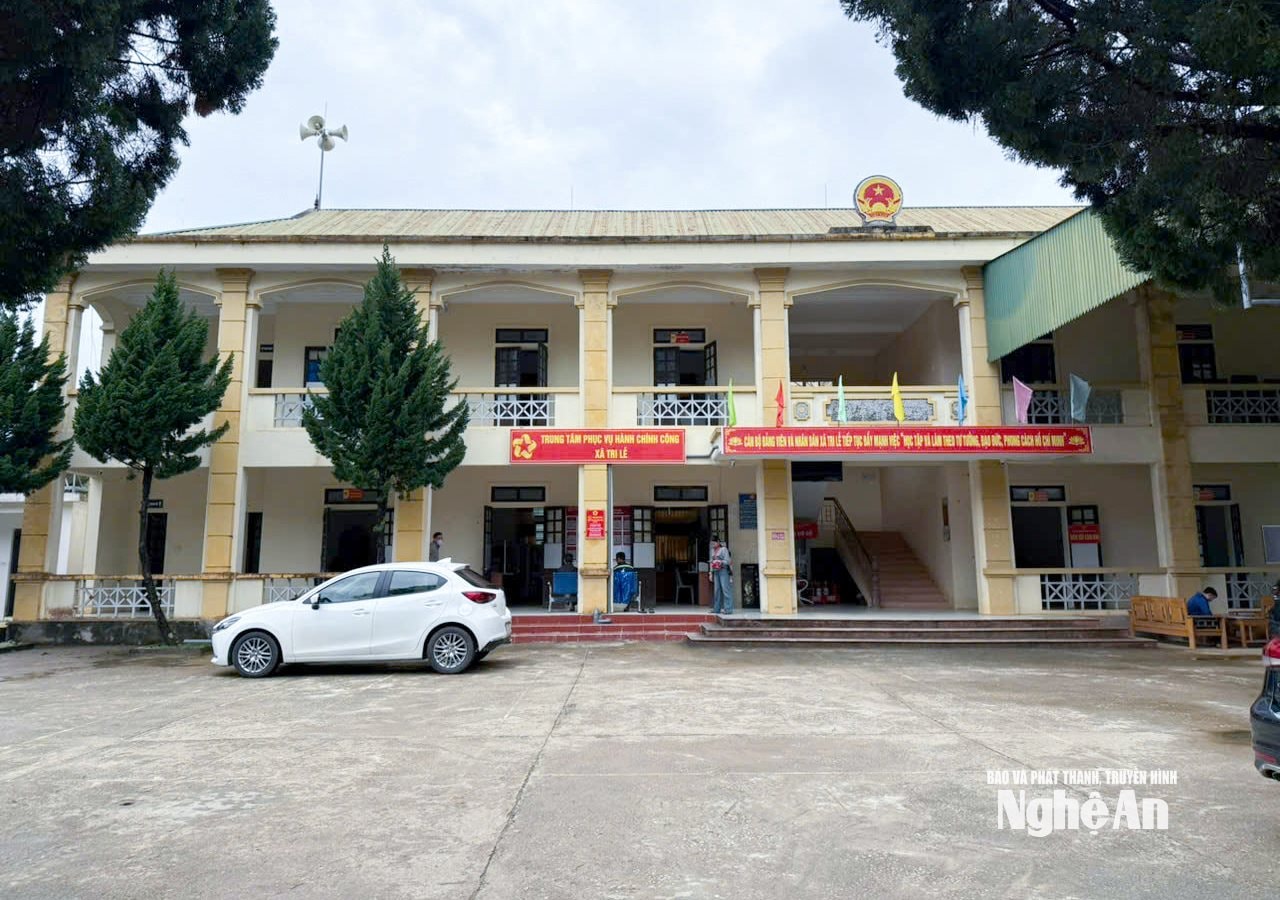
By implementing a comprehensive set of solutions including professional expertise, personnel management, administrative reform, digital transformation, support policies, and infrastructure investment, Nghe An is gradually overcoming difficulties and building a solid operational foundation for its two-tiered local government system. Practical experience shows that the effectiveness of administrative reform does not lie solely in organizational restructuring or streamlining, but primarily depends on the actual operational capacity of the grassroots level. Only when the system has sufficient human resources, operating conditions, support mechanisms, and the necessary technical infrastructure can its governance effectiveness be sustainably enhanced.
HaOver the years, the Department of Internal Affairs, in coordination with the Provincial Party Committee's Organization Department, has advised on the development of a plan for training and fostering cadres, civil servants, and public employees throughout the province in a systematic, focused, and practical manner. By December 31, 2025, the entire province had completed 87 training courses for 19,576 cadres, civil servants, and public employees; of which, 82 courses were for the commune level, focusing on skills, knowledge, expertise, and professional practices. In 2026, the Provincial Party Committee continues to assign a plan to open 111 courses for 43,365 people, with the commune level accounting for 107 courses with more than 42,600 cadres and civil servants.c.
--------o0o--------
(To be continued)


