
The amazing benefits of eating salmon the right way.
Eating salmon correctly offers many health benefits. However, choosing the wrong type of salmon or eating it improperly can inadvertently lead to health problems.
The nutritional value of salmon is well-known, however, compared to other foods, salmon is relatively expensive and not widely available, so many mothers are still hesitant when preparing dishes with it.
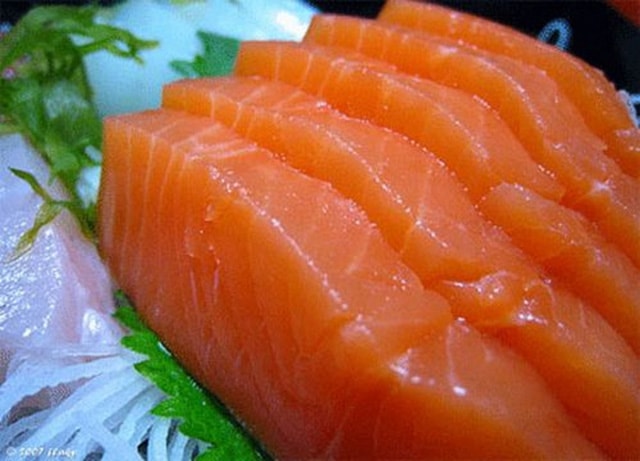 |
Here are some things to avoid when eating salmon:
The fish are infected with bacteria.
Salmon is often consumed raw, so choosing a clean food source is extremely important. With the current state of aquaculture pollution, salmon can be contaminated with bacteria, leading to digestive problems, stomach pain, and diarrhea. Furthermore, salmon may be contaminated with toxic metals such as lead, mercury, and domoic acid, which are among the factors contributing to cancer.
Therefore, when buying salmon, it's important to choose a reliable source. Additionally, observe the fish's external characteristics: the eyes should be clear, the pupils bright black, the gills should not be dark, and the flesh should be firm and elastic. Check the inside of the salmon to ensure there are no bloodstains or dark areas.
Not properly prepared.
Proper preparation of salmon is very important. Note that deboning should be done carefully; any small bones embedded in the fish meat can be removed with tweezers, especially if preparing it for children.
Additionally, to reduce the fishy smell and remove dirt from the fish, rinse it with salt water or rub coarse salt on it, then soak the cleaned fish in cold water mixed with a little vinegar, or mix in some pepper or bay leaves.
Improper storage
Fish should be refrigerated for preservation and used within 24 hours. Avoid using fish that has discolored or become watery. For frozen fish, thaw it slowly in the refrigerator before use. Immediately thawing it at room temperature or in a microwave will cause the fish to fall apart.
For longer preservation, we should freeze the fish. Frozen salmon can be stored for up to 3 months. However, if the freezing process is interrupted, the entire preservation process becomes invalid, and we must use all the fish meat after the first thawing.
Proper salmon preparation
Salmon head
The head of a salmon is the most nutritious part of the fish. Salmon heads are most commonly used to make sour soup with star fruit or carambola, or in hot pot dishes. In particular, the salmon brain is considered the tastiest part of the fish.
Salmon meat
The middle section of the salmon is where the fat is stored, and it's highly favored by diners for its many uses: eaten raw, fried, pan-fried, in hot pot, grilled, in tomato sauce, or used in sushi.
The firm flesh of the salmon tail is ideal for making porridge, baby food, and fish floss. Many people also use the tail to make sour soup or tomato sauce. The meat near the tail can also be used in sashimi or sushi, giving it a beautiful deep red color and a firmer texture when eaten raw.
Salmon bones
Salmon bones can be used whole for braising, frying, tomato sauce dishes, or sour soups. Cooks can also separate the flesh to make porridge or baby food. Utilizing salmon bones is the most economical way to enjoy this expensive fish.
According to Gia Dinh.net
| RELATED NEWS |
|---|


