
The benefits and drawbacks of eating taro stems.
Elephant ear plant (Colocasia esculenta) is rich in fiber and contains many essential minerals for the body, but eating too much or preparing it incorrectly can cause unforeseen harm.
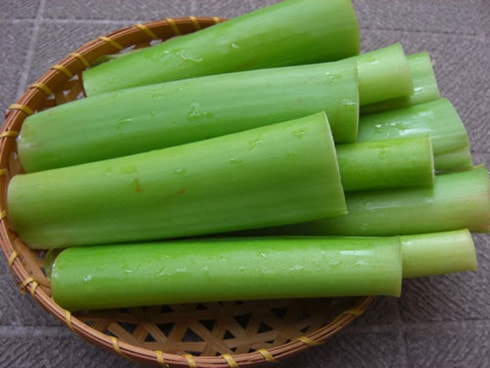
Taro stems, also known as fragrant taro, have the scientific names Alocasia indica and Alocasia odora. Taro stems are present in many Vietnamese dishes such as sour soups and noodle dishes.
According to Traditional Chinese Medicine, taro stems have a mild taste, a cooling nature, and are slightly toxic, and are often used to clear heat and quench thirst. In addition, approximately 100g of taro stems contain 95g of water, 0.25g of protein, and 3.8g of carbohydrates.
Taro stems also contain large amounts of phosphorus, potassium, calcium, magnesium, iron... and several other substances beneficial to health. In particular, taro stems are rich in fiber, which helps absorb fats and cholesterol, hindering their absorption in the intestines.
 |
Harmful effects of taro
Although taro stems are beneficial to health, consuming them in large quantities can pose health risks, especially when eaten in sour soup.
Some studies show that people who eat sour soup without taro stems have only about a 15% increase in blood uric acid levels, while those who regularly eat sour soup with taro stems have much higher levels of uric acid in their blood.
In 7 out of 10 cases, gout patients often experience painful attacks accompanied by symptoms such as swelling, heat, and redness in the joints after meals containing sour soup with taro stems. This group of people also have higher uric acid levels compared to those who do not eat the dish.
Therefore, people who already have gout or are at risk of developing gout should avoid this favorite food if they don't want their condition to worsen.
According to VOV
| RELATED NEWS |
|---|


