
The traditional Vietnamese pipe-shaped cart is trending online, but is conspicuously absent from local markets in Nghe An.
"Lòng xe điếu" – a dish considered a "specialty" – is causing consumer concern after reports of it being counterfeited appeared online. While this dish is quite popular in restaurants, it is conspicuously absent from local markets.
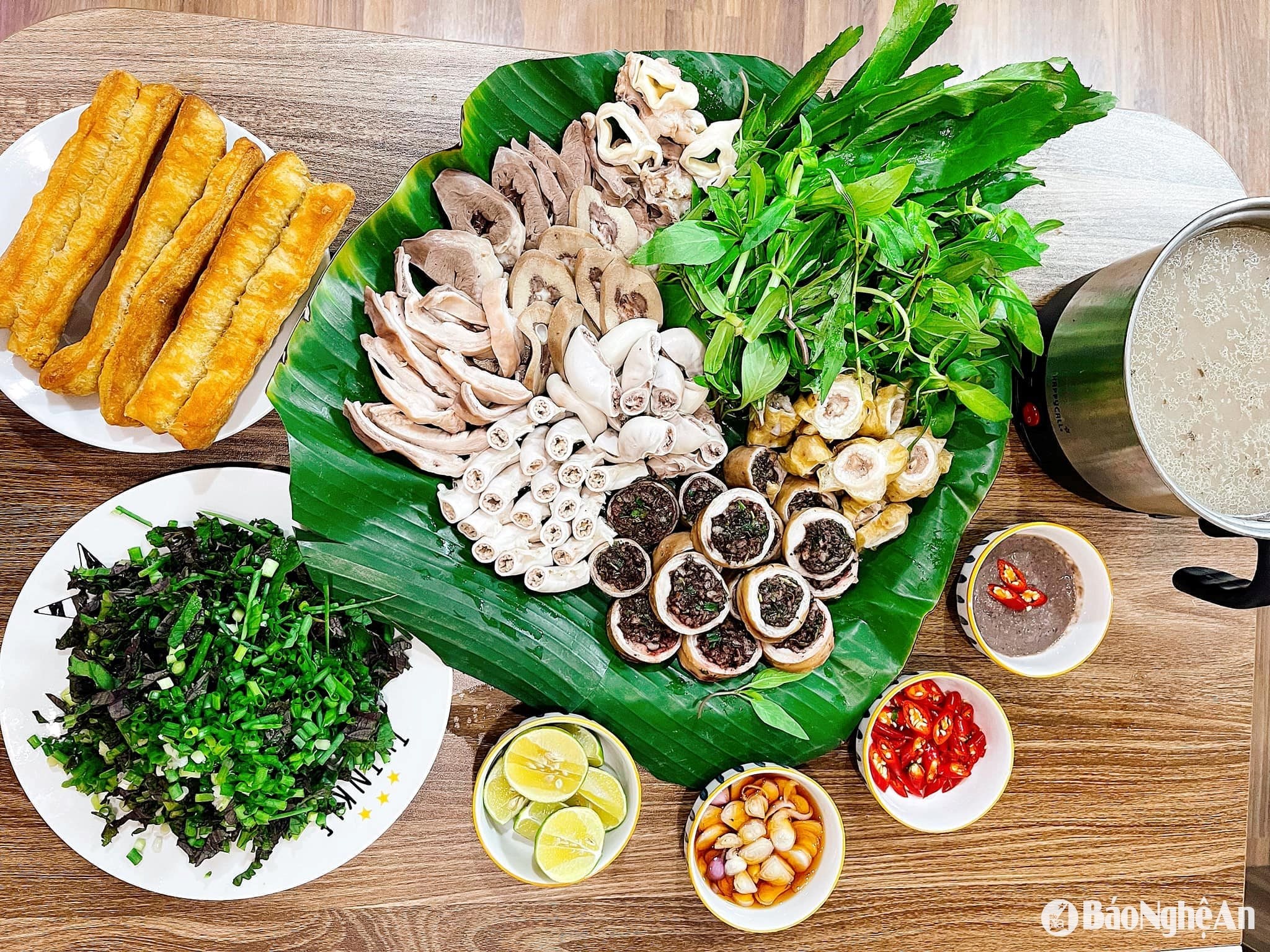
In Nghe An province, pork offal is a familiar dish, associated with rustic yet very popular cuisine. Many famous eateries in Vinh City, such as those in Nghi Phu ward, or Dien Chau district, are frequently crowded with customers because of dishes made from pork offal, including the "long xe dieu" – a part said to be crispy and sweet when eaten.
However, as information about the possibility of counterfeiting "xe dieu" offal spread on social media, many diners began to doubt the origin of this dish. On the morning of May 8th, at several large local markets in Vinh City, such as Coi Market (Hung Loc), Quan Lau Market, and Nghi Phu Market, when asked about "xe dieu" offal, vendors all expressed surprise and asserted that there is no such type of offal.
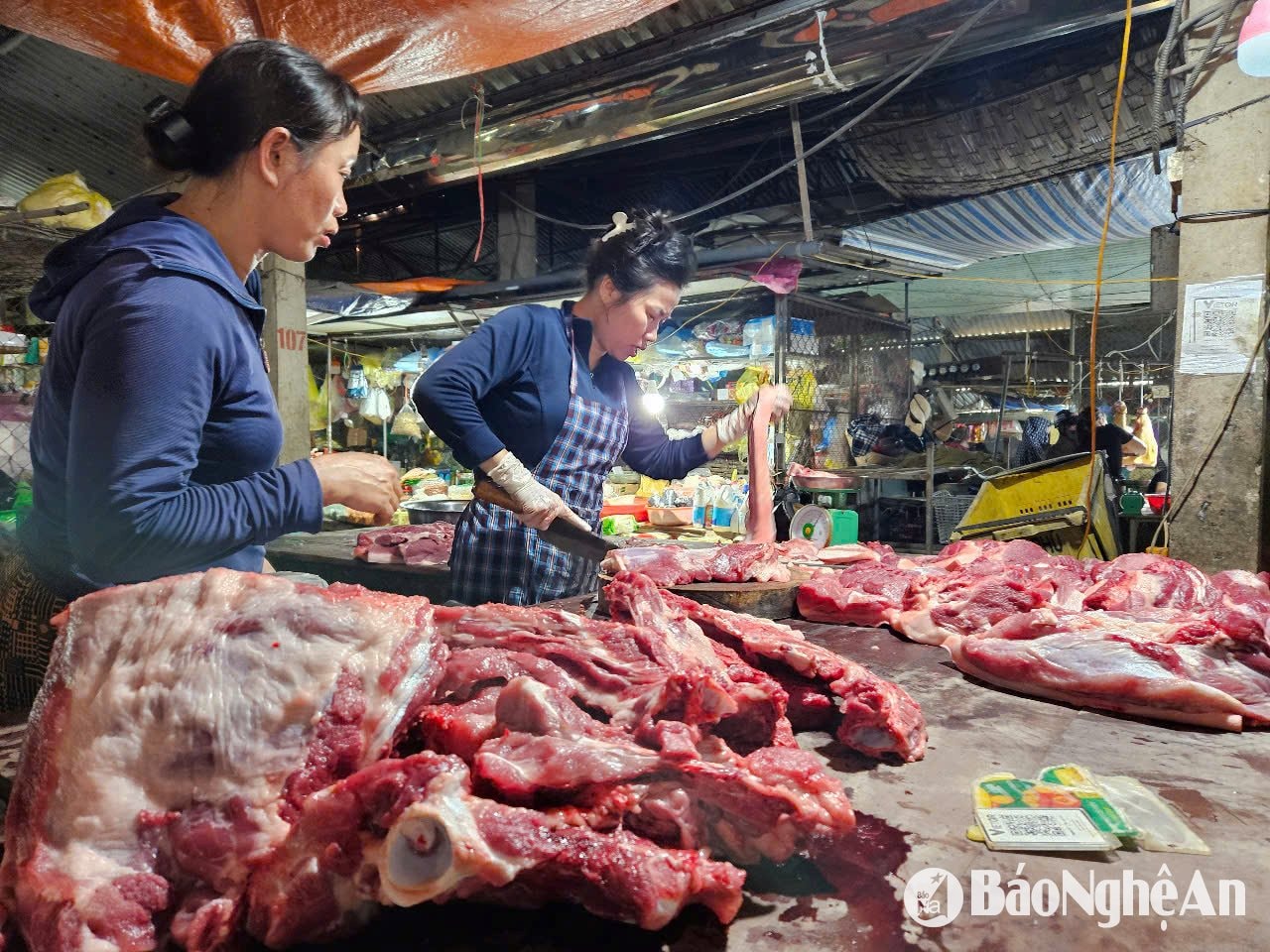
Ms. Hoang Thi Anh, a pork vendor at Coi Market, affirmed: "I've been slaughtering and selling pork for nearly 15 years, but I rarely see 'pipe-shaped intestines'. Each pig slaughtered only yields small intestines, large intestines, stomach, liver, and other organs... I rarely hear people refer to them as 'pipe-shaped intestines'."
Mr. Le Van Quyet, a small trader from Thanh Chuong district selling at Quan Lau market, also said: "The quality of the offal varies from pig to pig. Occasionally, some pigs have thick, crispy, and clean sections of small intestine, which people call 'pipe-shaped intestine'. But honestly, those 'pipe-shaped intestines' are very rare; if we find them, we keep them for our family to eat rather than sell them."
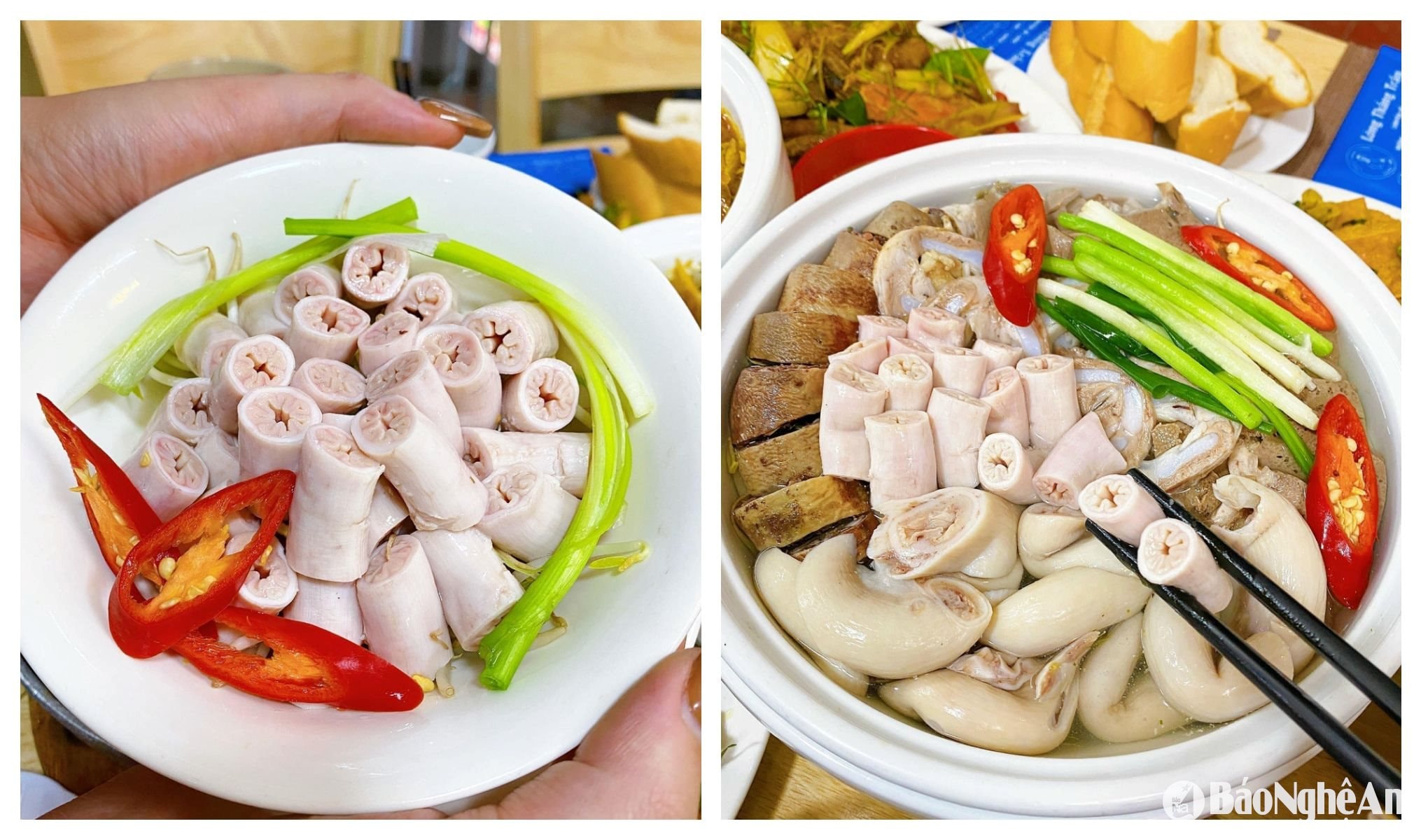
Contrary to the denials from small traders, at restaurants, "xe dieu" (a type of pork intestine) frequently appears on menus and is favored by many for its delicious, crispy, and unique taste. Mr. Le Viet T., the owner of an intestine restaurant in Nghi Phu ward, Vinh City, said: "Discerning diners often order 'xe dieu' because of its delicious, crispy, and sweet taste. The price of 'xe dieu' is quite high, ten times more expensive than regular pork intestines, reaching over 1 million VND/kg. We source our intestines from trusted suppliers; if there is any issue of counterfeit 'xe dieu', we'll have to wait for the official conclusion from the authorities."
In Dien Thinh commune, Dien Chau district, pork offal served with rice noodles is quite popular. Many people from Nghe An province come to enjoy this specialty, and you can occasionally find pork offal served in a pipe-shaped container. However, most consumers trust that the offal sold in Dien Chau district is of guaranteed quality because it tastes delicious, fragrant, and appealing, and these eateries have been around for decades.
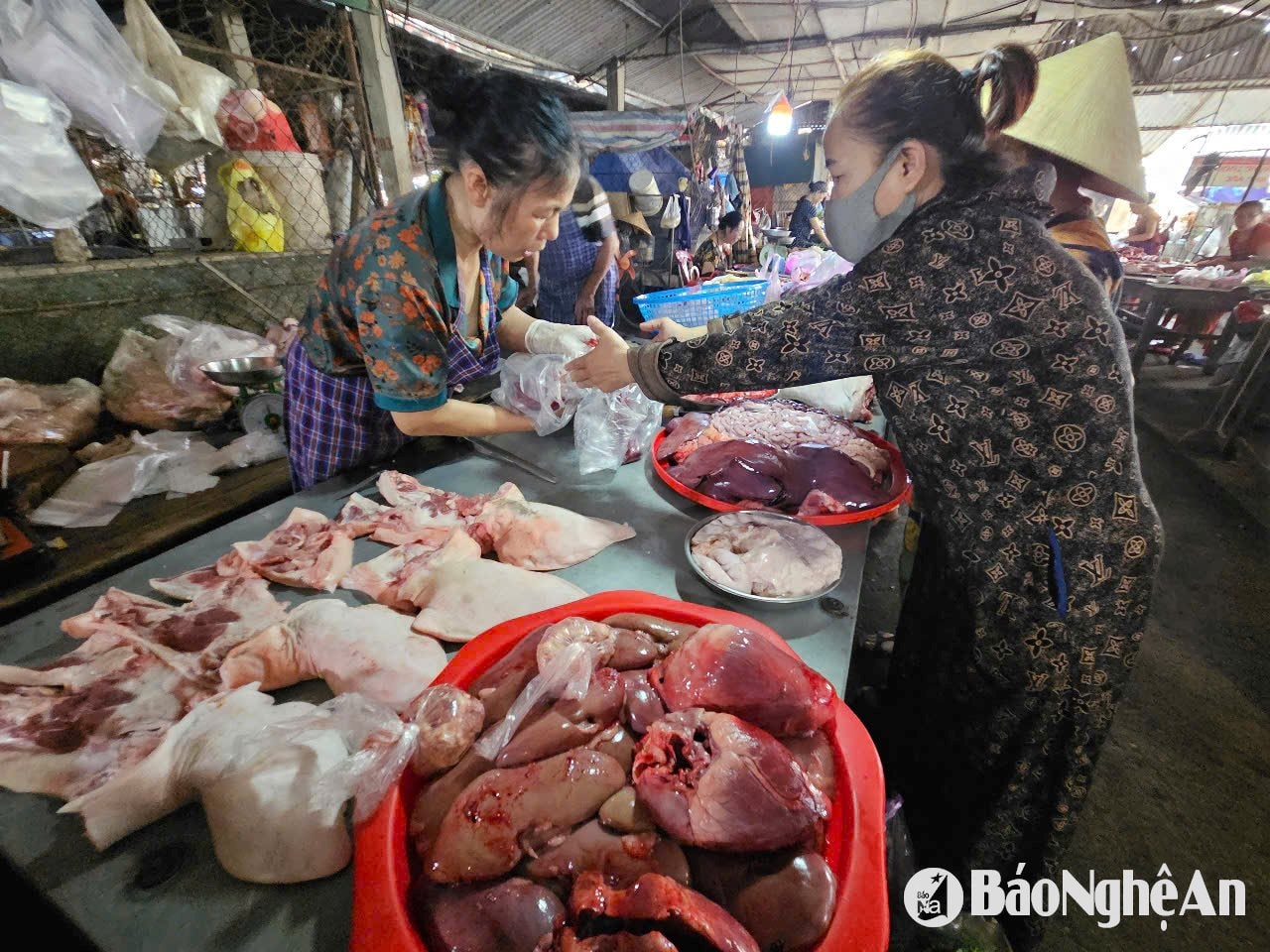
The discrepancy between the reality at the market and the prevalence in restaurants has led many to question: Are the common pig intestines found in restaurants actually rare, or are they just ordinary small intestines treated with chemicals to deceive the eye and taste buds?
Mr. Tran Minh T., a diner in Vinh City, shared: "I really like eating pig intestines because they are crispy, sweet, and unique. But after reading the news that they might be soaked in chemicals to make them crispy, I'm very worried and don't dare eat them anymore."
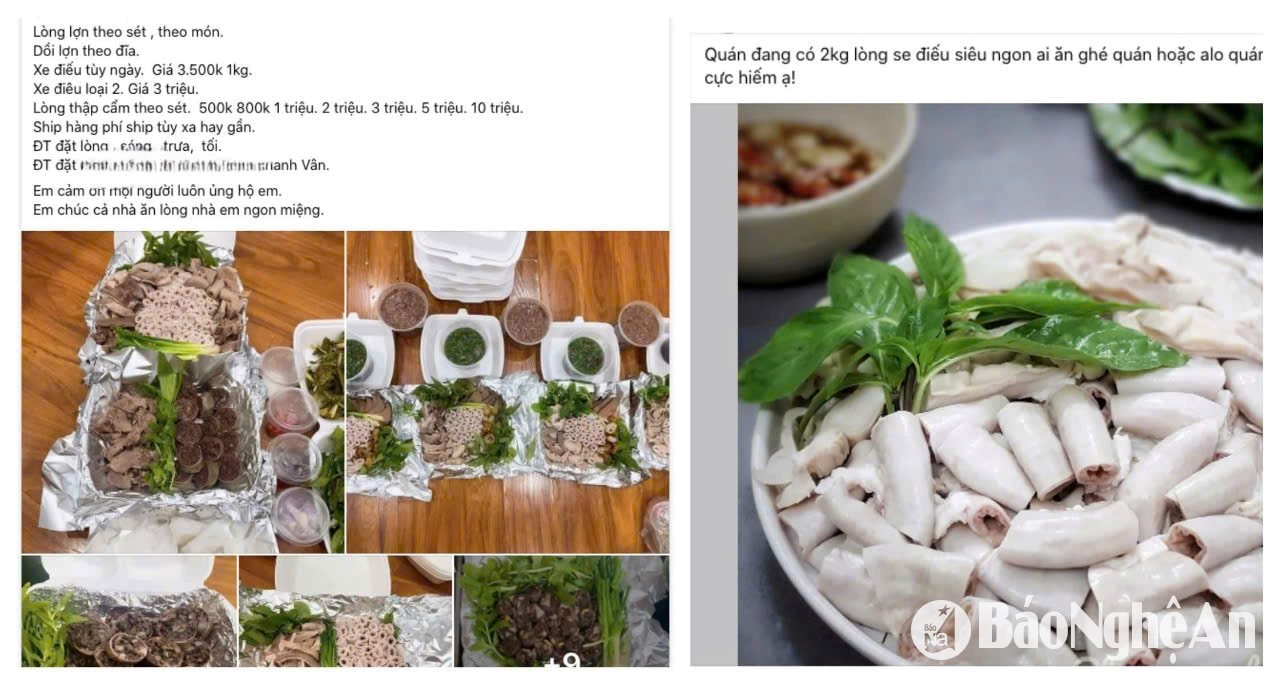
These concerns are not unfounded. According to food safety experts, using industrial substances such as borax, formaldehyde, or bleaching chemicals to process pig intestines can seriously harm the liver, kidneys, and digestive system, and even increase the risk of cancer if used over a long period.
Given this situation, consumers need to be more cautious when choosing food. They should avoid consuming animal organs of unknown origin, especially those with unusual characteristics such as being excessively crispy, white, or lacking a distinctive smell. Furthermore, they should choose reputable processing facilities and restaurants that adhere to food safety and hygiene standards.
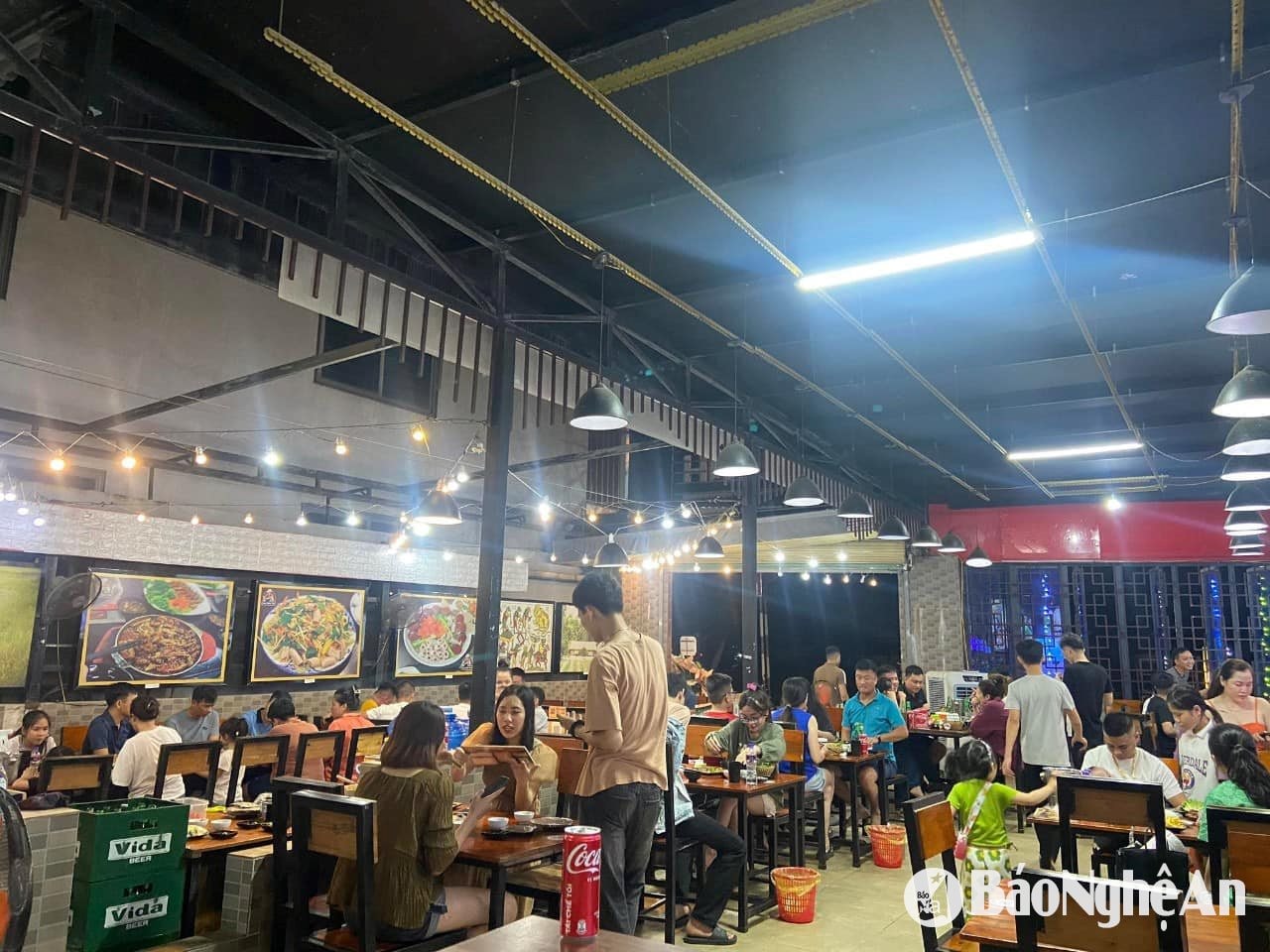
Authorities also need to promptly investigate and clarify the truth about the counterfeiting of pipe linings and strictly handle any violations, in order to regulate the market and protect consumer health.


