
Historic floods and nature's warning:Lesson 4: Continuing to implement the policy of supporting flood-resistant housing for the people.
Located in the heart of North Central Vietnam, Nghe An is a region frequently battered by prolonged periods of heavy rain, storms, and floods. Every year, during the rainy season, water from upstream floods many riverside communes, turning them into vast bodies of water. Amidst this reality, the "flood-resistant stilt house" model has become an effective solution, helping people live in peace and proactively respond to natural disasters.

• December 6, 2025

Located in the heart of North Central Vietnam, Nghe An is a region frequently battered by prolonged periods of heavy rain, storms, and floods. Every year, during the rainy season, water from upstream floods many riverside communes, turning them into vast bodies of water. Amidst this reality, the "flood-resistant stilt house" model has become an effective solution, helping people live in peace and proactively respond to natural disasters.
------------------o0o-----------------
.png)
In Lam Thanh commune – a locality formed by the merger of four communes from the former Hung Nguyen district, including Hung Nghia, Hung Thanh, Chau Nhan, and Phuc Loi – approximately half of the households in the Chau Nhan area previously lived outside the Ta Lam dike. This low-lying area directly received floodwaters from upstream during each rainy season. In years of peak flooding, the water rose so high that it submerged the rooftops, forcing entire villages to flee to the dike for shelter, barely surviving for days. That image remains an unforgettable nightmare in the memories of the people of the former Chau Nhan area.
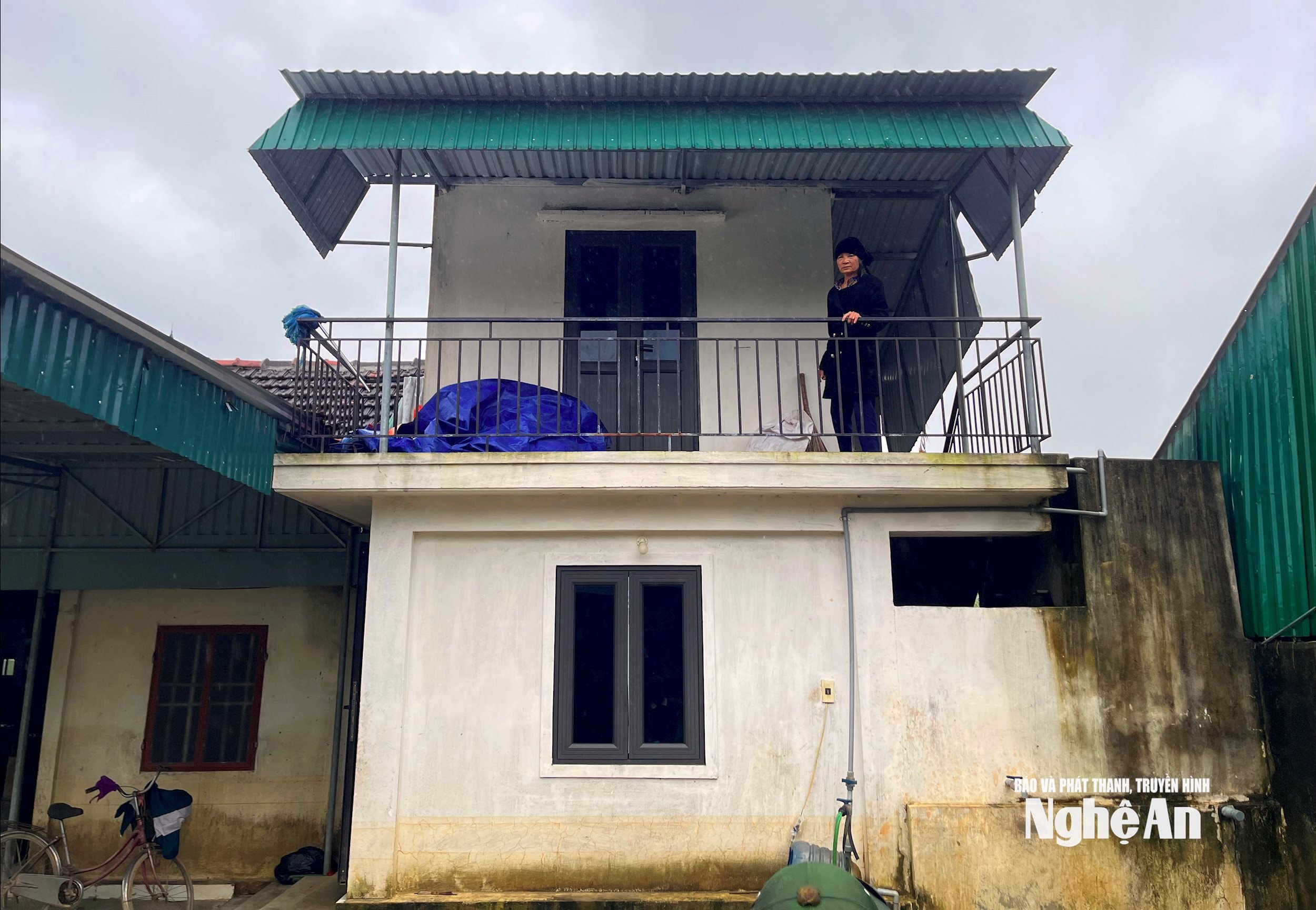
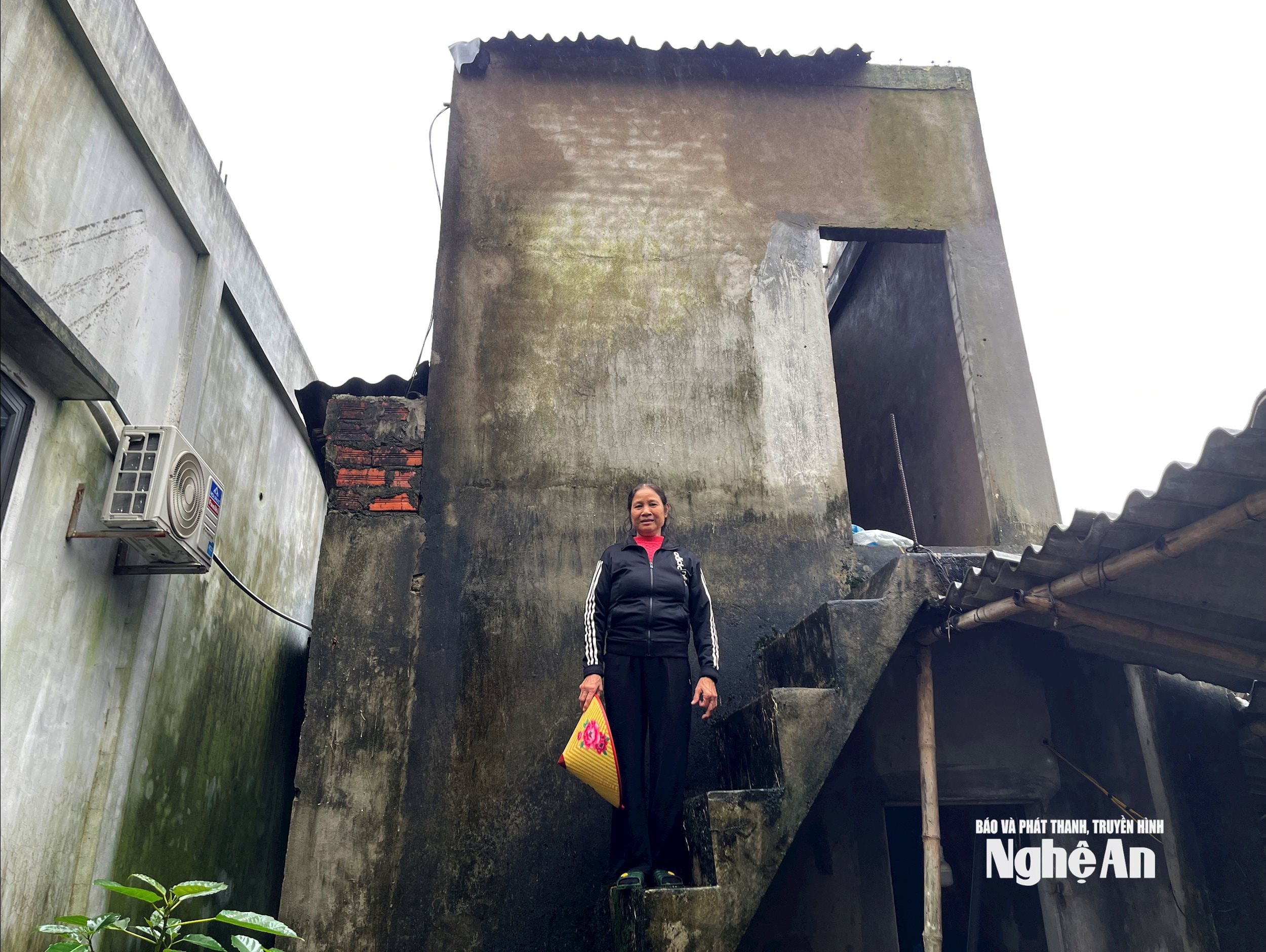
In recent years, thanks to government support policies and the collective efforts of the community, flood-resistant stilt houses have sprung up one after another, helping people no longer live in constant anxiety every rainy season. The family of Mrs. Tran Thi Vinh in Chau Nhan 9 hamlet, Lam Thanh commune, is a typical example. A poor household, her husband passed away early, leaving her to raise her children alone in a low, dilapidated house. Once, when the flood came, the water rose so quickly that she had to ask her neighbors to carry her children to safety on the dike in the middle of the night.
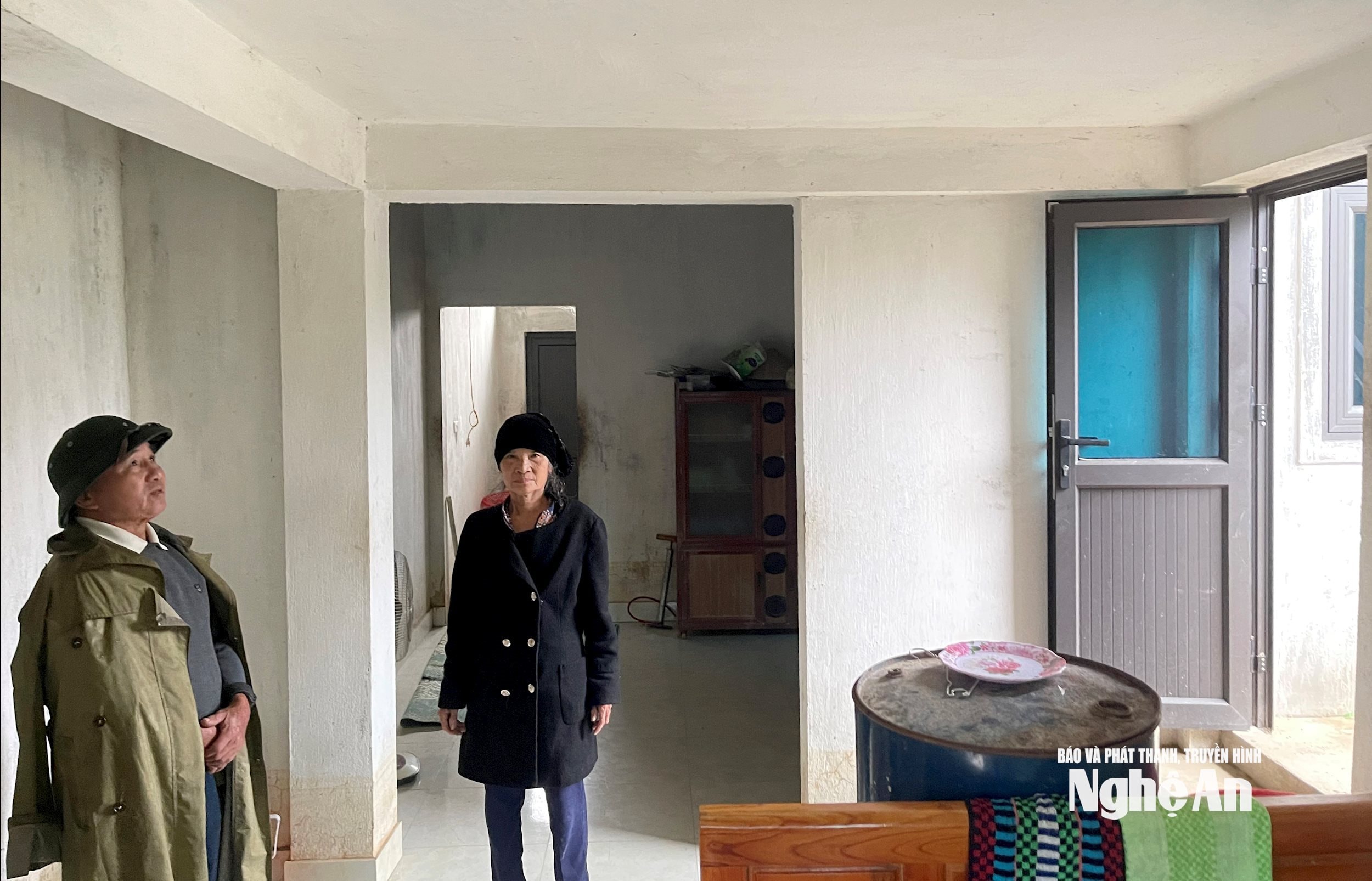
A turning point came for her in 2012, when the Prime Minister issued Decision No. 716/QD-TTg on the pilot implementation of solutions to support poor households in improving safe housing conditions and responding to floods in the North Central and Central Coastal regions. Ms. Vinh's family received 10 million VND in support, and with an additional 20 million VND borrowed, they built a flood-resistant stilt house according to the design. Although modest in size, it is quite sturdy and stable. The lower floor is used for daily living, while the upper floor is built higher and has a separate staircase on the side, for use in case of rising water levels. “Rain and wind no longer scare me. When there’s a storm warning, I just move my belongings to the upper floor, prepare food and clean water, and I can stay put with peace of mind. Having the stilt house has also significantly strengthened my resolve,” Ms. Vinh said.
Not only Mrs. Vinh's family, but many other households in Lam Thanh commune have also proactively built flood-resistant shelters with support from the State. Mr. Nguyen Canh Duc - Vice Chairman of the People's Committee of Lam Thanh commune said: "Not only poor households receive support, but other families, seeing the effectiveness of the flood-resistant shelter model, have also learned from it and invested in building them. This model is very effective and suitable for rural economic conditions. People can live in peace, reducing the burden on rescue forces whenever storms and floods come."
Not only in Lam Thanh, but also in Thien Nhan commune (formerly Nam Cuong commune), dozens of stilt houses have been built to protect people from floods and storms, in accordance with Decision No. 716 of the Prime Minister. The Thien Nhan commune authorities stated: "The commune is located along the Lam River, and it is flooded almost every year. Previously, whenever there was a storm, we had to mobilize police and militia forces to help people evacuate. Since the people have built these stilt houses, flood response efforts have been greatly improved. They are more proactive in protecting their property and ensuring their own safety. Currently, more than 50 households in the commune have built flood-resistant stilt houses, some of which have even renovated them to use as storage sheds or livestock pens, which is very convenient."
According to the Nghe An Department of Construction, to date, more than 600 poor households in the province have received support for building houses to protect against storms and floods through two important government policies: Decision No. 716/QD-TTg dated June 14, 2012 and Decision No. 48/2014/QD-TTg dated August 28, 2014 of the Prime Minister.
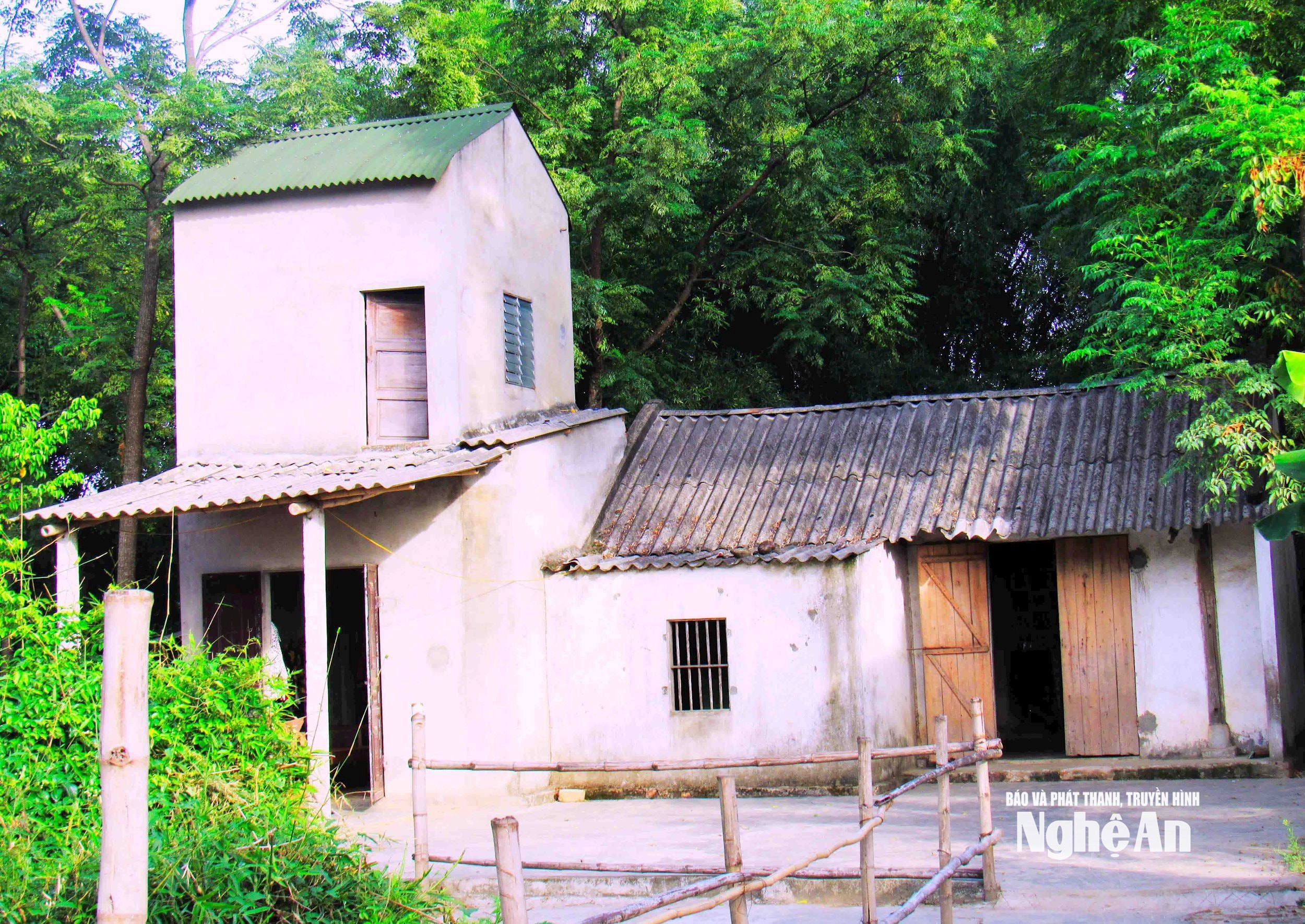
Specifically, Decision No. 716/QD-TTg designated Nghe An as one of seven provinces selected to participate in a pilot program for building flood-resistant shelters, with two beneficiary localities being Hung Nhan commune (formerly Hung Nguyen district) and Nam Cuong commune (formerly Nam Dan district). A total of over 100 flood-resistant shelters were constructed, providing safe refuge for poor households in low-lying areas during high floodwaters. Following this, Decision No. 48/2014/QD-TTg, issued on August 28, 2014, on "Policies to support poor households in building houses to prevent and mitigate storm and flood damage in the Central region," expanded the scope and beneficiaries. In Nghe An alone, this program provided support to 504 poor households in 13 former districts with a total budget of 15.3 billion VND.
In fact, 2025 was one of the years Nghe An suffered the most severe natural disasters in over a decade. However, amidst this harsh context, the effectiveness of the "flood-resistant stilt houses" projects has clearly demonstrated their practical value. Hundreds of households in riverside communes such as Lam Thanh and Thien Nhan... were safe during the floods, avoiding evacuation and suffering no loss of life or property.
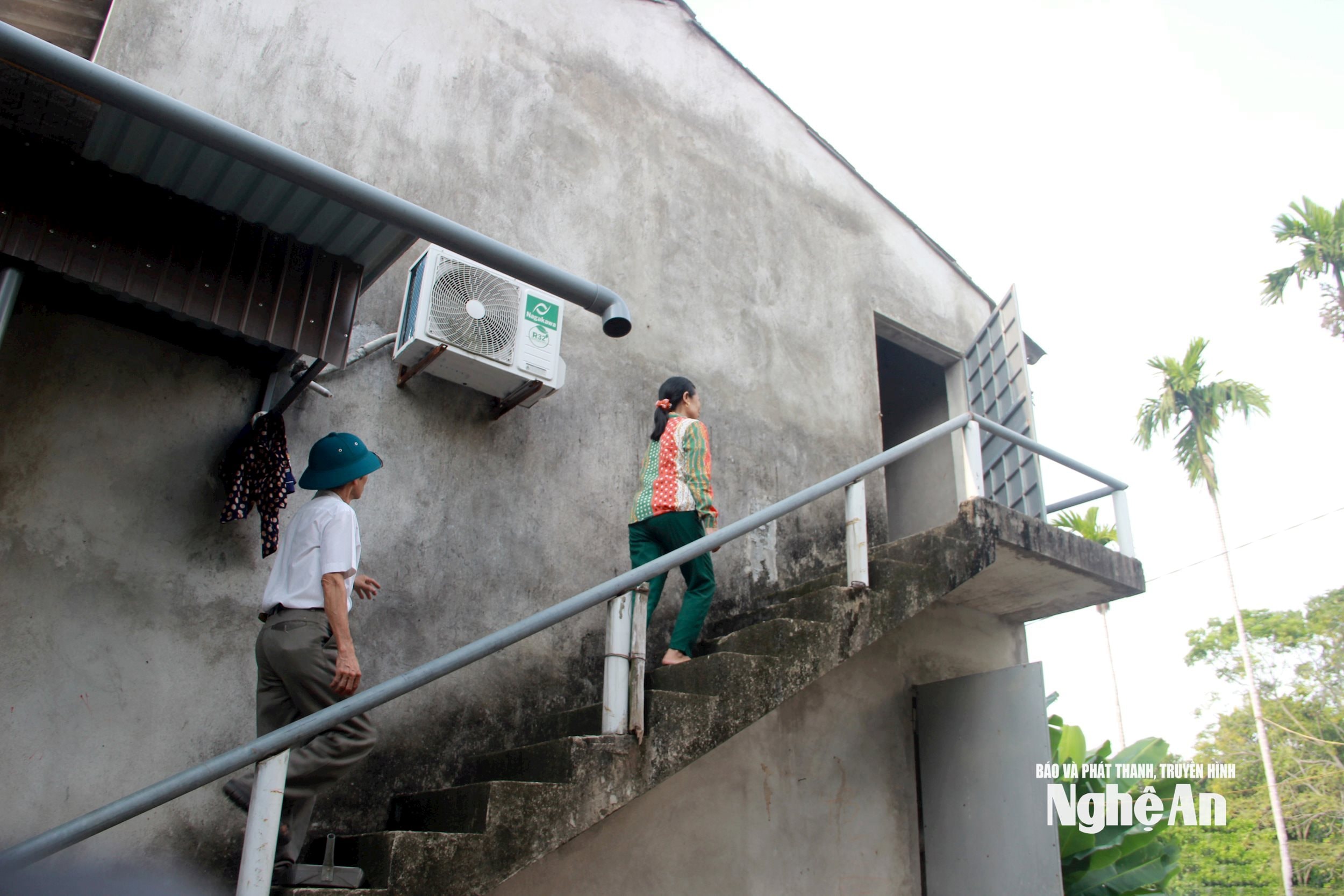
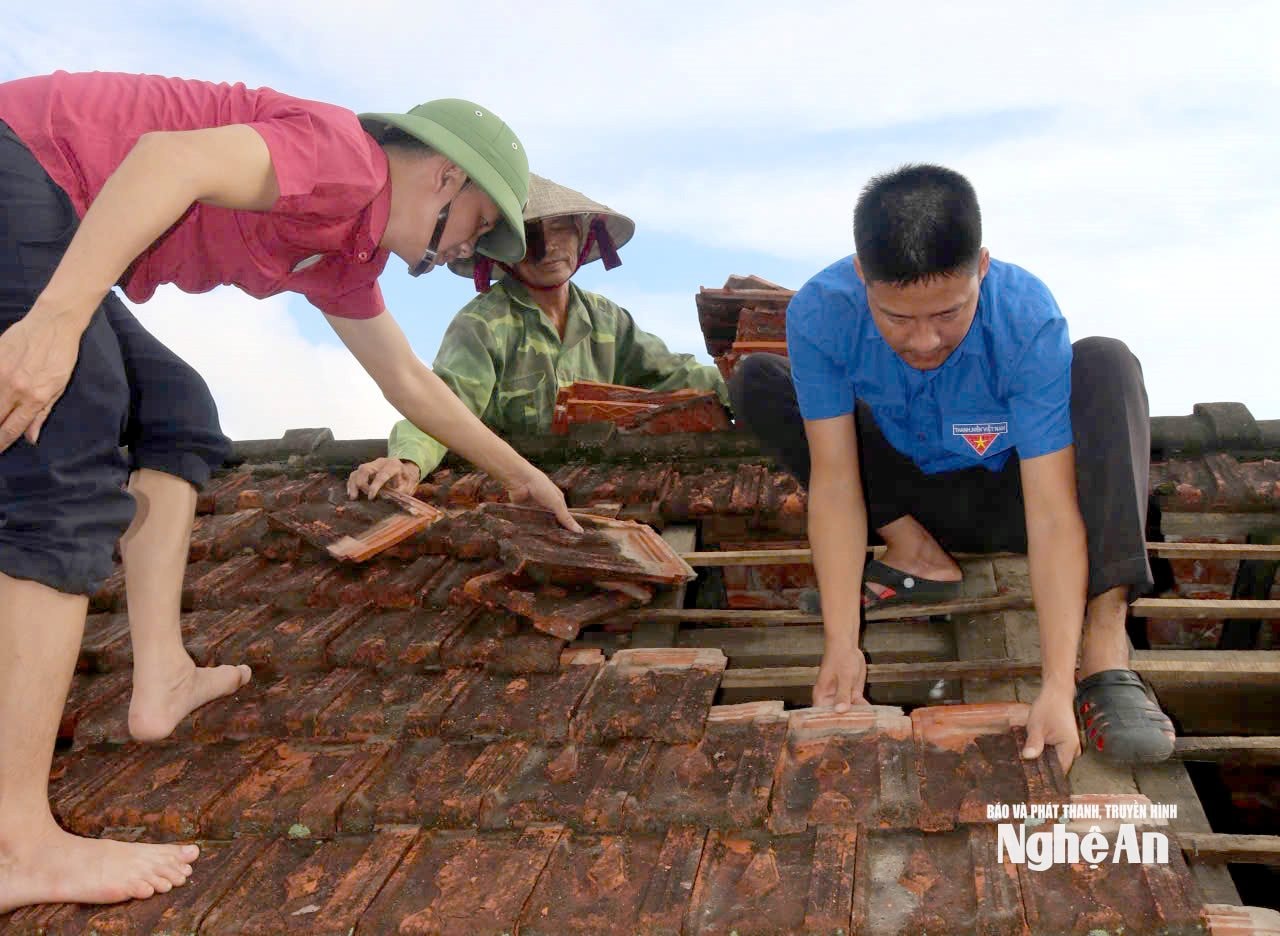
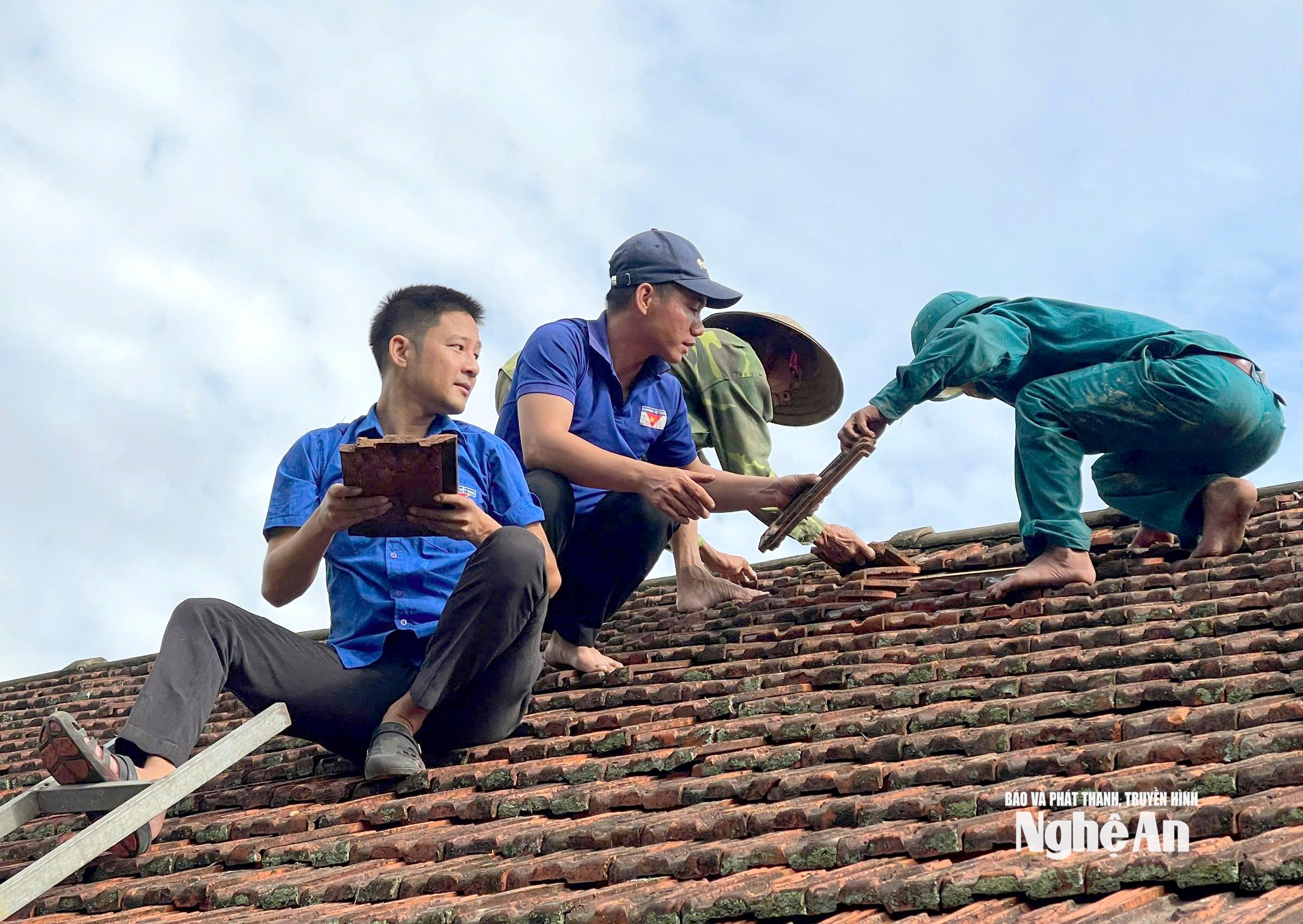
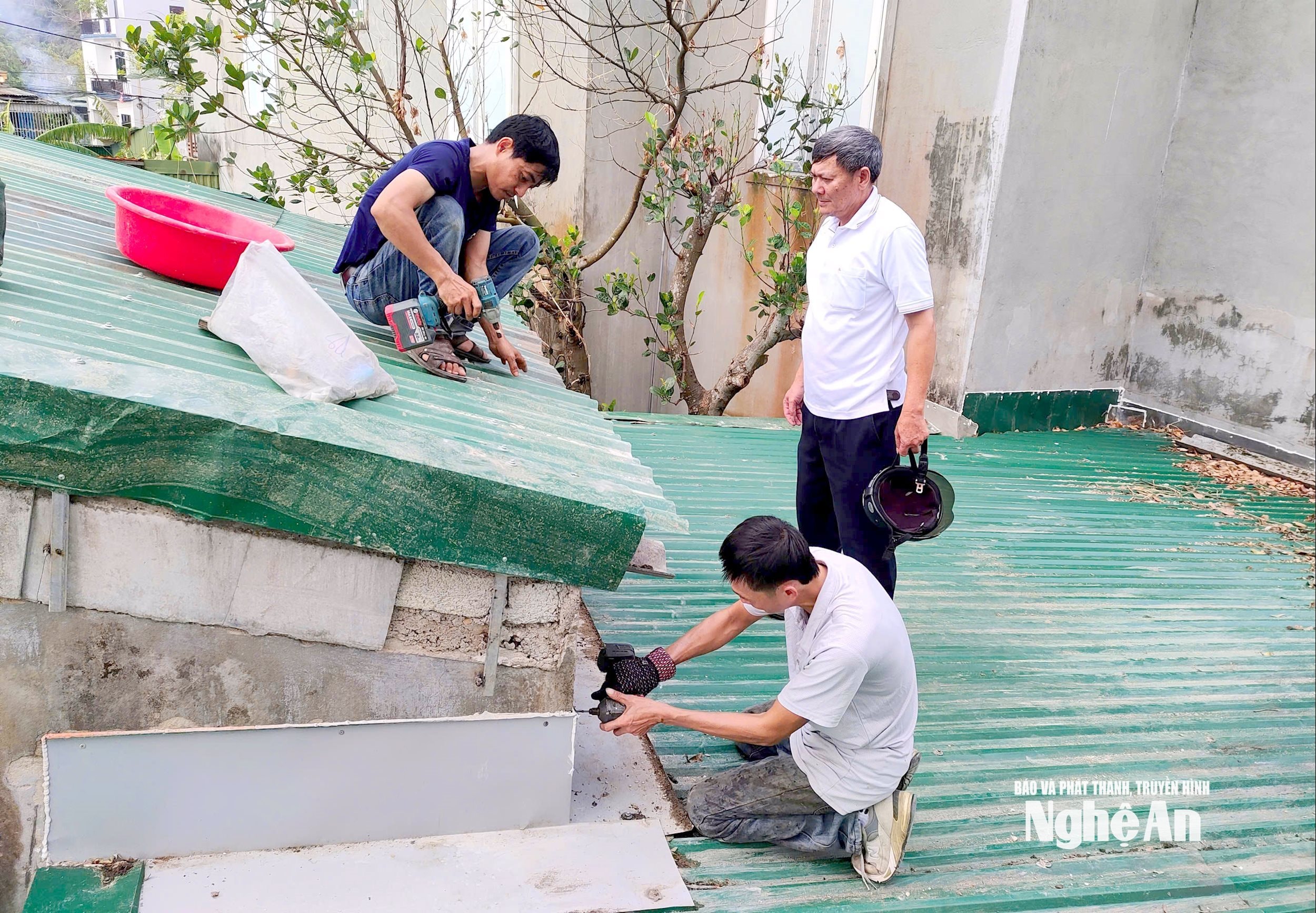
However, after more than a decade of use, some of these stilt houses have revealed weaknesses. Because they were built at low cost, after enduring rain, sun, wind, and storms for a long time, many parts have deteriorated, the corrugated iron roofs leak, and the upper floors are damp. Some houses are small and cramped, making long-term living during the flood season inconvenient, and many households have spent extra money to repair them. For those in need, the community or local organizations also provide labor and materials to repair the damaged parts.
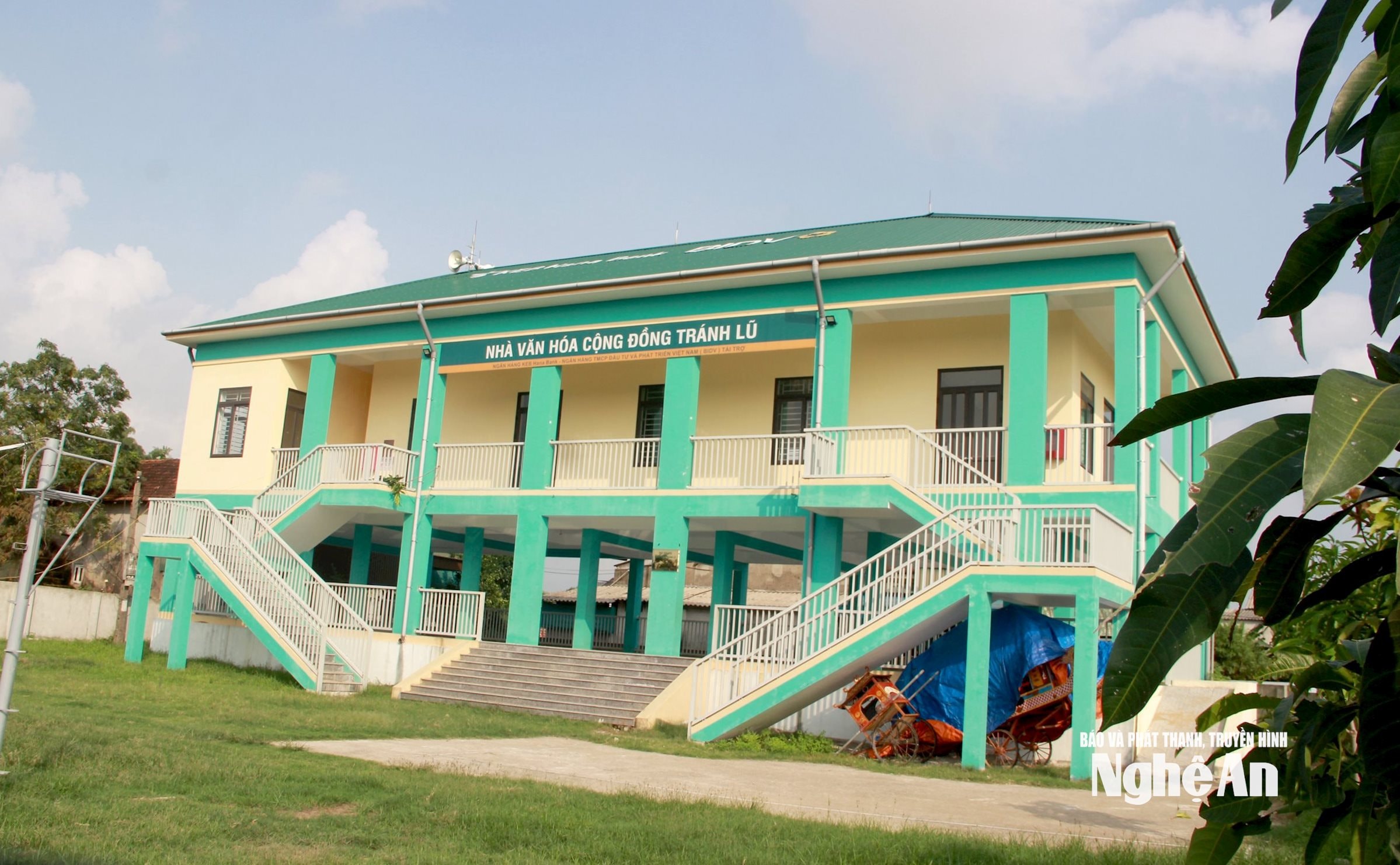
Besides the model of stilt houses, Nghe An province has focused on building community flood shelters in recent years, considering this an important solution to help people in flood-prone areas proactively respond to natural disasters. In the former Hung Nguyen district, there are currently 3 community shelters built with a total cost of approximately 7.6 billion VND in Lam Thanh and Hung Nguyen Nam communes. The project was initiated by the Nghe An Provincial Fatherland Front Committee, connecting with businesses and organizations to provide sponsorship, aiming to create safe shelters for people living outside the dike whenever storms hit. During the recent floods, these facilities proved remarkably effective. Before the water rose, the commune authorities organized forces to assist the elderly, children, and vulnerable households to quickly move into the community shelters. Thanks to the spacious area, lighting system, clean water, and well-arranged sanitation facilities, people were ensured safe and orderly temporary living conditions.
Mr. Trinh Van Nha, a member of the Provincial Party Committee, a representative of the Provincial People's Council, and Secretary of the Party Committee of Dai Dong commune, also believes that in flood-prone areas, building community cultural centers with flood shelter functions is extremely necessary. The buildings should be designed with two floors to meet the requirements for timely evacuation of single-person households and disadvantaged families whenever there is heavy rain and rising water levels. In reality, for many years, people in Bich Hao have proactively adapted to "living with floods." A return to a harmonious approach with nature is needed instead of trying to fight against it; a sustainable solution is for people to increase their income and build multi-story, sturdy houses.
.png)
Information from the Housing and Real Estate Management Department of the Nghe An Department of Construction indicates that the need for disaster-resistant housing for poor and vulnerable households in the province remains very high, especially after typhoons No. 3, No. 5, and particularly Typhoon No. 10. According to the report of the Provincial Civil Defense Command, Typhoon No. 10 alone caused over 61,000 houses to have their roofs blown off, over 1,500 houses to be damaged or affected by landslides, and 74 houses to completely collapse. The severe damage shows that the need for access to policies supporting the construction of sturdy and sustainable housing is more urgent than ever, instead of relying solely on social contributions from businesses and philanthropists.
In many localities, the reality shows that after successive storms, people's awareness of the need to build sturdy houses has changed significantly. However, the increasing cost of materials and labor makes it difficult for many households, even those who would like to, to repair or rebuild their homes safely.
The family of Mr. Vi Van Binh in Con Phen village, Huu Khuong commune, is one such case. He is still reeling from the shock of the floodwaters rising so quickly; his family only had time to run to higher ground and then take temporary shelter at a relative's house for two days. Upon returning home, Mr. Binh was distraught to see his newly built house precariously perched beside the stream. He shared that his greatest wish right now is to have a sturdy house to live in peacefully, but his difficult economic circumstances prevent him from doing so on his own, and he desperately needs support to stabilize his life after the floods.
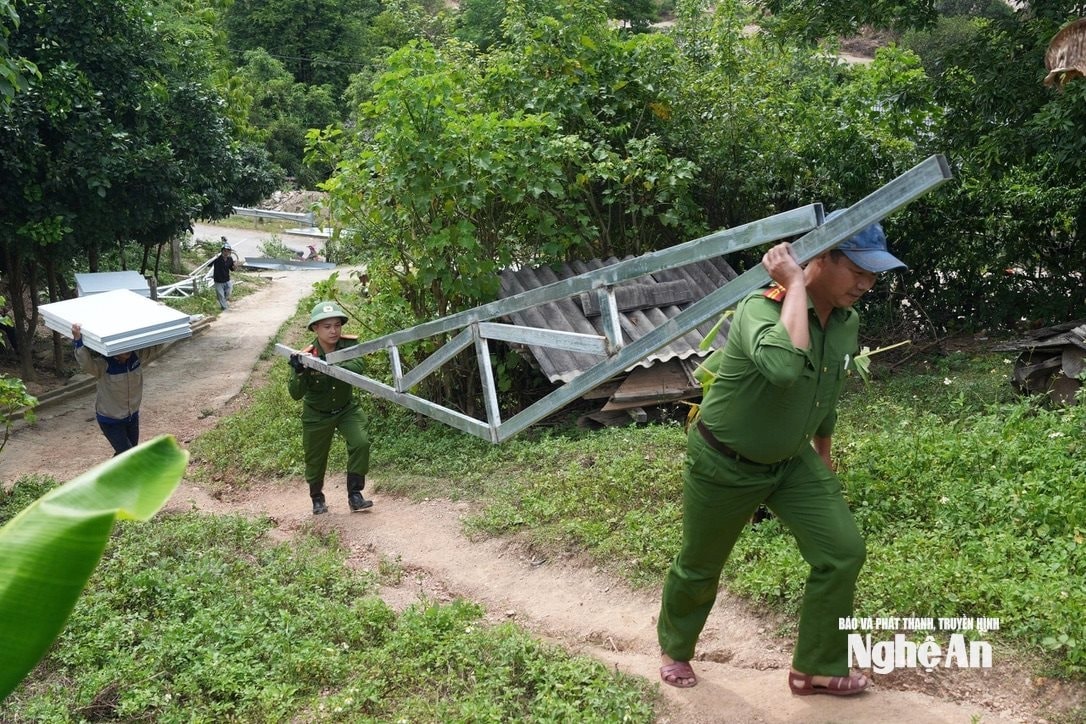
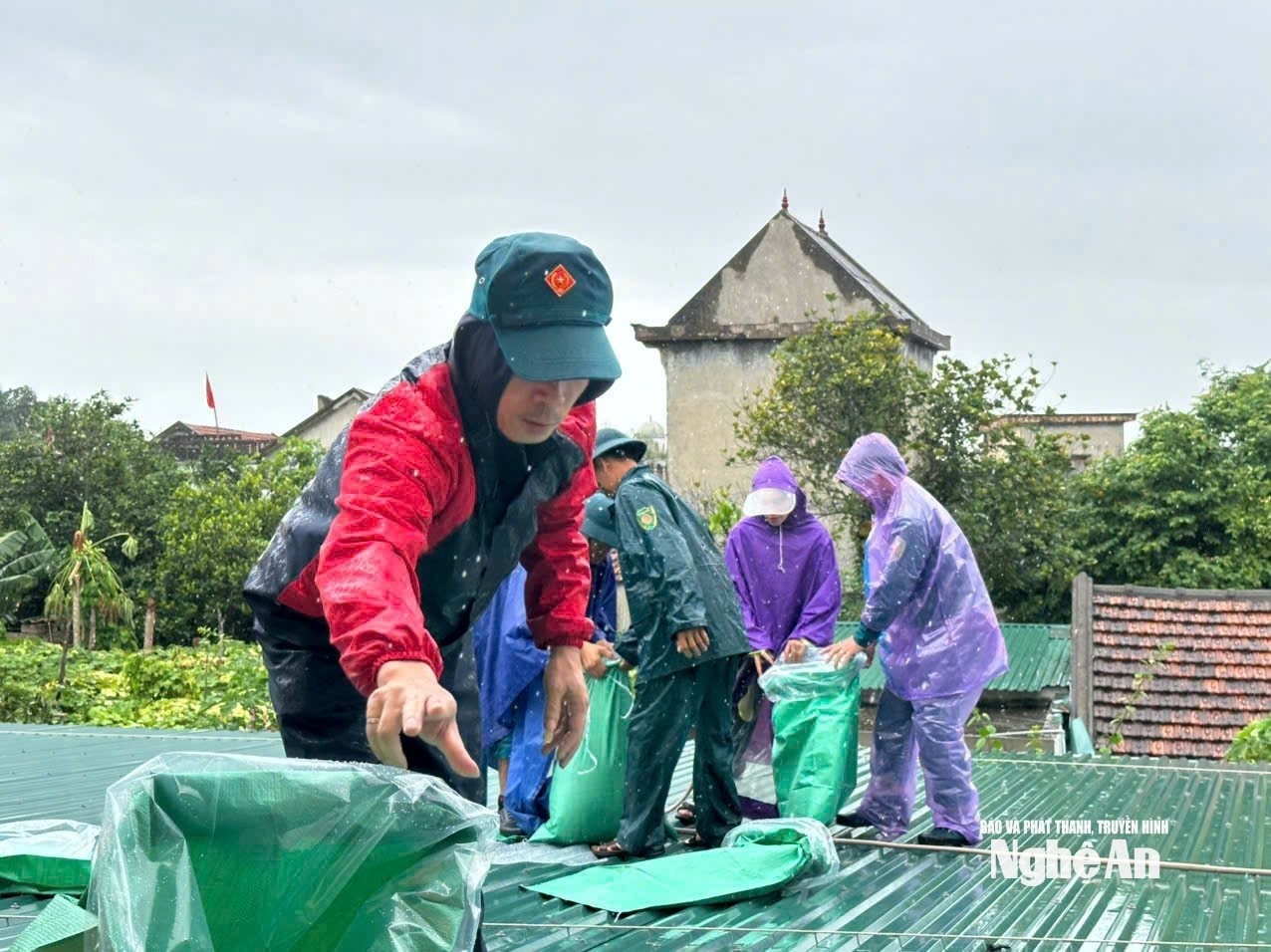
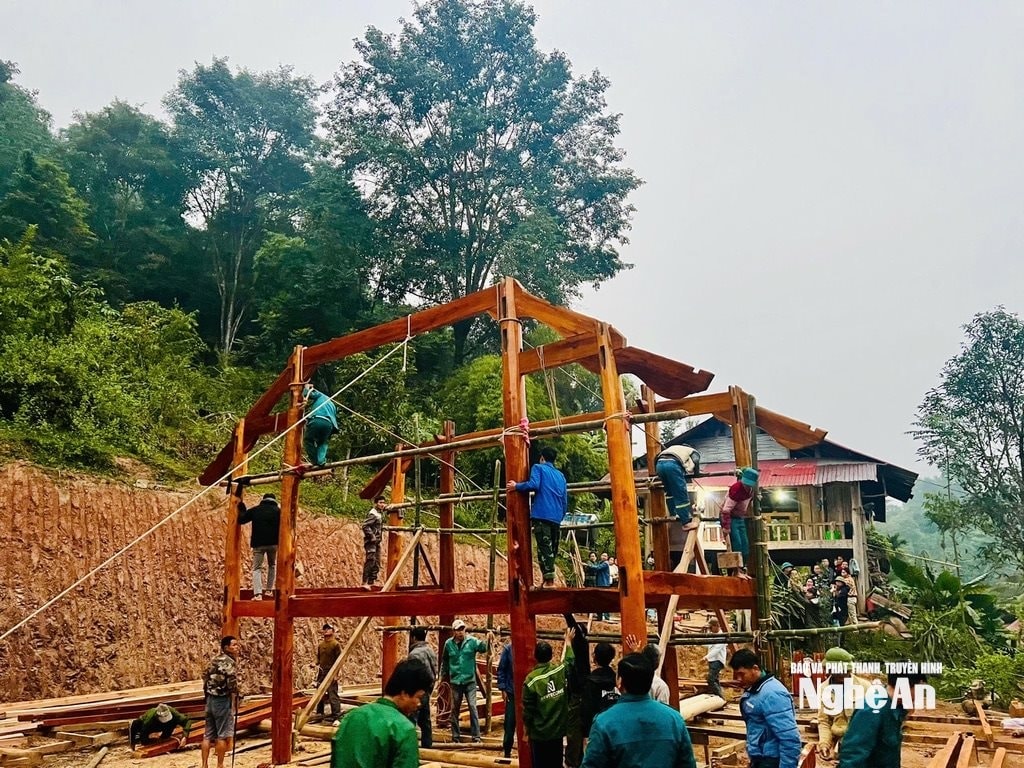
In Chau Tien commune, where flash floods and landslides frequently threaten, the local government and residents have made efforts to mobilize social resources to repair nearly 400 safe houses during the 2023-2025 period. However, according to Mr. Nguyen Tien Hung, Chairman of the Commune People's Committee, the actual needs remain significant, especially in areas along streams and vulnerable zones. Mr. Hung stated that the locality strongly desires more government support programs to ensure that every poor household and high-risk household has the opportunity to build a sturdy house: "Social resources are very valuable, but they are unstable and cannot cover all needs. If there were more mechanisms to support capital, materials, or long-term preferential credit policies, people would be more confident in building safe houses against natural disasters," Mr. Hung emphasized.
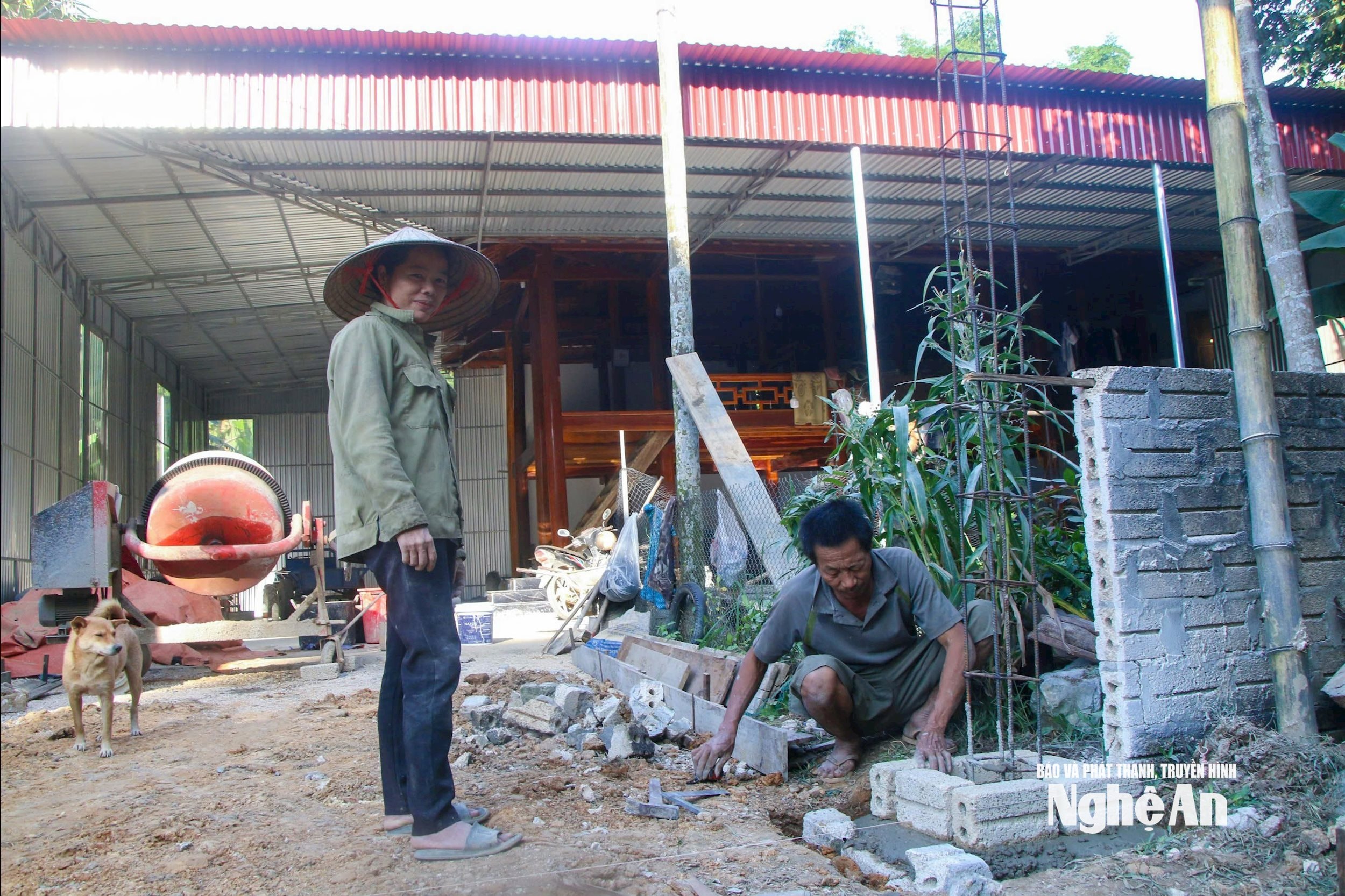
The family of Mr. Lu Van An in Hoa Tien 1 village, Chau Tien commune, who are building a house scheduled for November 2025, said that although they really want to invest in a solid foundation and structure, the 100 million VND loan from the Social Policy Bank is only enough to cover the basic costs. With increasingly complex and extreme weather patterns, the family hopes for more practical support policies so that their house doesn't have to be rebuilt after each rainy and stormy season.
The recent Typhoon No. 10, which damaged tens of thousands of houses across the province, serves as a clear warning about the level of risk Nghe An faces. Local authorities and people in vulnerable areas earnestly hope that relevant agencies will continue to improve and expand policies supporting the construction of flood-resistant housing; and consider allocating additional resources from national target programs, the disaster prevention fund, and preferential credit to help people build sturdy houses and flood-resistant shelters.

(To be continued)
Final lesson:Enhancing digital technology and flood response capabilities.
Reporters Team/Present: Hong Toai


