
Floods in Nepal and Tibet: Workers narrowly escape death after being trapped for hours.
The floods in Nepal are leaving particularly devastating consequences. At least 939 people have died in Nepal and Tibet, while nearly 4,500 are missing. Six days later, rescue teams are still struggling through mud and rubble to find victims. Amidst the disaster, miraculous stories of survival are emerging.
Thousands were killed or injured.
A massive, icy flood of water surged down from the China-Nepal border region on August 26th. The floodwaters carried rocks and debris, destroying numerous villages and towns.
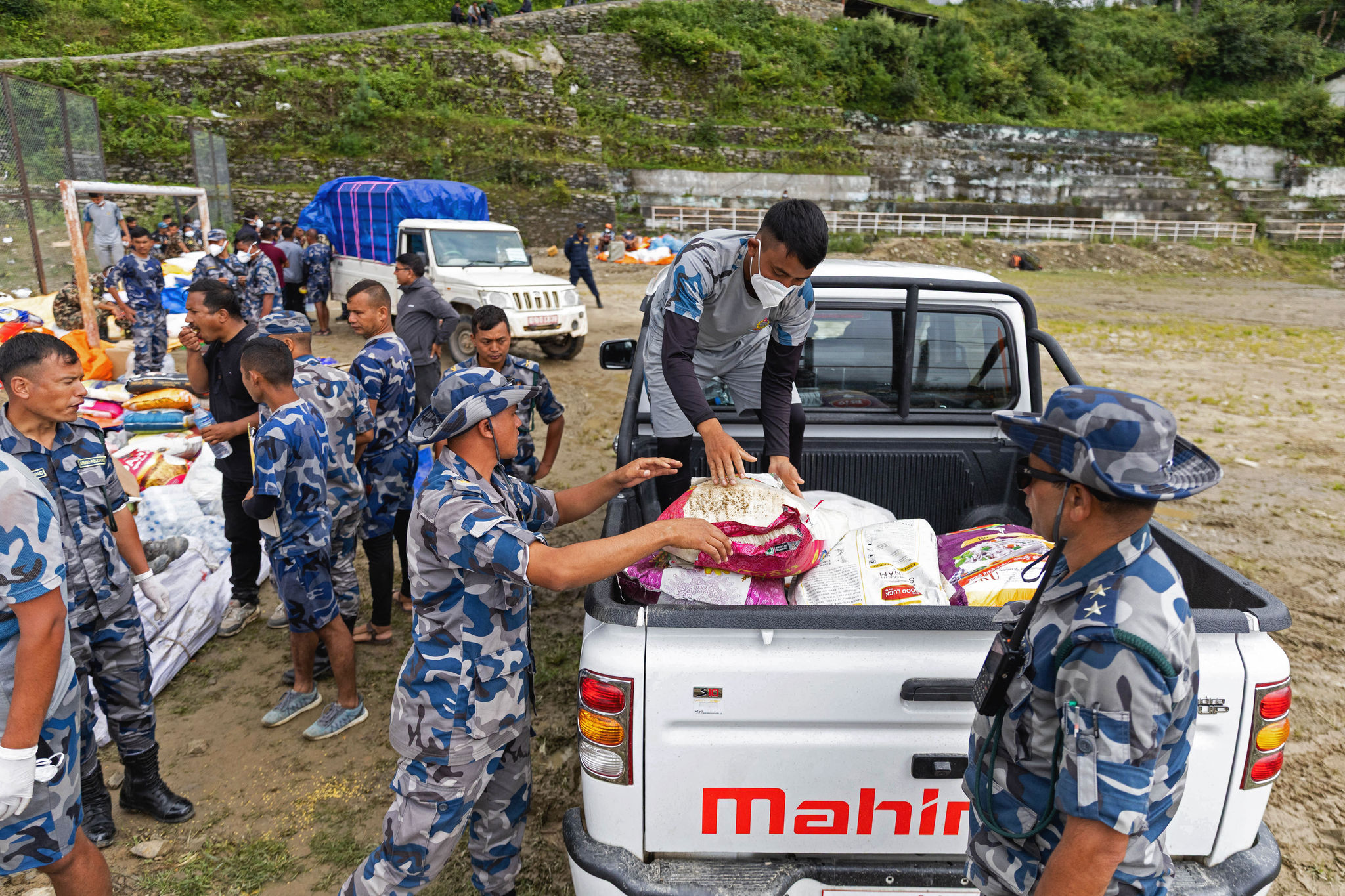
According to the latest figures, at least 939 people have died in Nepal and Tibet. At least 17 other bodies have been found in downstream rivers in India.
The number of missing people has risen to nearly 4,500. Nepalese Prime Minister Balendra Shah called it an “unimaginable and heartbreaking” disaster.
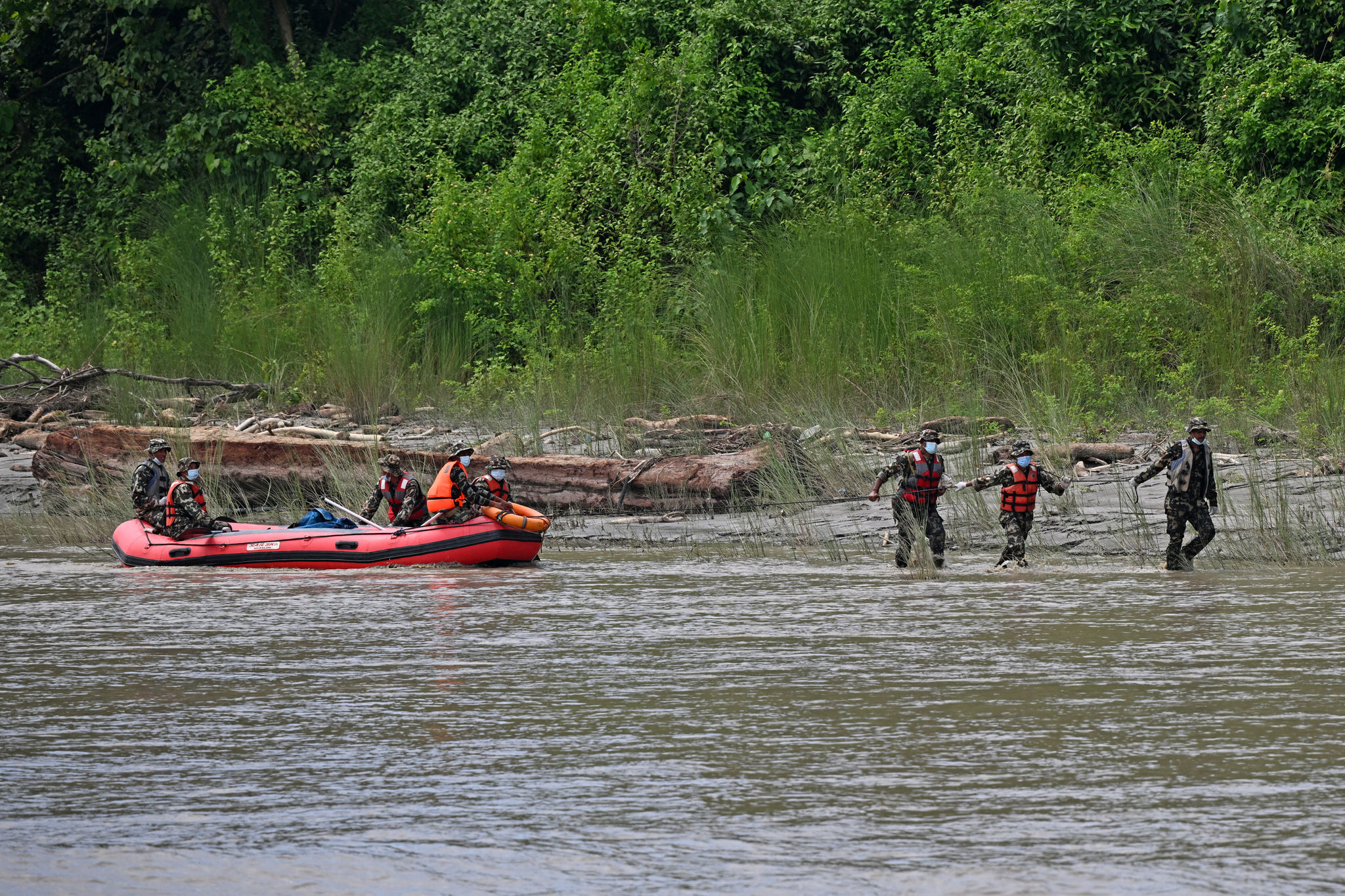
In Chitwan district, Nepalese soldiers used rubber boats to search for victims. The bodies were brought ashore in specialized bags.
Race against time to find missing people after floods in Nepal.
One of the most urgent tasks is to rescue approximately 100 hydroelectric power plant workers. They are believed to be trapped in several tunnels.
Rescue teams had to dig, drill, and break through thick layers of earth and rock. So far, three bodies have been recovered from two tunnels. Many access points remain blocked by mud and debris.
An Indian army officer involved in the rescue operation said that authorities are having to dig through thick mud. However, he still hopes there are survivors inside.
Nepal's Home Ministry said that around 20,600 people have been mobilized for rescue efforts. More than 3,100 people have been evacuated from the disaster zone.
Military helicopters also continuously transported victims away from Nuwakot and Rasuwa.
Amidst the devastating floods in Nepal, miraculous stories of survival are still emerging. A 6-year-old girl was pulled from the mud on August 28th and later reunited with her parents.
Police found the girl's body trapped in the mud, but her head was still outside. The girl is now out of danger and recovering in the hospital.
Workers narrowly escape death after being trapped for hours.
Shibu Giri, 44, is a hydroelectric power plant worker in Rasuwa. He was fortunate to survive after being trapped in the mud.
The rescue helicopter attempted to reach him three times. However, the mud held the man's body tightly up to his waist.
"I told them to throw water and food down," Giri recounted.
After much effort, rescue workers managed to pull him out and take him to the hospital.
Glacier collapse causes disaster.
The U.S. Geological Survey (USGS) determined that the disaster originated from a glacial collapse.
Scientists warn that climate change is causing glaciers around the world to melt faster, increasing the risk of similar disasters.
Nepalese Foreign Minister Shisir Khanal stated that the people of his country are being severely affected by climate change.
The Himalayas are also experiencing an increased rate of ice melt as global temperatures rise.
The consequences of the floods in Nepal are severe. Many communities have been almost completely swept away. Roads have been destroyed and many power plants damaged. Dozens of bridges have also been washed away.
An official from the United Nations Children's Fund (UNICEF) said the need for relief is immense. Tens of thousands of people are being affected by the disaster.
Over 500 people are missing in Tibet.
In Tibet, more than 2,000 people have been mobilized for rescue efforts. However, accessing the epicenter of the disaster remains very difficult.
According to figures released by China, 16 people have died and 546 are missing in Tibet.
Some Tibetan advocacy organizations abroad have questioned these figures. They are calling on Beijing to release full information on casualties and damage.
The Chinese Foreign Ministry asserted that information about the disaster was released "openly, transparently, and promptly." Beijing also rejected claims that the death toll was underreported.
While thousands remain missing, Nepal's flood rescue operation continues to race against time. Mud, treacherous terrain, and destroyed infrastructure are hindering the search.


