
Choosing and using face masks correctly helps protect your health.
The market currently has many counterfeit and low-quality face masks that pose serious health risks. Users need to understand the standards to choose the right type and use them correctly.
Face masks are now a popular choice for many people to protect their health from air pollution and the risk of respiratory infections.
With these handy tips, you can easily buy a good quality medical mask and use it correctly.
Where to buy face masks
You should buy face masks from pharmacies or large grocery stores to ensure their origin, and avoid buying masks sold on sidewalks. Reputable brands and manufacturers always choose large pharmacies to distribute their products. Most masks sold on sidewalks are counterfeit or fake, handcrafted from low-quality materials by small, independent vendors. Don't sacrifice your health for convenience. Not to mention the potential health risks from toxic materials.
 |
| You should buy face masks at large pharmacies and grocery stores. |
Product origin
For disposable face masks, the production process requires strict management of production conditions to ensure product hygiene. Not all facilities meet the stringent standards for clean production. Therefore, when buying face masks, you should carefully check the information printed on the packaging, including: brand; place of manufacture (or importer/packer); ingredients; batch number; production date; and expiration date. Large and reputable companies always comply with regulations regarding printing this information. Furthermore, with clear information, you can easily verify the scale of the production unit on the company's website or through public media to ensure the face masks come from a reputable source.
Product features
The market offers countless types of face masks, with various functions such as sun protection, protection against dust and smoke, and prevention of bacteria and viruses. You should pay attention to choosing the right type of mask for your needs. For example, when going to the hospital, or near sources of flu or respiratory infections, or to avoid spreading illness to others, you should choose products with virus-blocking features. Ask a pharmacist for advice to easily find a mask with the function you need. When choosing, also pay attention to the quality of the materials, selecting those with a soft surface to avoid discomfort and friction against the face. Pay attention to the seams or stitching; genuine products will have sharp, neat seams and a uniform shape.
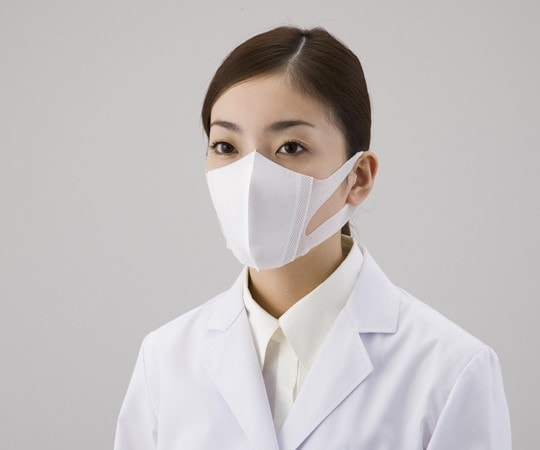 |
| Choose the type of face mask that suits your needs. |
The fit of the mask
The shape of the mask also determines its quality. You should choose a mask that fits well, not too tight and not too loose, and covers both your mouth and nose completely. Avoid wearing a mask that only covers your mouth and then your nose, or occasionally pulling it down to your chin to laugh or talk.
Especially with disposable masks, pay attention to whether your mask fits snugly around your nose, cheeks, and chin. These are areas where dust and pollutants can easily penetrate. Therefore, you should choose masks that fit your face well and have no gaps in these areas to prevent dust and bacteria from entering.
Change your face mask frequently and store it properly.
Cloth masks need to be washed daily. After each use, bacteria and dust accumulate on the mask. If not changed frequently, the mask becomes a breeding ground for bacteria and viruses that can cause illness. If you cannot wash cloth masks daily, you should use disposable masks.
Disposable face masks or medical masks should only be used once or a maximum of one day. Similarly, storing used masks in a bag or hanging them on a vehicle for reuse allows bacteria on the mask to come into direct contact with your face and cause harm. Change your mask daily. Choosing white or light-colored disposable masks is also a way to easily spot when the mask is dirty and needs replacing.
According to zing.vn


