
Lucid Gravity 900 V: Review of its ultra-fast charging capabilities.
Lucid Gravity is built on a 900V architecture, currently charging at a maximum of 400 kW and with the potential to reach megawatts. However, in the US and Europe, the 500–600 kW infrastructure is still beyond the capacity of most vehicles.
According to InsideEVs, a wave of megawatt (MW) high-speed charging stations is spreading in China, promising to shorten electric car charging times to just a few minutes. In the US and Europe, 400–600 kW stations have also appeared, and even 500 kW systems are already operational. Against this backdrop, the Lucid Gravity – an electric SUV using a 900V architecture – emerges as a name ready to take advantage of the increasingly powerful charging infrastructure, with current charging capacity at a 400 kW station and potential to receive MW.
However, as InsideEVs and USA Today have noted, the majority of electric vehicles in the US and Europe are still unable to receive charging signals above 350 kW. This means that the current 500–600 kW charging stations are somewhat out of reach of actual demand.
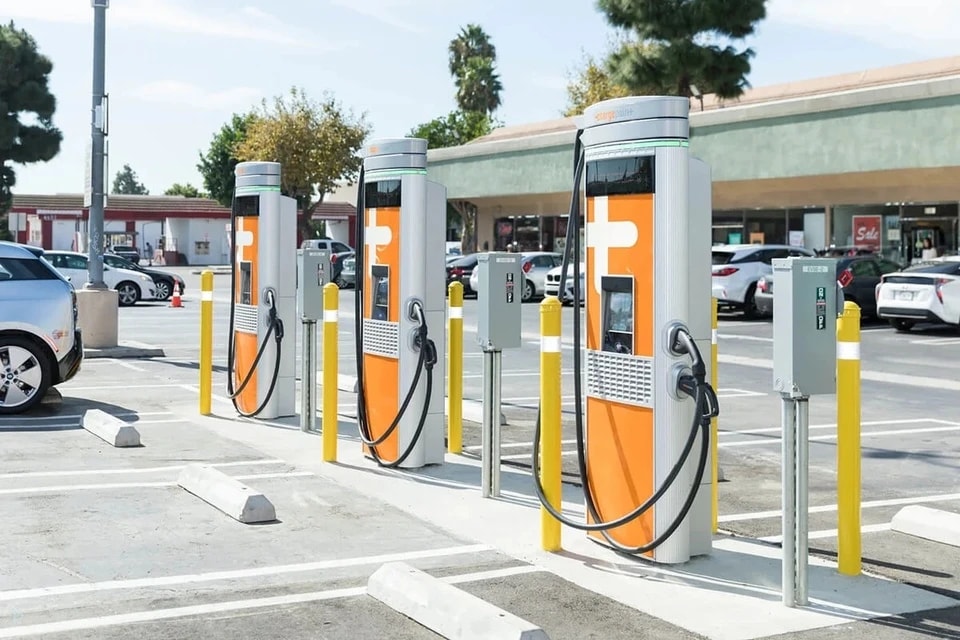
Ushering in the era of MW charging, but how practical is it?
In China, MW charging stations are being deployed by many manufacturers, allowing electric cars to be recharged in about 5 minutes – a time close to filling a gasoline tank. Europe is seeing the popularity of electric cars and the development of charging networks, but currently no models accept more than 400 kW; only a few vehicles are compatible with 400 kW. In the US, the Gravity system already provides 500 kW, while ChargePoint will deploy 600 kW starting next year.
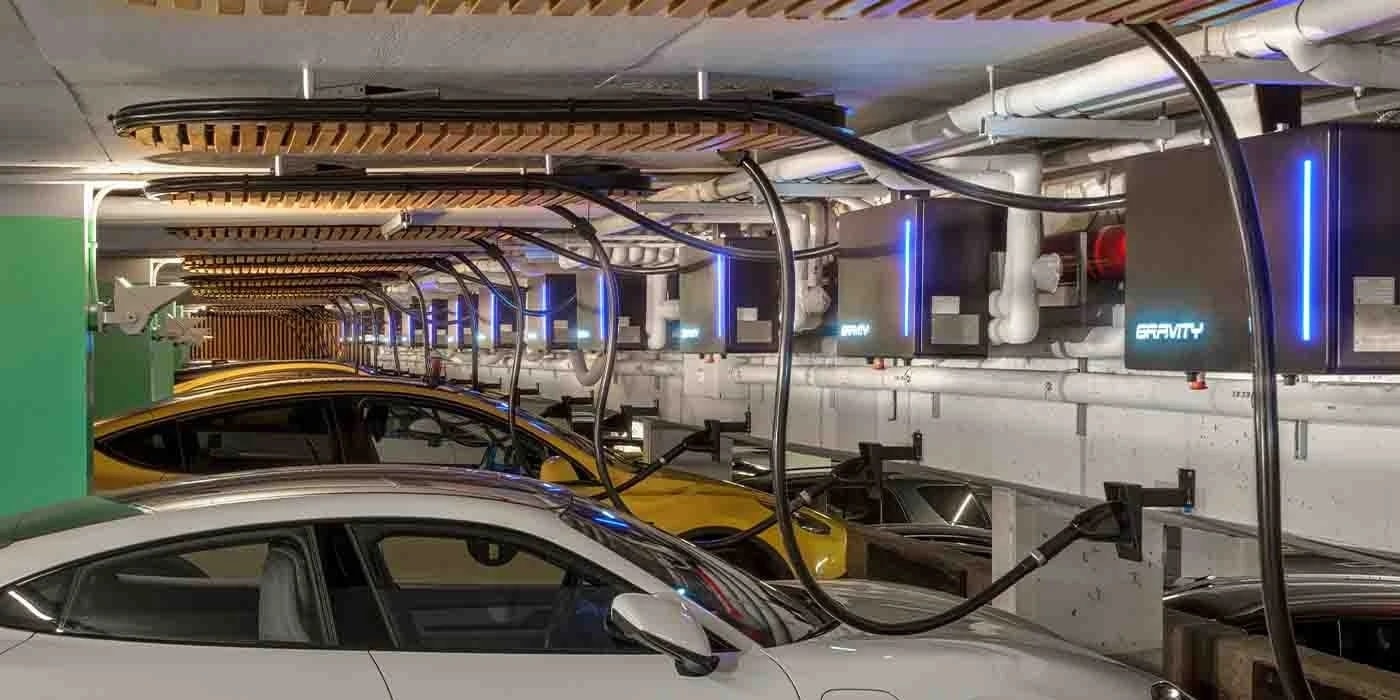
Engineering design of a 900V electric SUV
InsideEVs states that the Lucid Gravity uses a 900V electrical architecture. Regarding charging capabilities, the source indicates that the vehicle can currently charge at 400kW charging stations and has the potential to receive megawatt-level fast charging in the future. Currently, 600kW or higher charging stations are considered not truly useful for this SUV.
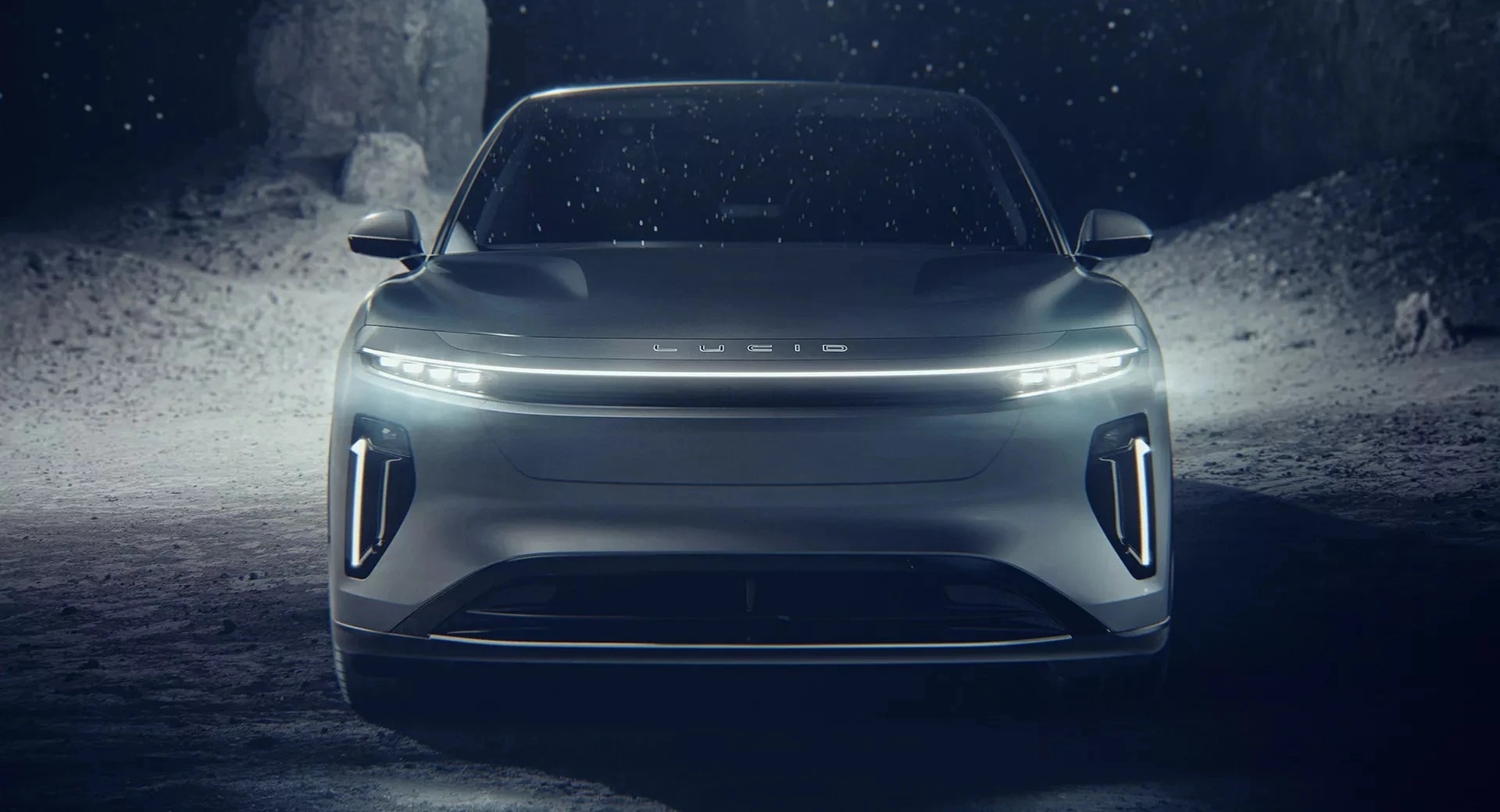
Space and experience: limited data available.
The source material does not provide detailed descriptions of the Lucid Gravity's interior, materials, or amenities. Therefore, this article focuses on the infrastructure and fast-charging technology – factors shaping the real-world electric vehicle ownership experience.
Charging performance and technical comparison
The focus of the Lucid Gravity lies in its compatibility with high-power charging stations. InsideEVs states that the Lucid Gravity can charge at existing 400 kW stations, and thanks to its 900 V platform, it has the potential to receive MW charging similar to some Chinese electric vehicle models. However, practical effectiveness depends on both the infrastructure and the vehicle's charging capacity.
Conversely, most electric cars in the US and Europe still use a 400V architecture, which cannot accept charging above 250 kW. Tesla and Volvo EX90 are typical examples of this 400V group. For vehicles using Hyundai and Kia's E-GMP technology, the manufacturers recommend using a 350 kW charger to achieve the advertised 800V/300A condition, even though the actual power the vehicle receives does not exceed approximately 240 kW.
Regarding fast-charging competitors: the source states that Lucid Gravity already charges at a 400 kW terminal; next year, the BMW iX3 and Porsche Cayenne EV are expected to fast-charge at a similar power, while the Porsche Macan EV and BMW iX belong to the 800 kW group.
| Model/Group | Electrical architecture | Charging capacity (based on power source) | Note |
|---|---|---|---|
| Lucid Gravity | 900 V | 400 kW currently; potential MW | Towers with a capacity of ≥600 kW are not yet truly useful. |
| Porsche Macan EV | 800 V | Not specified | Belongs to the 800 V group. |
| BMW iX (coming soon) | 800 V | Not specified | Belongs to the 800 V group. |
| BMW iX3 (coming next year) | Not specified | Approximately 400 kW (equivalent) | According to the description, it is "equivalent" to 400 kW. |
| Porsche Cayenne EV (coming next year) | Not specified | Approximately 400 kW (equivalent) | According to the description, it is "equivalent" to 400 kW. |
| Tesla, Volvo EX90 | 400 V | Maximum 250 kW | Limited by 400V architecture |
| Hyundai/Kia E-GMP Group | 800 V | Recommended charging voltage: 350 kW; vehicle receiving voltage: ≤240 kW | To maintain 800 V/300 A |
Safety and technology: the charging infrastructure landscape.
The source doesn't mention Lucid Gravity's safety rating or ADAS package. Regarding infrastructure, Europe currently has high-power 420 kW towers and several 600 kW towers are expected this year and next. In the US, Gravity already operates 500 kW towers; ChargePoint will deploy 600 kW from next year. However, InsideEVs assesses that demand for 600 kW or MW towers is currently quite limited, as most vehicles are not yet able to absorb that power.
Price and positioning: competing on charging speed.
The source did not provide information on pricing. In terms of technological positioning, Lucid Gravity directly competes in fast charging capabilities with upcoming models such as the BMW iX3 and Porsche Cayenne EV, while also setting itself apart from the majority of 400V vehicles (limited to 250 kW). With US and European infrastructure shifting to 500–600 kW, Gravity's advantage is early, but its actual benefits depend on the compatibility of the entire ecosystem.
Conclusion: How fast is fast enough?
Lucid Gravity demonstrates a clear approach: building on a 900V foundation to prepare for the era of ultra-fast charging. Currently, charging at 400kW stations is a significant technical advantage. However, as InsideEVs notes, with most vehicles in the US and Europe not yet exceeding 350kW, 500–600kW or MW stations are still more of a "pre-emptive" measure than an immediate solution.
Advantages: 900V platform, already compatible with 400kW, potential to reach MW when infrastructure and vehicles are synchronized. Disadvantages: The benefits of 600kW+ towers are not yet clear; lack of publicly available information on interior, safety, and pricing for a comprehensive assessment.


