
"Fleeting" or abandoning deposits after land auctions - the dark side of land price surges in Nghe An.
Recently, in many localities in Nghe An province, there have been instances of investors and real estate brokers abandoning their deposits after winning land use rights auctions. This phenomenon is quite common in areas experiencing land price surges driven by investment sentiment.
"Flip the deposit," abandoning deposits en masse.
Based on observations in many localities in Nghe An, most cases of forfeited deposits are associated with land plots that experienced short-term price surges. The common thread in these surges is that they were triggered by unverified planning information, or even just proposals, while land prices at auctions were pushed far beyond their actual value.
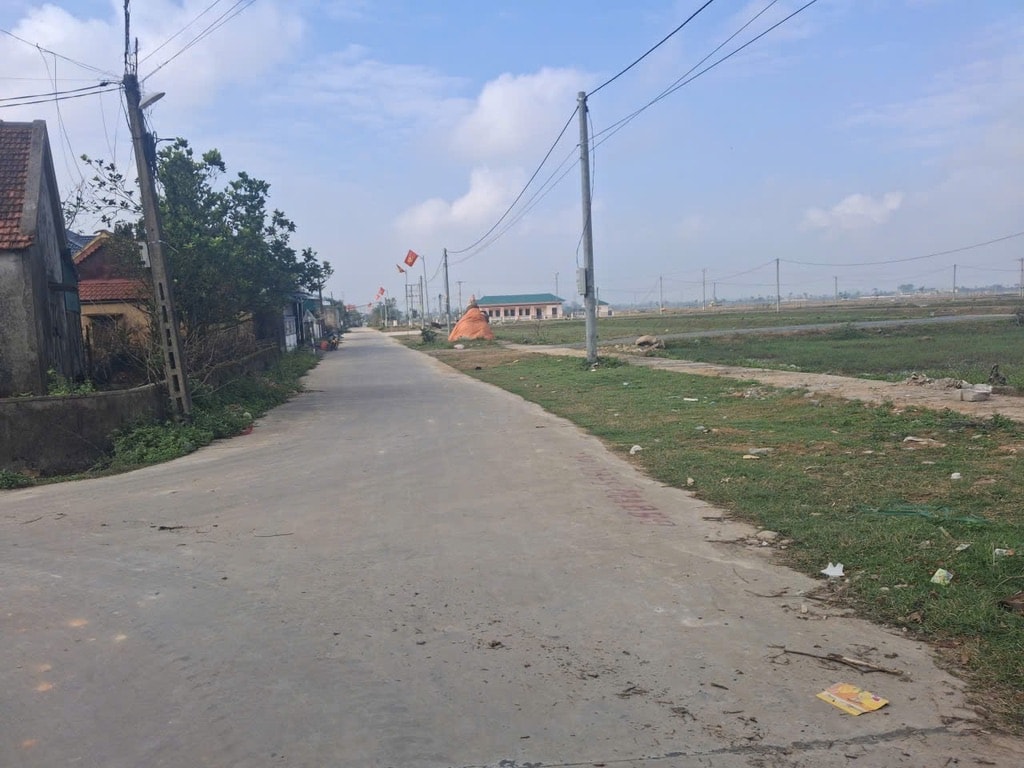
When information about the development plan spread, people quickly flocked to areas considered to be "on the rise," creating a bustling "buying and selling" atmosphere for a short period. However, when the market cooled down, infrastructure hadn't yet developed, liquidity decreased, and speculative capital immediately withdrew, leaving behind numerous abandoned land plots and many negative consequences for local authorities.
One prime example is the Ru Cup - Nam Linh auctioned land area in Dai Hue commune. About a month ago, after information emerged about a proposed industrial park construction in the area, this region quickly became a focal point for land speculation.
Here, the primary form of transaction is not a complete purchase and sale, but rather "short-term trading." Mr. Ho Viet Dinh, residing in Dai Hue commune, stated that he won the auction for two plots of land in the Ru Cup area. Plot number 18, with an area of 252 m², had a starting price of 882 million VND and he won the auction with a bid of over 2.389 billion VND. After winning the auction, Mr. Dinh transferred the deposit money, and this plot has now been subject to two short-term trading transactions, with the total transaction value exceeding 3.4 billion VND.
As for the remaining plot of land, it is corner plot number 19, with an area of 248 m².2The plot of land had a starting price of 868 million VND and was successfully auctioned for 2.528 billion VND. According to Mr. Dinh, a few weeks ago, when the market was booming, he received offers for this plot at very high prices, but he did not sell. However, currently, despite being offered for sale at around 3.1 billion VND, the plot has yet to find a buyer.
Mr. Tran Van T, a real estate broker operating in Thanh Vinh ward, said: "Most transactions involving plots of land that were won by previous owners in auctions are just deposit sales, based on information about the planning."
According to Mr. T, during the boom period of the market, the deposit for each plot of land ranged from 100 to 200 million VND, with a deposit holding period of 10 months. Up to 20 days. Many brokers and small-scale investors rushed to put down money hoping to resell quickly to profit from a difference of several hundred million dong, or even billion dong, despite the fact that land prices had been pushed up far beyond their real value.
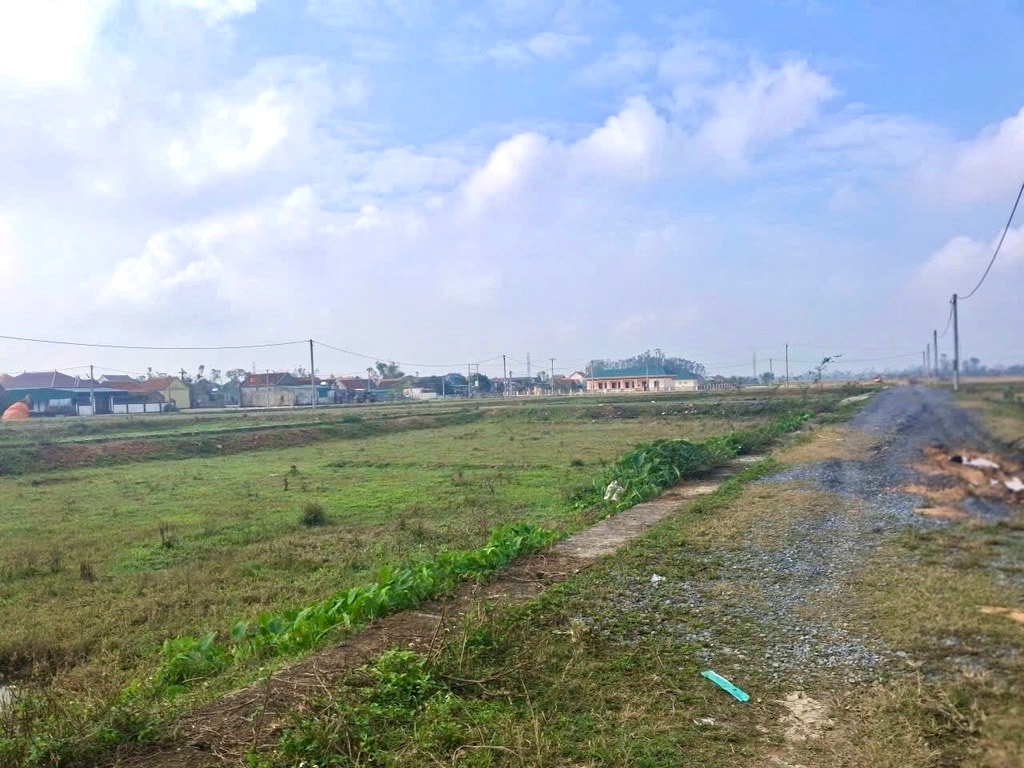
Ms. Le Thi H, a real estate agent in Dien Chau commune, shared: "During the price surge, I bought a plot of land here, with a price difference of about 700 million VND. But if I kept it, my capital would be tied up, and I wouldn't be able to manage my cash flow, so I had to accept losing my deposit and move to another area."
According to Mr. Nguyen Thuc Quang, Head of the Economic Department of Dai Hue Commune People's Committee, the Ru Cup - Nam Linh auctioned land area is one of the typical hotspots in recent times. The land is located in the middle of a wide field, with underdeveloped infrastructure. The entire area comprises 56 residential plots, each ranging in size from 248 to 309 m². In early December 2025, the local authorities held an auction for land use rights in this area, resulting in 55 successful bids, with starting prices ranging from 800 million to 1.7 billion VND per plot. However, to date, most of the auctioned plots have not yet been granted land use right certificates. Meanwhile, transactions mainly involve short-term speculation and resale between investors.
Consequences and challenges of tightening auction procedures.
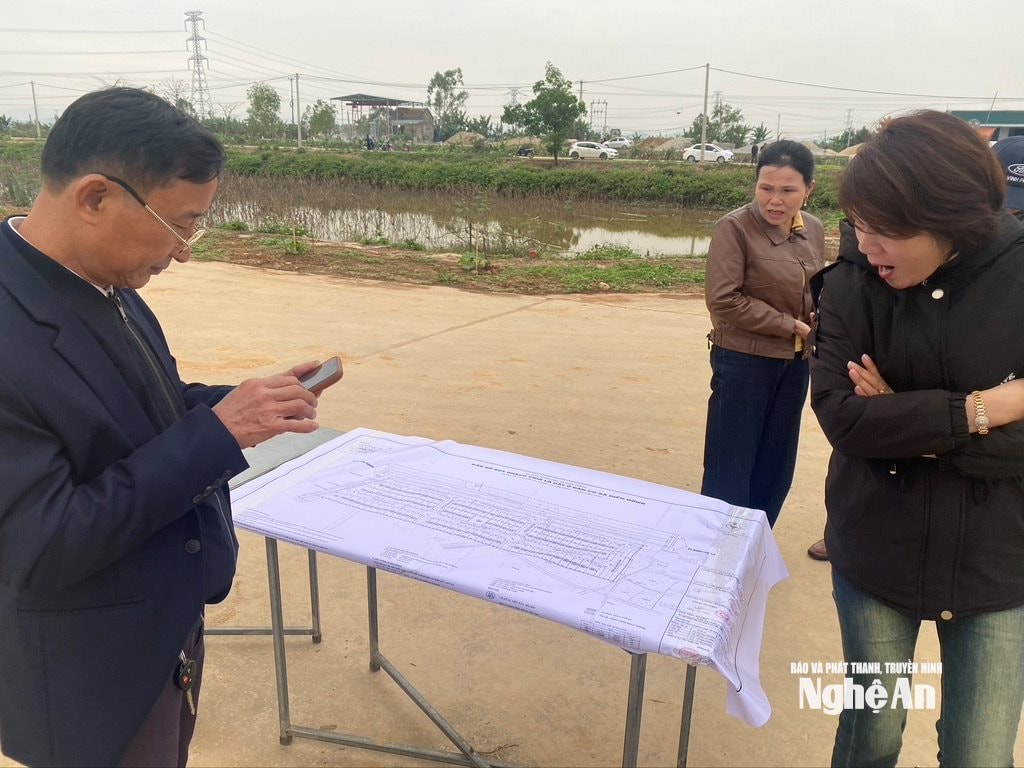
Notably, the phenomenon of buyers abandoning their deposits after land auctions is not only occurring in Dai Hue commune but has also spread to many other localities in Nghe An province. In An Chau commune, in early August 2025, the People's Committee of the commune organized an auction of 21 land plots in Tan Phuc hamlet. However, the results showed that as many as 17 plots had their deposits abandoned, with only 4 plots having actual buyers completing the transaction.
Ms. Tran Thi T, a resident of An Chau commune, said that among the cases of forfeited deposits, there were quite a few investors who participated with the purpose of speculation, driving up prices and then withdrawing when they could not resell. "Local people like us who have a genuine need for housing cannot afford to buy because the prices have been pushed up too high," Ms. T said.
According to reports, at this auction, the starting price was around 2 billion VND per lot, but during the bidding process, many investors pushed the price up to over 4 billion VND per lot. Each lot required a deposit of 300 million VND, but after winning the auction, many buyers forfeited their deposits because the prices were too high to sell to anyone.
Mr. Nguyen Cong Truong, Head of the Economic Department of the An Chau Commune People's Committee, frankly acknowledged that the abandonment of deposits not only wastes resources and disrupts the local land use plan, but also forces the government to spend more time and money reorganizing the auction. "Without a fundamental solution, speculation and price manipulation will continue to recur," he stated.
Tighten management, increase deposit amount.
According to experts, the underlying reason for the abandonment of land bids is that the real estate market in these areas is concentrated with small investors with limited investment capacity who follow the crowd mentality. In this context, investors participating in auctions with short-term goals find themselves in a passive position when they cannot resell as expected.
The consequences of forfeiting deposits also create difficulties for people with genuine housing needs, putting significant pressure on state land management, especially in land acquisition and site clearance.
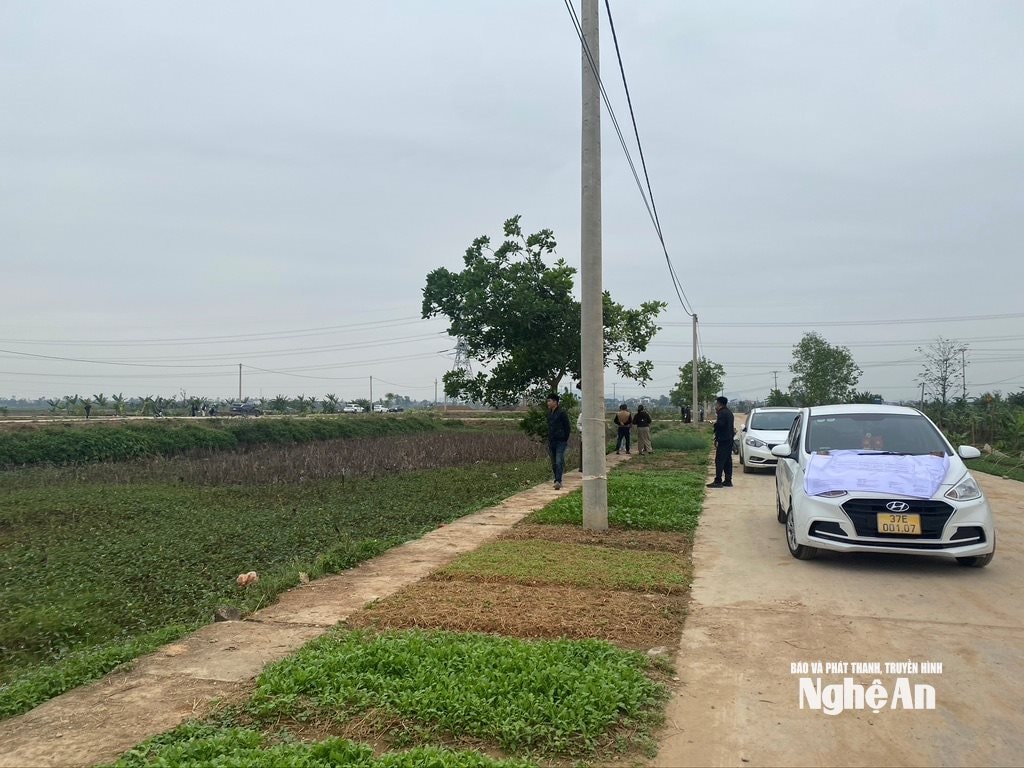
Mr. Nguyen Quoc Khanh, Chairman of the Nghe An Provincial Real Estate Association, stated that there are currently two common groups of people abandoning their deposits: Firstly, investors who bid on many plots but cannot sell them; and secondly, people who need land for housing but bid too high during the auction process, finding the price beyond their financial means when compared to market rates, and therefore accepting to forfeit their deposits. According to Mr. Khanh, to mitigate this situation, it is necessary to increase the deposit amount to 30-50% of the land plot value, shorten the time required to pay the full amount for the winning bid, and consider limiting the number of land plots an individual can bid on within the same planned area, preventing one person from participating in auctions to buy dozens of plots and then speculating by driving up prices before reselling.
In addition, localities need to strengthen the review and supervision of land use right auctions, ensuring compliance with legal regulations, transparency, and openness; promptly detect and strictly handle acts of exploiting auctions for personal gain or disrupting the market, in order to bring land auction activities back to their intended purpose of serving socio-economic development and the real housing needs of the people.
The government has just issued Resolution No. 66.11/2026/NQ-CP dated January 6, 2026, stipulating the handling of difficulties and obstacles in the auction of land use rights when allocating residential land under the Land Law. The resolution is expected to tighten discipline, limit profiteering and violations, including the abandonment of land auction deposits.
According to the Resolution, one of the key mechanisms introduced is the adjustment of the deposit amount for auctioning land use rights for residential land allocation to individuals. Specifically, the deposit amount is stipulated to be a minimum of 10% and a maximum of 50% of the starting price of the land plot being auctioned. This regulation is higher than the current Law on Auctioning Assets, which only requires a deposit of 5-20%. Raising the deposit amount for land use rights auctions is a solution to prevent the practice of bidding high prices for profit and then abandoning the deposit.
In addition, the Resolution also adds strict penalties for failing to fulfill financial obligations after winning an auction. Accordingly, those who win the auction but fail to pay, resulting in the cancellation of the results, will be banned from participating in auctions for a period of 2 to 5 years. Those who fail to pay the full winning bid amount will be banned from participating in auctions for a period of 6 months to 3 years. The competent authority will issue this ban within 10 days after the auction results are canceled.


