
Why shouldn't iPhone 17 users use screen protectors?
The iPhone 17 is equipped with Apple's Ceramic Shield 2 glass, a first for the iPhone line, which offers anti-glare capabilities and makes the screen easier to see in bright light. However, a new study indicates that most common screen protectors can render this feature ineffective.
Apple upgraded the protective glass on the iPhone 17 series with Ceramic Shield 2, which is three times harder and more scratch-resistant than the previous generation. Although more durable, this glass is still susceptible to breakage from strong impacts, so many users still choose to apply a tempered glass screen protector to avoid the risk of breakage if dropped.
However, a new finding from the US technology company Astropad shows that most ordinary screen protectors can harm the iPhone 17 in an unexpected way: they negate the anti-glare coating, which is the most valuable upgrade on the new generation of screens.
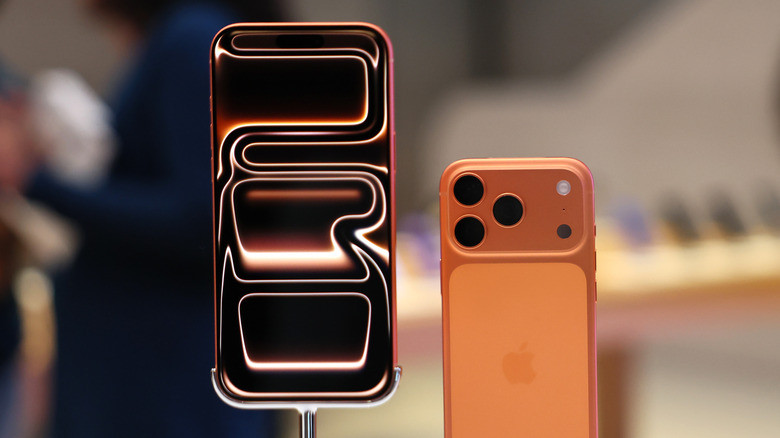
Accordingly, Astropad, a company that manufactures anti-glare screen protectors, conducted a direct test to see how the anti-glare coating on the iPhone 17 performed when a tempered glass screen protector was added. The results showed that simply applying a regular glass protector almost completely neutralized the anti-glare effect.
The reason is that Ceramic Shield 2 is designed to work in the outside air environment. When another layer of glass is applied on top, this condition is broken, preventing light waves from canceling each other out as required by the anti-glare principle.
As a result, the iPhone 17 screen becomes more reflective, even worse than the iPhone 16 Pro under the same usage conditions.
Why is an anti-glare coating important?
The iPhone 17 is the first generation of Apple devices to incorporate anti-glare technology directly into the screen's protective glass. This is a major upgrade for users, especially when using the phone outdoors or in brightly lit environments. The anti-glare coating helps display images more clearly, reduces glare, and minimizes eye strain during prolonged viewing.
Astropad explains that the anti-glare coating is made up of multiple ultra-thin layers of material, each with different optical properties. When light reflects through these layers, the light waves are "canceled" to reduce reflection. But this only works when the surrounding environment is air, not another material.
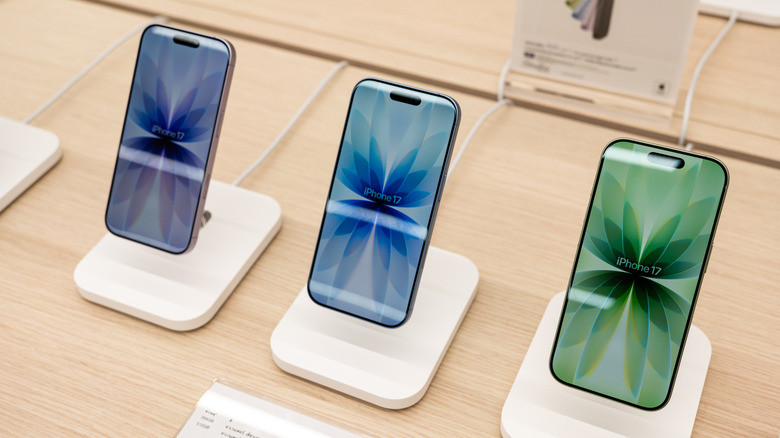
Astropad uses a specialized light meter to test the amount of light reflected from the screen under various conditions. The results show a significant difference between different types of screen protectors.
Accordingly, the original iPhone 17 only reflects about 2.0-2.1% of light, significantly lower than the 3.8% on the iPhone 16 Pro. However, when a regular tempered glass screen protector is applied, the iPhone 17's reflectivity skyrockets to 4.6%, making the screen even more prone to glare than its predecessor.
Conversely, when using the specialized Fresh Coat anti-glare film developed by Astropad, the reflection level is reduced to just 1%, providing the best visibility in bright sunlight.
At first glance, a difference of a few percent may seem small, but in bright sunlight, this difference is easily noticeable: the screen is glare-prone, difficult to see, and causes eye strain during prolonged use.
So what should users do to get the most out of the iPhone 17's display capabilities?
First and foremost, choosing the right screen protector is crucial. Ordinary tempered glass screen protectors, which are common and inexpensive, are the worst choice because they almost completely negate the anti-glare coating that Apple integrated into Ceramic Shield 2.
If you still want to protect your screen from scratches, prioritize screen protectors with compatible anti-glare coatings, designed to work seamlessly with the new technology. This is the only way to maintain anti-glare properties while also getting extra protection.
For those who prioritize display experience and trust the durability of Ceramic Shield 2, not applying a screen protector is also a reasonable option, as you will then fully enjoy the display quality that Apple has optimized for the iPhone 17.


