
Why bell peppers are被称为 'a miracle food'
Bell peppers can be eaten raw or cooked, making them an incredibly versatile food and a valuable addition to a balanced diet.
In addition, bell peppers(scientific name isCapsicum annum L.It also contains many vitamins, minerals, and antioxidants that offer numerous health benefits throughout the body.
Supports eye health
Bell peppers are an excellent source of lutein and zeaxanthin, carotenoids that benefit eye health through various mechanisms. Lutein and zeaxanthin are key components of the macular pigment of the eye.
Studies have shown that daily lutein supplementation can increase photochromic density in the macula and improve visual function in patients with early signs of age-related macular degeneration.
Studies have also shown that consuming more lutein, zeaxanthin, and other carotenoids may help reduce the long-term risk of age-related macular degeneration.
Overall, a diet rich in lutein and zeaxanthin is a preventative strategy to reduce the occurrence of age-related macular degeneration. Several fruits and vegetables contain these carotenoids, but bell peppers are particularly high in them.
Helps prevent anemia
Today, anemia is a common diagnosis. The World Health Organization (WHO) estimates that half of the 1.62 billion cases of anemia worldwide are due to iron deficiency.
Iron is an essential component of hemoglobin, which helps transport oxygen from the lungs to the body's tissues. Bell peppers contain an impressive amount of iron and are also rich in vitamin C, making them an excellent food for preventing iron-deficiency anemia.
A large red bell pepper contains 0.705 milligrams of iron, approximately 4% of the recommended daily intake for adult women and 9% for adult men.
Fresh bell peppers are an excellent food for people at risk of anemia, including young children, women of reproductive age, and pregnant women.
Antioxidant support

Bell peppers are packed with antioxidants, including vitamins A and C, beta-carotene, and other acidic and neutral phenolic compounds. Together, these powerful components help protect the body against oxidative cell damage.
The antioxidants in bell peppers help prevent certain inflammatory conditions, such as some cancers, cardiovascular disease, and neurological disorders.
Interestingly, research shows that yellow bell peppers have the highest antioxidant activity of all varieties. However, any color of bell pepper is a great addition to a diet aimed at fighting free radicals and reducing oxidative stress.
Reduce arthritis inflammation.
Bell peppers contain impressive compounds, such as vitamin C and beta-cryptoxanthin, which are linked to various anti-inflammatory properties. They are also rich in antioxidants, such as quercetin and luteolin.
These powerful nutrients may help reduce inflammation associated with arthritis, thereby decreasing the severity of symptoms and alleviating chronic discomfort.
Incorporating bell peppers into a balanced diet provides beneficial nutrients that support efforts to manage arthritis symptoms. However, for maximum pain relief, it's crucial to include a variety of anti-inflammatory foods and follow your doctor's medical advice.
Risks of eating bell peppers
Bell peppers are generally considered safe for the average healthy adult, but they may cause side effects in some people.
Although extremely rare, some people are allergic to bell peppers. Studies have found that people with pollen allergies may be sensitive to compounds in bell peppers due to cross-allergic reactions.
Consuming large amounts of bell peppers can also cause bloating or gas due to their high fiber content.
Pay attention to your portion sizes and discuss any potential concerns with your doctor or a nutritionist before incorporating a new food into your diet.
Tips for eating bell peppers
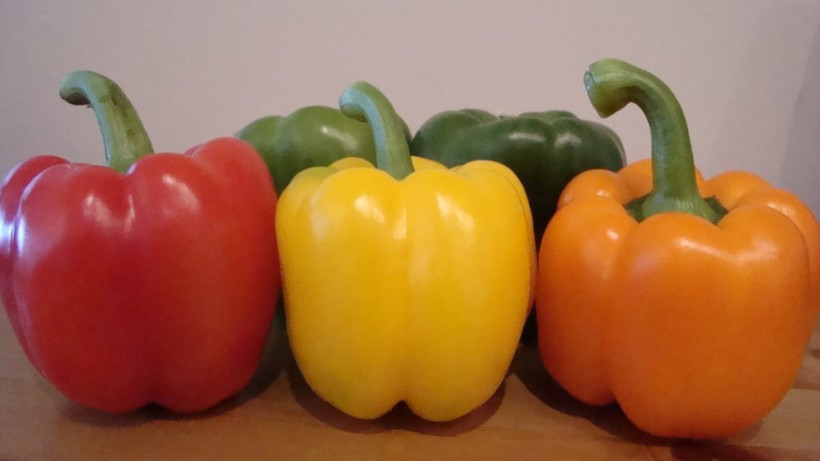
Bell peppers can be enjoyed fresh or used in a variety of recipes. Consider the following recommendations when incorporating bell peppers into a balanced diet.
To keep bell peppers fresh for as long as possible, make sure they are dry before refrigerating. Then, place them in a mesh bag or an open plastic bag and put them in the low-humidity compartment of the refrigerator.
Bell peppers are a great addition to many different dishes. To soften their texture, sauté them in a pan with low-salt seasoning.
To roast bell peppers, brush them with olive oil and place them directly on the grill. Roast them uncovered until the skin is charred and the flesh is tender. Remove the roasted bell peppers from the grill, wrap them in aluminum foil, and let them rest for about 15 minutes.
Alternatively, try baking bell peppers in the oven by cutting them in half and baking at 425 degrees Fahrenheit until the skin is wrinkled.
Stuffed bell peppers are a great dish for those who want to enjoy this vegetable with other foods, such as meat.
Bell peppers come in many different colors. Green bell peppers are bitter, while yellow, red, orange, and purple bell peppers are sweet.


