
Reasons why the U.S. Army switched to the new 6.8x51mm infantry caliber:
The U.S. military is replacing its traditional 5.56mm ammunition with the more powerful 6.8x51mm round to overcome limitations in range and armor penetration in modern battlefields.
After decades of using the NATO standard 5.56x45mm caliber, the U.S. Army has decided to switch to the new 6.8x51mm caliber. This decision stems from painful lessons learned in the battlefields of Iraq and Afghanistan, where current infantry weapons have revealed significant limitations in firepower and effective range.
Overcoming "dead zones" on the battlefield.
In Afghanistan's complex mountainous terrain, firefights often take place at distances of 600 to 800 meters. This is considered a "dead zone" for American infantry, as 5.56x45mm ammunition is no longer effective or accurate enough. Conversely, while 7.62x51mm ammunition is powerful enough, it comes with heavy machine guns, hindering mobility.
The M249 SAW, while mobile, has poor penetration power at long range due to its 5.56mm rounds. Meanwhile, the M240, using 7.62mm rounds, is too heavy for soldiers to carry on steep terrain. Even the M2 heavy machine gun, using 12.7mm rounds, is only suitable for fixed positions due to its weight of up to 38kg.
Design philosophy: Bullet first, gun second.
The distinguishing feature of the Next Generation Squad Weapon (NGSW) program is its reverse approach. Instead of designing the weapon and then selecting the ammunition, the Pentagon prioritizes defining the specifications of a new standard caliber first. The goal is to create a round with a longer range and superior armor-piercing capabilities than 5.56mm, but without exceeding the weight of 7.62mm.
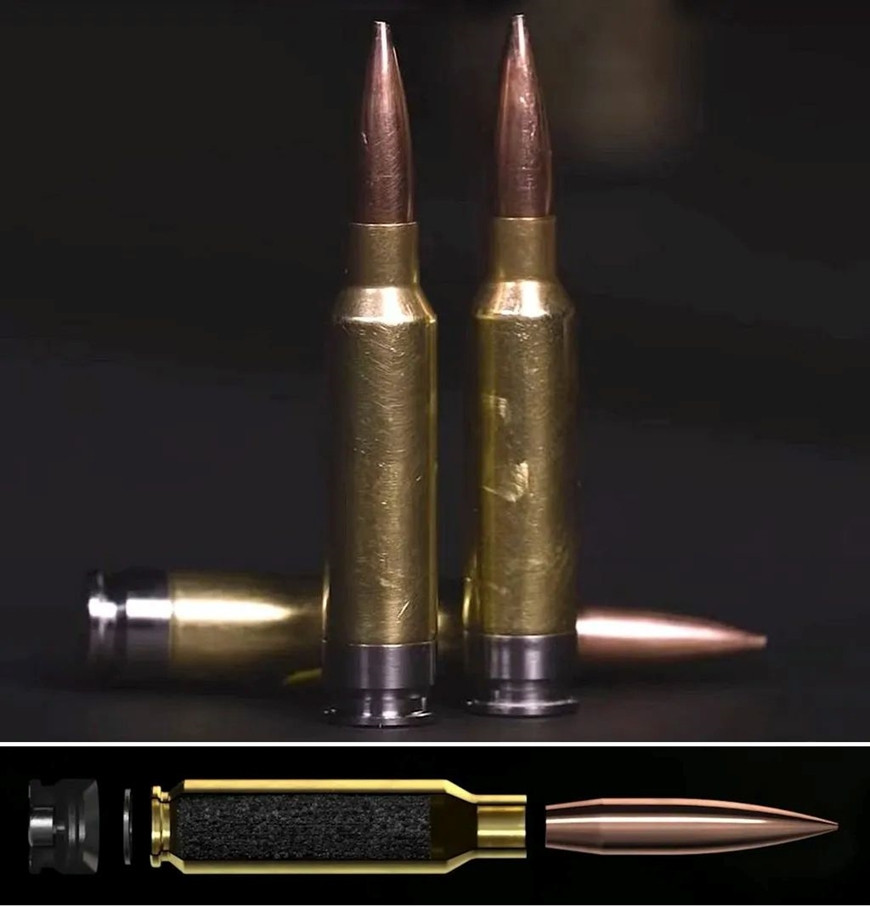
The result was the creation of the 6.8x51mm caliber ammunition developed by SIG Sauer. Its unique feature lies in its hybrid casing construction: a brass body combined with a steel-reinforced base. This design allows the bullet to withstand extremely high combustion chamber pressure, thereby increasing muzzle velocity and the ability to penetrate modern body armor, something the 5.56mm round cannot achieve.
Next-generation weapons ecosystem
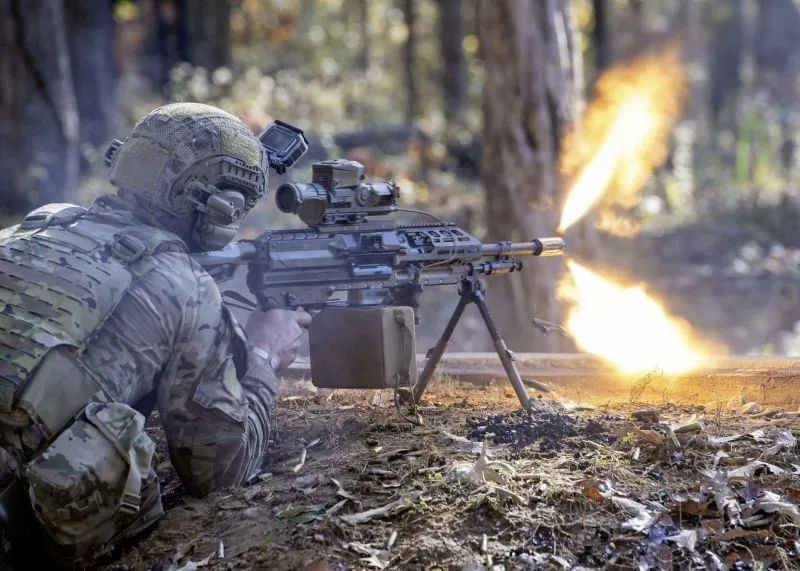
Based on the 6.8x51mm caliber, the US Army chose the XM7 rifle (replacing the M4) and the XM250 machine gun (replacing the M249). Notably, the XM250 machine gun weighs only 6.6kg, significantly lighter than the old M240, yet possesses more powerful firepower, capable of covering the entire combat area that was previously neglected.
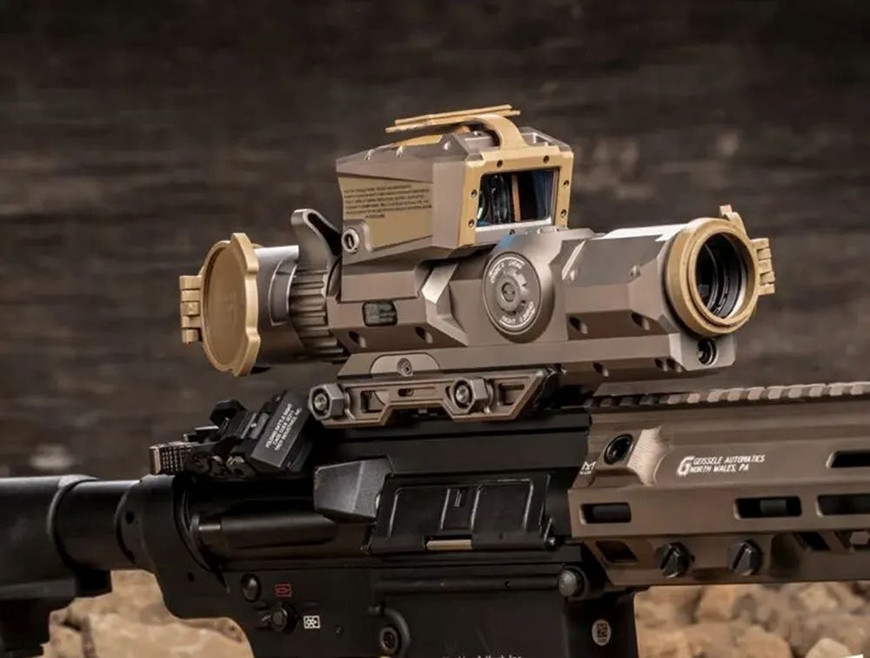
To optimize the effectiveness of the new caliber ammunition, Vortex Optics' XM157 electronic sighting system has been integrated. This is a miniature ballistic computer with an integrated laser rangefinder. Soldiers don't need to calculate complex factors; the system automatically collects distance and trajectory data to display the most accurate aiming point on the sight.
Logistics and cost challenges
Despite offering significant technical advantages, the transition to the 6.8x51mm caliber faced several hurdles. Maintaining multiple types of ammunition in parallel during the transition period would place a heavy burden on the vast U.S. logistical system. Furthermore, the heavier 6.8mm round compared to the 5.56mm reduced firepower density as soldiers could not carry the equivalent number of rounds.
Operationally, the high pressure and large caliber create more recoil, requiring soldiers to be highly trained to control the weapon in automatic mode. Finally, the cost of producing this complex hybrid cartridge remains a major unknown, requiring time to optimize the mass production process.
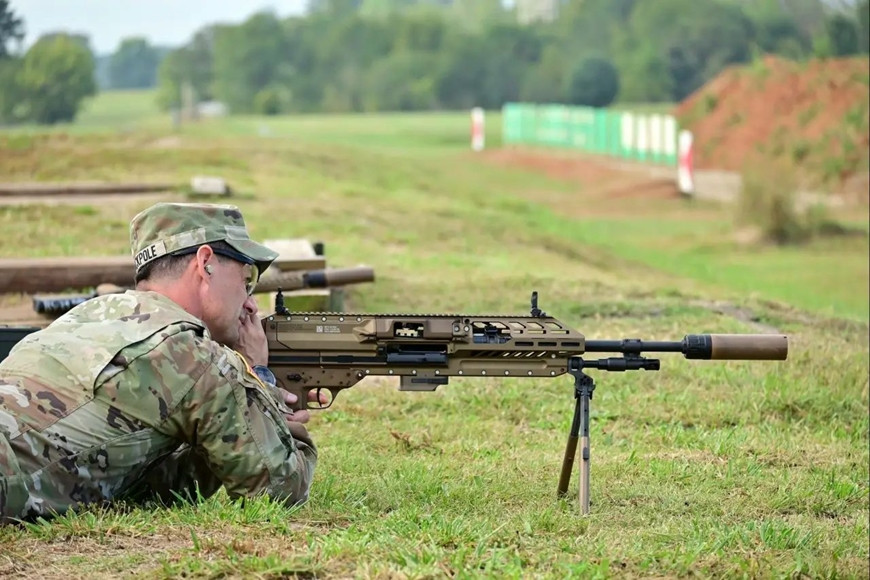
It is expected that by the end of 2025, these weapons will be officially deployed under the names M7 rifle and M250 machine gun. However, the actual effectiveness of this revolution in ammunition caliber still needs to be verified through combat rather than relying solely on test results.


