
Why Thailand chose F-16s and Gripen over heavier fighter jets?
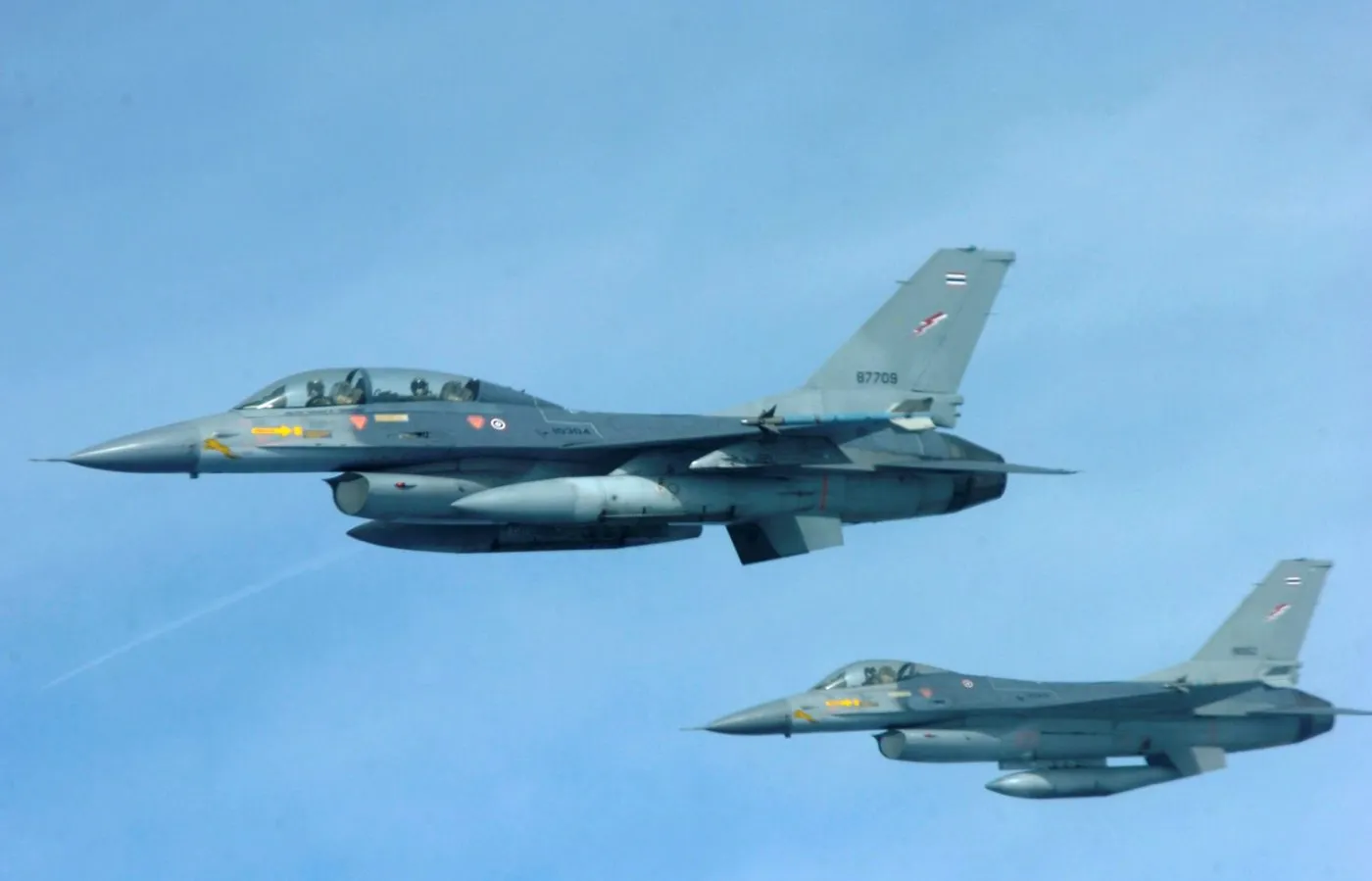
The RTAF maintains upgraded F-16s eMLU with AN/APG-68(V)9 radar, JHMCS, and AIM-120 and IRIS-T weapons as its backbone, combined with JAS-39 Gripen and Saab 340 Erieye via Link-T for network warfare.
The Royal Thai Air Force (RTAF) prioritizes cyber warfare capabilities and system synchronization over pursuing heavy fighter aircraft. The focus is on a deeply upgraded F-16 fleet, coordinated with JAS-39 Gripen and Saab 340 Erieye early warning aircraft, linked by Link-T to maintain a flexible defensive umbrella.
Overview: Network-based strategy and supply chain diversification.
The RTAF is considered a professional, well-organized force with a modern operational mindset in the region. Instead of expanding the scale of its equipment, Thailand has chosen a model of diversified supply sources and networked coordination capabilities. The backbone is the American F-16, combined with Swedish technology from the Gripen and Erieye.
Relations with the F-16 began in 1988 through the Peace Naresuan program, making Thailand the first country in Southeast Asia to operate the fourth-generation fighter jet. Currently, the RTAF maintains approximately 50 F-16s at key bases, a scale second only to Singapore in the region.
F-16: Upgraded eMLU and NATO-standard weapons.
The strength of Thailand's F-16s comes from its mid-life upgrade packages (eMLU). The aircraft are equipped with the AN/APG-68(V)9 mechanically scanned array radar and the JHMCS helmet-mounted display system, enhancing situational awareness and targeting capabilities.
In terms of firepower, the F-16 can deploy the AIM-120 AMRAAM medium-range air-to-air missile for beyond-visual-range combat and the versatile IRIS-T infrared missile for close-range engagements. This combination helps the squadron maintain effective deterrence and air defense capabilities despite its airframe being over three decades old.
JAS-39 Gripen: The centerpiece of cyber warfare.
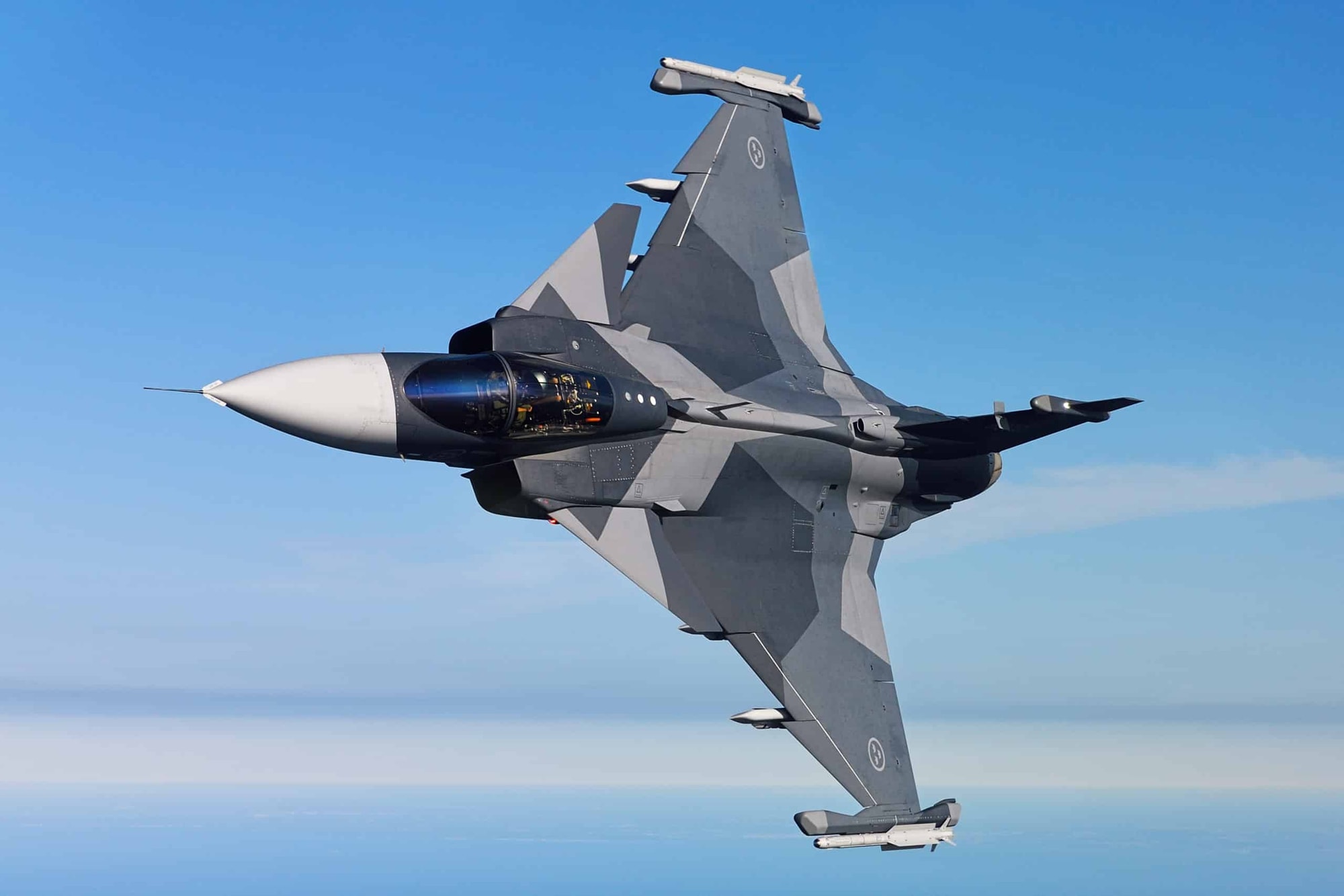
The RTAF operates 11 JAS-39 Gripen C/D aircraft in the 7th Air Wing (Surat Thani). Its strengths lie not in its size or payload, but in its network warfare capabilities and low operating costs. The Gripen works closely with the Saab 340 Erieye early warning and control aircraft to extend its reconnaissance and target designation range.
The "see first, shoot first" model is implemented by integrating Gripen with Erieye, enabling the detection and allocation of targets at long range, while enemy fighters may not have time to detect them. This is a network-centric capability that not all regional forces operate fully.
F-5 Super Tigris and T-50TH: Supporting Pieces of the Puzzle
Thailand did not decommission all F-5 E/F Tiger II aircraft but collaborated with Israel to upgrade them to the "Super Tigris" standard. These aircraft are equipped with near-fourth-generation radar and electronics systems, capable of firing long-range missiles, making them suitable for point defense roles at a low cost.
Simultaneously, the RTAF acquired T-50TH Golden Eagles from South Korea to modernize training and supplement light attack firepower. This serves as a stepping stone for young pilots to familiarize themselves with the modern combat environment before transitioning to F-16s or Gripens.
Link-T data link: The command and control backbone
The Link-T system, developed by Thailand based on Swedish technology, allows F-16s, Gripen fighter jets, and ground-based radar stations to share data in real time. This capability creates a tight "defense umbrella," accelerating the detection-decision-action loop and optimizing force utilization efficiency.
Key personnel summary
| Type | Scale/Unit | Key Roles/Competencies |
|---|---|---|
| F-16 Fighting Falcon | Approximately 50 units | Upgraded eMLU; AN/APG-68(V)9 radar; JHMCS; AIM-120, IRIS-T |
| JAS-39 Gripen C/D | 11 aircraft, 7th Air Wing (Surat Thani) | Cyber warfare; Saab 340 Erieye coordination |
| F-5 Super Tigris | An upgrade from the F-5 E/F | Fourth-generation proximity radar/electronics; long-range missile firing. |
| T-50TH Golden Eagle | Personnel for light training/attack | Transition training to F-16/Gripen |
Comparison of orientations: Networks instead of heavyweights
While some regional forces, such as Indonesia, prioritize long-range heavy fighters like the Su-30 with its payload and range advantages, Thailand optimizes command and control capabilities and data link integration. The goal is to enhance situational awareness, allocate firepower effectively, and maintain defensive flexibility.
Impact and prospects
The combination of F-16 numbers, the Gripen's lean and intelligent design, and the F-5's upgrade capabilities allows the RTAF to maintain a formidable position in Southeast Asia. The existing challenge is the aging F-16 airframe and the need to find a successor generation, but the network-based combat architecture allows Thailand to continue to leverage the effectiveness of its existing forces.


