
macOS 26.4 Tahoe: Apple upgrades security shield against non-technical attacks.
macOS 26.4 Tahoe focuses on protecting users against phishing attacks that involve manually installing malware and upgrades the FileVault key management mechanism.
Apple has just released the macOS 26.4 Tahoe update, with a primary focus on enhancing users' defenses against social engineering attacks. Instead of just patching software vulnerabilities, the new operating system adds proactive warning layers to prevent users from inadvertently executing malicious code on their devices.
Preventing phishing attempts via command line and terminal
Security experts have observed a shift in attack trends from technical to non-technical methods. Attackers often build trust, tricking victims into pasting suspicious code into the terminal or installing scripts to bypass default defenses. Targets are typically inexperienced users, older adults, or those with limited tech knowledge.
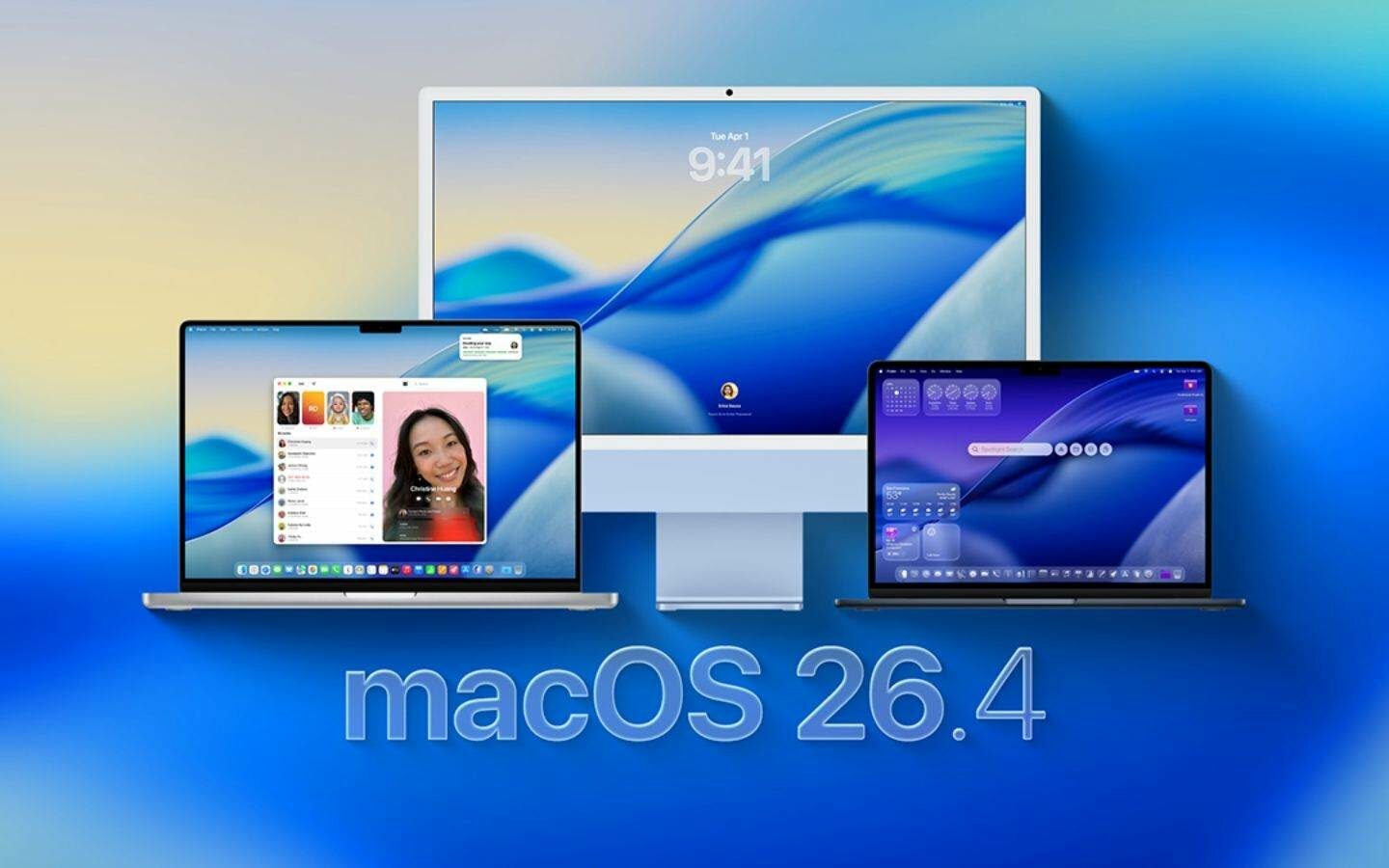
To combat this, macOS 26.4 will display a warning whenever it detects the attempt to paste command lines into Terminal. Simultaneously, the XProtect tool has been upgraded to automatically block malicious command files. However, to avoid inconvenience for developers, Apple allows these warnings to be hidden for those who have installed the Xcode suite or on newly set up Macs within the first 24 hours.
Absolute security of FileVault recovery key
Another notable improvement in macOS 26.4 Tahoe is the relocation of the FileVault recovery key to the Passwords app. With end-to-end encryption, the recovery key is now entirely under the user's control. This means that even Apple cannot access or leak this information, significantly enhancing the privacy and security of stored data.
Security advantages from the Apple Silicon hardware ecosystem
Unlike Windows systems, which rely on coordination between multiple chip and software vendors, Macs maintain an advantage through their comprehensive control over both hardware and software. Every Mac running Apple Silicon chips incorporates Secure Enclave – a separate security coprocessor that protects biometric data and encryption keys directly on the device without needing to upload them to a server.
In addition, Apple continues to maintain its Memory Integrity Enforcement (MIE) and Enhanced Memory Tagging Extension (EMTE) mechanisms. These technologies help detect and prevent buffer overflow errors and memory vulnerability exploitation attacks. This method is particularly effective in combating dangerous spyware like Pegasus by closely monitoring memory areas in a constantly active mode.


