
Lili Screen: Light modulation technology to assist people with dyslexia.
Lili Screen is a 27-inch QHD display that uses pulsed backlighting to reduce visual noise, making it easier and more effective for people with dyslexia to access text.
At its global technology event, Lili for Life officially introduced Lili Screen, a specialized computer monitor designed to improve readability for people with dyslexia. This device utilizes advanced light modulation technology to overcome the visual barriers users often encounter when viewing text on traditional screens.
Lili Screen's mechanism to assist people with dyslexia.
Dyslexia is often accompanied by visual interference, where letters may overlap or appear as reflections, making it difficult to recognize the characters. Lili Screen addresses this problem through its proprietary pulsing backlight system. This technology adjusts how images are displayed, thereby minimizing interference and helping the brain process visual information more coherently.
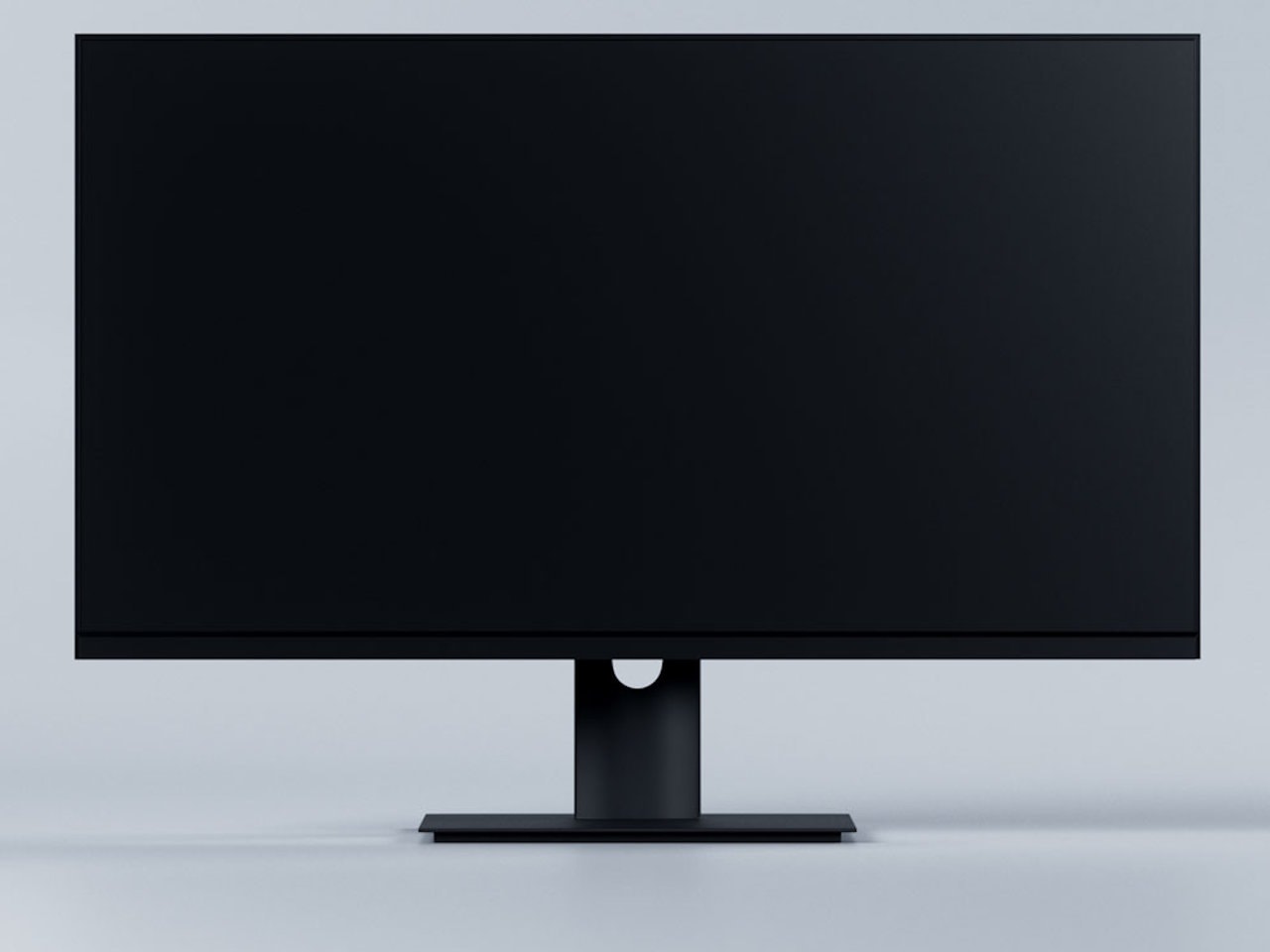
Specifications and display capabilities
In addition to its specialized features, Lili Screen still meets the standards of a modern work monitor. The device boasts a 27-inch screen with a resolution of 2560 x 1440 pixels (QHD), providing high detail and ample workspace. The combination of sharp resolution and light modulation technology optimizes the reading experience for users during extended periods without causing eye strain.
| Parameter | Detail |
|---|---|
| Size | 27 inches |
| Resolution | 2,560 x 1,440 pixels |
| Key technology | Light modulation |
| Target | Support for people with dyslexia |
The importance of visual assist technology
The introduction of Lili Screen marks a significant step forward in applying biotech and health science to computer peripherals. Instead of focusing solely on refresh rate or color accuracy like conventional monitors, Lili for Life focuses on personalizing the experience for users with special needs, helping them better integrate into the digital learning and working environment.
The product is expected to attract significant attention at technology exhibitions such as CES 2026, where health and education support solutions are becoming mainstream. Integrating light pulses into the display panel is not only a technical innovation but also demonstrates how technology can overcome biological barriers for humans.


