
Man United drew 1-1 with West Ham, major problems emerged at the end of the match.
Diogo Dalot opened the scoring, but Man United dropped two points when Soungoutou Magassa equalized in the 83rd minute; their chances of climbing to fifth place crumbled, revealing problems with fitness, depth, and game management.
In the 83rd minute, Soungoutou Magassa equalized 1-1, dashing Manchester United's hopes of climbing to fifth place. They had taken the lead through Diogo Dalot, but once again squandered their advantage at the crucial moment. The draw with West Ham exposed three weaknesses: late game composure, fitness, and squad depth.
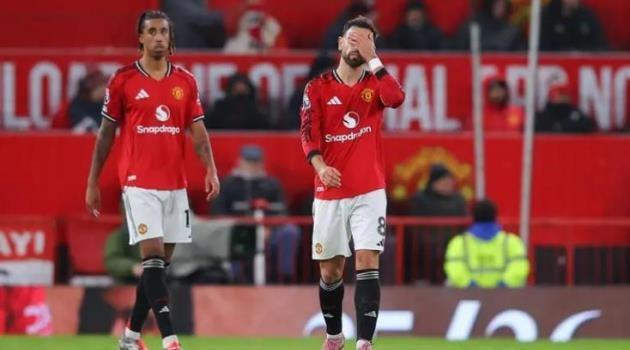
The decisive moment: the 83rd minute
United did enough to unlock the deadlock, only to let West Ham get back on top. Magassa's equalizer in the 83rd minute was a consequence of United failing to close out when needed. From the lead, they lost focus – a problem that has recurred many times this season, exactly as the match demonstrated.
United lost their rhythm after the opening goal.
For much of the game, United were the better team, dominating attack and creating numerous chances. Dalot opened the scoring, putting them in a favorable position. But instead of increasing the pressure to finish the job, United let the game go and gave West Ham – who were struggling – space to fight back. A lack of sharpness in final decisions and the inability to control the tempo after taking the lead were clear drawbacks.
The challenge of physical fitness and endurance.
Despite playing only one game a week, United showed signs of fatigue early in the season. Key players like Bruno Fernandes and Casemiro couldn't maintain consistent intensity for the full 90 minutes. When the pace slowed, they lacked the stamina to control the game, creating space for opponents to create opportunities.
This issue wasn't just about physical fitness, but also about managing energy levels at the right moment. When a fragile advantage needed to be preserved, United lacked the stamina to maintain focus and tactical discipline until the end of the match – something highlighted by the 83rd-minute equalizer.
Squad depth and substitutions haven't been effective.
The disparity between the starting lineup and the substitutes was evident. As the game unfolded, the substitutions didn't make a significant enough difference to maintain the tempo and break down West Ham's resistance. Patrick Dorgu and Manuel Ugarte haven't shown good form this season when given the chance, leaving United lacking solid support from the bench.
This presents a strategic personnel challenge for coach Ruben Amorim: he must maintain the quality of his starting lineup while also having reliable reserves to hold the game in the decisive stages. Without sufficient depth, any attempts to control the game in the final moments become precarious.
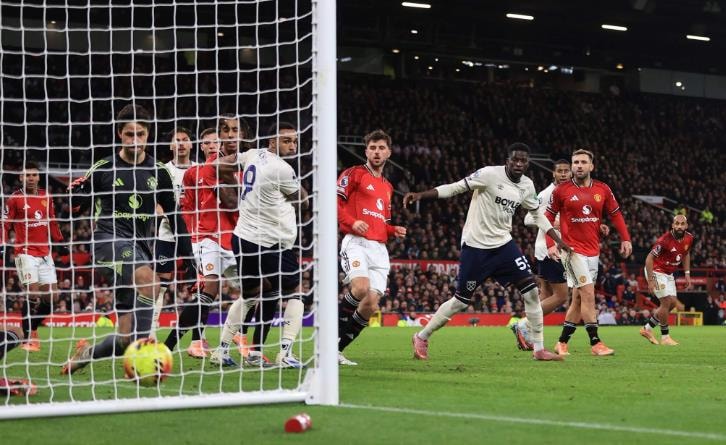
Match management: small details, big costs.
United lacked decisiveness after taking the lead: either continue to push forward to extend their advantage, or slow down and better cover sensitive areas. Instead, they were in limbo, allowing the game to slip out of control and open the door for West Ham to come back. When errors increase towards the end of the match, just one careless mistake can change the outcome – and the 83rd-minute goal was proof of that.
Impact and areas for improvement
This was an opportunity for United to climb to fifth place in the Premier League table. That scenario didn't happen. Furthermore, the race for the top four demands far greater consistency than what they showed in this game. Issues with fitness, depth, and game management need immediate solutions, especially with a packed schedule expected in the coming weeks.
The message was clear: if United don't improve their ability to maintain their lead, they will continue to drop crucial points. Ruben Amorim conveyed a sense of urgency, but the team lacked the necessary decisiveness, and the substitutions didn't have the desired impact. From a game that could have provided momentum, United left with only one point and many unanswered questions.


