
Man Utd are considering selling Kobbie Mainoo: a painful decision.
From a symbol of hope to the risk of being sold, Kobbie Mainoo found himself out of sync within Ruben Amorim's system, caught between financial pressures and the lessons of Scott McTominay.
Manchester United are considering an option nobody would have thought possible a year ago: selling Kobbie Mainoo. From the photo of the three young talents sitting on the billboard at Old Trafford after the 3-0 win against West Ham to the moment he scored in the FA Cup final against Man City and played in the EUROs, Mainoo was once a symbol of the future. Now, he is at the center of a painful and complex decision, caught between new tactical demands and financial considerations.
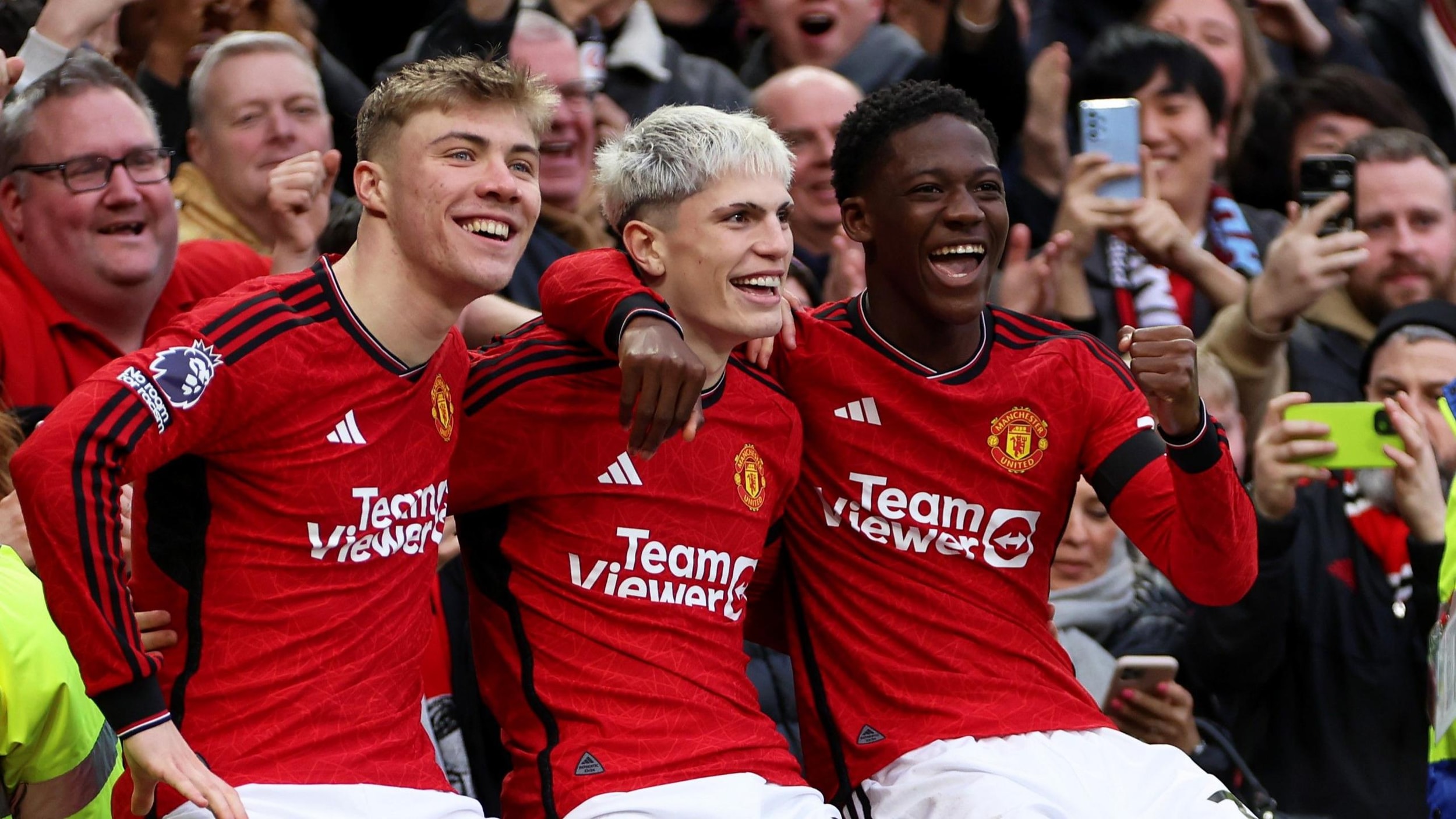
An iconic moment and a long slide.
The photo of Rasmus Hojlund, Alejandro Garnacho, and Kobbie Mainoo sitting on a billboard at Old Trafford was once seen as the start of a new era. Mainoo subsequently burst onto the scene at Wembley, scoring against Manchester City in the FA Cup final and earning a place in the England squad for the EUROs. But from being a "priceless gem" of the academy, he now struggles to secure a starting place, even amidst Manchester United's midfield crisis.
The decline came quickly and coldly. Even in his appearances from the bench, such as in the 0-1 defeat against Everton, Mainoo failed to make a positive impact. This hesitation put him in a difficult position: not having enough presence on the pitch to save himself, but each time he came on, he became even more insignificant in the new tactical setup.
Tactical deadlock under Ruben Amorim
Under manager Ruben Amorim, changes in structure and tactical discipline made Mainoo a victim. He lacked the defensive discipline to play as a defensive midfielder, while Bruno Fernandes was simply irreplaceable in a more advanced role. The consequence: Mainoo was lost within the very system of the team he grew up in.
In teams that operate on clear principles, players must "fit" their roles perfectly. Currently, Mainoo doesn't fit at either end: he's neither a defensive anchor nor an attacking playmaker. When the tactical hurdles are closed, individual talent has little room to shine.
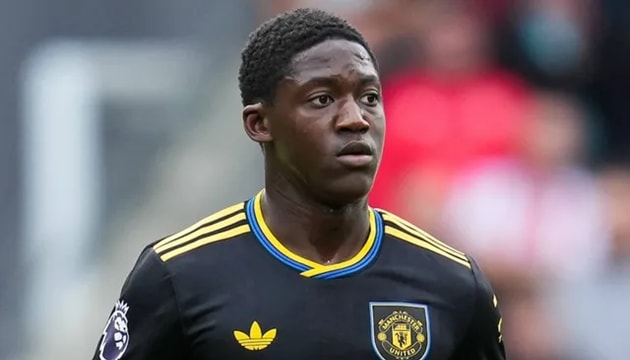
Financial pressure and transfer logic
Manchester United's leadership has openly stated its intention to overhaul the midfield. Targets such as Adam Wharton, Elliot Anderson, and Carlos Baleba are on their radar, along with "record fees." To open their wallets for these signings, they are forced to sell players, and in the current market, Mainoo – an academy product – has become an attractive option.
Under current financial regulations, transfer fees for homegrown players are accounted for as "net profit." From the balance sheet, that's a significant boost. Mainoo's contract runs until 2027, giving Man Utd the upper hand in terms of price, but keeping an unhappy player who doesn't fit the system isn't a sustainable solution.
The gamble and the wake-up call named McTominay
The decision to sell Mainoo is a gamble: a tactical cut to secure financial profit, or patiently waiting for him to adapt. The lesson of Scott McTominay – another academy talent sold and subsequently becoming one of the world's top midfielders – serves as a cautionary tale. Repeating that mistake would be disastrous, but hesitation will also stifle the project.
Here, Mainoo's tragedy lies in the gap between his potential and his role. He wants to play. Amorim, with its demands for discipline and system, cannot provide him with regular opportunities. When these two paths don't intersect, the transfer market becomes the only point of contact.
Immediate impacts and turning points
If they sell, Man Utd will have the funds to rebuild their midfield according to the manager's wishes. If they keep, they must find a way to create a sufficiently wide tactical "space" for Mainoo – something that doesn't currently exist. In both scenarios, the risks are real: either losing an academy resource when he reaches his peak elsewhere, or slowing down the team's development process while waiting for a harmony that hasn't yet materialized.
From an "invaluable" asset on the pitch, Mainoo is now approaching "valuable assets" status in the market. And the photograph once considered an iconic starting point may become a farewell. This is not just the story of one player, but also a fundamental problem every major team must solve: balancing systems, personnel, and financial records.


