
Man Utd target Oliver Glasner to replace Ruben Amorim: 4 major risks the Red Devils face.
After sacking Ruben Amorim in January 2026, Man Utd are considering Oliver Glasner as his successor. However, his personality and tactical limitations present a difficult challenge for INEOS.
The 2026 winter transfer window witnessed one of the biggest upheavals in the Premier League when Sir Jim Ratcliffe decided to sack Ruben Amorim. Just months after declaring his support for the Portuguese manager, the harsh reality of poor results and internal rifts forced the Red Devils' hierarchy to act.
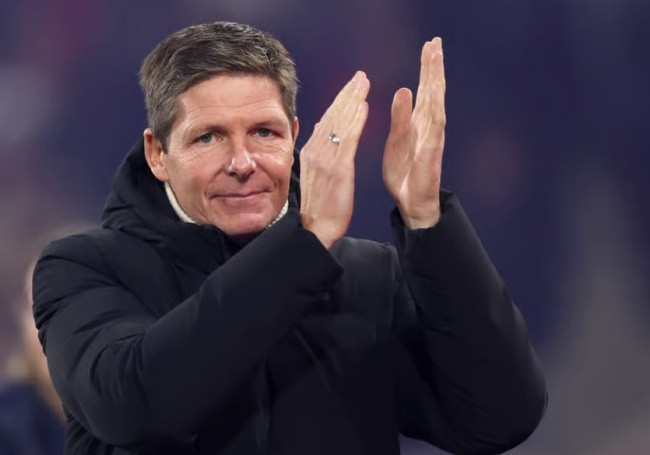
Amidst the search for a successor, Crystal Palace's Oliver Glasner is emerging as a leading candidate. However, appointing the Austrian manager at this time is considered a risky gamble by many. Below are four major issues Manchester United need to carefully consider before signing the contract.
1. Complex relationship with management.
The collapse of Ruben Amorim's reign stemmed from a public clash with Director of Football Jason Wilcox over managerial authority. While harmony between the coach and the leadership team is a key criterion, Oliver Glasner's record raises significant concerns.
Glasner is known for his strong personality and willingness to confront his superiors. From Germany to England, he frequently clashed with the board over transfer policy. At Crystal Palace, rifts appeared when he opposed the sale of Marc Guehi. In a top-level structure like INEOS, Glasner's personality could lead to similar conflicts as his predecessor.
2. Rigidity in tactical diagrams
One of Amorim's most controversial legacies at Old Trafford was the awkward 3-4-3 system, which often overloaded the central midfielders. Notably, Oliver Glasner was also particularly loyal to the three-centre-back system.
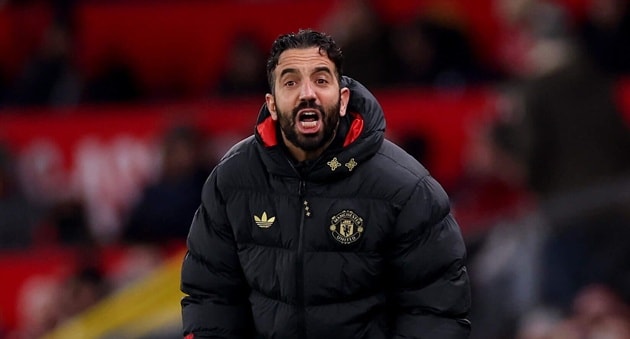
The question is whether Glasner will be flexible enough to adapt to Man Utd's current squad – which is built to operate a four-defender system – or will he continue to force the stars to adapt to his system? Red Devils fans are now craving a more flexible approach rather than a tactical version similar to what failed under Amorim.
3. Questions about the potential for developing young players.
Manchester United have invested hundreds of millions of pounds in young talents like Leny Yoro, Benjamin Sesko, and Patrick Dorgu. Therefore, finding a coach capable of developing these future stars is a must.
However, at Eintracht Frankfurt, Glasner was criticized for his tendency to prioritize experienced players and relegate young talent to the bench. A team undergoing a rebuilding process like Man Utd can hardly risk appointing a coach without an impressive track record of integrating young players into the first team.
4. The problem of managing locker rooms.
The dressing room at Old Trafford has always been seen as a place with many big egos and extremely difficult to control. Amorim failed to maintain cohesion after the defeats in the EFL Cup, even publicly criticizing his players.
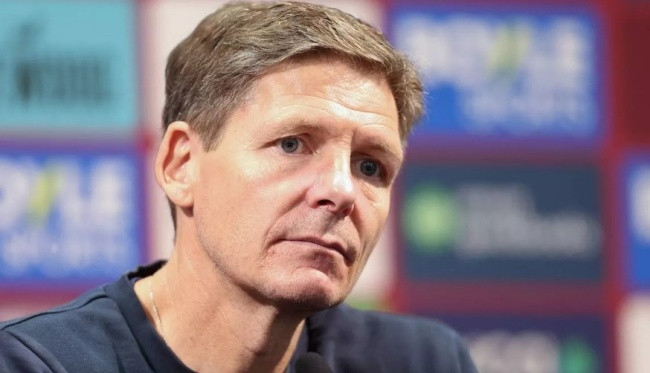
Glasner, with his tough management style and history of conflict with the board, may not be the person to bring the calm needed to dispel the current gloomy atmosphere. Man Utd now needs a manager capable of maintaining good personal relationships to create internal unity.
More viable alternatives
Besides Glasner, the coaching market still offers several highly viable options. Bournemouth's Andoni Iraola is an example of a modern tactician who has successfully developed young players. Additionally, Xavi Hernandez is a noteworthy choice thanks to his experience handling immense pressure and managing top stars at Barcelona.
Manchester United still possesses immense appeal, but the leadership needs a wiser decision than one based on fleeting fame. Without considering cultural and tactical compatibility, the downfall of Ruben Amorim could easily be repeated with anyone else in the hot seat at Old Trafford.


