
Masan Consumer: From “creating consumer habits” to a leading pillar in Vietnam's FMCG industry.
Nearly 30 years ago, Masan Consumer began its journey with familiar bottles of soy sauce and fish sauce found in Vietnamese kitchens. From a spice manufacturing business, the company has become one of Vietnam's few consumer goods manufacturers with a wide enough brand portfolio to serve almost every essential household need. Masan Consumer's (MCH) products now reach 98% of Vietnamese households.
A strong brand as the cornerstone, premiumization to create differentiation.
MCH's product portfolio spans five categories: Spices, convenience foods, beverages, coffee, and personal and household care.Masan Consumer"Present across the entire essential consumer goods segment" and "Leading approximately 80% of the main consumer goods categories in which the Company participates" through key brands such as Chin-su, Omachi, Kokomi, Wake-Up 247, and Nam Ngu.
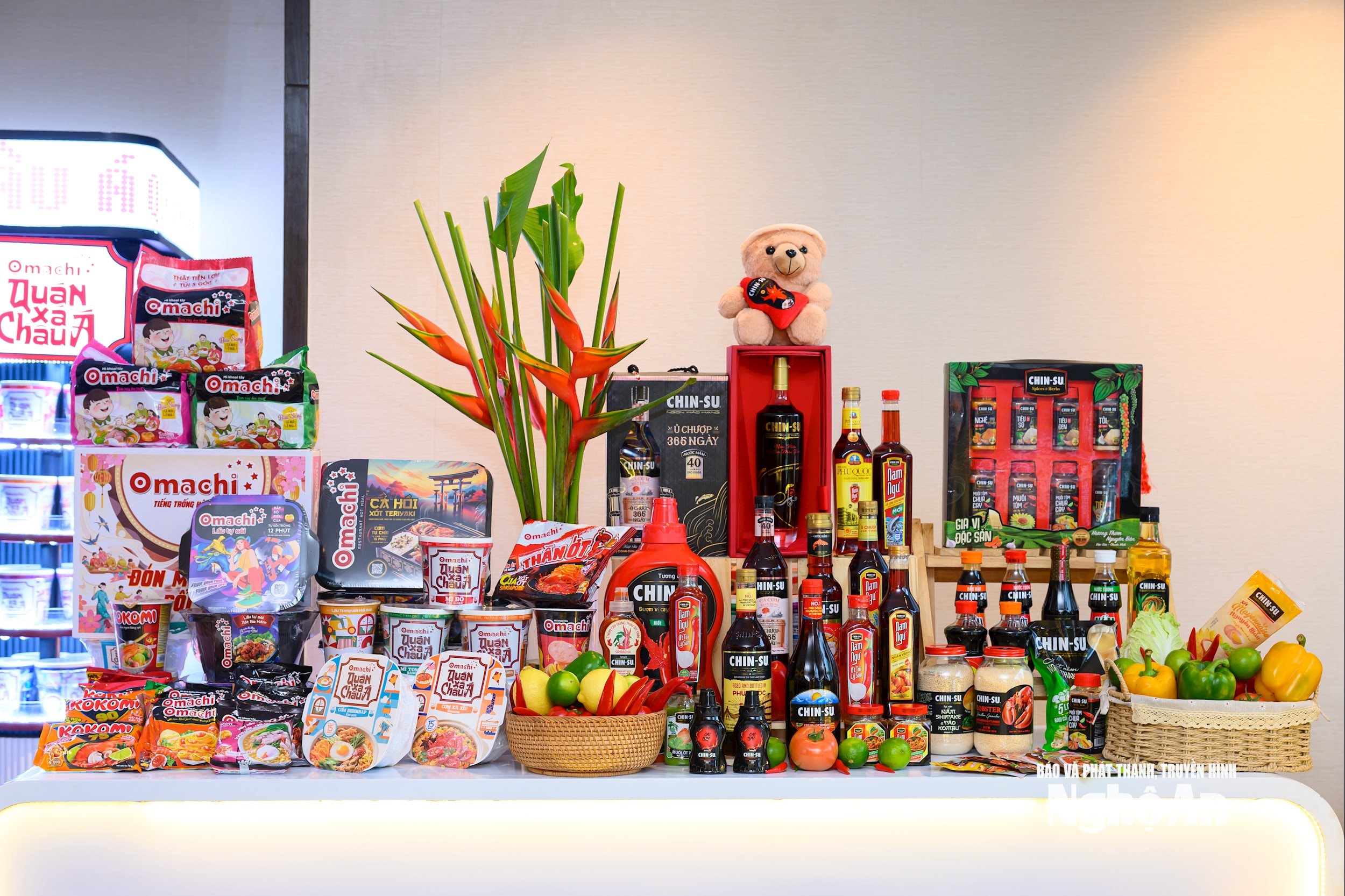
According to Kantar, 98% of households in Vietnam own at least one MCH product. This figure confirms a rare level of brand coverage, creating a strong "barrier to entry" for domestic and international competitors.
Not only does Masan Consumer hold a leading market share, but it is also one of the few FMCG companies that has maintained high growth rates in segments considered saturated. For many years, the company's core strategy has been premiumization, gradually improving product quality and brand value.
These steps are clearly demonstrated by the Omachi brand with products such as self-cooking rice, self-heating hot pot, Asian restaurant-style meals, and premium versions of Chin-su spice sets. In the beverage sector, the newly launched Búp Non Tea365 bottled tea has already recorded 501 billion VND in revenue in 2024, showing that the company has quickly grasped the healthy consumer trends post-Covid-19.
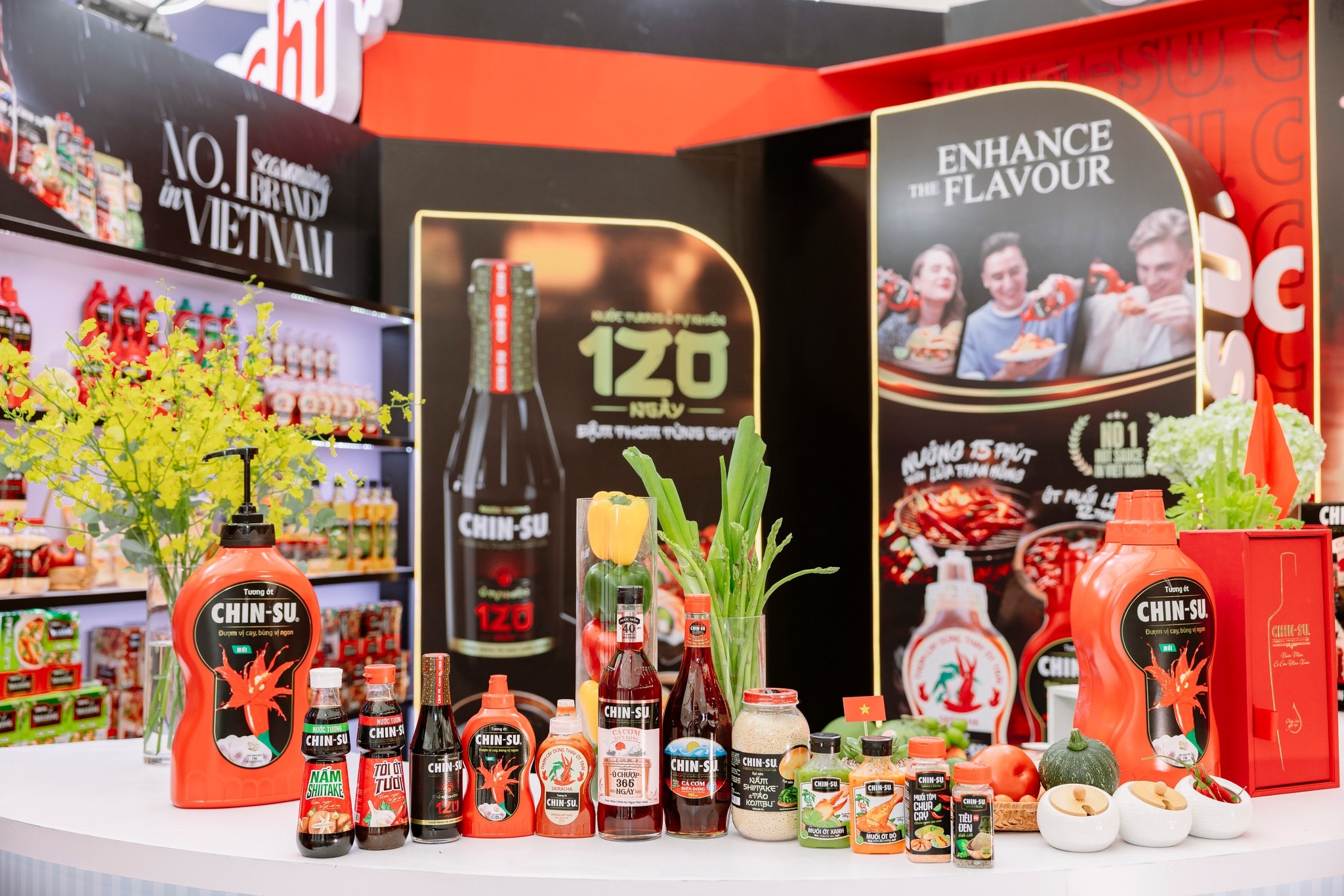
The shift to the premium segment also has significant financial implications: Profit margins for these products are 10-15% higher than those for mass-market goods, helping the company's overall gross margin increase to 46.6% in 2024, despite continued fluctuations in raw material prices.
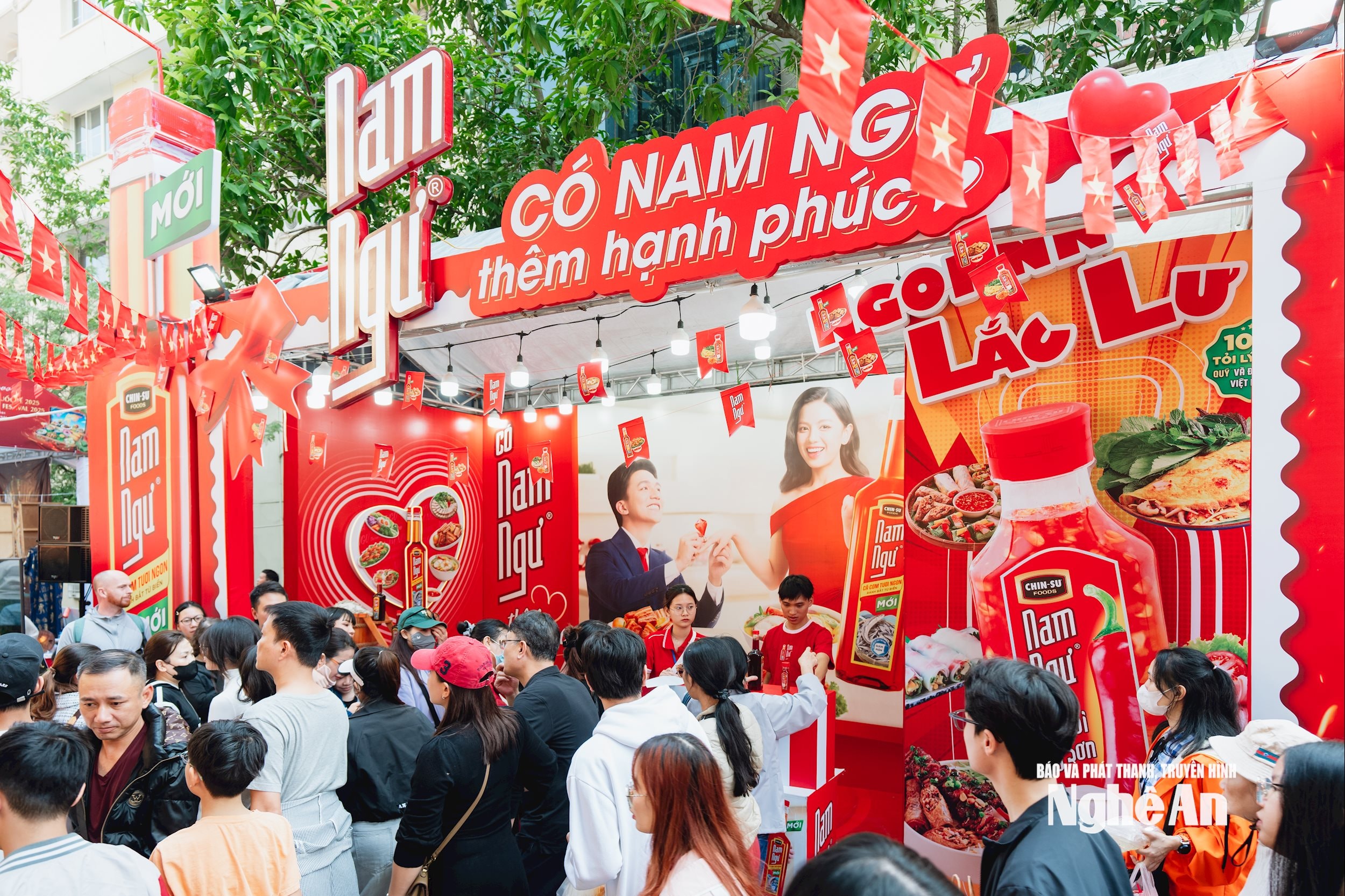
It is clear that brand strength and the ability to "design demand" are the foundation for Masan Consumer to maintain its pioneering position in the fast-moving consumer goods industry. More importantly, MCH's factory system is considered "world-class": automated, digitalized, and compliant with international standards such as ISO, HACCP, FSSC, and BRCGS. This is the foundation for the company to develop preservative-free, safer, and higher-quality products – a factor that is becoming a dominant consumer trend.
The "backbone" project for long-term growth.
Of course, premiumization is not the only strategy. In 2025, Masan Consumer will accelerate a comprehensive restructuring of its distribution system – a project that is the "backbone" of its long-term growth phase.
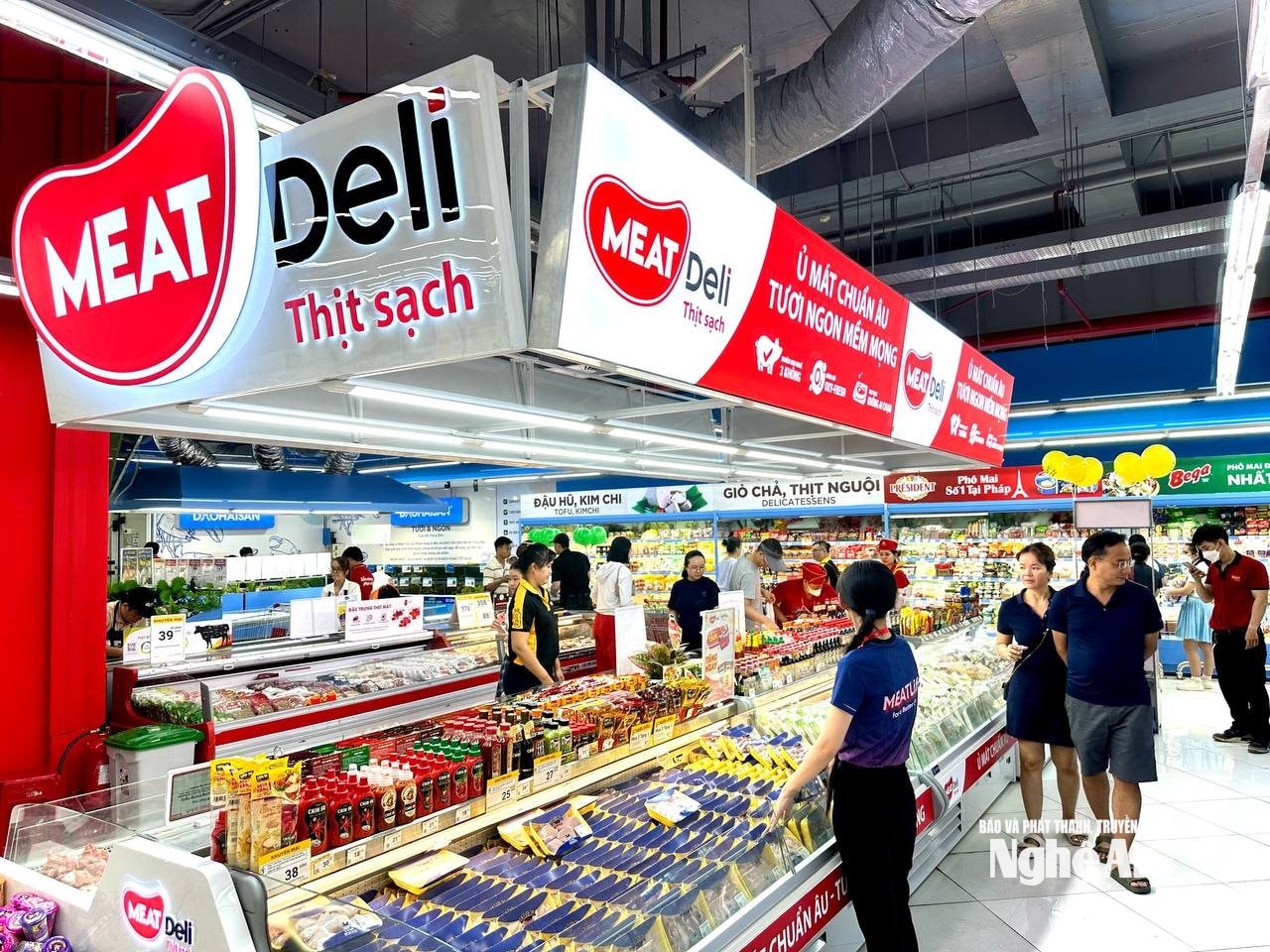
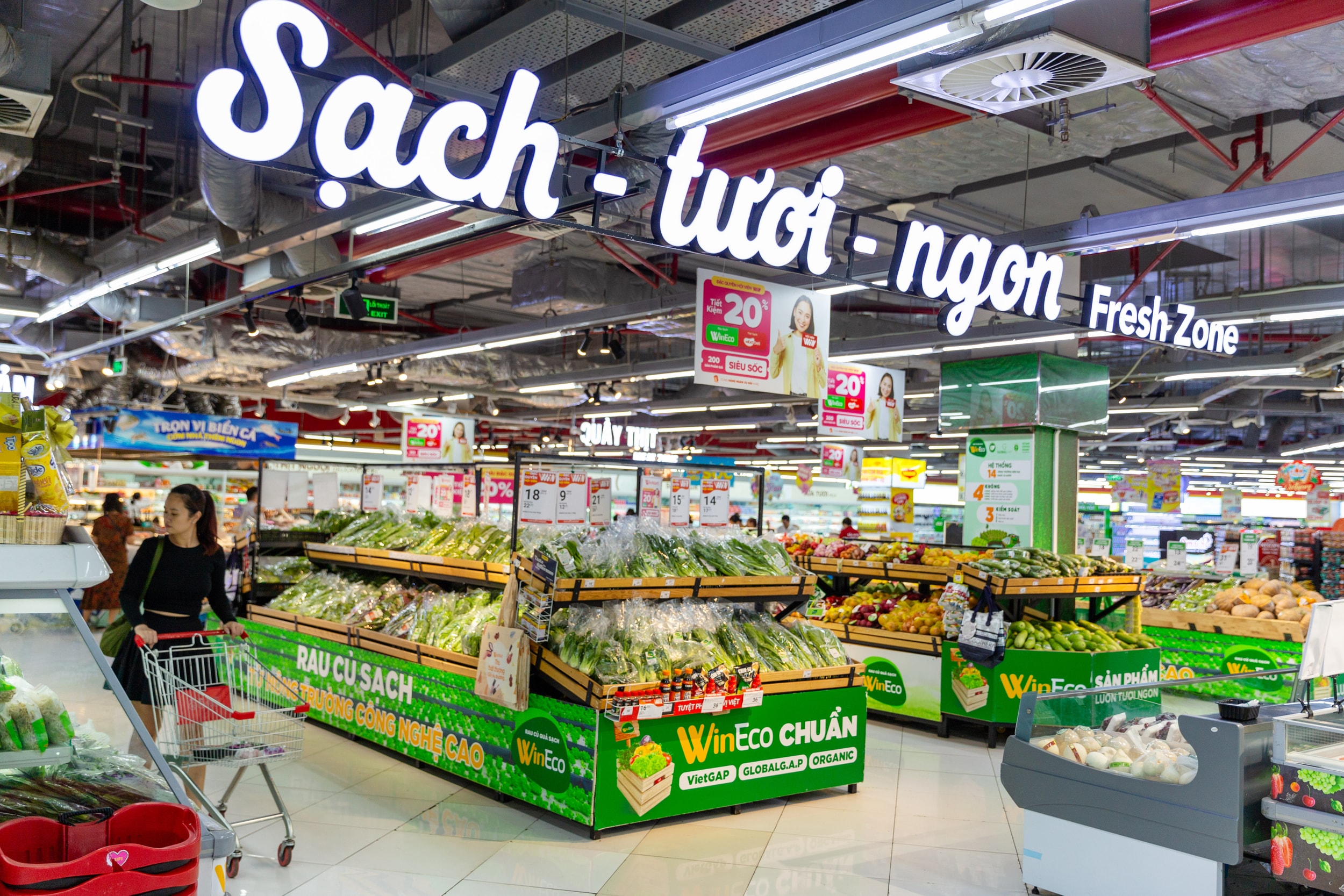
Specifically, 2025 marks a significant shift in Masan Consumer's large-scale distribution model, known as Retail Supreme. Instead of relying heavily on wholesale channels, which previously accounted for up to 60% of revenue, the new model allows the company to directly access retail outlets. The number of retail outlets directly covered by the company has increased to 345,000, a more than 40% increase in just one year.
The frequency of visits to each sales point doubled, the average SKU per order increased by more than 50%, and system-wide inventory decreased significantly (distributor inventory decreased by approximately 15%, wholesale channel inventory decreased by 30%).
Notably, despite the new model being more direct and comprehensive, the cost-to-serve remains comparable to before thanks to a significant reduction in intermediary discounts. The Direct Distribution model is not just a change in logistics, but a change in the growth model.
When the company has full access to point-of-sale operational data, interacts directly with store owners, and changes the way the sales team is organized, the effectiveness of brand deployment, especially with new products, is significantly improved. This is a significant advantage over the traditional distribution model prevalent in the Vietnamese FMCG industry.
From an investor's perspective, one of MCH's most sustainable competitive advantages is its strong distribution network. By 2025, MCH aims to have 345,000 traditional retail outlets (GT) and 8,500 modern retail outlets (MT). This network allows products to reach consumers from urban to rural areas – where nearly 70% of Vietnam's population lives.
"Go Global" pushes all boundaries.
Masan Consumer is not stopping at the domestic market. MCH's "Go Global" strategy is identified as a long-term growth driver, aiming for 10-15% of revenue to come from international markets by 2028. The growth criteria are profitable growth, meaning profit margins are equivalent to the domestic market, without sacrificing financial efficiency for market expansion.
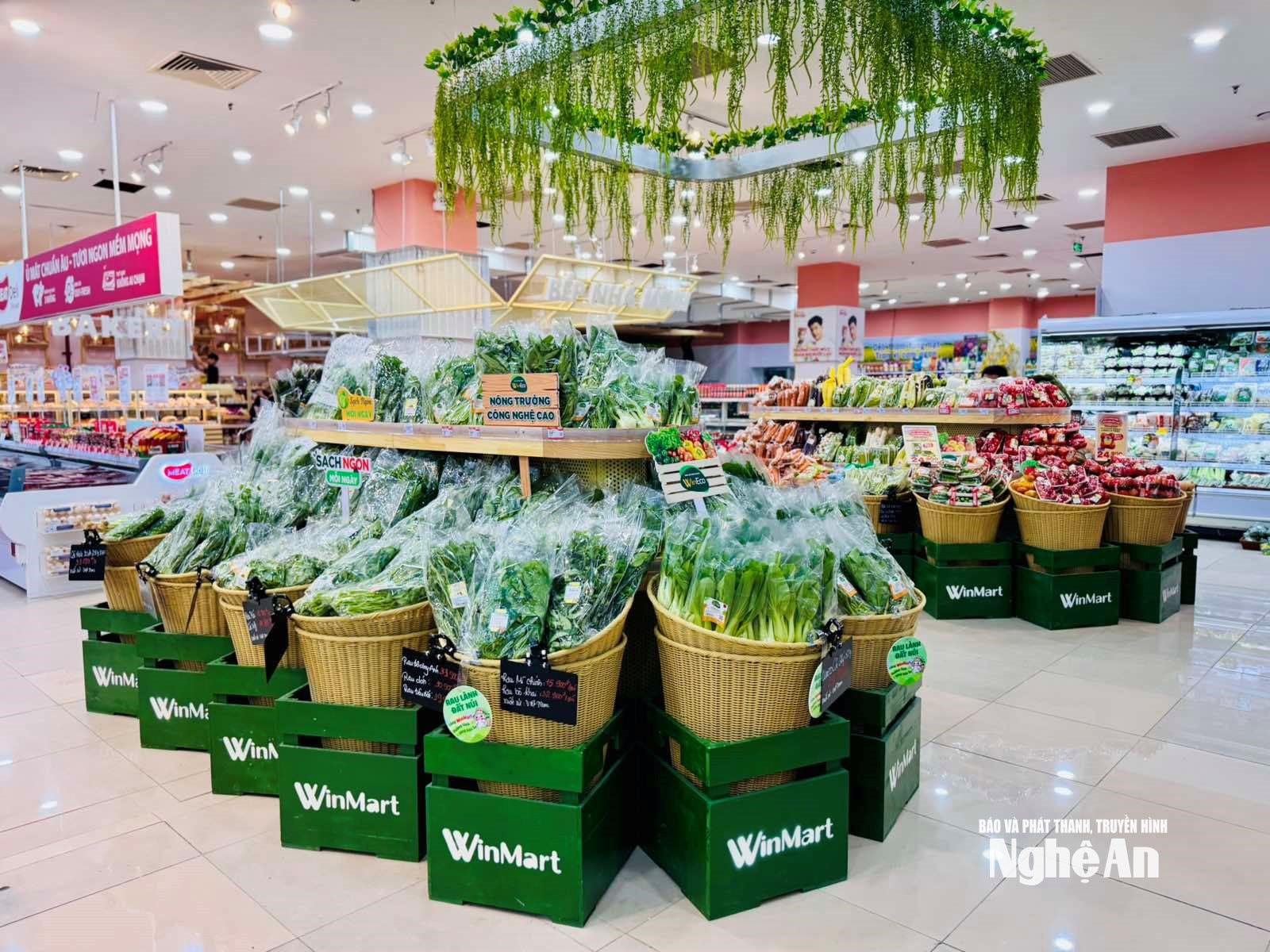
Chin-su chili sauce was at one point among the top 8 best-selling products on Amazon US, the top-selling product on the South Korean e-commerce platform Coupang, and was available on the shelves of the US retail chain Costco. MCH products in general are exported to over 26 countries worldwide.
International revenue is projected to grow by an average of approximately 16% annually during the 2022-2024 period, while operating profit margins from overseas markets are expected to reach around 30% in 2024. This demonstrates the positive business performance of the Go Global strategy, enhancing the value of Vietnamese brands, expanding growth opportunities, and gradually establishing the position of a Vietnamese FMCG enterprise on the global map.

With that foundation, coupled with an internationalization strategy and a large-scale innovation plan for 2026, Masan Consumer is entering a phase where growth comes not only from expanding the domestic market, but also from modernizing the entire Vietnamese consumer experience and bringing Vietnamese products to the world.
Masan Consumer's nearly 30-year journey demonstrates one consistent trait: the company not only reacts to the market but also proactively designs and leads the future of Vietnam's consumer goods industry.


