
Tips for choosing the optimal iPhone replacement cycle to save costs and maintain performance.
Replacing your iPhone after 3 years is considered the smartest option, balancing the experience of using modern technology with optimizing the device's resale value.
In the smartphone market, iPhones have always been a top choice thanks to their stable iOS operating system and high resale value. However, many users often wonder whether to upgrade annually or use their phone until it breaks down. Finding the right replacement cycle not only ensures a smooth user experience but also significantly reduces annual operating costs.
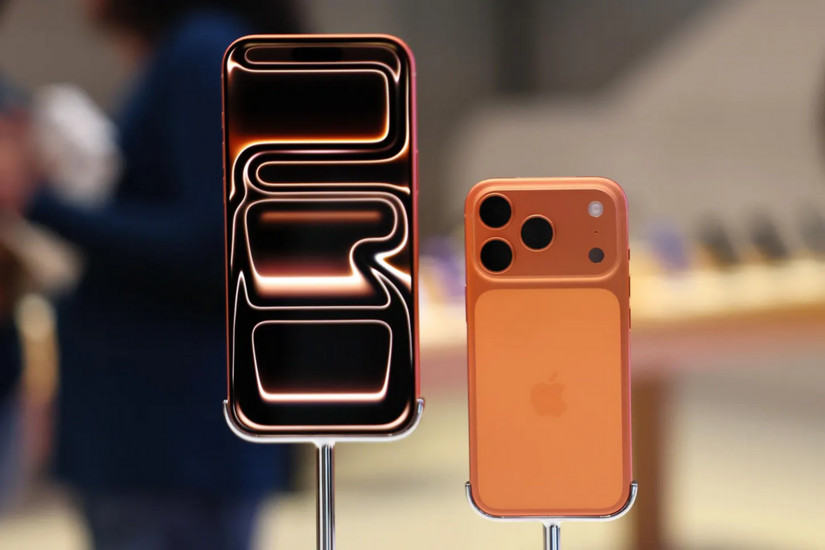
The depreciation and wear and tear pattern of iPhone hardware.
Unlike other phone models, iPhones depreciate the most in value during the first year due to the introduction of new models. From the second year onwards, the depreciation rate slows down and stabilizes from the third year. In terms of software, Apple provides iOS updates for 5-6 years, ensuring long-term security.
However, hardware experiences wear and tear. After about 3 years of use, battery life, image quality, and chip performance will noticeably decrease. This is a crucial point for users to consider whether to spend money on maintenance or upgrade to a new device.
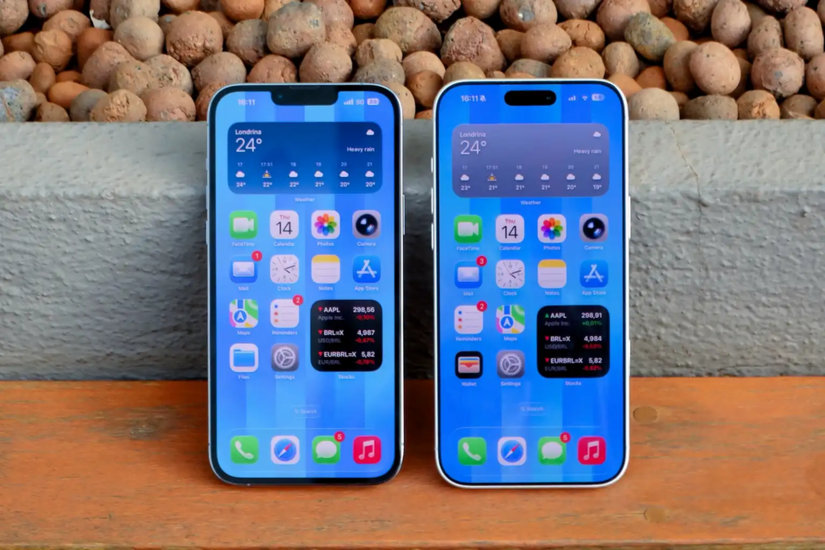
Analyzing the 4 common iPhone replacement cycles
1. Annual upgrade (1-year cycle)
This is the most expensive option, for tech enthusiasts who want to experience new features as early as possible. Replacing the device annually results in the highest depreciation loss, leading to average annual costs far exceeding other options.
2. Upgrades every 2 years
This is a popular choice among office workers and young people. After two years, iPhones still maintain smooth performance, battery health is usually above 80%, and resale value remains quite good. This option helps avoid the biggest losses of the first year while still allowing users to regularly experience new technology.
3. The ideal cycle is 3 years (Most optimal)
Upgrading after 3 years is considered the smartest solution. At this point, the accumulated depreciation cost is spread evenly over the years, keeping annual usage costs at their lowest. Although battery performance may decrease, replacing the battery can restore performance to adequately meet work and entertainment needs.
4. Use sparingly over 5 years.
This option minimizes purchasing costs but comes with several limitations. In the 4th and 5th year, the device often experiences lag, incompatibility with new applications, and a decline in image quality, directly impacting the daily user experience.
Comparison table of iPhone replacement cycles
| Cycle | Experience the technology | Depreciation expense | Hardware status |
|---|---|---|---|
| one year | Absolutely outstanding! | Highest (heaviest losses in the first year) | Perfect, like new. |
| 2 Years | Very good, fashionable. | Reasonable price, holds its value well. | Battery above 80%, smooth performance. |
| 3 Years (Optimal) | Suitable for everyday use, not outdated. | Lowest (divided evenly by year) | Battery is low, needs maintenance. |
| 5 Years | Poor quality, prone to lag. | Lowest price over its lifetime | Severe deterioration |
In summary, if you want to balance finances and performance, prioritize upgrading every 3 years. For users who prioritize novelty, a 2-year cycle is the most reasonable option. Understanding these rules will help you avoid wasting money and optimize the value of each purchase.


