
Tips for choosing safe shampoos with fewer harmful chemicals to protect your scalp and hair.
Experts from Consumer Reports provide guidance on how to identify allergens and endocrine disruptors in shampoos and tips on choosing the right product for each scalp type.
Shampoo is an essential personal care product, but choosing the wrong one can cause dermatological problems and have long-term health consequences. According to Consumer Reports' analysis of nearly 100 shampoos, understanding the ingredients listed on the label is the most important step in finding a safe product.
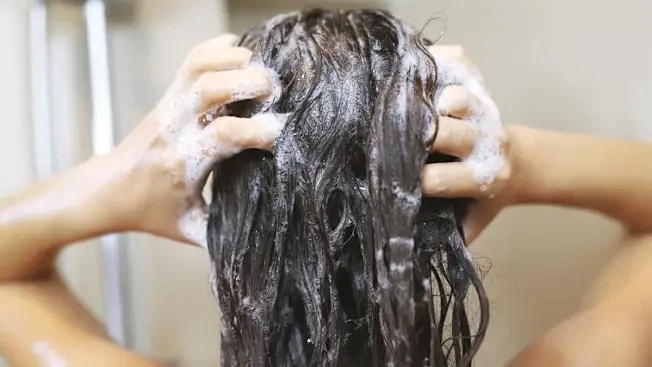
Chemical ingredients to watch out for on shampoo labels.
To choose a shampoo with fewer harmful chemicals, consumers need to learn how to identify the following groups of substances that can cause irritation or have a negative impact on the environment:
1. Fragrance/Perfume
Fragrances are often considered trade secrets, so manufacturers aren't required to list them in detail. However, a fragrance blend can contain hundreds of chemical ingredients. According to Joe Tung, medical director at the Falk Dermatology Center (USA), fragrances are the most common cause of scalp allergies. Consumers should prioritize products that clearly state the source of the fragrance or choose unscented options if they have sensitive skin.
2. Surfactants and ethoxylated components
This ingredient helps clean hair but can leave chemical residue. Note:
- Ethoxylated components:Avoid products with the suffix "-eth" (such as laureth), or containing the words PEG, polysorbate, and phenoxyethanol. These may contain residues linked to a cancer risk.
- Quats (quaternary ammonium compounds):Often appearing under the names quaternium, polyquaternium, or words with the prefix hydroxypropyl-, they give hair a glossy shine but are harmful to aquatic life.
3. Parabens and Sulfates
Parabens are preservatives that help prevent mold but are linked to hormonal disruption. You can identify them by names like propylparaben or methylparaben. Meanwhile, sulfates (such as sodium laureth sulfate) have strong cleansing properties, easily stripping away the protective lipid layer, causing curly or chemically treated hair to become dry, brittle, and prone to breakage.
Guide to choosing shampoo according to scalp needs.
Experts emphasize that the primary function of shampoo is to cleanse the scalp, not the hair strands. Therefore, the choice should be based on the specific condition of the scalp.
- Oily scalp:We need products with stronger cleansing properties to remove excess sebum and prevent stickiness.
- Dry scalp or curly hair:Gentle, low-foaming formulas or sulfate-free shampoos are preferable to maintain natural moisture.
- Sensitive scalp:Absolutely avoid hidden fragrances and artificial dyes (usually labeled FD&C with color and number).
Furthermore, the frequency of shampooing also plays a crucial role. Shampooing too infrequently can lead to a buildup of dead skin cells, resulting in seborrheic dermatitis or dandruff. Conversely, shampooing too often will strip away the scalp's natural moisture. The best advice is to gently massage the scalp while shampooing and observe your body's reaction to adjust the frequency accordingly.
Important health notes
Chronic scalp inflammation or abnormal hair loss can sometimes be a sign of underlying health problems. Experts recommend that if scalp conditions do not improve after changing products, users should seek professional evaluation from a dermatologist instead of self-treating with herbal shampoos of unknown origin.


