
Tips for choosing effective shampoo: Are expensive products really better than cheaper ones?
Dermatologists assert that the skincare routine is more important than the price of the product. Learn how to classify your hair type to choose the right shampoo and effectively protect your scalp.
Many people often wonder whether it's worth investing in high-end, expensive shampoos instead of more affordable options. According to dermatologists, expensive shampoos aren't necessarily a "miracle cure," and more common products can be just as effective if users understand their hair's real needs.
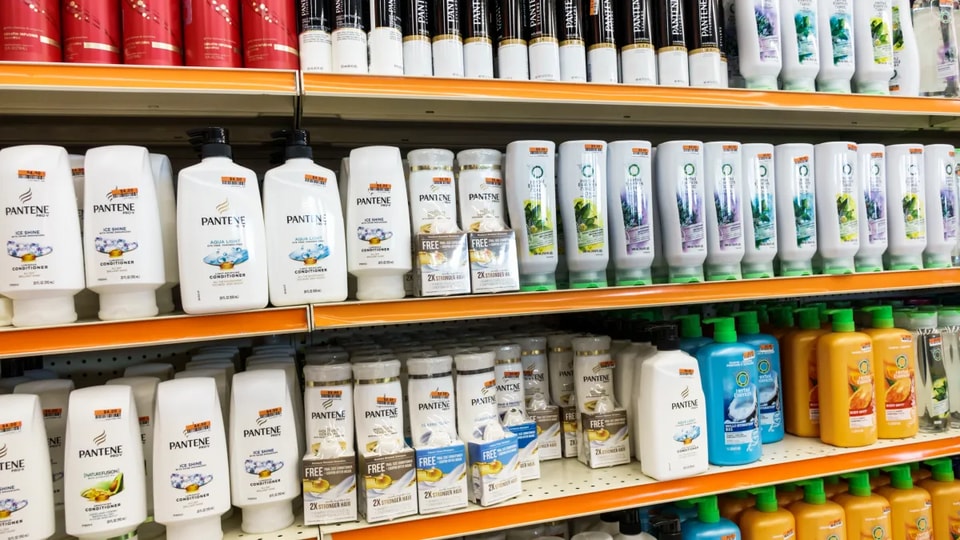
Type your hair to choose the right product.
Dr. Crystal Aguh, director of the Asian Dermatology Program at Johns Hopkins School of Medicine, says that shampoo selection should be based on hair damage rather than price. She shares the following basic classification:
- Hair types prone to damage:This includes naturally curly hair, hair that is frequently chemically treated (dyed, bleached), or styled with heat tools. People in this group should avoid shampoos containing sodium lauryl sulfate to prevent stripping away the natural protective sebum layer, which can leave hair dry, brittle, and prone to breakage.
- Hair type with minimal damage:Typical for straight and oily hair, daily washing is recommended to maintain cleanliness.
Regarding washing frequency, Dr. Crystal Aguh advises that those with tightly curled hair should only wash it once a week, while those with dyed wavy hair can wash it every 2-3 days to protect the hair structure.
Prioritize the care process over the brand.
Notably, experts emphasize that "it's not the product, but the process" that has the greatest impact on hair health. This includes the frequency of shampooing and how hair is protected from heat or chemical damage.

Instead of spending a large sum of money hoping an expensive shampoo will solve all their problems, consumers should reconsider their daily hair care routine. Affordable products are often cheaper due to the economies of scale of large corporations, but still offer comparable quality to high-end products.
Shampoo is a product for the scalp.
Dr. Joe Tung from the University of Pittsburgh Medical Center recommends that shampoo should be considered a scalp care product rather than just a cosmetic. The scalp is a complex ecosystem with stem cells, oil glands, and nerve endings. When this ecosystem is balanced, hair will grow optimally.
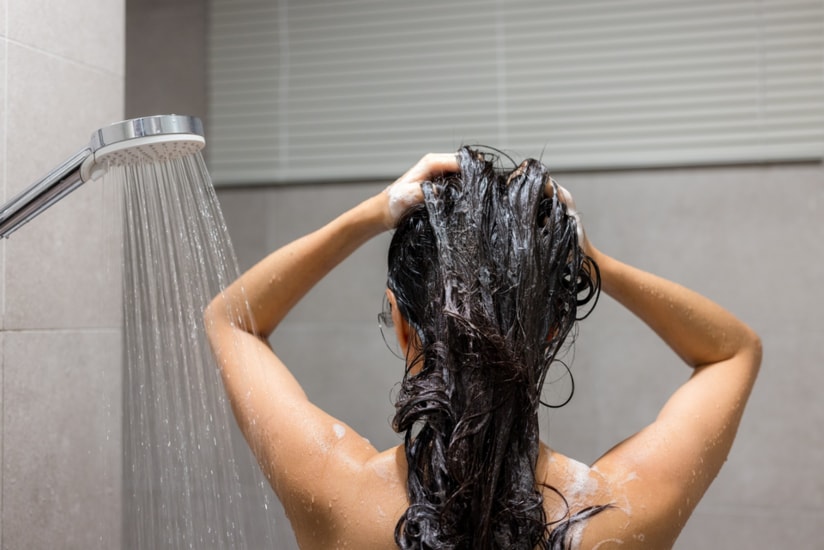
To choose a satisfactory product, users should keep the following in mind:
- Shampoo:Choose based on your scalp's needs (dandruff treatment, oil control, inflammation reduction).
- Hair conditioner:Choose based on hair texture and the degree of damage to the ends.
- Active ingredients:Effectiveness is determined by the active molecules inside, not by luxurious packaging or brand reputation.
However, more expensive shampoos often contain more refined conditioning ingredients, providing a more pleasant feeling with regular use. Conversely, those with sensitive skin should prioritize simpler formulas, as some high-end products contain fragrances or plant extracts that can irritate the scalp.


