
Tips for safe driving in the rainy season
Safe driving is one of the most important principles that drivers need to adhere to, especially on slippery roads during the rainy season. In such conditions, drivers not only need to maintain high levels of concentration but also require skills and knowledge to minimize unexpected risks.
Speaking at the recent conference summarizing traffic safety work in the first six months of the year, organized by the National Traffic Safety Committee, Colonel Pham Quang Huy, Deputy Director of the Traffic Police Department, stated that according to statistics, 4,970 traffic accidents occurred nationwide in the past six months. Some of the causes of these accidents include vehicles not meeting safety technical standards, with most accidents occurring on provincial and national roads. This number is predicted to increase significantly until October and the end of the rainy season, as many accidents have already occurred due to wet and slippery roads caused by rain and storms. Therefore, drivers need to pay attention to the following points when participating in traffic.
Ensure clear visibility while driving.
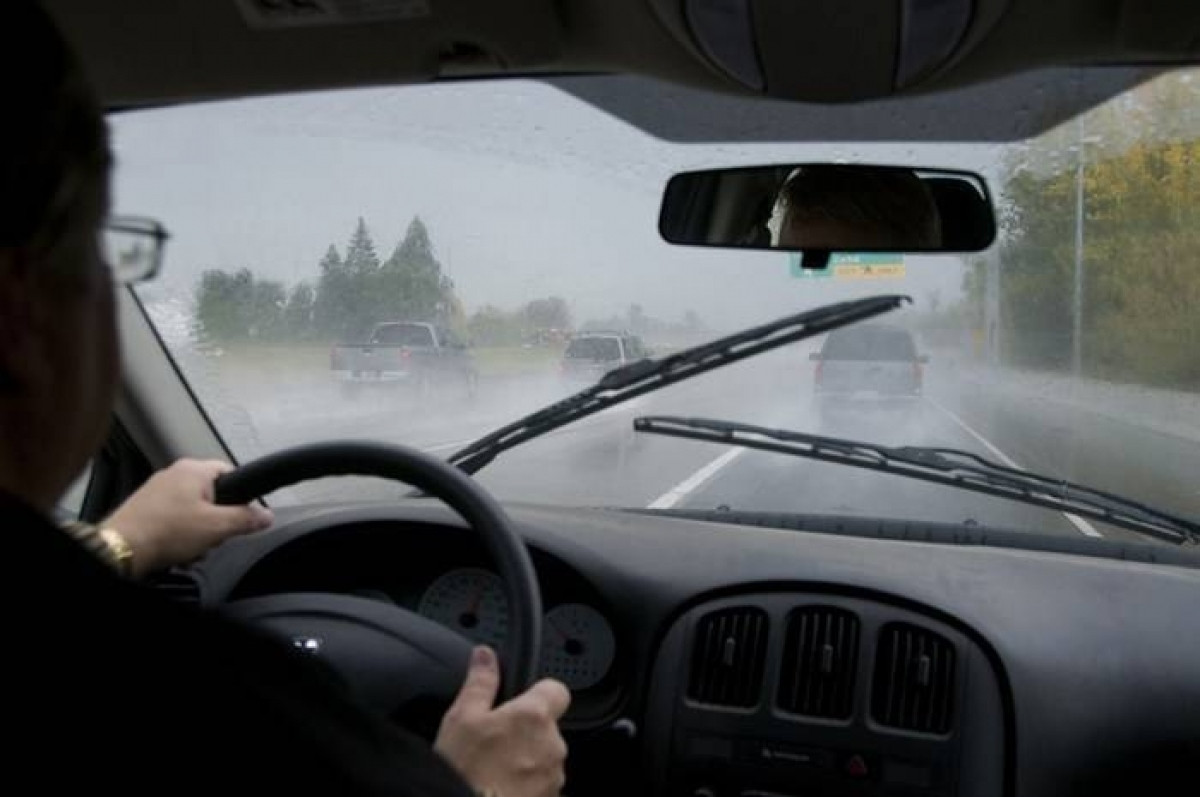
In addition to ensuring your headlights are working properly, you should use yellow fog lights with a color temperature of around 3,000k - 4,300k in heavy rain or low-light conditions to improve visibility. Furthermore, the car's windows should be cleaned regularly with specialized glass cleaner, and the wipers should be checked or replaced to optimize visibility.
Adjust speed and safe distance.
When driving in the rainy season, remember to adjust your speed, maintain a safe distance, and obey traffic rules and signals. Therefore, avoid driving too fast or braking suddenly, and always maintain a safe distance between your vehicle and others. This will give you enough time to react to unexpected situations, ensuring your own safety and the safety of other road users.

Stay focused and maintain safety while driving.
Avoiding distractions and focusing on the road is one of the most important things to remember. Therefore, you are not allowed to use electronic devices while driving; if necessary, find a safe place to stop and deal with it thoroughly. Because your safety and the safety of those around you are more important than anything else.
Skills for handling on slippery surfaces
When driving on slippery roads, first, reduce your speed and maintain a safe distance from the vehicle in front. Limiting your speed reduces the risk of skidding and improves your reaction time. If your vehicle does skid, gently release the accelerator and try to adjust your steering to avoid losing control. Additionally, remember to steer smoothly, avoiding sudden acceleration, braking, or changes of direction.
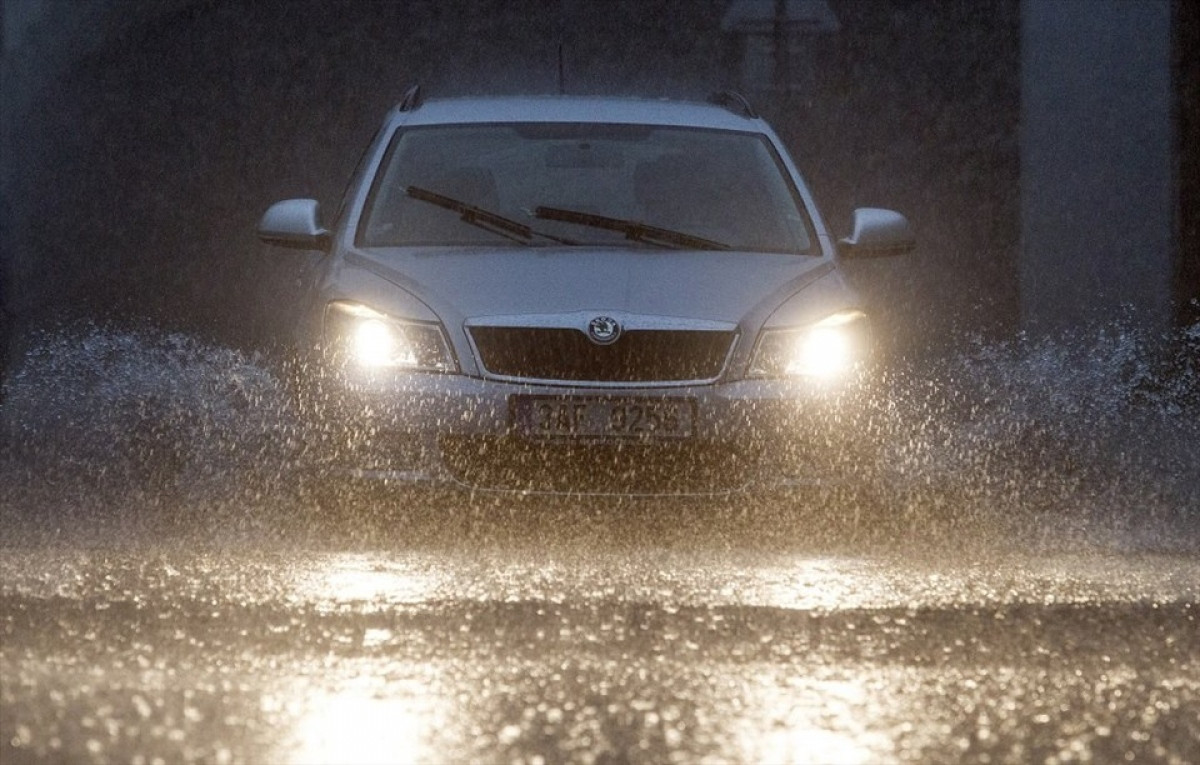
Additionally, you should be careful of puddles on the road and avoid splashing water onto other vehicles. On mountain roads, always follow the right-of-way rules and ensure good visibility to prevent accidents.
Utilize supporting technology.
With today's rapidly advancing technology, you can take advantage of many safety features to enhance driving during the rainy season. Most notably, anti-lock braking systems (ABS), traction control systems (ESP), and electronic stability control (EBD) are crucial technologies for improving safety on slippery roads. Furthermore, these devices often include additional features such as collision warning, parking assist systems, and GPS navigation, which are also worth considering. However, remember that technology is only a tool and cannot replace your own safe driving skills.
Be fully equipped when driving in the rainy season.
Before driving in the rainy season, make sure your vehicle is thoroughly inspected and prepared. All equipment, from the lighting system, brakes, windshield, rearview mirrors, wipers, and especially the tires, should be carefully checked and replaced or repaired if damaged. For this reason, you should ensure your tires have sufficient pressure, are properly inflated, have a minimum tread depth of 3mm, and are not excessively worn.
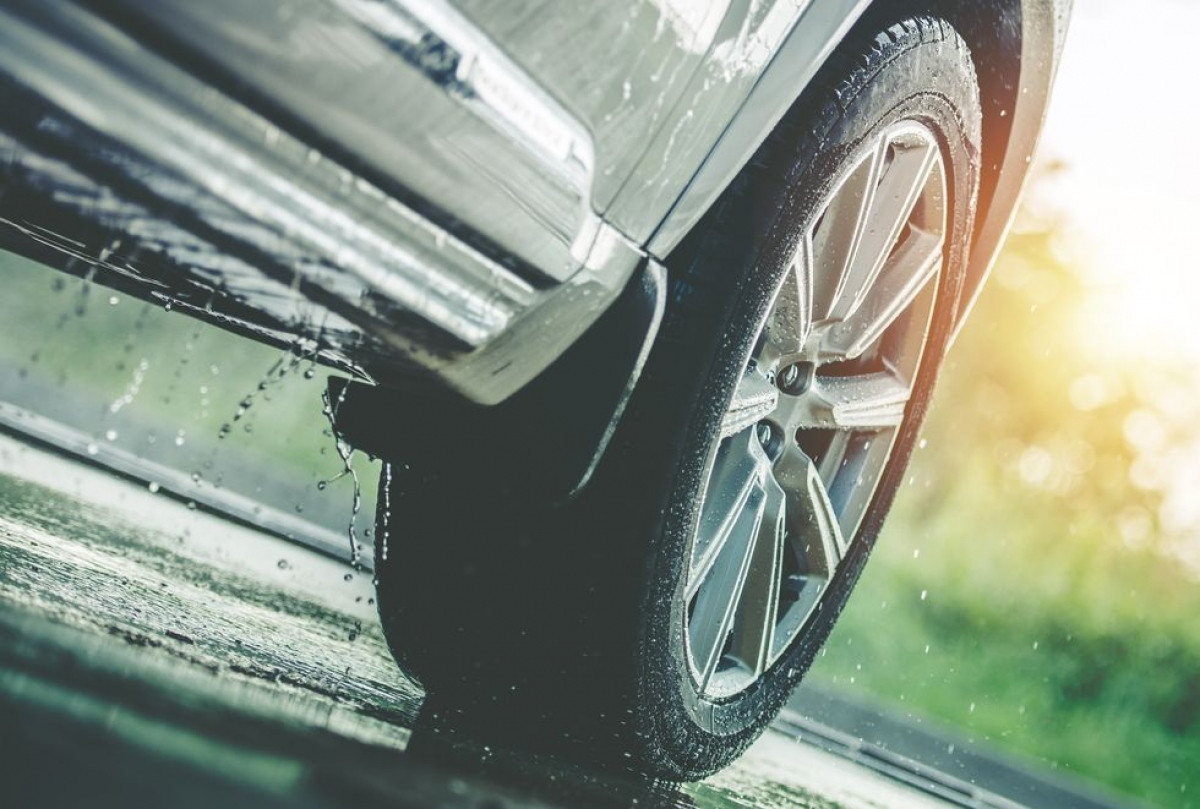
Specifically, according to Bridgestone's tire experts, equipping your vehicle with standard-compliant tires will provide you with several distinct benefits, such as:
- Optimized traction on slippery surfaces:You should prioritize choosing specialized tires that meet the necessary standards and construction to ensure optimal traction. Among these, advanced rubber compound tires can increase the bonding of molecules, resulting in exceptionally effective grip on slippery surfaces.
- Maximum controllability:To minimize "hydroplaning," tires used in rainy weather should have a wide contact surface area to increase the rubber's contact with the road and improve braking control. This maximizes handling and ensures greater safety for drivers.
- Braking performance on wet roads is a consideration:Besides checking and selecting the appropriate braking system, it's also important to consider the tread pattern and width of the tread blocks on the tires. Tires that meet these standards will help ensure greater safety when braking.


