
Tips for creating an effective team-building station-based game plan.
This guide provides detailed steps for planning a scientific station-based game, ensuring a lively, engaging, and safe team-building program for all participants.
In team-building programs, station-based games are considered the "backbone" that creates a lively atmosphere and team spirit. To ensure the activity runs smoothly and achieves its goals, a well-structured plan is crucial, helping organizers effectively manage time, personnel, and the players' experience.
What is a station-based game and when should it be organized?
Station-based games are a form of group activity organized in a series of consecutive stations, each presenting a unique challenge. Players or teams move sequentially through each station, completing tasks to accumulate points or clues. The challenges typically combine physical activity, logical thinking, and teamwork skills.
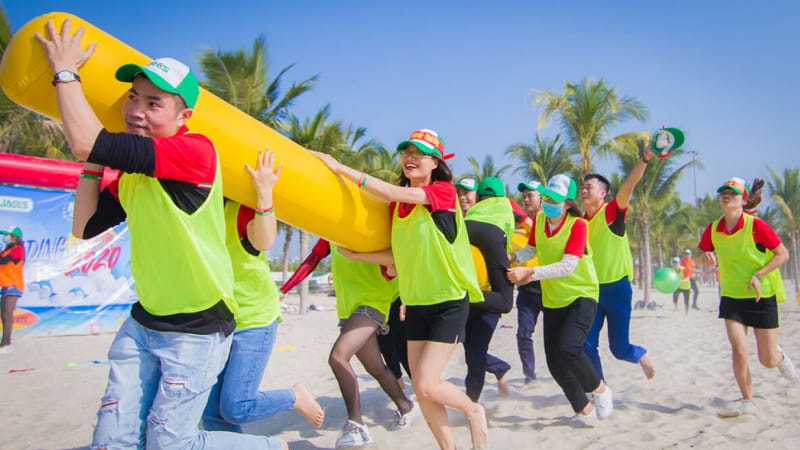
This format is particularly suitable for company team-building events aimed at developing teamwork skills and bridging the gap between departments. Additionally, it's an ideal choice for extracurricular activities for students, or for camps and family days events that require a high level of engagement.
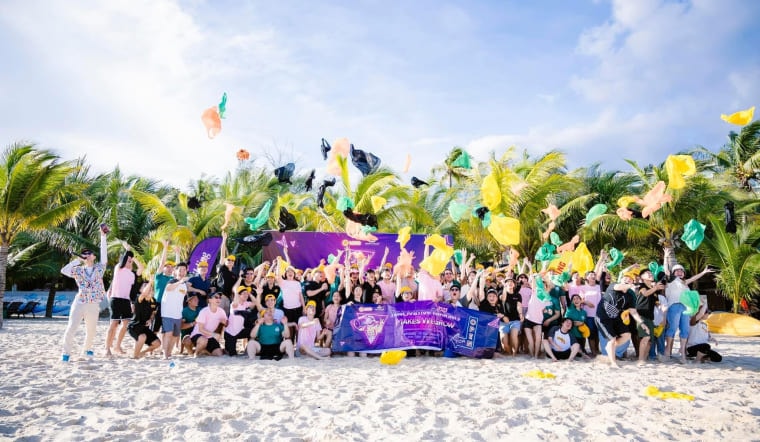
4 steps to planning a science station game.
For the program to be successful, the organizers need to follow these four steps:
- Define your goals:Clarify the main purpose, such as fostering team cohesion, developing teamwork skills, or conveying the brand message.
- Site survey:Assess the area, terrain, and safety factors to determine the appropriate number of stations and travel distances.
- Content design:Develop scenarios with increasing difficulty, ensuring logical connections between the stations.
- Personnel assignments:Clearly define the roles of overall coordination, station management, logistics, and arbitration to ensure smooth operation.
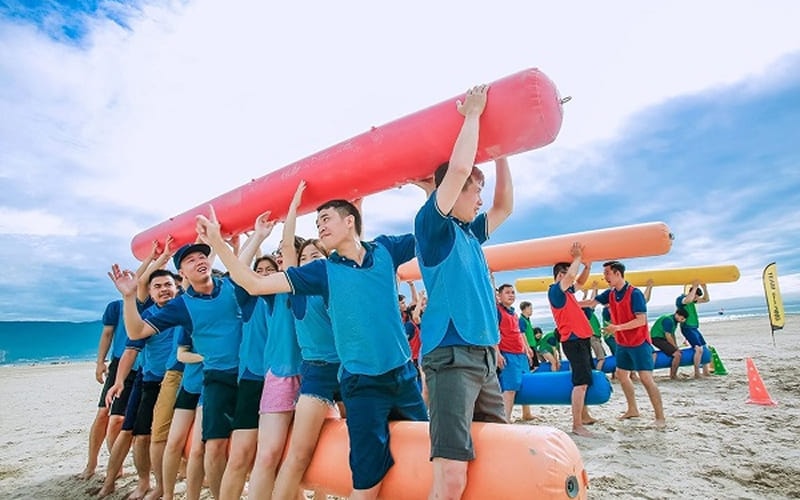
Suggestions for engaging station-based games.
1. Connection Station
This is the introductory station to help participants break the ice. Teams will receive an image depicting an action, perform the exact pose, and take a photo to receive a clue to proceed to the next station.
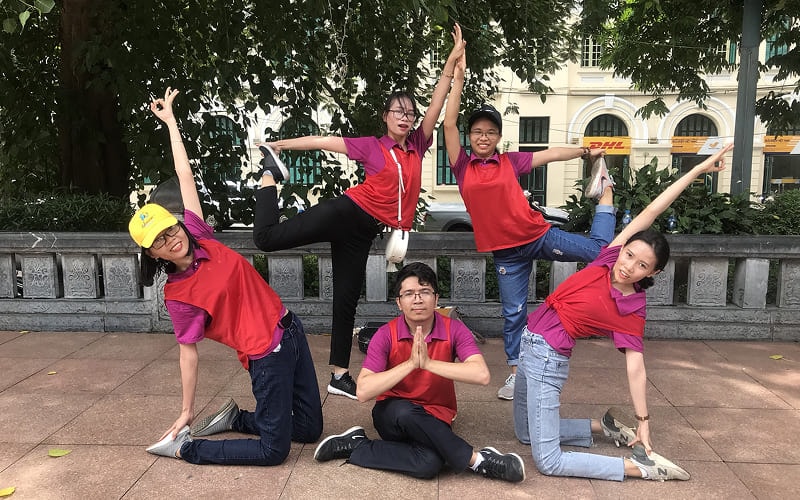
2. Moving forward together in unity.
The members practiced a flashmob dance together and filmed a video as proof. This game emphasizes smooth coordination and teamwork.
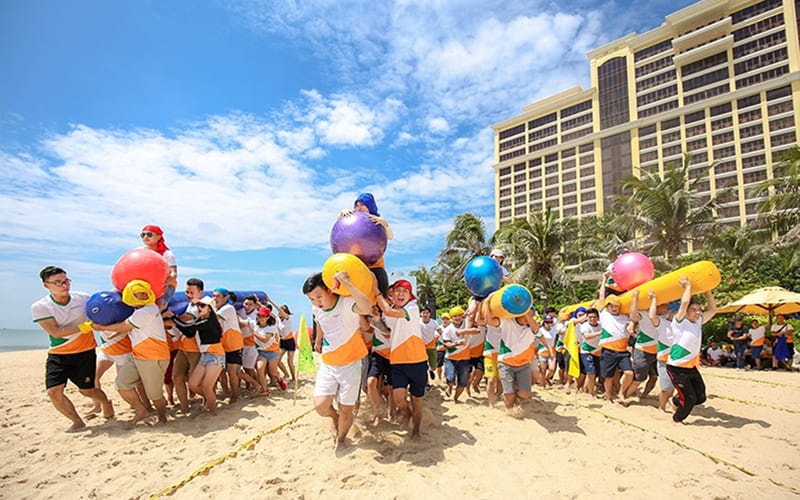
3. Inspire others
Using a giant pen, we'll work together to color in a shared picture. This activity helps spark creativity and fosters a spirit of collective purpose.
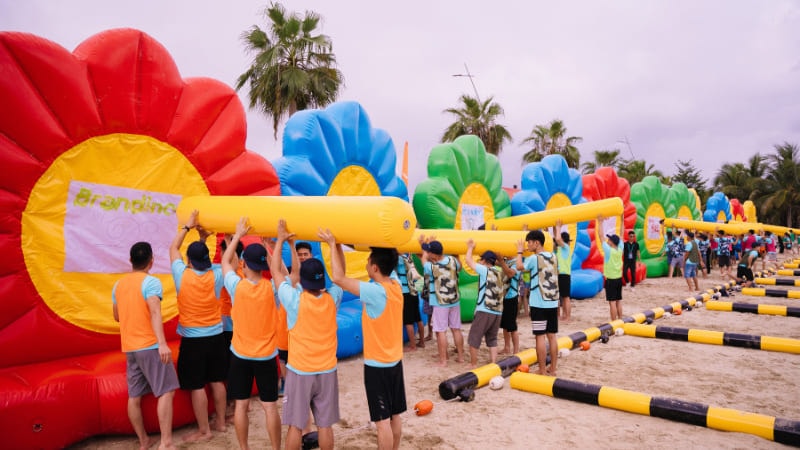
4. Team spirit
The teams had to build a bridge from 30 wooden planks without using any adhesive, relying solely on the principle of fulcrums. This challenge required keen observation and strong logical thinking.
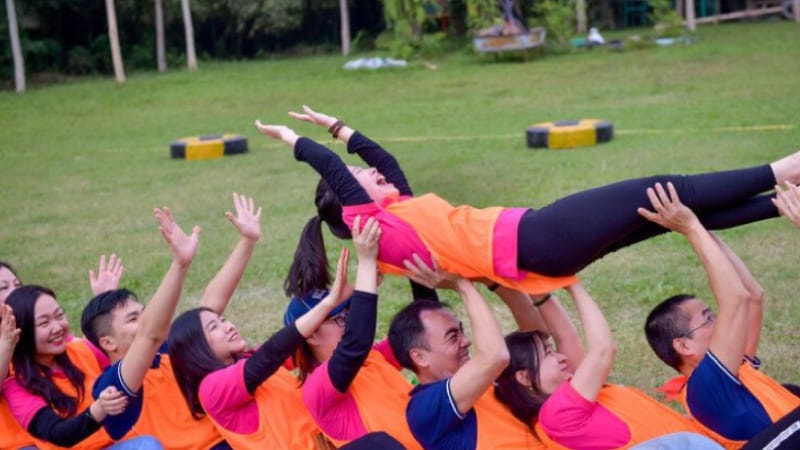
5. Shared Goal
Using props—pants designed for four people to wear at the same time—team members must coordinate their footwork to move and retrieve the ball as quickly as possible.
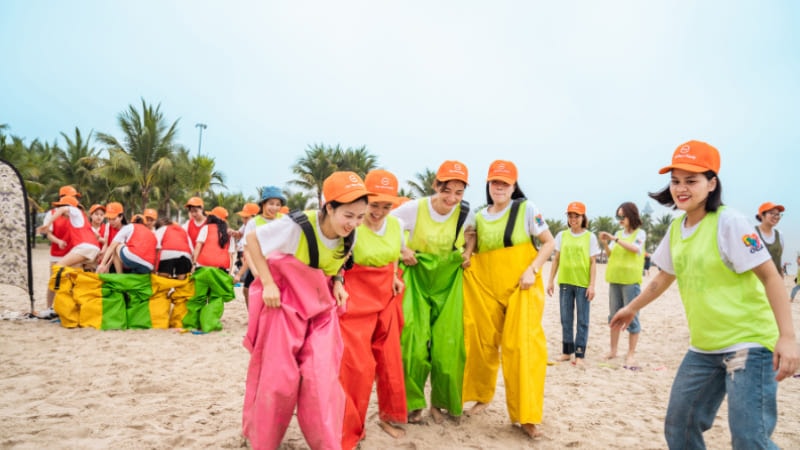
6. Keep striving
Test your patience by using chopsticks to separate the black beans and green beans mixed together. Absolutely no using your hands is allowed throughout the process.
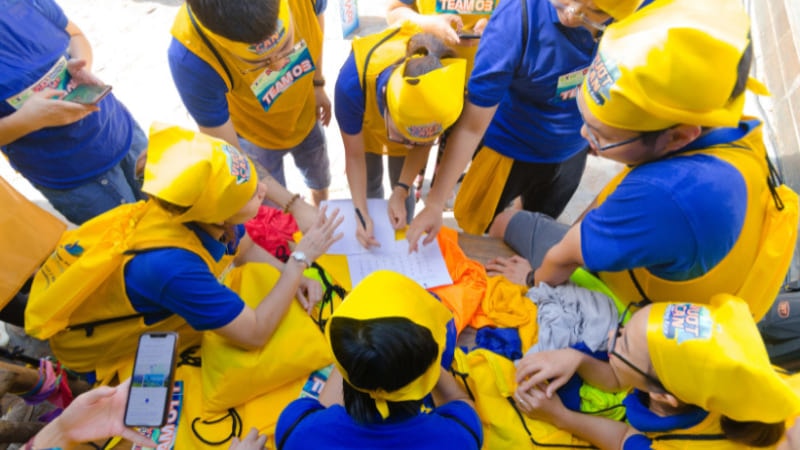
7. Unity creates success.
Passing the ball using headwear. Team members line up and skillfully pass the ball from the first person to the last in line without dropping it.
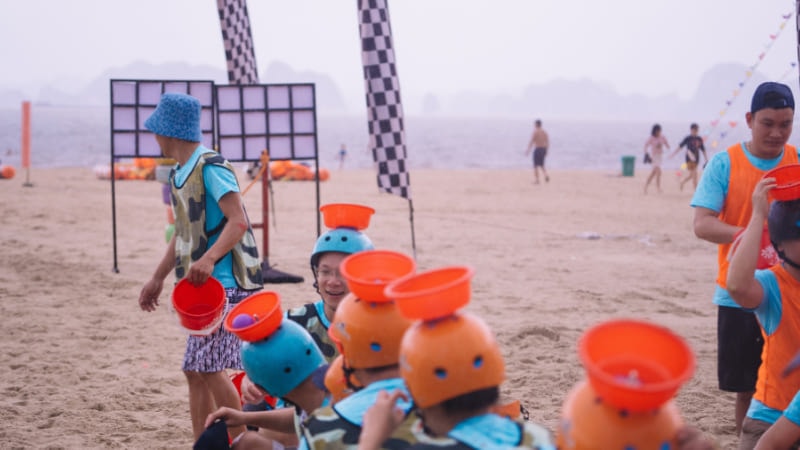
8. Facing challenges
Team members race along a continuous track to collect flags. The game trains quick reflexes and individual endurance for the team's overall achievement.
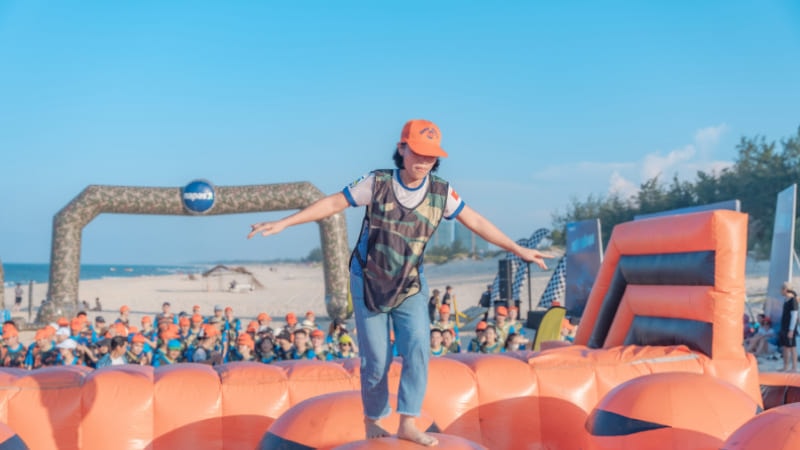
9. Conquer the Peak
Navigate through the mesh tunnel and wooden walls to bring the collected puzzle pieces to the finish line. This is a crucial stepping stone before reaching the final station.
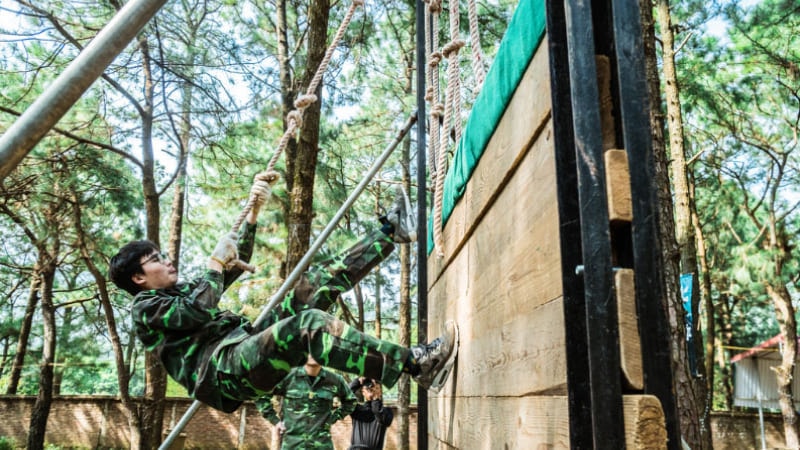
10. The Final Message
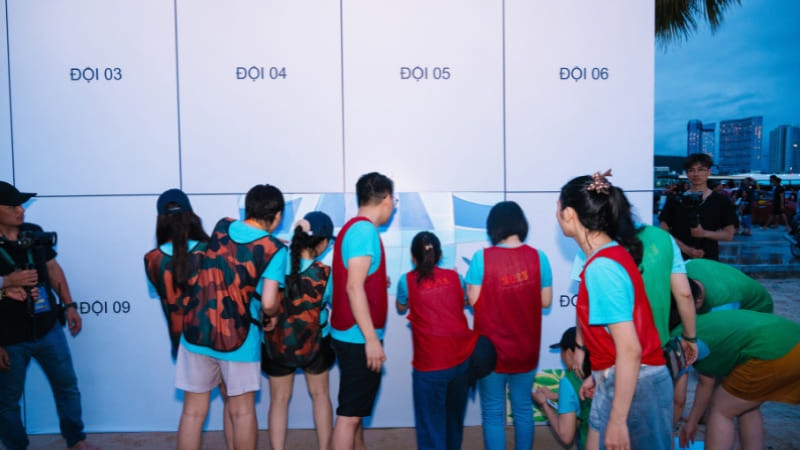
The teams used all the puzzle pieces they had collected to complete the message picture on the shared backdrop, marking the end of their journey of teamwork.
Common mistakes and safety precautions
For the game to run smoothly, organizers need to avoid common mistakes such as: designing stations that are too difficult or too easy, improper time allocation leading to congestion at stations, or a lack of support staff at checkpoints.

In particular, safety must be the top priority. Participants should be checked for health before starting, a first-aid kit should be readily available, and risks from the terrain or game equipment should be carefully monitored.
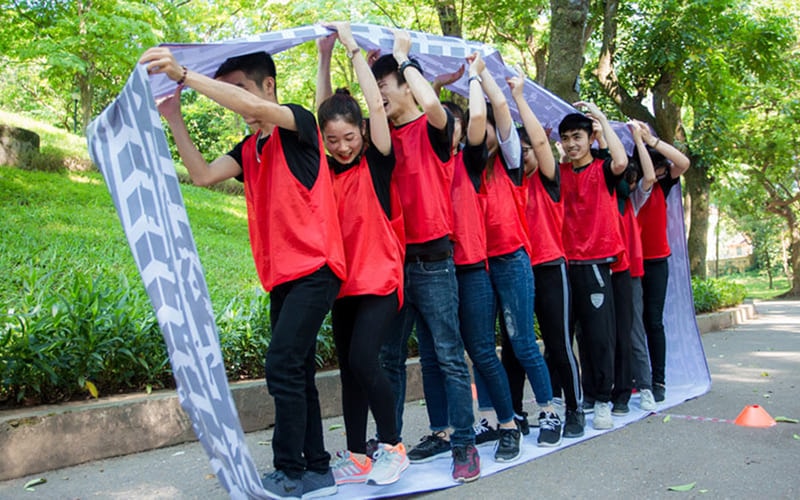
A well-planned station-based game not only provides fun but also leaves a lasting impression of teamwork among all participants.


