
Mercedes GLC EV vs. BMW iX3: A comparison of next-generation electric vehicles.
The Mercedes GLC EV vs. BMW iX3 race is heating up the luxury electric SUV segment, promising to change the market landscape.
- The competition between two German brands.
- Luxury electric SUV segment
- Mercedes GLC EV vs. BMW iX3: Dimensions
- Mercedes GLC EV vs. BMW iX3: Power & Speed
- Mercedes GLC EV vs. BMW iX3: Driving Range & Fuel Efficiency
- Mercedes GLC EV vs. BMW iX3: Battery Capacity & Technology
- Mercedes GLC EV vs. BMW iX3: Charging Speed
- Mercedes GLC EV vs. BMW iX3: Vehicle Control Technology
- Mercedes GLC EV vs. BMW iX3: Price & Release Date
- Mercedes GLC EV vs. BMW iX3: A Comprehensive Review
The competition between two German brands.
The German automotive industry is facing significant challenges from the rise of Tesla and Chinese automakers. In this context, Mercedes and BMW have launched two strategic electric vehicle models: the Mercedes GLC EV and the BMW iX3. Both are expected to help the brands regain their position in the luxury segment, where mid-size crossovers have always been a cash cow.
For many years, the BMW X3 and Mercedes GLC were top choices for customers. However, as they entered the electric vehicle era, both manufacturers faced considerable challenges. The first-generation BMW iX3, manufactured in China, was unable to expand into the US market. The Mercedes EQC, meanwhile, encountered quality control issues and never made it to the US market as planned.
Luxury electric SUV segment
In their new generations, both the Mercedes GLC EV and the BMW iX3 are equipped with an 800-volt electric platform, supporting remote software updates and many smart convenience features. This improvement helps the vehicles achieve better performance, save energy, and reduce production costs.
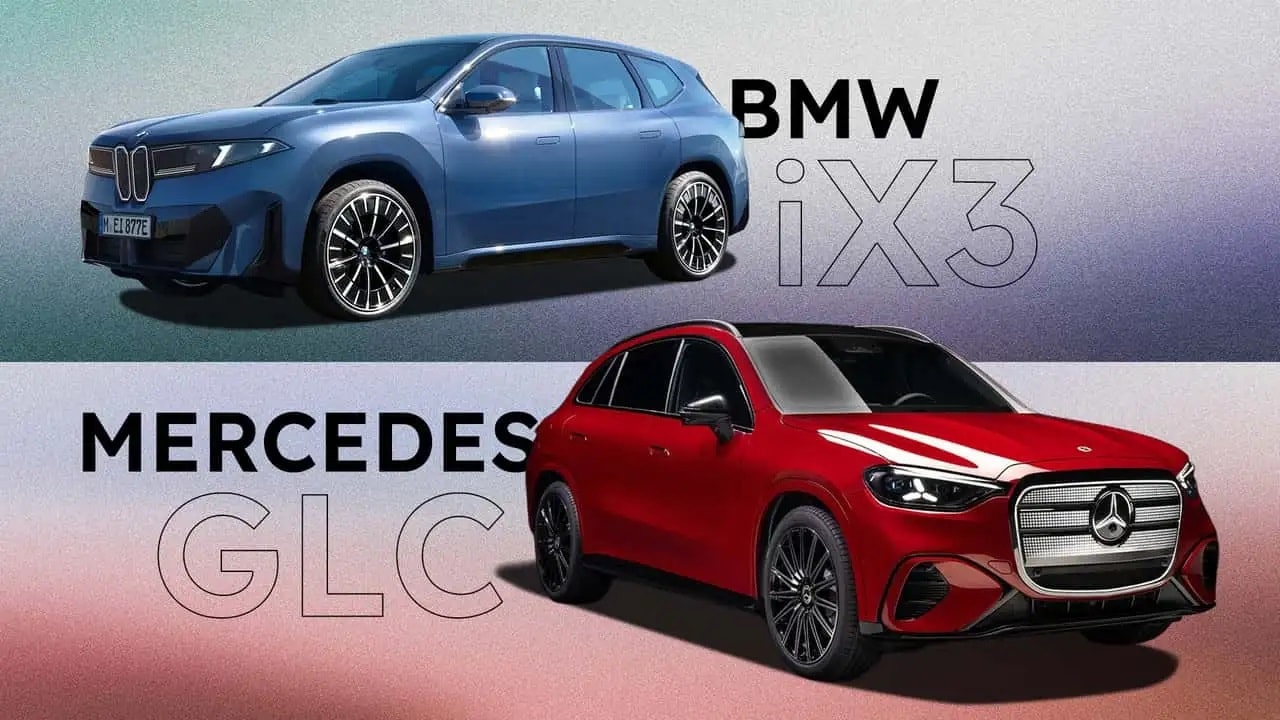
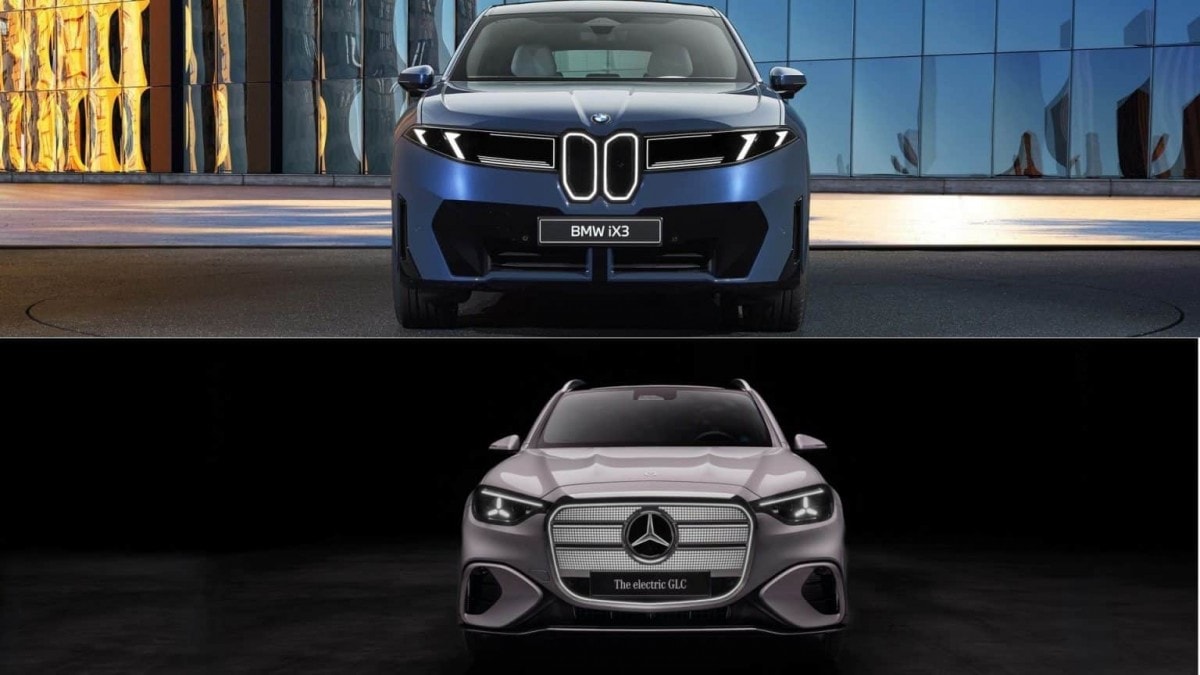
The Mercedes GLC EV impresses with its fresh, sharper design language compared to the previous EQ model, while the BMW iX3 retains its characteristic sporty style.
Despite being rated higher than their predecessors, both models still face fierce competition. The Tesla Model Y, along with a host of inexpensive yet technologically advanced Chinese electric cars, is putting significant pressure on Mercedes and BMW.
With the Mercedes GLC 400 4Matic and BMW iX3 50 xDrive versions, both manufacturers target customers who prefer luxury SUVs with four-wheel drive.
The Mercedes GLC EV vs. BMW iX3 showdown will not only be about design and technology, but also depend on price, software experience, and the ability to compete directly with Tesla. This will be a battle that reshapes the position of the two German brands on the global electric vehicle map.
Mercedes GLC EV vs. BMW iX3: Dimensions
Both models are well-positioned relative to their traditional petrol counterparts, despite having no mechanical connection to existing internal combustion engine models. The Mercedes GLC EV is slightly longer, measuring 190.7 inches compared to the BMW iX3's 188.3 inches, while its width and height are nearly identical.
Both are developed on a new electric platform. BMW claims the iX3 uses "zonal" architecture, a modern design style that reduces the number of wires and control computers in the vehicle.
Mercedes didn't specify whether the GLC uses this architecture, but they did state that the entire software system can be upgraded over the air.
Another common feature is that both models are equipped with an 800-volt electrical architecture, supporting faster charging and more efficient operation.
Mercedes GLC EV vs. BMW iX3: Power & Speed
In terms of power, the Mercedes GLC 400 boasts 483 horsepower, slightly more than the BMW iX3 50 xDrive's 469 horsepower. The clear advantage comes from torque: the GLC achieves 596 lb-ft, significantly better than the iX3's 475 lb-ft.
On the drag race track, the difference is evident. Mercedes claims the GLC 400 accelerates from 0–100 km/h in 4.3 seconds, while the BMW iX3 50 xDrive takes around 4.9 seconds. However, both German brands tend to be "modest" when publishing specifications, so the actual driving experience may be even more impressive.
In this category, Mercedes has the advantage. However, this is not the final limit. Both manufacturers are expected to soon launch higher-performance versions, such as AMG for the GLC or M-Sport for the iX3, to meet the needs of customers who want even more exceptional speed.
Mercedes GLC EV vs. BMW iX3: Driving Range & Fuel Efficiency
Mercedes states that the GLC 400 W/EQ Technology has a maximum range of 443 miles (713 km) according to the WLTP test cycle. This is the standard used in many international markets and is often more optimistic than the US EPA standard. However, the expected real-world range is still around 400 miles, sufficient to meet the needs of most users.
However, the BMW iX3 50 xDrive excels with a range of 421–500 miles (679–805 km) according to WLTP standards, depending on options and wheel size. When converted to EPA standards, this figure could still exceed 400 miles, surpassing even Mercedes and most electric SUVs currently on the market.
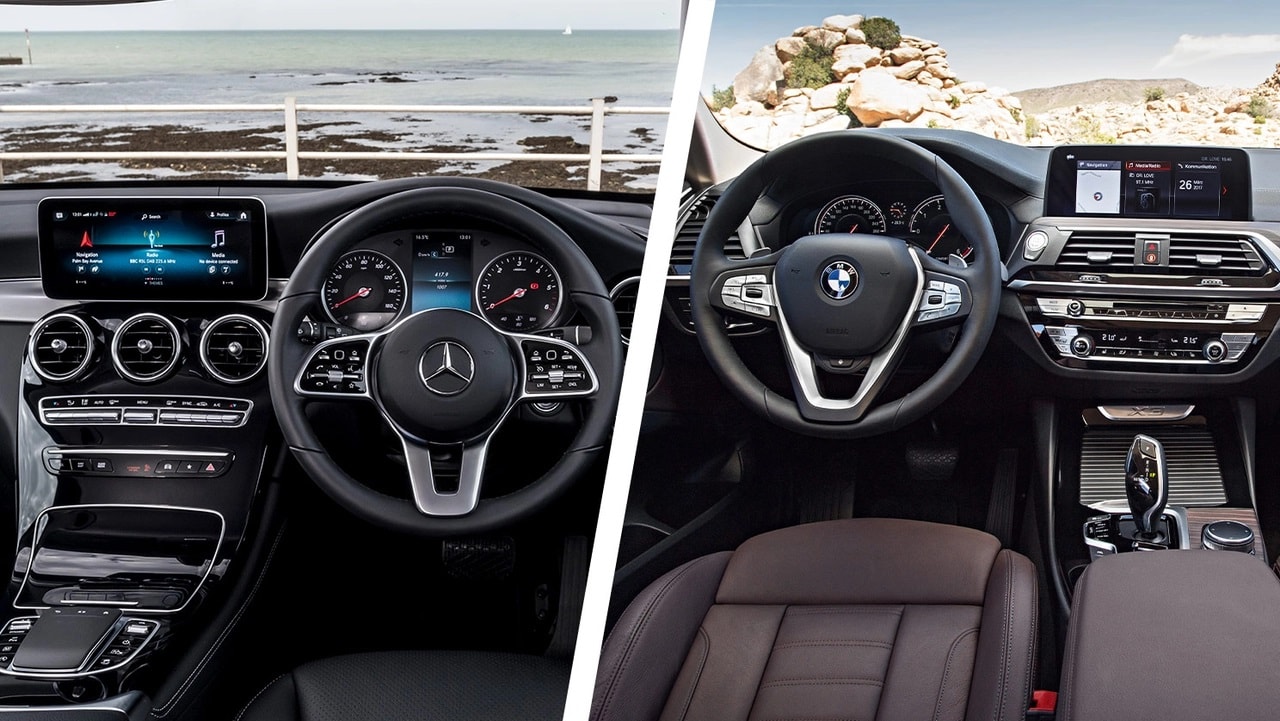
That doesn't mean BMW is more energy efficient. Initial estimates suggest Mercedes achieved 4.7 miles/kWh, while BMW ranged from 3.87–4.59 miles/kWh. Mercedes has focused heavily on improving the energy efficiency of its electric vehicles, and the initial figures suggest this effort is yielding positive results. Additionally, the GLC stands out as one of the few EVs equipped with a two-speed gearbox, which helps save energy at high speeds.
Although Mercedes had an advantage in performance, the BMW iX3 still won in this category. The reason is that American customers often prioritize driving range over fuel efficiency.
Mercedes GLC EV vs. BMW iX3: Battery Capacity & Technology
The performance of an electric vehicle also depends heavily on battery capacity. The Mercedes GLC EV achieves a driving range of approximately 400 miles with a 94 kWh battery pack. Meanwhile, the BMW iX3 is equipped with a larger battery pack, with a usable capacity of up to 108.7 kWh, giving it an advantage in range.
BMW achieved this by applying sixth-generation cylindrical battery technology, which increases energy density by 20% and charging speed by 30% compared to the previous generation. This is a significant step forward that helps the iX3 compete more strongly in the electric SUV segment.
Both Mercedes and BMW use NMC (nickel-manganese-cobalt) lithium-ion battery technology, which has a high energy density but is not as durable as the LFP (lithium-iron-phosphate) type commonly found in China. However, Mercedes plans to equip the standard version of its CLA electric model with LFP batteries in the future.
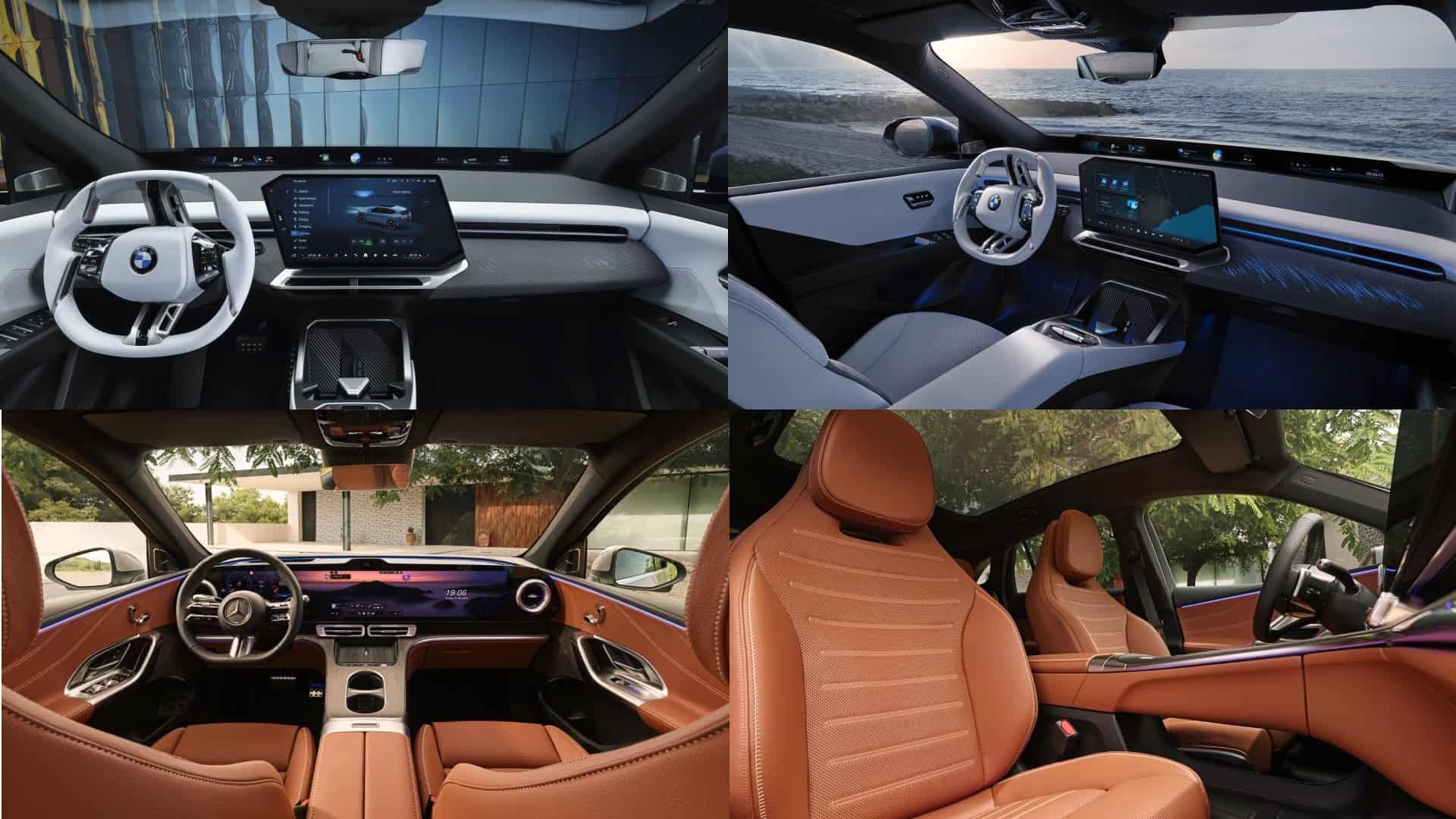
Overall, it's impossible to say which company has a clear advantage in the battery category, as each has its own strengths: Mercedes focuses on optimizing performance from smaller battery packs, while BMW is betting on new battery technology with larger capacities.
Mercedes GLC EV vs. BMW iX3: Charging Speed
The biggest advantage of 800-volt electrical architecture is its ability to charge quickly with lower heat dissipation. Unsurprisingly, both the Mercedes GLC EV and BMW iX3 are considered strong contenders in the fast-charging electric vehicle category.
According to the manufacturer, the Mercedes GLC EV can handle a maximum charging power of 330 kW, allowing it to charge from 10–80% in just 24 minutes. However, while the GLC is still charging, the iX3 driver may have already left the station.
The BMW iX3 is even more impressive with its maximum charging speed of 400 kW, shortening the charging time from 10–80% to just 21 minutes. Notably, just 10 minutes of charging can add 231 miles (according to WLTP standards) to the iX3's range, while the Mercedes only adds about 160 miles.
In terms of charging speed, the BMW iX3 clearly has the advantage, placing it at the top of the list of the fastest-charging EVs currently available.
Mercedes GLC EV vs. BMW iX3: Vehicle Control Technology
Both the BMW iX3 and Mercedes GLC EV represent the most advanced generation of technology in the automotive industry. These two German brands are already renowned for cramming their vehicles with a wealth of smart features, and in their new EV generation, this level is taken even further.
Both models feature infotainment screens that extend across the entire dashboard: Mercedes calls it Hyperscreen, while BMW uses Panoramic iDrive. They also come with integrated AI assistants. BMW uses its own dedicated assistant, while Mercedes employs a "multi-agent" strategy: depending on needs, the GLC can activate ChatGPT, Microsoft Bing AI, navigate conversations using Google Gemini, or use Mercedes' own developed assistant.
One clear difference: the Mercedes GLC EV has rear-wheel steering, aiding maneuverability in tight spaces, while the BMW iX3 does not. However, both boast a range of the latest advanced driver assistance systems (ADAS), capable of controlling braking, steering, and acceleration on highways, as well as assisting in traffic jams from complete stop to slow movement.
If you want to turn the car into a "mobile power station," both models also offer Vehicle-to-Home and Vehicle-to-Everything features, allowing the car's battery to power other devices.
Despite their impressive feature lists, neither Mercedes nor BMW have yet achieved the intuitive and seamless experience of Tesla, BYD, or Rivian in the software department. The winner in this category will depend on their ability to transform complex technology into a simple, user-friendly experience for customers.
For now, the Mercedes GLC EV and BMW iX3 can be considered to be tied in terms of technology.
Mercedes GLC EV vs. BMW iX3: Price & Release Date
BMW says the iX3 50 xDrive will have a starting price under $60,000 when it launches in summer 2026. Lower-priced versions such as the iX3 40 sDrive (RWD) and 40 xDrive will be introduced later, with expected prices starting under $55,000. This is an attractive price point compared to the petrol-powered X3, which starts at around $52,000. However, like many other German cars, the actual cost will increase significantly when customers choose optional packages, and it's highly likely the final price will exceed $60,000.
Mercedes has not yet announced the official price for the GLC EV. The GLC 400 4Matic With EQ Technology is scheduled to launch in late 2026, while the GLC 300+ RWD will appear in early 2027. Currently, the price remains unknown.
Mercedes GLC EV vs. BMW iX3: A Comprehensive Review
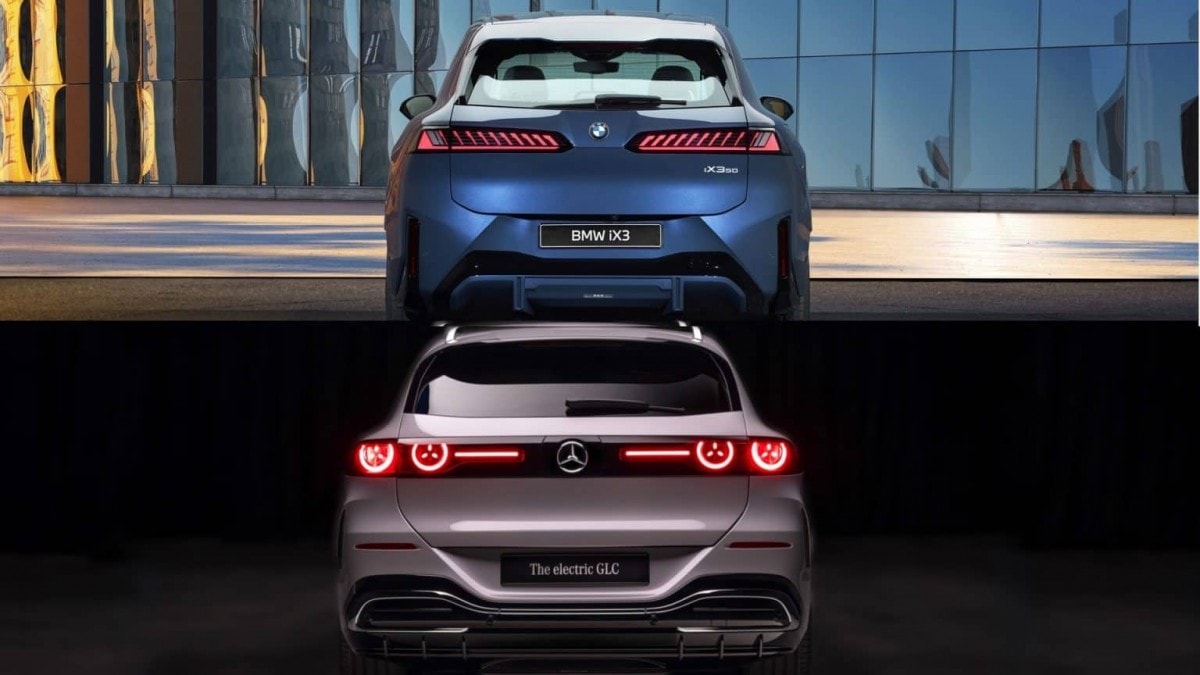
Based on specifications, the Mercedes GLC 400 has advantages in acceleration, energy efficiency, diverse AI features, and rear-wheel steering. Conversely, the BMW iX3 excels thanks to its longer driving range, faster charging speed, and attractive sporty design.
On paper, both models are fairly evenly matched. However, true success will depend on whether each manufacturer can transform complex technology into a simple, user-friendly experience at a reasonable price. This is a big gamble, and in the fiercely competitive electric vehicle market, neither Mercedes nor BMW can afford to fail.


