
Microsoft Surface 2026: Why are individual users being left behind in the Intel vs. ARM chip race?
Microsoft's latest Surface line is controversial for limiting individual users to ARM chips, while business customers are prioritized for the more powerful and stable Intel Panther Lake chips.
Microsoft has officially launched its new Surface device lineup for 2026, including the Surface Pro OLED and the 13.8-inch Surface Laptop. However, the tech giant's hardware distribution strategy is facing mixed reactions. While individual users are completely limited to the ARM architecture, business customers enjoy far more powerful and flexible hardware options.
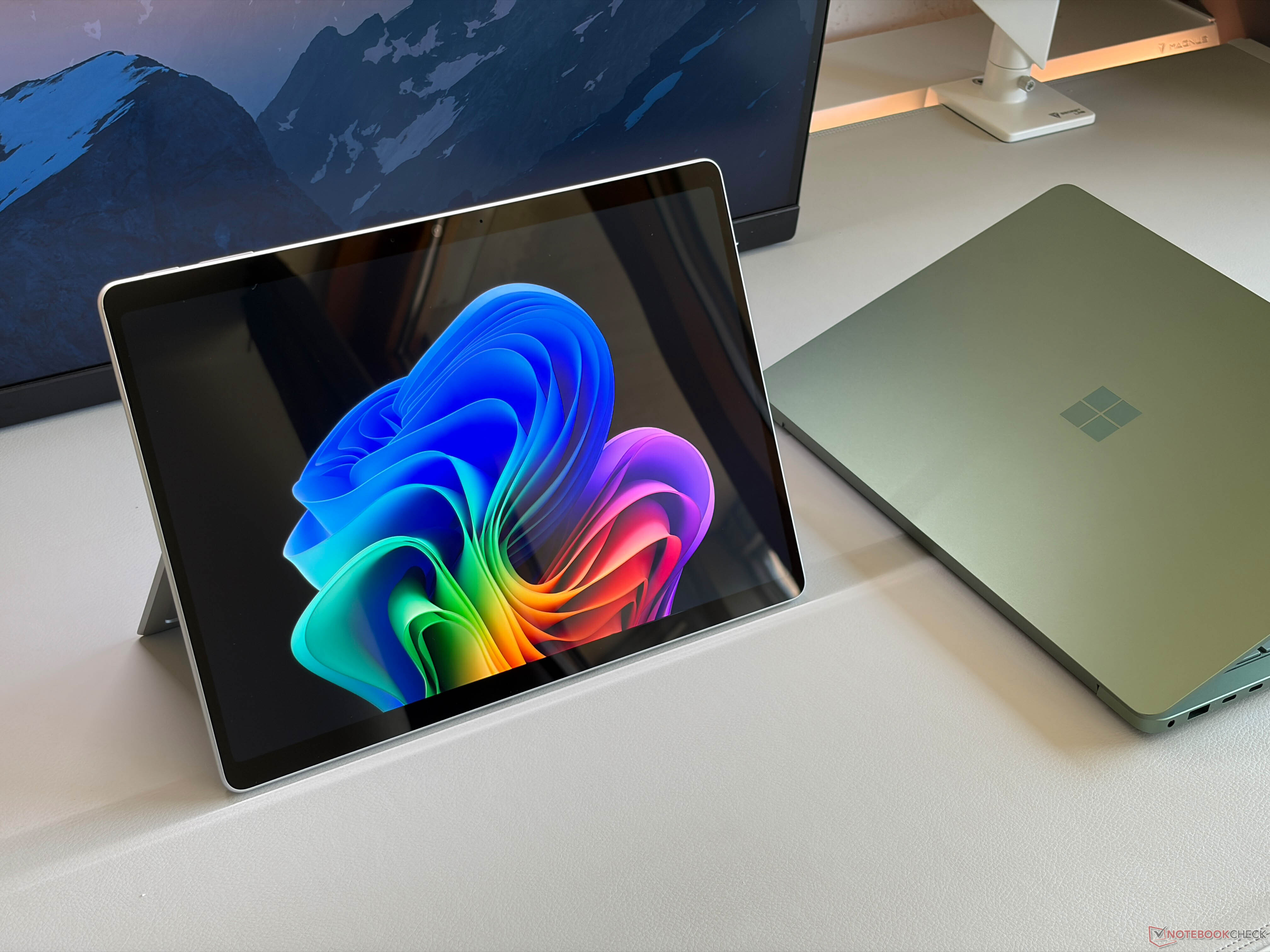
Fragmentation strategy: ARM for individuals, Intel for businesses.
Since mid-2024, Microsoft has begun a strong shift towards Qualcomm's ARM processors for its mainstream Surface line. By the 2026 generation, the company remains committed to this path, offering Snapdragon X chips only to the consumer segment. Conversely, the Business Edition offers a wider selection between ARM and the latest Intel Panther Lake chips.
This distinction creates a significant barrier to user experience. In reality, despite numerous improvements in ARM architecture, Windows on ARM still faces issues with x86 software compatibility and a lack of drivers for peripherals. Forcing individual users to choose ARM without Intel options leaves many customers feeling deprived of a more stable solution.
Comparison table of Surface 2026 hardware options
| Features | Consumer Version | Business Version |
|---|---|---|
| Microprocessor | ARM (Snapdragon X Series) only | Choose between ARM or Intel Panther Lake |
| Graphics (GPU) | Integrated Adreno | Intel Arc B390 (on the Intel version) |
| Mobile connection | 5G is not supported. | 5G option (on Surface Pro) |
| Screen | Standard mirror | Anti-glare and security filter options |
Superior graphics power from the Intel Panther Lake chip.
The most disappointing aspect for individual users lies in the graphics processing performance. On the business-oriented Surface Laptop line, Microsoft equips it with the Intel Core Ultra X chip featuring the new Arc B390 iGPU. This represents a significant leap in power, taking graphics processing and gaming capabilities to a level that current Snapdragon-powered models cannot reach.
In addition, exclusive features for the Business line, such as the 5G module on the Surface Pro, provide continuous mobile connectivity – a crucial factor for those who travel frequently but which is not present in the mainstream commercial version.
Barriers to value and accessibility
Although individual users can still find Business versions at some retailers, the prices are usually very high and discounts are rare. Conversely, versions running ARM chips tend to depreciate quickly in the secondary market. This puts users in a dilemma: either accept an ARM device that may have compatibility issues, or pay a large sum for an Intel version that should ideally be sold to the general public.
Notably, screen options such as anti-glare coatings or built-in security filters on the Business line, while sometimes slightly reducing display quality, are still worthwhile choices that individual users simply don't have the opportunity to experience firsthand.
Many tech experts believe that if Microsoft truly believes in ARM's future, they should let the market decide instead of using a "blocking" strategy against individual customers. The lack of Intel Panther Lake options on mainstream Surface models in 2026 could cause Microsoft to lose a large number of loyal users who prioritize stability and pure graphics performance.


