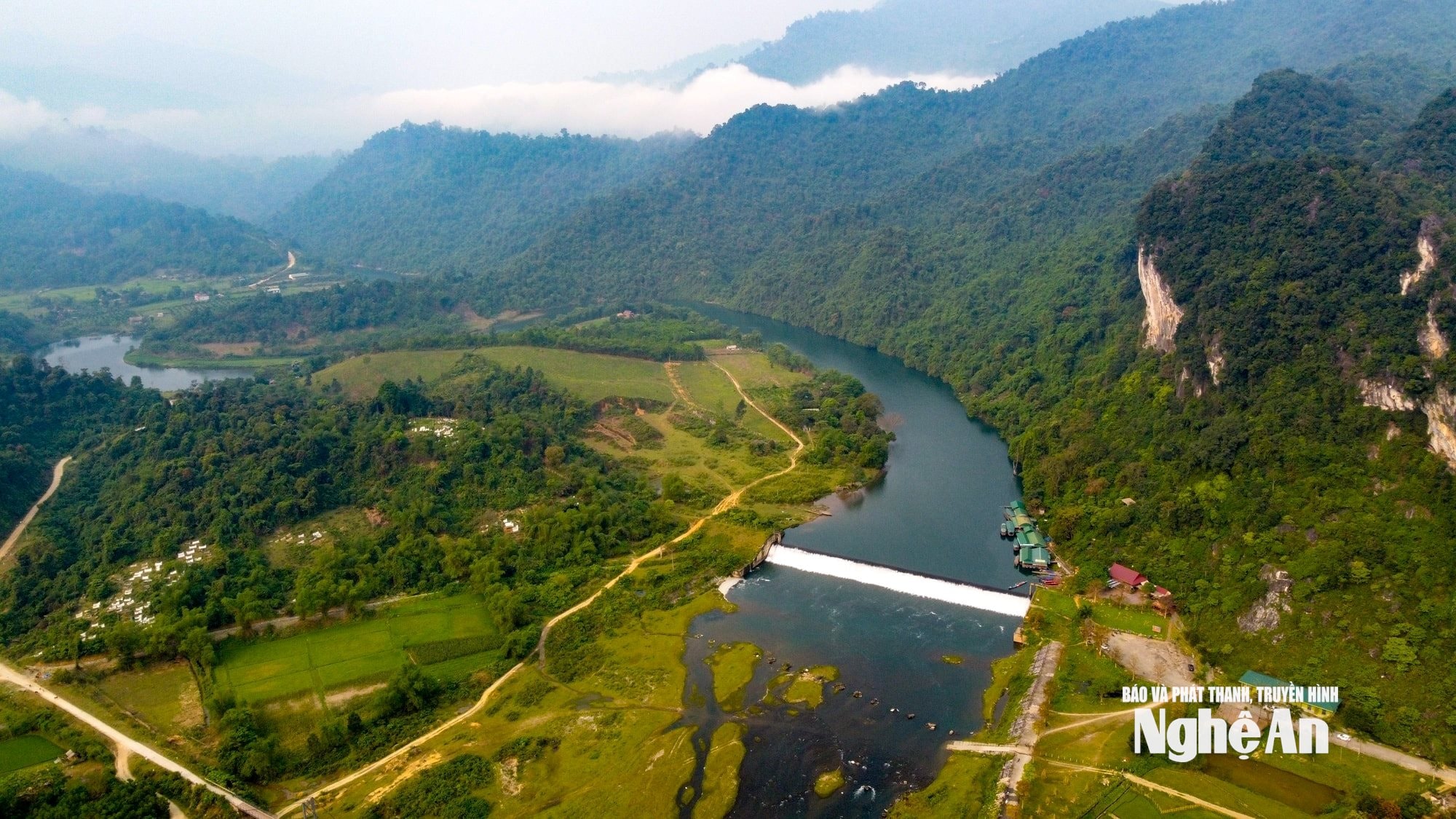
The mountainous region of Nghe An proactively implements the Party Congress Resolution into practice.
Based on the potential and advantages of each region, the mountainous localities of Nghe An province have promptly concretized the goals and tasks of the Party Congress Resolution with practical action programs. Through this, they are gradually realizing their determination to innovate and develop.

Khanh Ly/ Technique:Hong ToaiOctober 27, 2025
------------------o0o-----------------
Based on the potential and advantages of each region, the mountainous localities of Nghe An province have promptly concretized the goals and tasks of the Party Congress Resolution with practical action programs. Through this, they are gradually realizing their determination to innovate and develop.

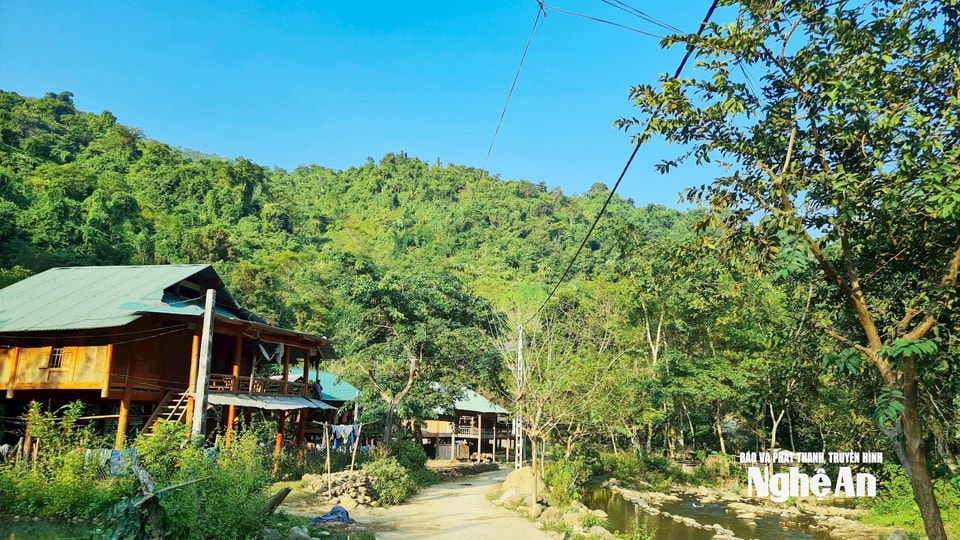
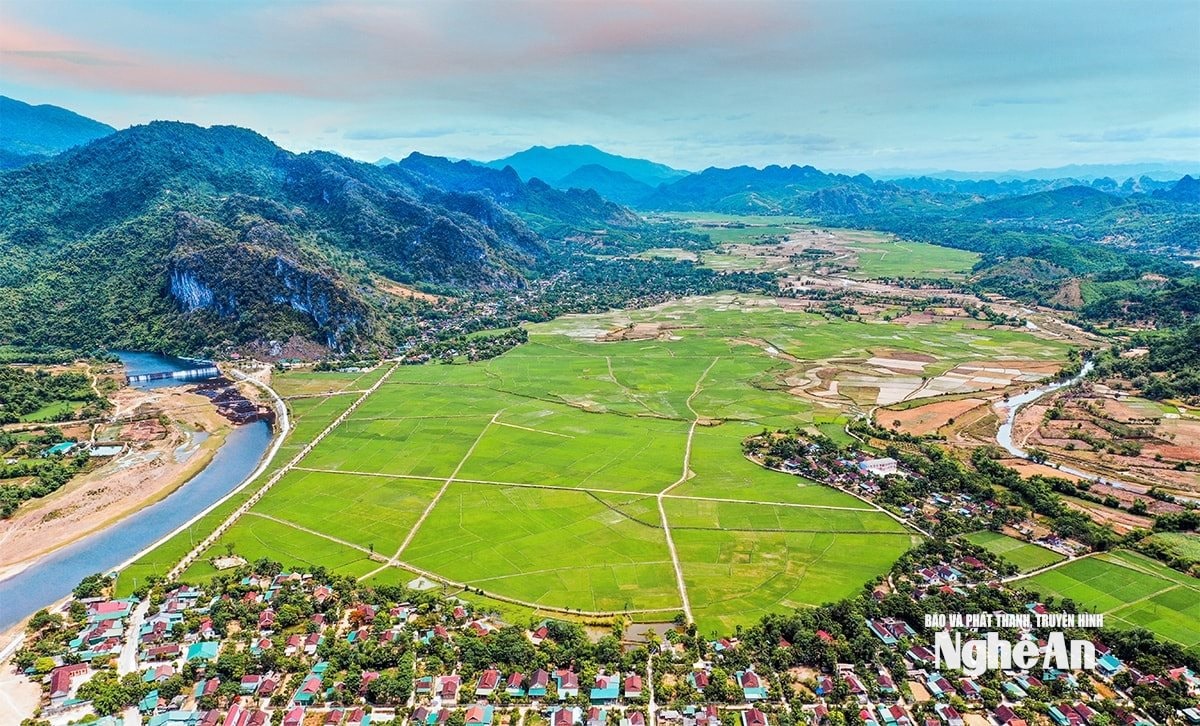
The Na Khuong village (Na Loi commune) boasts picturesque fields of fragrant rice alongside the crystal-clear Nam Tam stream. According to the elders, "Even with the same fragrant rice variety, watered by the Nam Tam stream results in a much stronger aroma and texture compared to other places. This indigenous rice variety has been cultivated by the villagers for generations." Currently, only two out of five villages in Na Loi commune cultivate this fragrant rice, covering approximately 25-30 hectares.
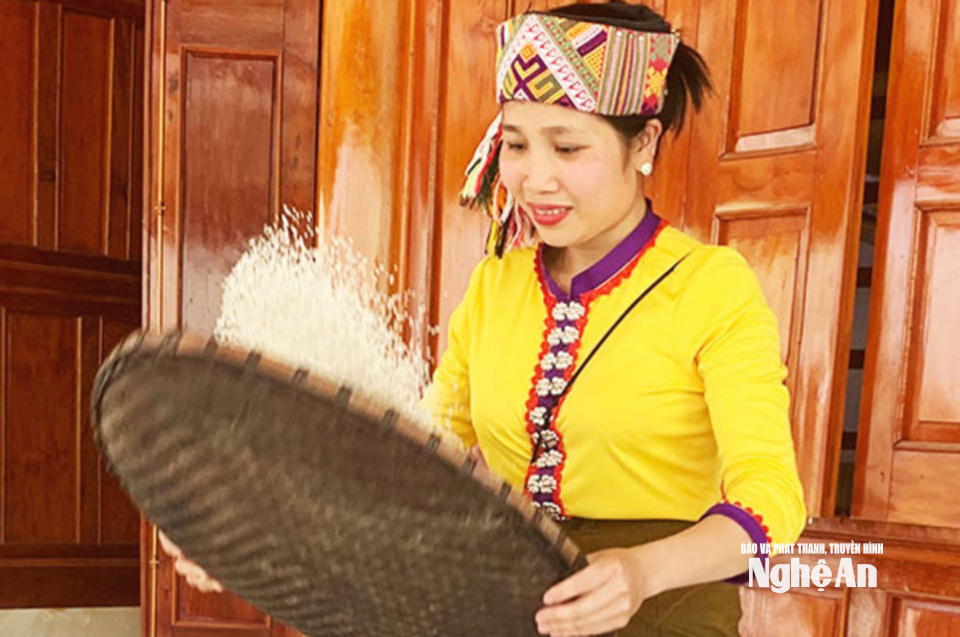
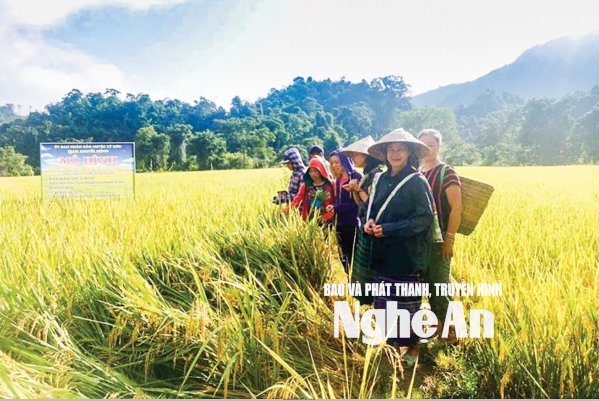
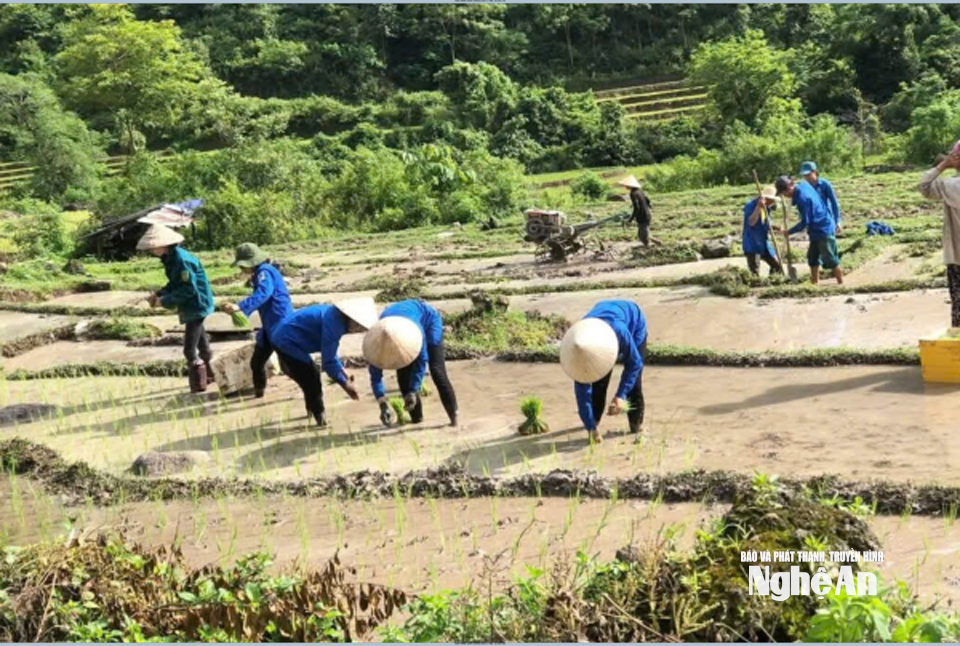
Therefore, fragrant rice is considered a "specialty" in Na Loi commune, with high consumer demand and production exceeding supply. This product is also included in the project to develop household economies, cooperatives, and associations linked to commodity production, building local product brands and trademarks in Na Loi commune for the period 2025-2030 and beyond, in order to implement the Resolution of the First Party Congress of the commune, term 2025-2030.
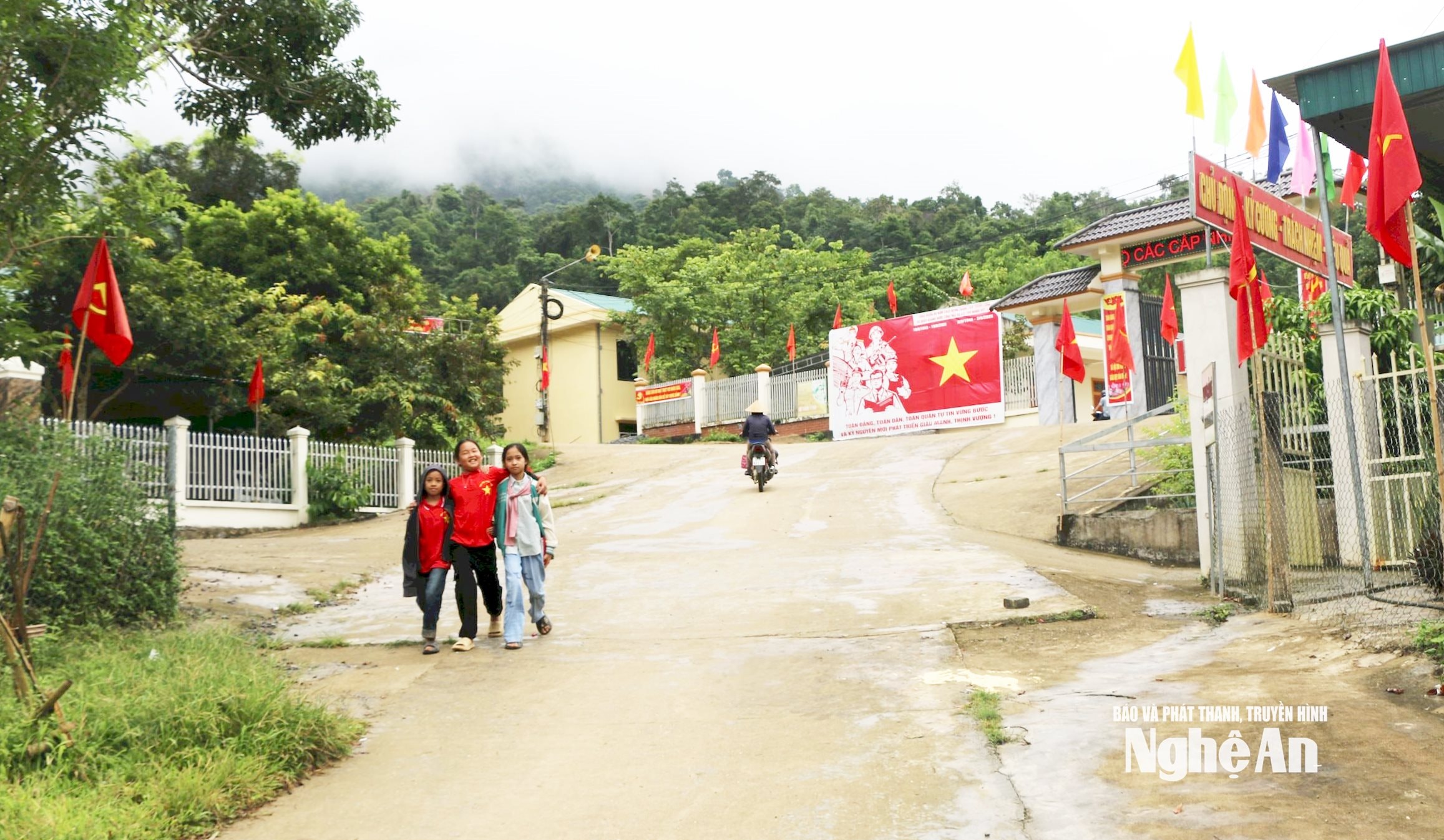
Mr. Nguyen Gia Ly, Permanent Deputy Secretary of the Party Committee of Na Loi commune, said: Na Loi commune has diverse natural conditions and abundant resources of forests, land, and valuable medicinal plants, favorable for developing forestry, livestock farming, and unique agricultural products; in addition to fragrant rice, there are other products such as black chickens, black pigs, catfish, mustard greens, Muscovy ducks, brocade weaving; ginger, sorghum, purple cardamom…
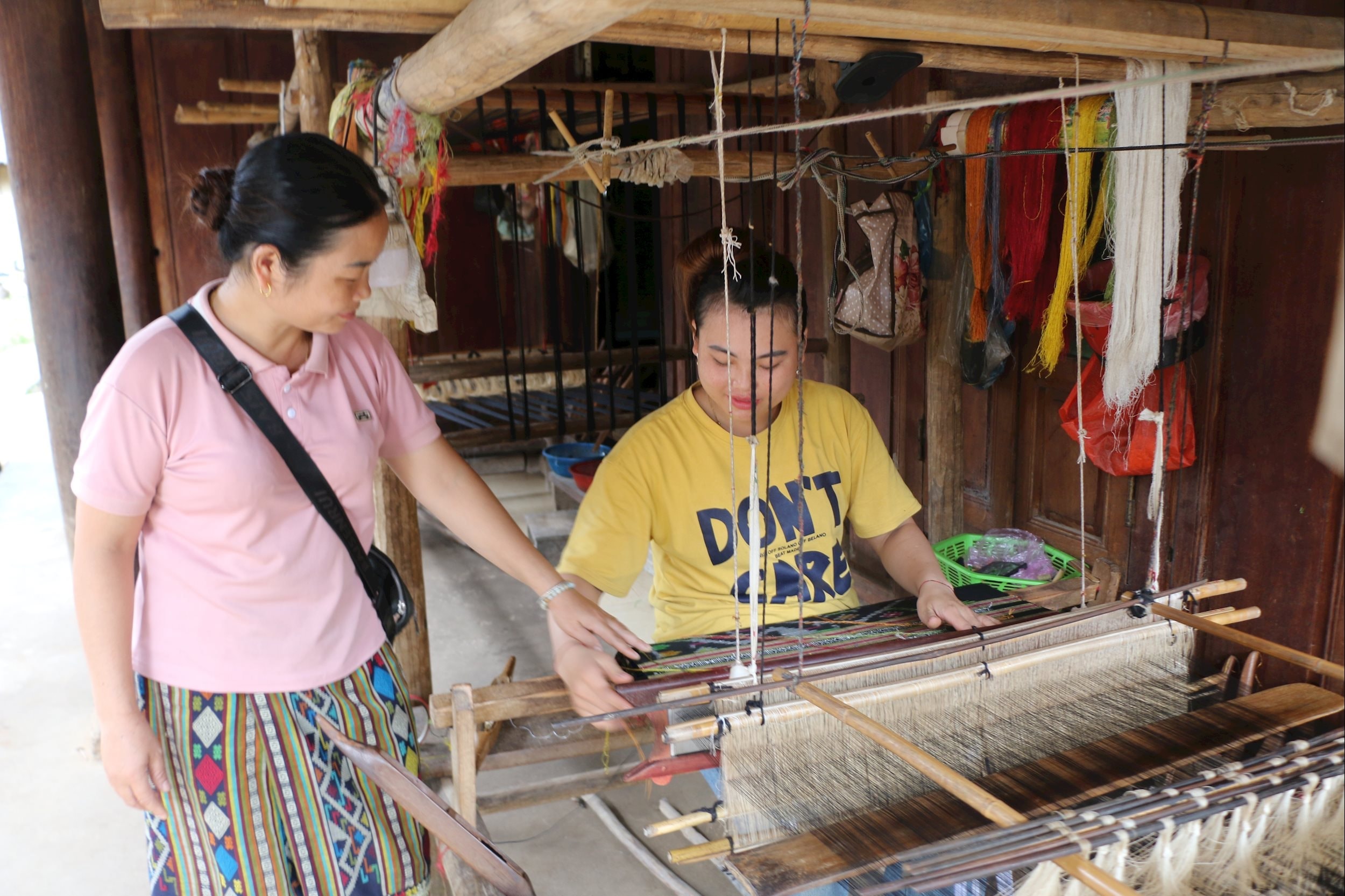
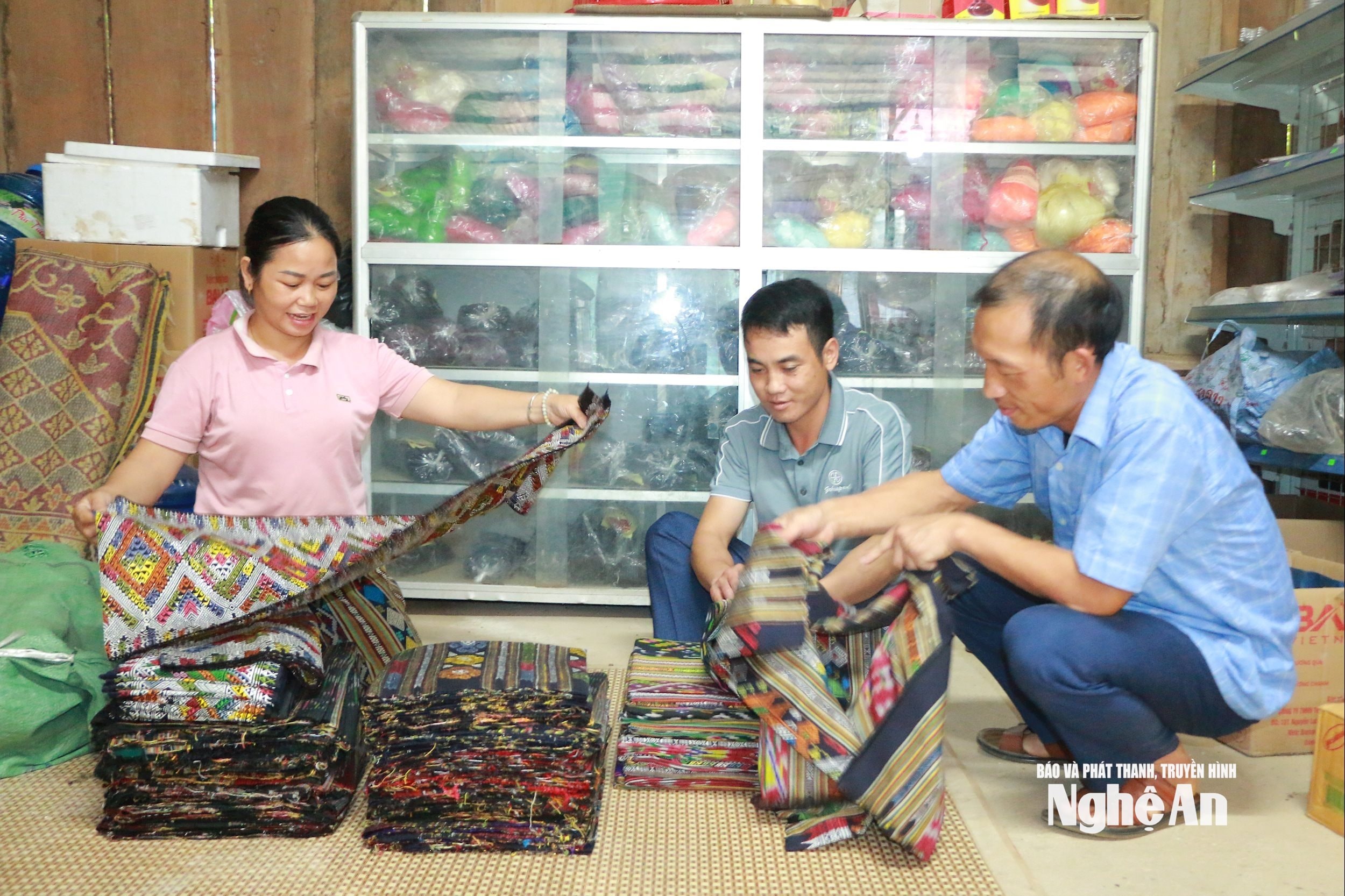
In addition, as part of the action plan to implement the Resolution of the 1st Party Congress of Na Loi commune, the Party Committee of Na Loi commune also developed a project to improve the efficiency of management and exploitation of potential and advantages for economic development associated with forest protection in the period 2025-2030 and beyond.
Through this, we will leverage the strength of the entire political system and the self-reliance and self-improvement of cadres, Party members, and the people to gradually realize the goal of accelerating the economic restructuring towards sustainable agricultural and forestry development, combined with exploiting advantages in medicinal plants, large-scale livestock farming, and forest planting linked to processing…
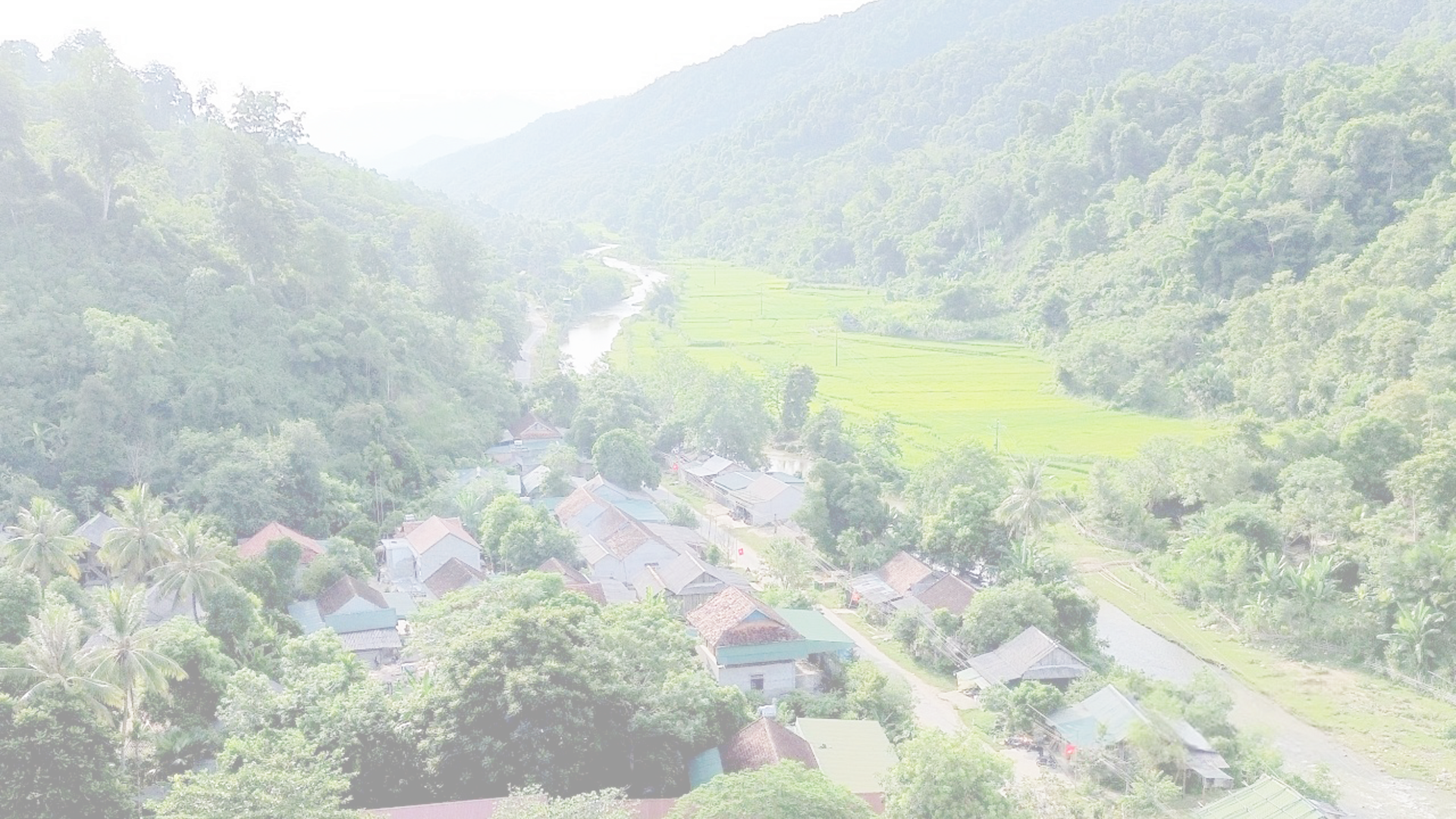
Meanwhile, Yen Hoa commune, a mountainous area in the western part of Nghe An province, was established by merging Yen Thang and Yen Hoa communes. It has a natural area of 211.01 km², a population of 8,418 people, 1,921 households, and 18 villages, with ethnic minorities (Thai, Khmu) accounting for 97.87%.
The Resolution of the First Party Congress of the commune, term 2025-2030, identifies 5 key tasks and 3 strategic breakthroughs; including the goal of: Promoting the development of trade and services, linking the development of community-based ecotourism with the promotion of ethnic cultural identity, creating a value chain of valuable goods and products, increasing income; and improving the material and spiritual lives of the people.
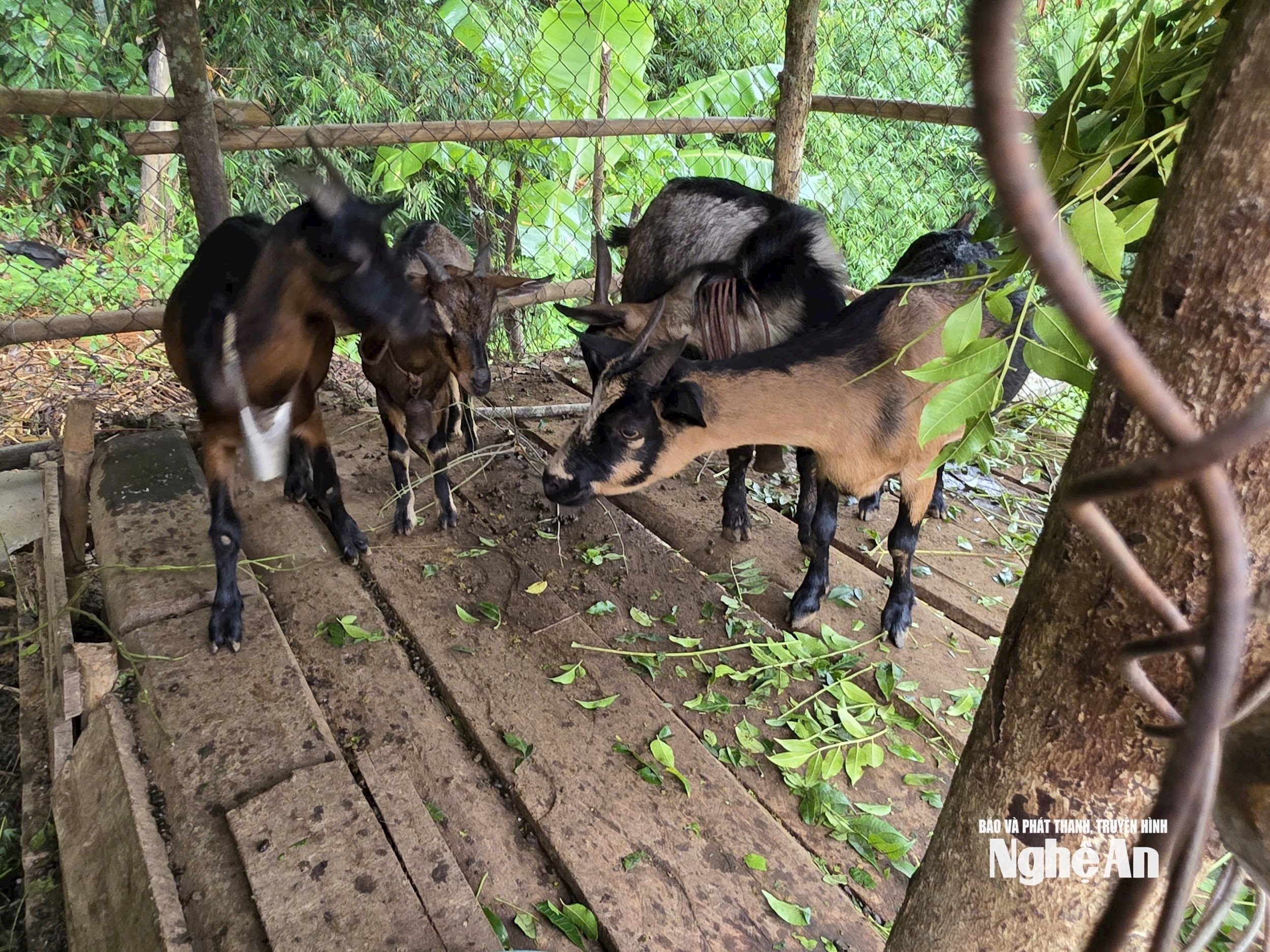
To achieve the above goals and tasks, based on the potential and strengths of the locality, the Party Committee of Yen Hoa commune has developed a specific action program, which includes a project to build 18 exemplary economic models in the fields of agriculture, forestry, fisheries, production, business, and services in 18 villages (one suitable model selected for each village).
In addition, according to Comrade Luong Ba Vin - Secretary of the Party Committee of Yen Hoa commune: In recent years, the development of local products has made significant progress, with several key products being established, initially creating brands and contributing to job creation and increased income for the people, such as purple tea in Cooc village and tea bags in Yen Thang village, which have achieved OCOP 3-star standards...
However, agricultural products remain fragmented, small-scale, and unsustainable; production and consumption linkages are limited; competitiveness is low; and the potential and strengths of the locality have not been fully exploited.
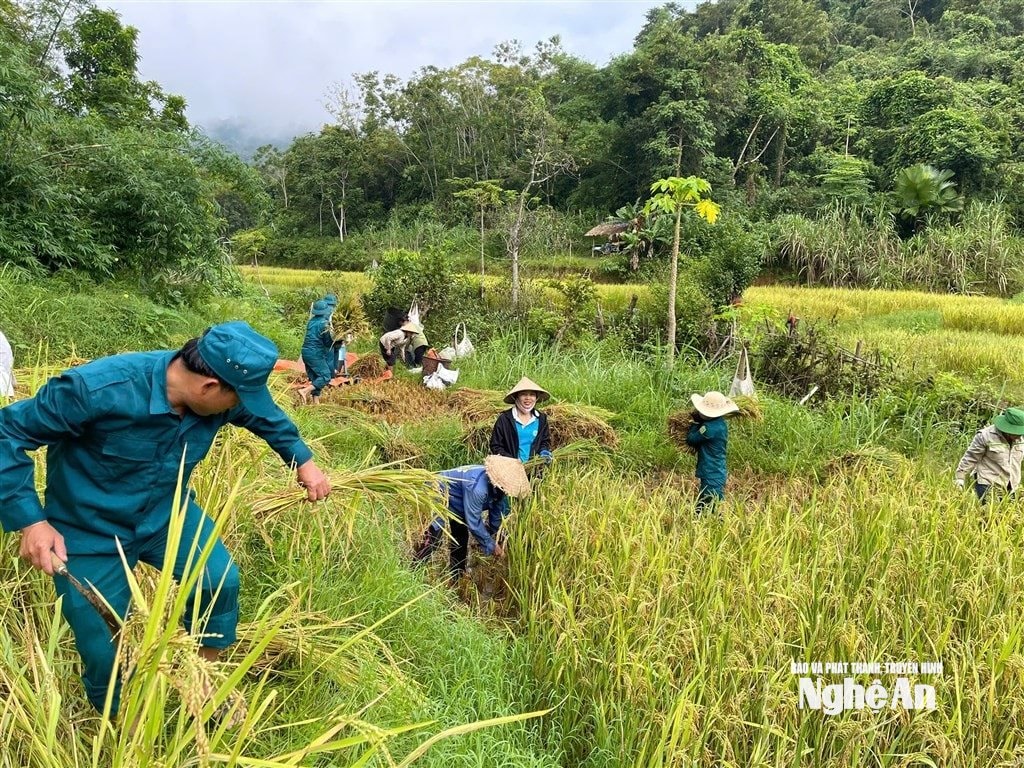
In line with the guiding principles of Resolution No. 68-NQ/TW of the Politburo on the development of the private economy, and recognizing the crucial importance of household economics for the development of mountainous localities, the Party Committee of Yen Hoa commune has developed specialized Resolution No. 02-NQ/DU on the development of "products for the entire people," implemented in 18 villages. Funding comes from the production development support source of the National Target Program for New Rural Development, combined with internal resources from households and cadres and Party members.
The overall objective of the resolution is to focus on developing "products for the whole community" in a planned and sustainable manner, linked to the construction of advanced new rural areas, creating distinctive local products, and contributing to improving the lives and incomes of the people.
To effectively implement the resolution, the Party Committee of Yen Hoa commune requests that the leading role of the Party branches and committees, and the exemplary spirit of cadres and Party members be promoted in propagating and mobilizing the people to actively participate in developing products suitable to the production, cultivation, land, climate, and soil conditions of the locality and households.
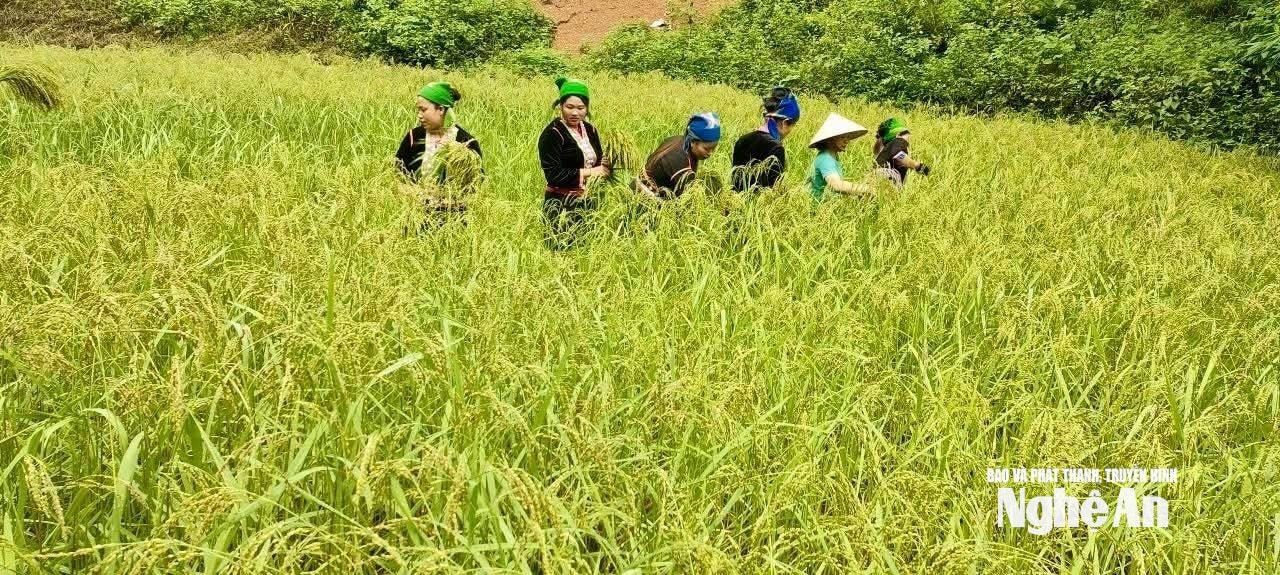
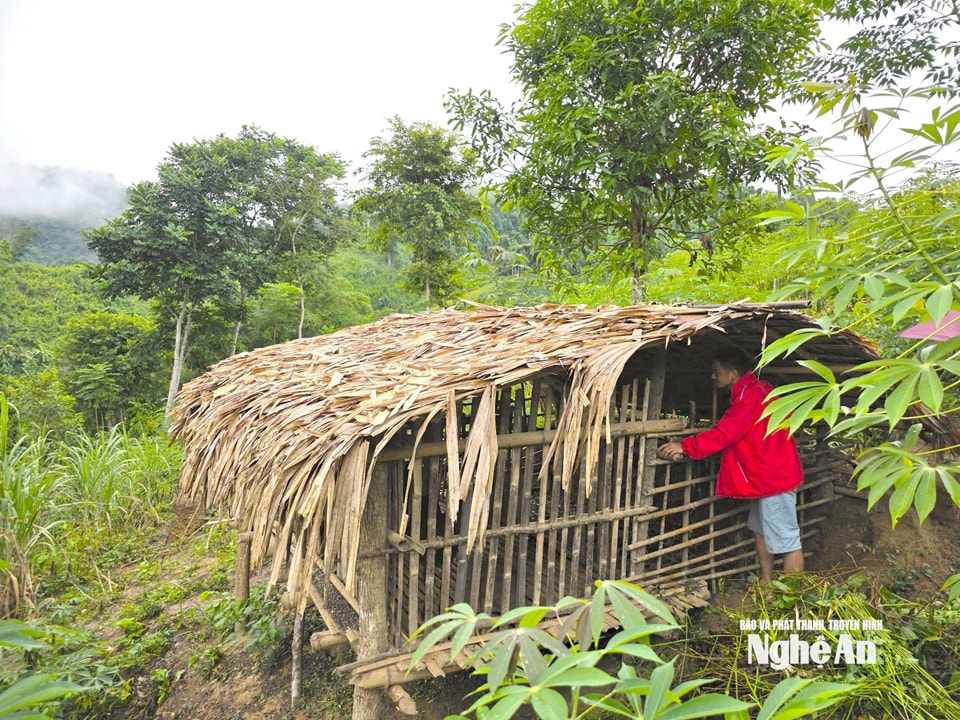
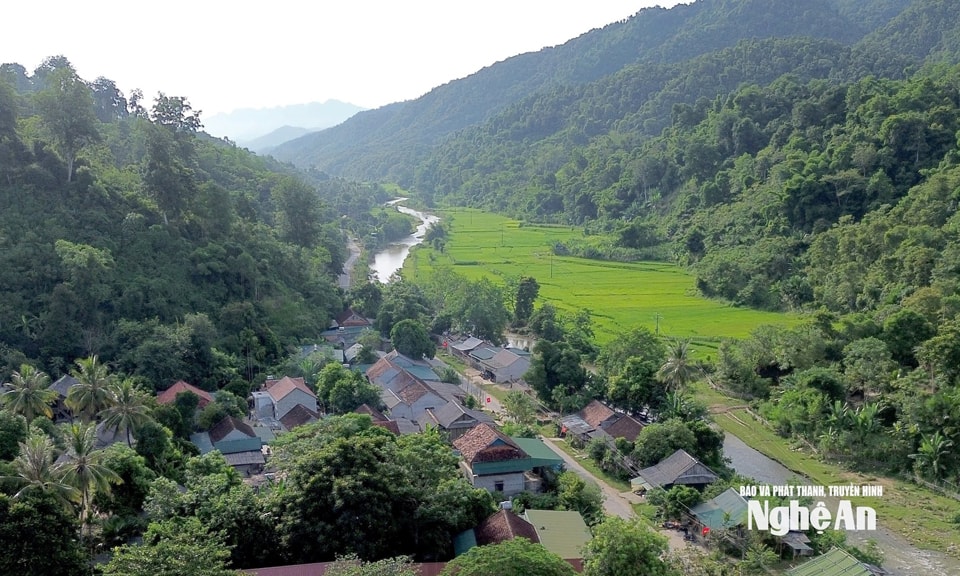
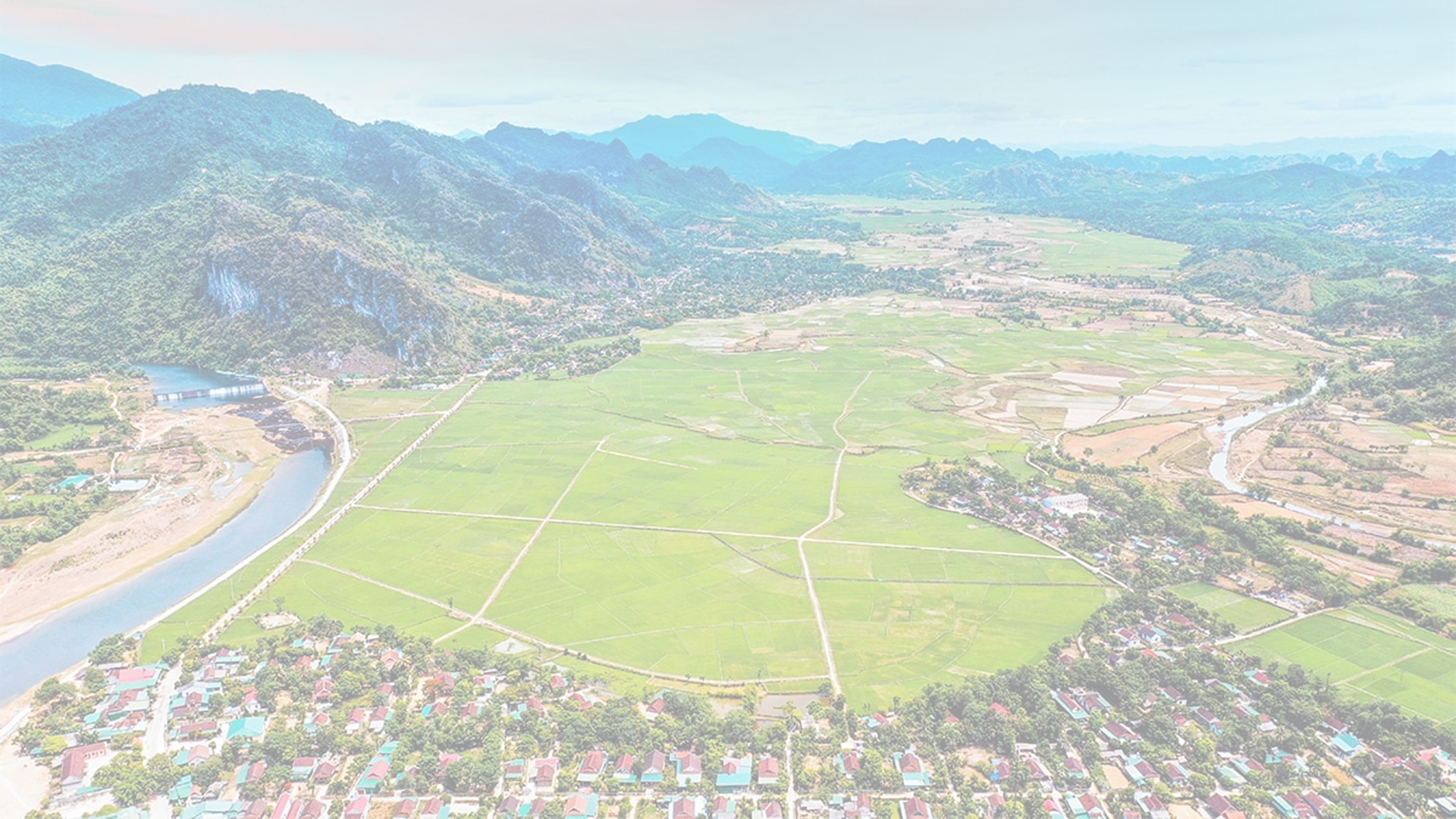
In Yen Na commune, implementing the action program to put the Resolution of the 1st Party Congress of the commune into practice, the focus is on steadfastly pursuing comprehensive agricultural development, with livestock farming and aquaculture as key sectors; implementing production zone planning based on strengths; effectively exploiting the potential of infrastructure and geographical location, and expanding connections with neighboring areas. The commune's leaders have directly surveyed and discussed plans for effectively utilizing land in several areas, such as Khe Quan, for production purposes to maximize the local potential.
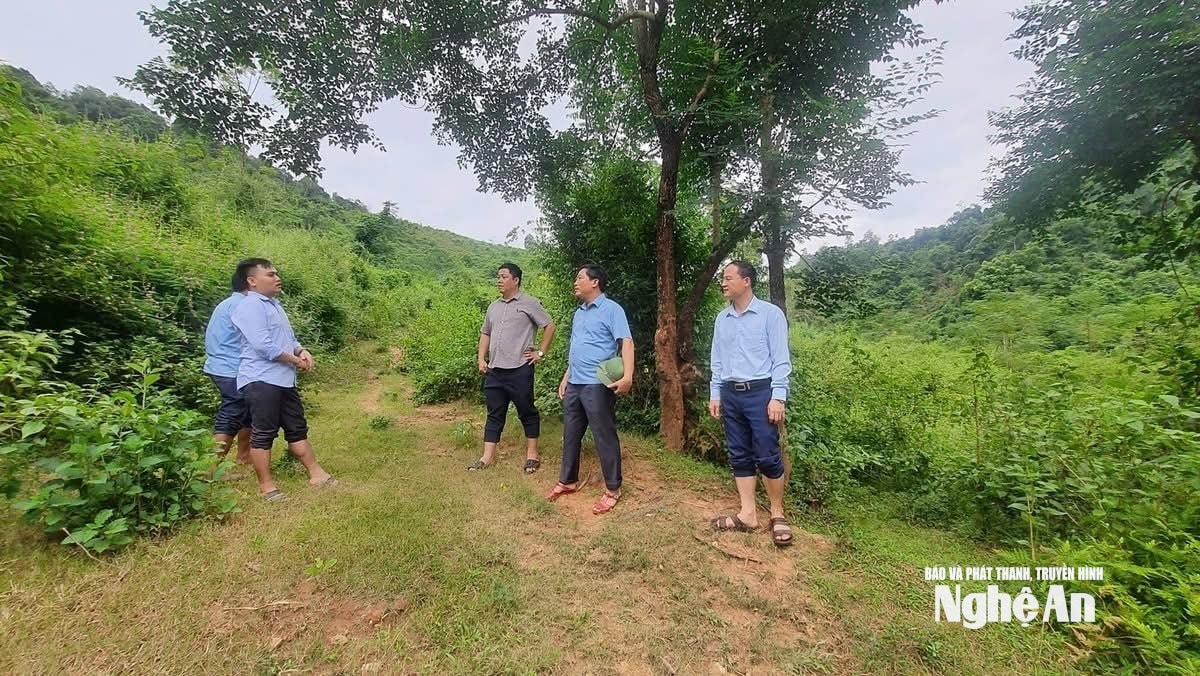
Based on an assessment of natural conditions, Yen Na commune plans to cooperate with businesses to implement models such as chili and bean cultivation, aiming to form concentrated production areas, create distinctive OCOP products, and contribute to increasing people's income. At the same time, it will direct departments, agencies, and mass organizations to promote and encourage people to register to participate in production and implement pilot models for wider application.
Along with a strong shift towards sustainable agricultural economic development, the Party Committee and government of Yen Na commune also pay special attention to the preservation and promotion of the cultural identity of ethnic groups in the area.
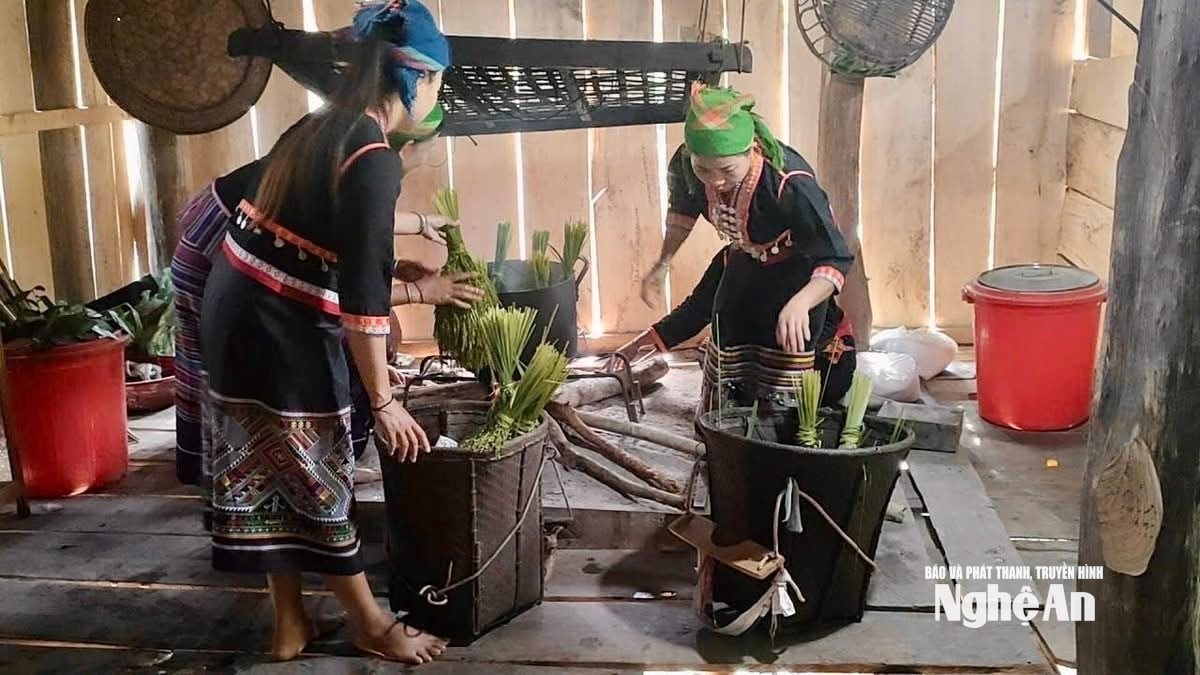
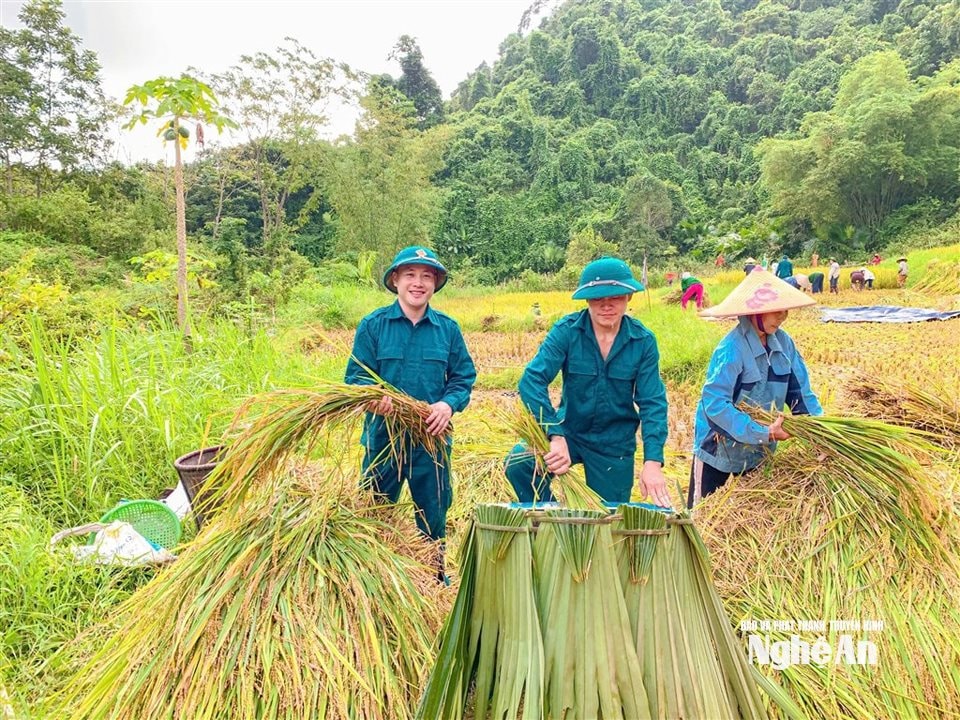
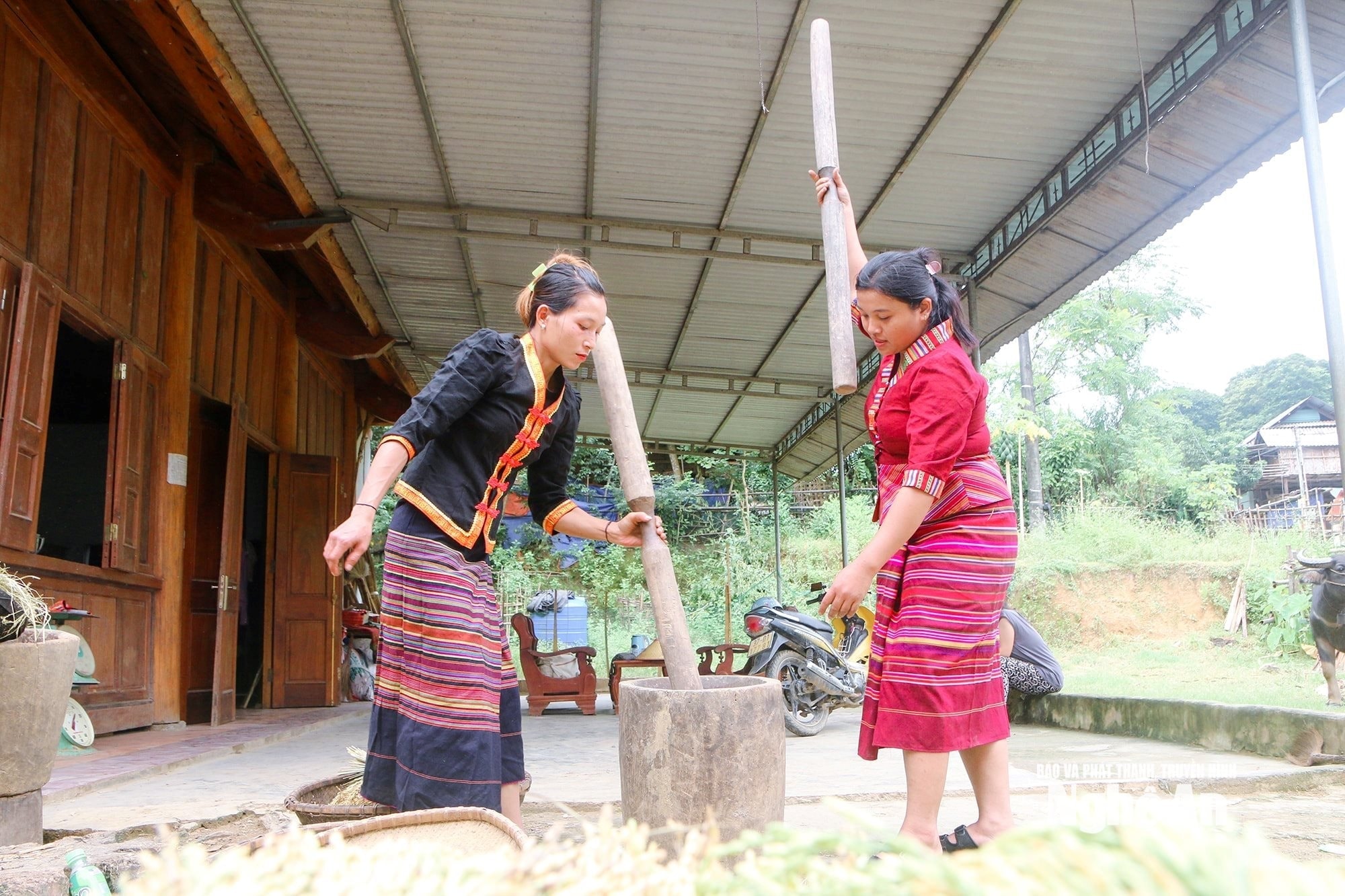
For example, encouraging households to maintain and organize the "new rice" celebration after each harvest to thank the mountain and river gods for granting them a bountiful rice harvest. After the villages and households celebrate the "new rice, new rice" ceremony, the commune government holds a communal "new rice" ceremony to pray for favorable weather, a bountiful harvest, and prosperity for the people.
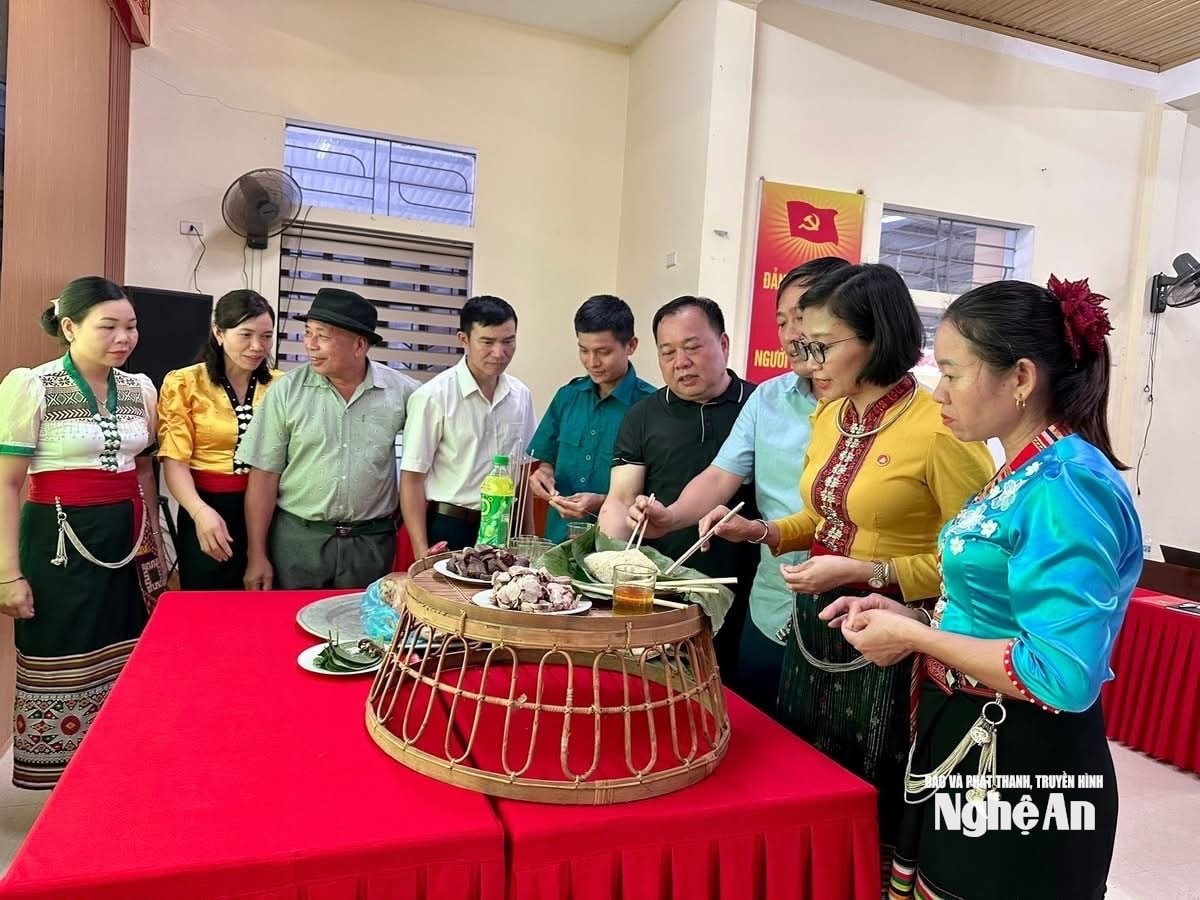
This contributes to preserving the unique cultural values of our nation and the rice-farming civilization. At the same time, it awakens national pride, strengthens national unity, promotes the "National Unity in Building a Culturally Rich Life" movement, and supports the commune's new rural development program.
.png)
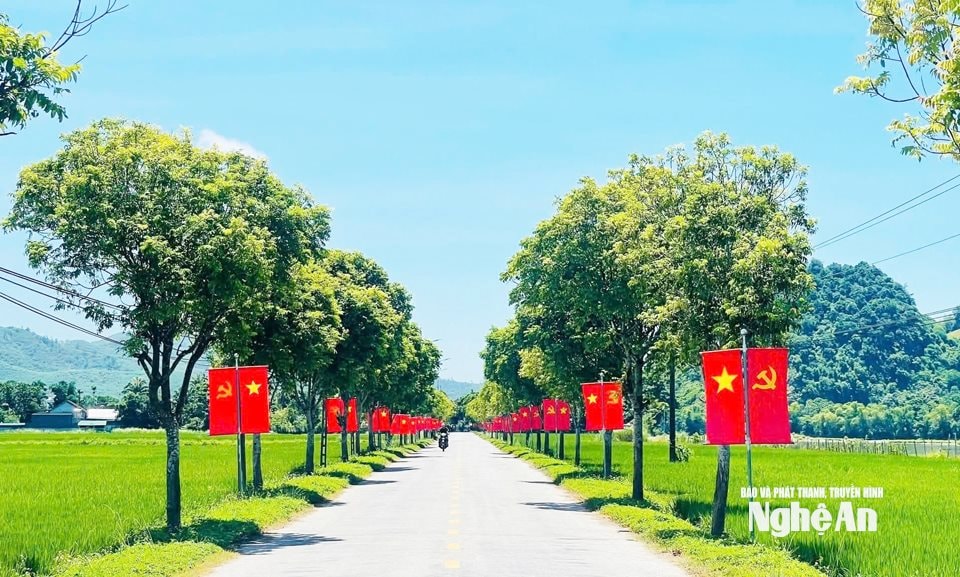
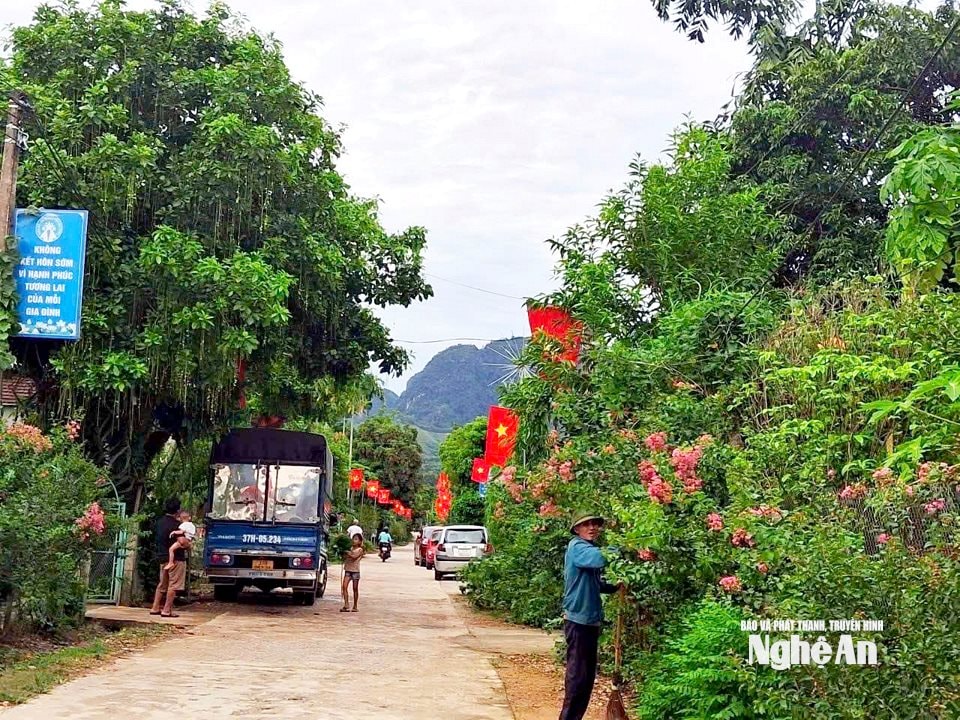
Besides developing economic models featuring local specialties linked to cultural preservation, and expanding regional linkages, promoting trade, and creating momentum for socio-economic development, mountainous communes, in their action programs to implement the Party Congress resolution, are also focusing on breakthroughs in infrastructure and transportation.
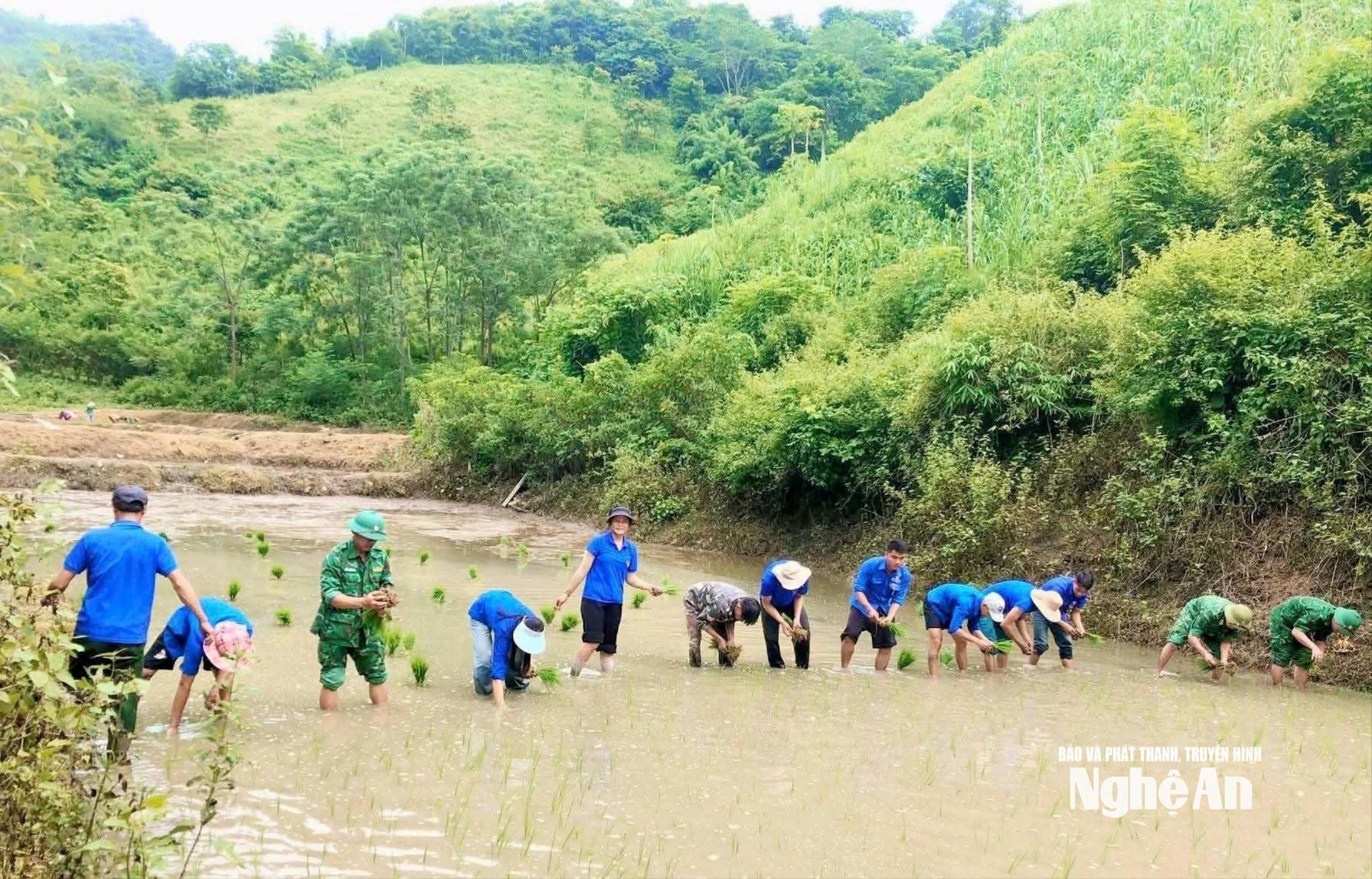
For example, in Bac Ly commune, which has 999 households with over 5,100 inhabitants belonging to three ethnic groups—Thai, Mong, and Kho Mu—scattered across 13 highland villages in rugged terrain, according to Comrade Lu Quang Hung, Secretary of the Commune Party Committee, one of the key contents of the action program to implement the Resolution of the Bac Ly Commune Party Congress for the 2025-2030 term is: Focusing resources on paving the roads from the commune center to the villages.
In reality, Bac Ly commune has 13 villages, but only Huoi Cang 1 and Huoi Cang 2, located along National Highway 46, have convenient concrete roads for transportation and trade. In other areas, before Typhoon No. 3 in 2025, cars could still reach the villages, but after the typhoon, 10 out of 13 villages in the commune were inaccessible due to landslides and road closures. The difficult terrain and poor road conditions are also among the reasons for slow socio-economic development, making it difficult to sell products on a large scale and leading to price manipulation.
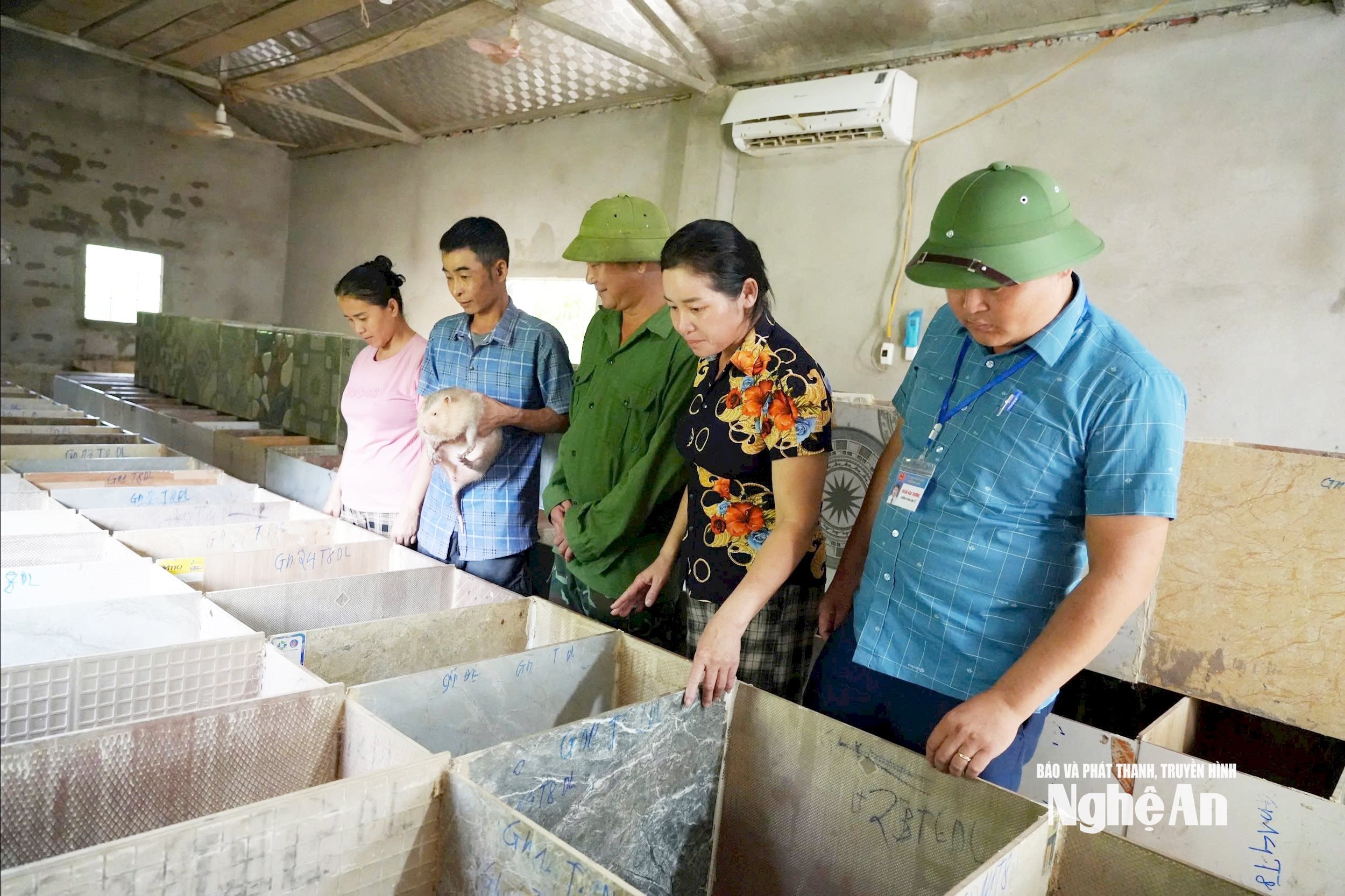
Therefore, "the Party Committee of the commune determined that transportation must come first, paving the way for economic development. This must begin with paving the roads leading to the villages to facilitate travel and the transportation of agricultural products for the people...", Comrade Lu Quang Hung emphasized.
In Nam Can border commune, during the 2025-2030 term, in addition to developing specific action programs to exploit the potential and advantages of land, climate, and geographical location of the border area to develop high-quality commercial agriculture and forestry; promoting trade services and community tourism associated with preserving and promoting the cultural identity of ethnic groups, "Nam Can commune is also implementing many solutions to strive for 100% paving of commune-level roads, and trying to build the Nam Can to Na Ngoi road to expand trade and regional linkages...", said Van Luong, Secretary of the Party Committee of Nam Can commune.
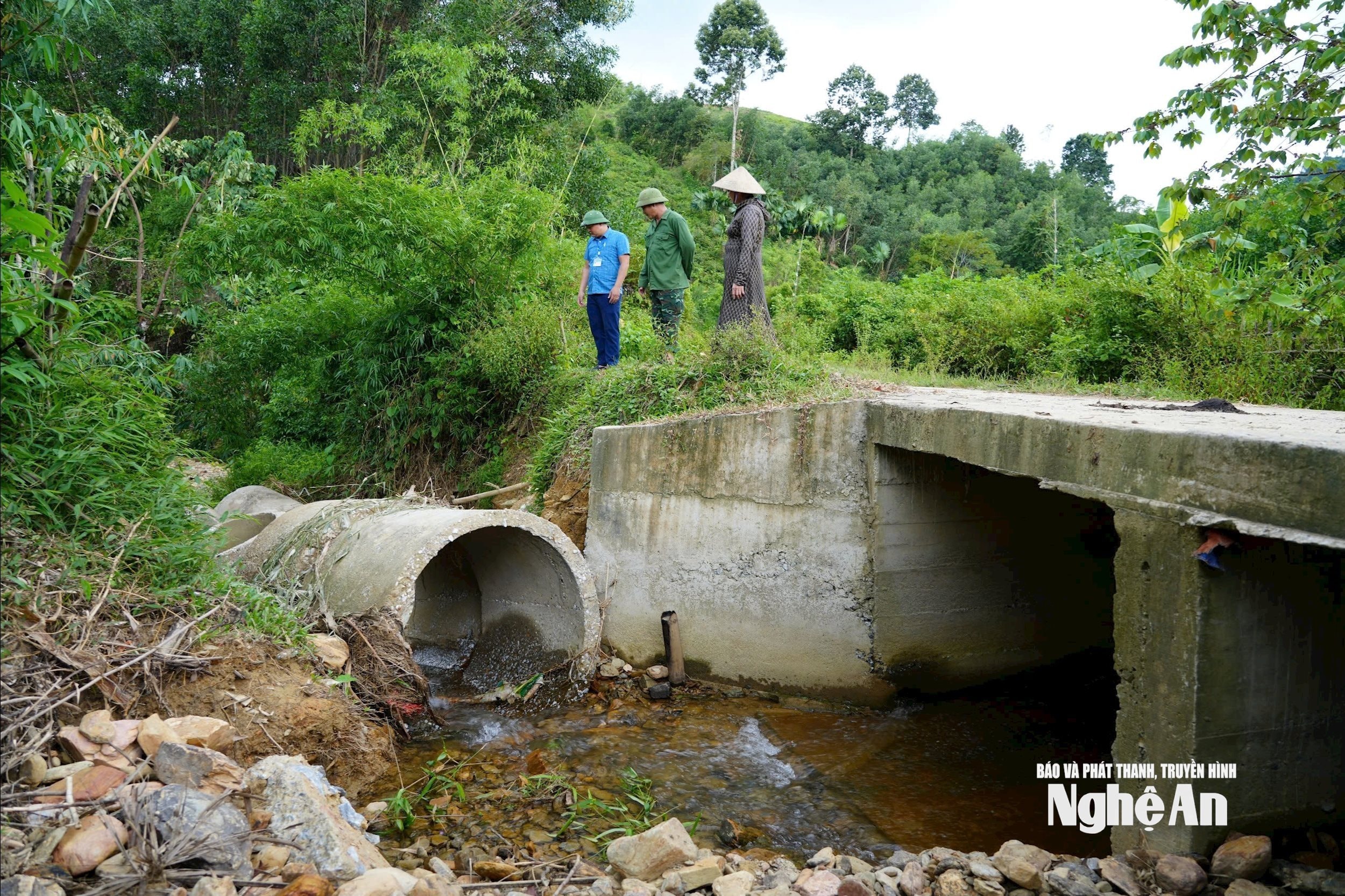
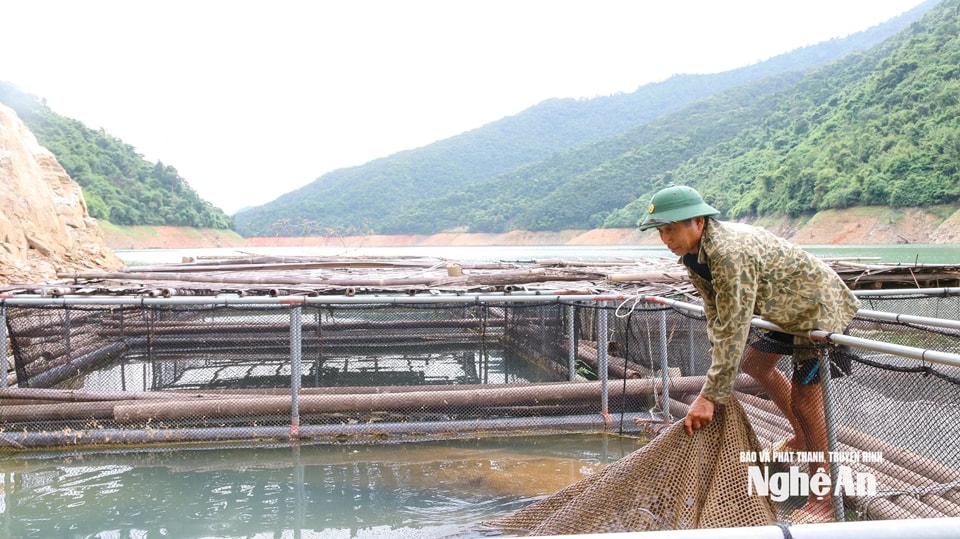
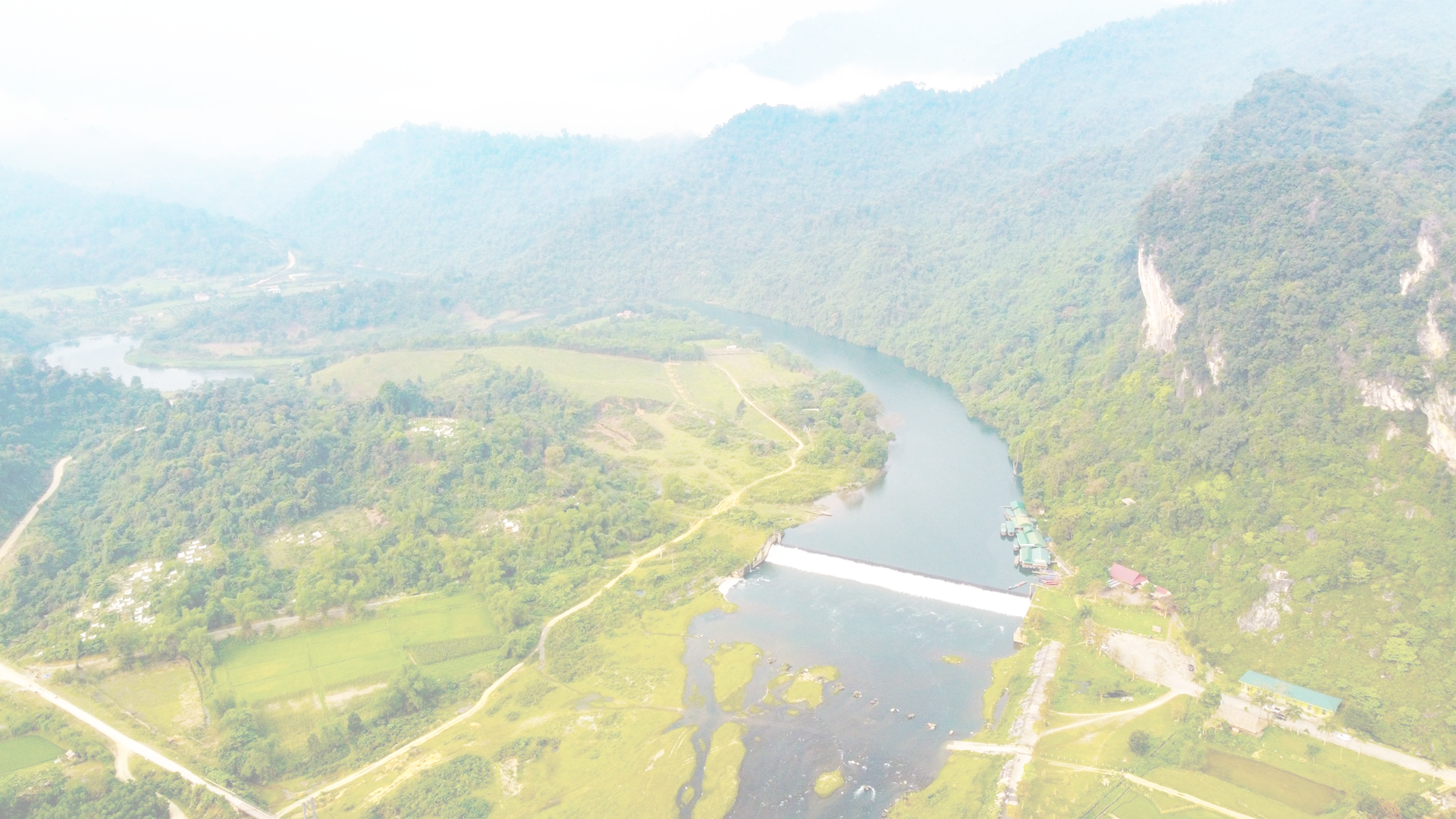
Regarding Mon Son border commune, Comrade Pham Manh Hung - Deputy Secretary of the Party Committee and Chairman of the People's Committee of the commune - stated: Along with programs and actions aimed at promoting economic development with specific models (developing industrial tea, beekeeping, utilizing streams and rivers for cage fish farming, incorporating community tourism development into the planning to attract investment...), the commune focuses on the overall planning, detailed planning, and regional planning, paying attention to investing in infrastructure, upgrading the commune and inter-village transportation system, irrigation system, electricity, clean water, office buildings, schools, health stations... and other public works to ensure service for production and daily life, contributing to promoting socio-economic development associated with building new rural criteria.
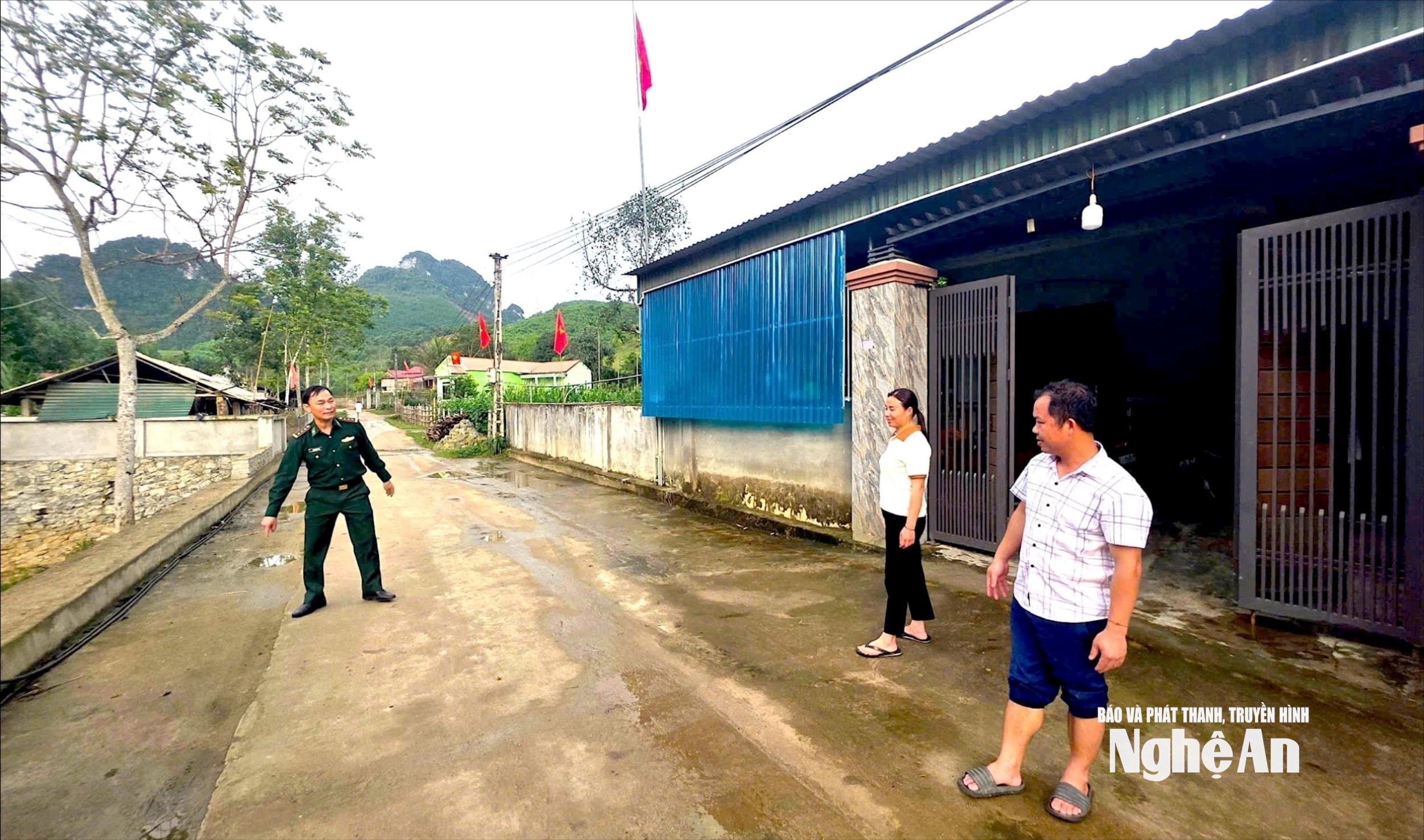
Although each locality has different approaches and methods in developing programs and actions to implement the Party Congress Resolution, they all aim for the same goal: sustainable poverty reduction, ensuring peace and stability for the people and the locality; creating momentum to promote socio-economic development, and narrowing the gap between mountainous and lowland areas.
This will contribute to the successful implementation of the goals set forth in the Resolution of the 20th Provincial Party Congress, term 2025-2030, which are: Striving to make Nghe An a relatively prosperous province of the country by 2030, a national-level growth pole; and with a vision to become a high-income, comprehensively developed, civilized, and modern province by 2045.