
Minimal Phone: A phone that 'hates its users' to help people break smartphone addiction.
With its e-paper screen and physical keyboard, the Minimal Phone deliberately creates a sluggish experience to reduce battery life, but is this inconvenience worth it?
A definitive solution for smartphone addiction?
With users spending an average of over 6 hours a day on their smartphones, social media fatigue and "doom-scrolling" are becoming increasingly common. The Minimal Phone was created with a completely opposite goal: to make you want to use your phone as little as possible. This device, running on Android with an e-paper screen, is designed to slow users down, but also to create a less than pleasant experience.
Nostalgic design and unexpected choices
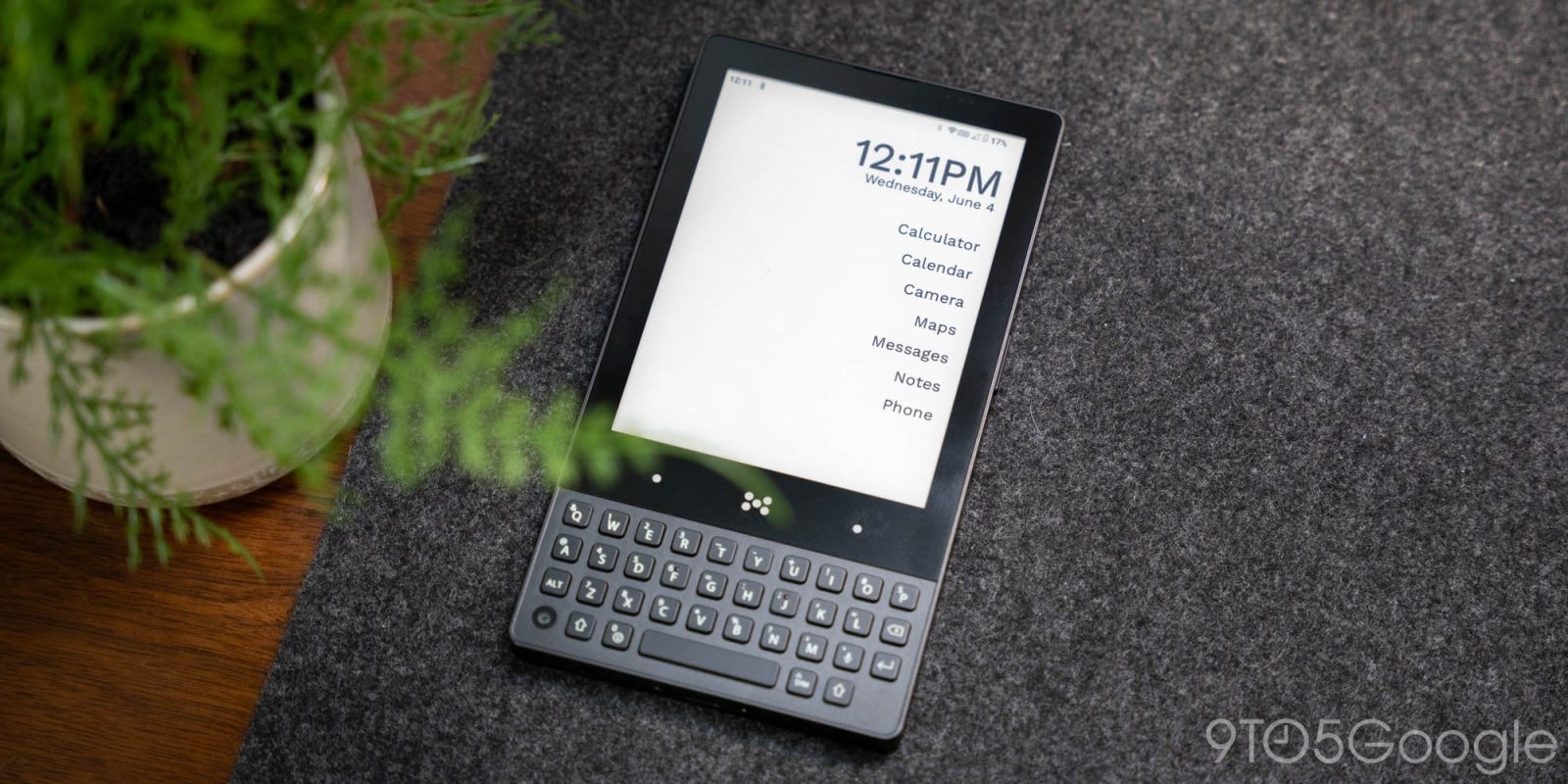
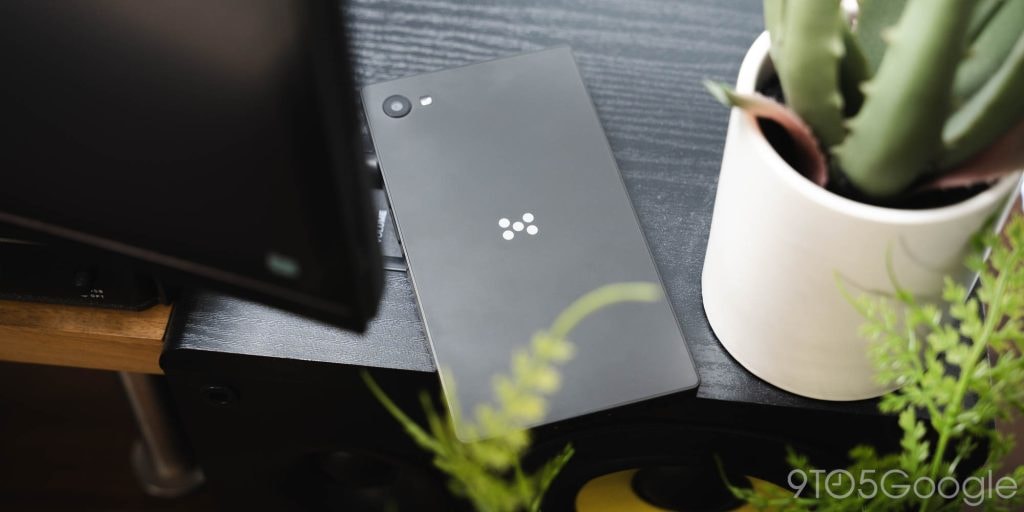
The Minimal Phone boasts a retro design, reminiscent of BlackBerry phones from the 2000s. The entire body is made of plastic, giving it a lightweight but not premium feel. The boxy design with slightly sharp edges can be uncomfortable to hold if pressure is applied, although the light weight somewhat mitigates this drawback.
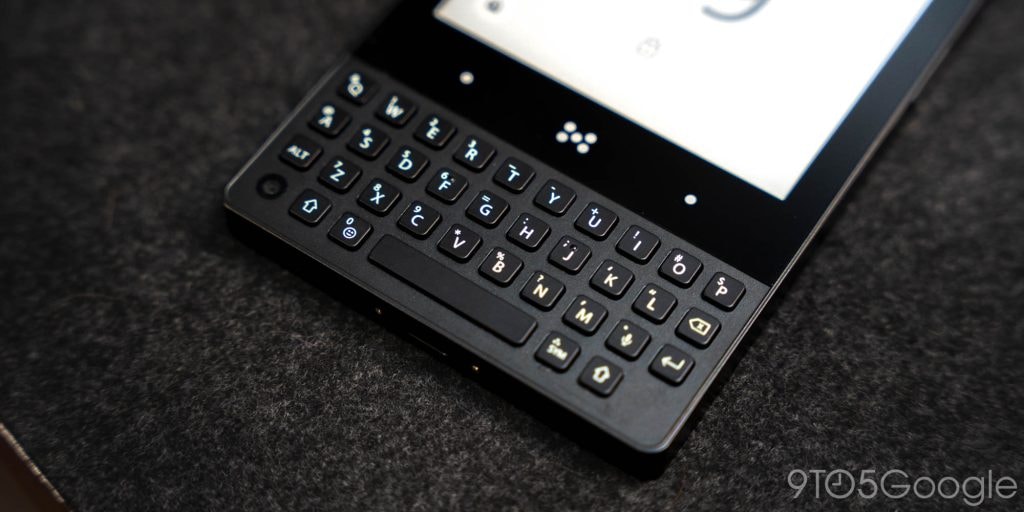
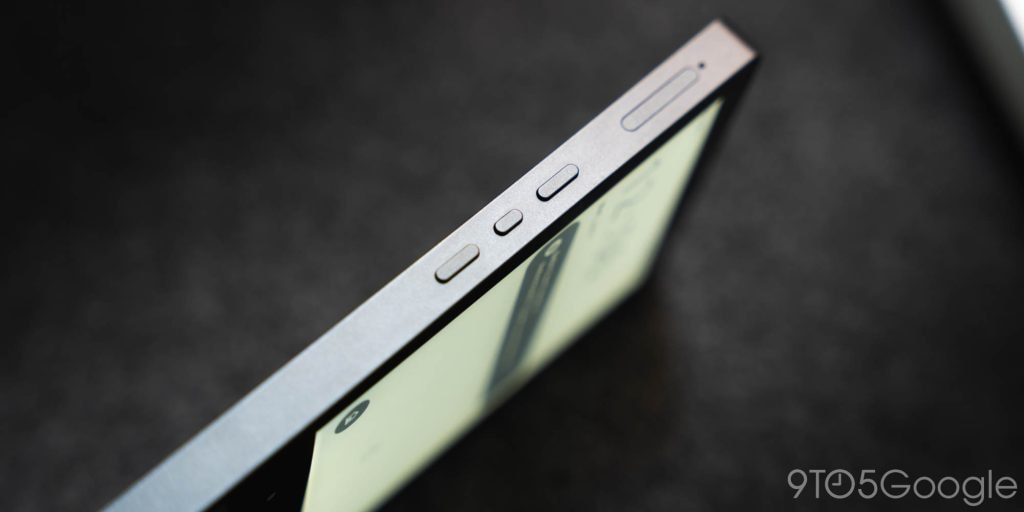
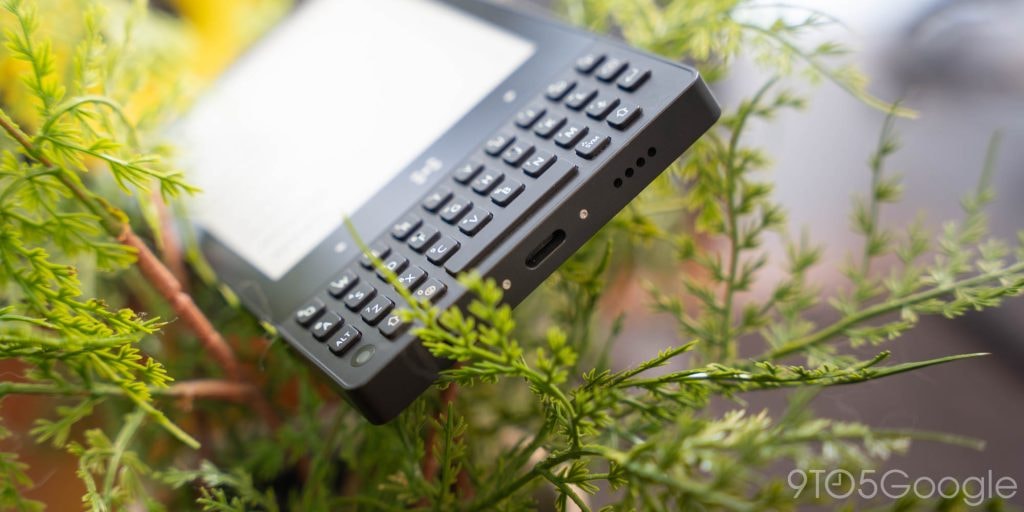
The main highlight is the physical QWERTY keyboard, which occupies approximately 25% of the front surface. Despite its minimalist design, the device is still equipped with essential modern features. The fingerprint sensor integrated into the power button works quite accurately, allowing for quick unlocking. A significant and rare addition to modern devices is the presence of a 3.5mm headphone jack, allowing for convenient use of wired headphones.
E-Paper screens: A 'feature' or a 'bug' in the user experience?
The overall experience of the Minimal Phone is centered around its e-paper display. In theory, this is the perfect choice for a minimalist device: it doesn't strain the eyes, saves battery power, and only displays what's necessary. However, the reality is more complex.
The screen has a very low refresh rate, only about 1-2 frames per second. This causes touch input to frequently lag or be inaccurate, especially when the user is interacting quickly. Ghosting is also common in all applications. Minimal has taken advantage of this inherent drawback of e-paper technology to force users to slow down, but it also creates a significant barrier to daily use, even for basic tasks like sending an important email.
All the habits of modern smartphone use become useless on the Minimal Phone. There are no smooth swipes, no instant responses. This experience is not just minimalist, but can be considered deficient for many people.
Main technical specifications
| Parameter | Detail |
|---|---|
| Screen | E-paper, 4.3 inch |
| Resolution | 600 x 800 pixels |
| Pixel density | 230 ppi |
| Battery | 3,000 mAh |
| Connect | 4G LTE |
| Connection port | USB-C, 3.5mm jack |
| Security | Fingerprint sensor |
Deliberately slow performance and the trade-offs
Minimal Phone runs a customized version of Android designed to suit the minimalist philosophy. The main interface only displays essential shortcuts. However, the screen's sluggishness directly impacts performance. The physical keyboard, while a design plus, suffers from input lag. The keys also feel somewhat stiff, making typing for extended periods uncomfortable.
Another minor annoyance is the Always-On Display feature. Although the e-paper screen consumes very little energy, the clock on the AOD screen doesn't automatically update unless there's a new notification. This defeats the main purpose of the feature.
A rare bright spot: Impressive battery life.
This is where the Minimal Phone truly shines. The 3,000 mAh battery, a modest size for a modern smartphone, proves incredibly efficient when combined with the e-paper display. With a full charge and moderate use, the device can last two to three days. If used as intended by the manufacturer – that is, very little – the battery life can be even longer. This makes the Minimal Phone a reliable companion, always ready when you need it.
Conclusion: A good idea, but poorly executed.
Minimal Phone succeeded in creating a phone that users didn't want to use much. However, to achieve that goal, it sacrificed too much of the core experience. The sluggishness and lack of responsiveness made basic tasks difficult, rather than simply hindering social media browsing.
At $400 for pre-orders (expected retail price $500), this is a rather high price for a device that feels poorly made and offers a frustrating user experience. A more premium design and more intuitive functionality might justify the price. Ultimately, the Minimal Phone lives up to its advertising – it makes you use your phone less, but by making you hate using it.


